პროდუქტის აღწერა
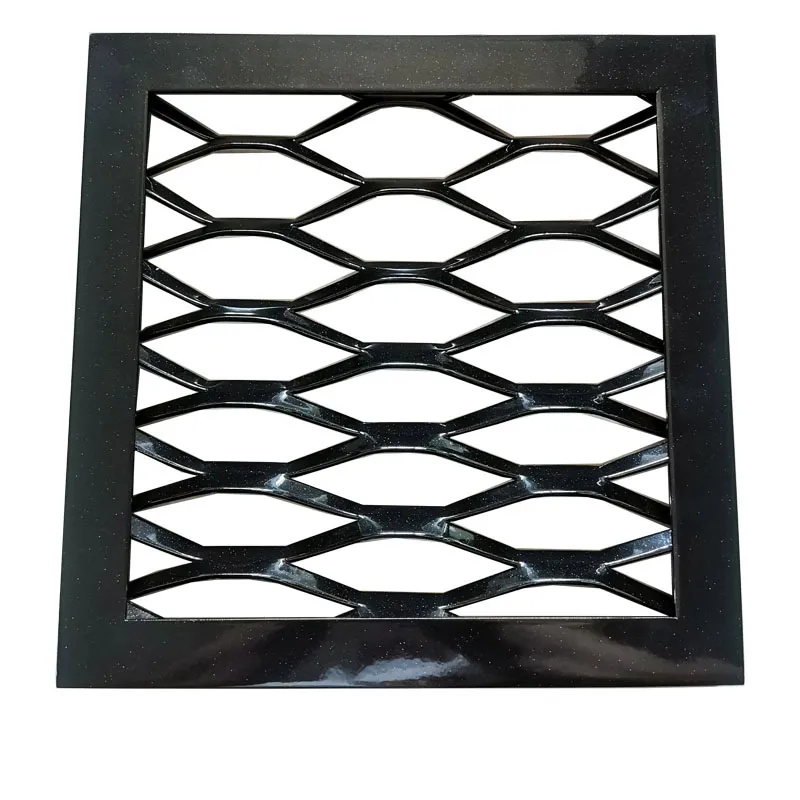
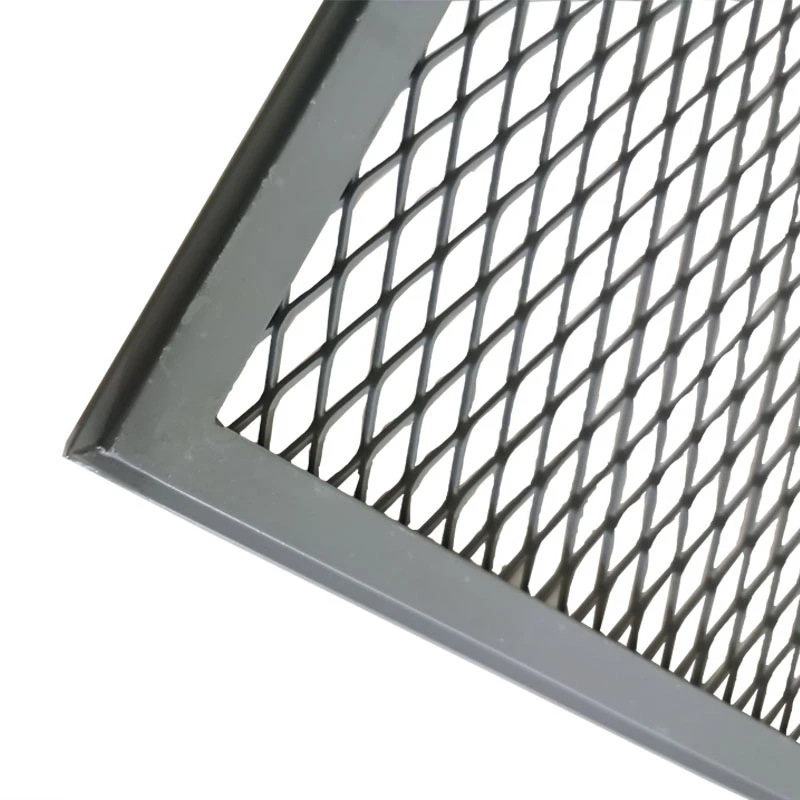
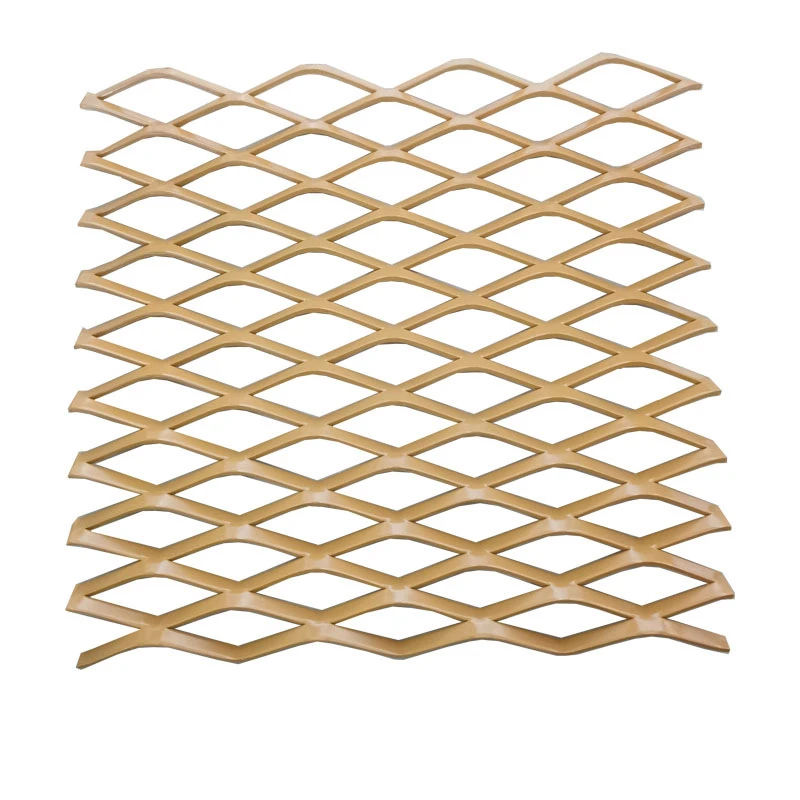
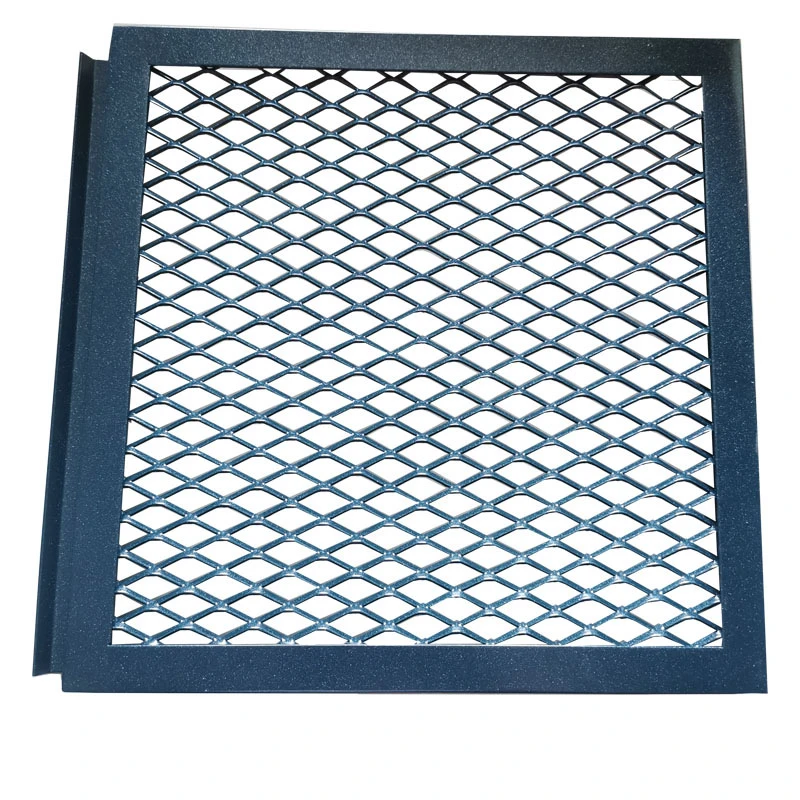
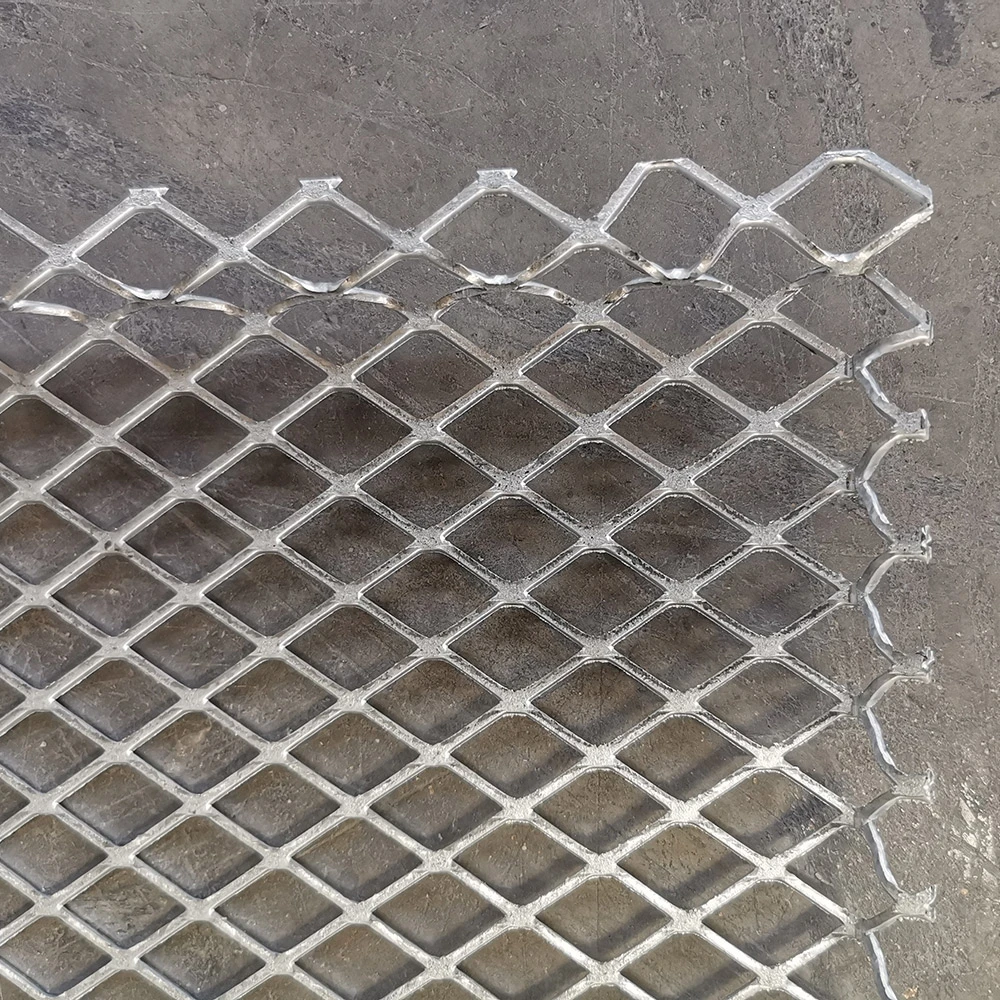
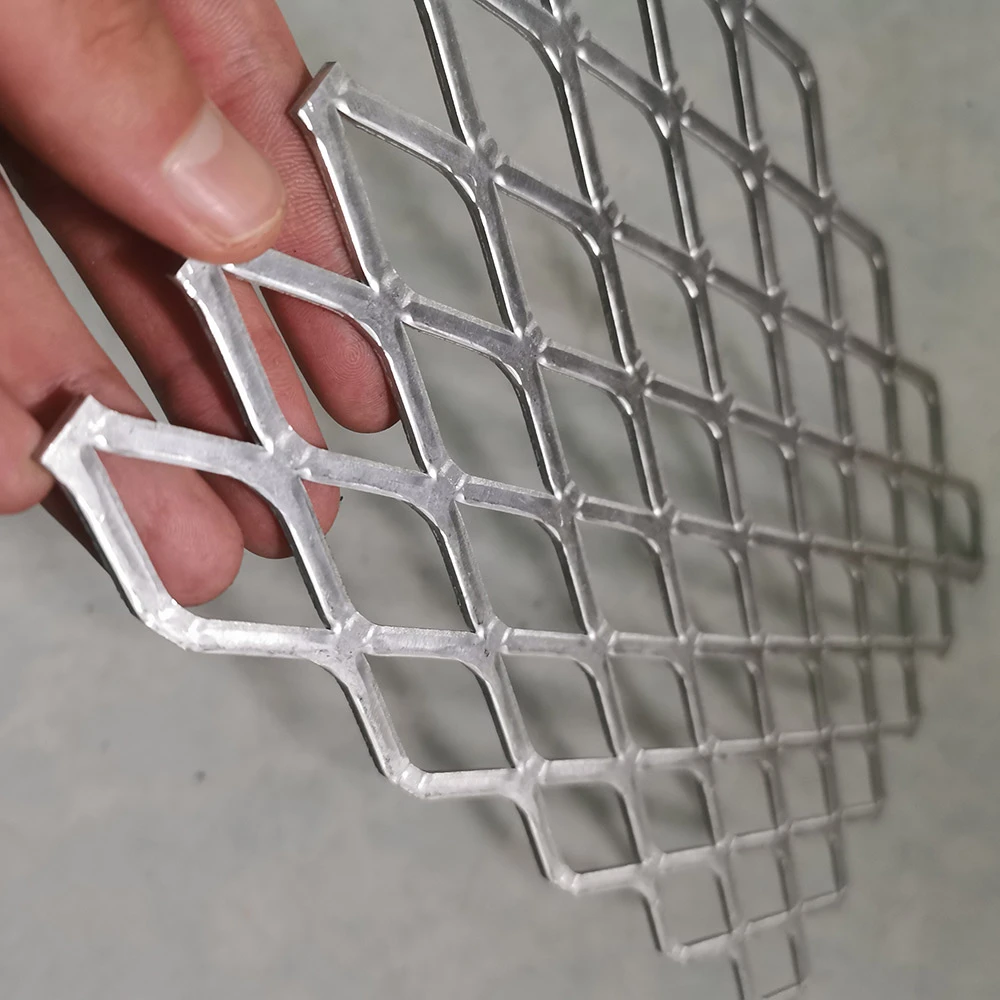
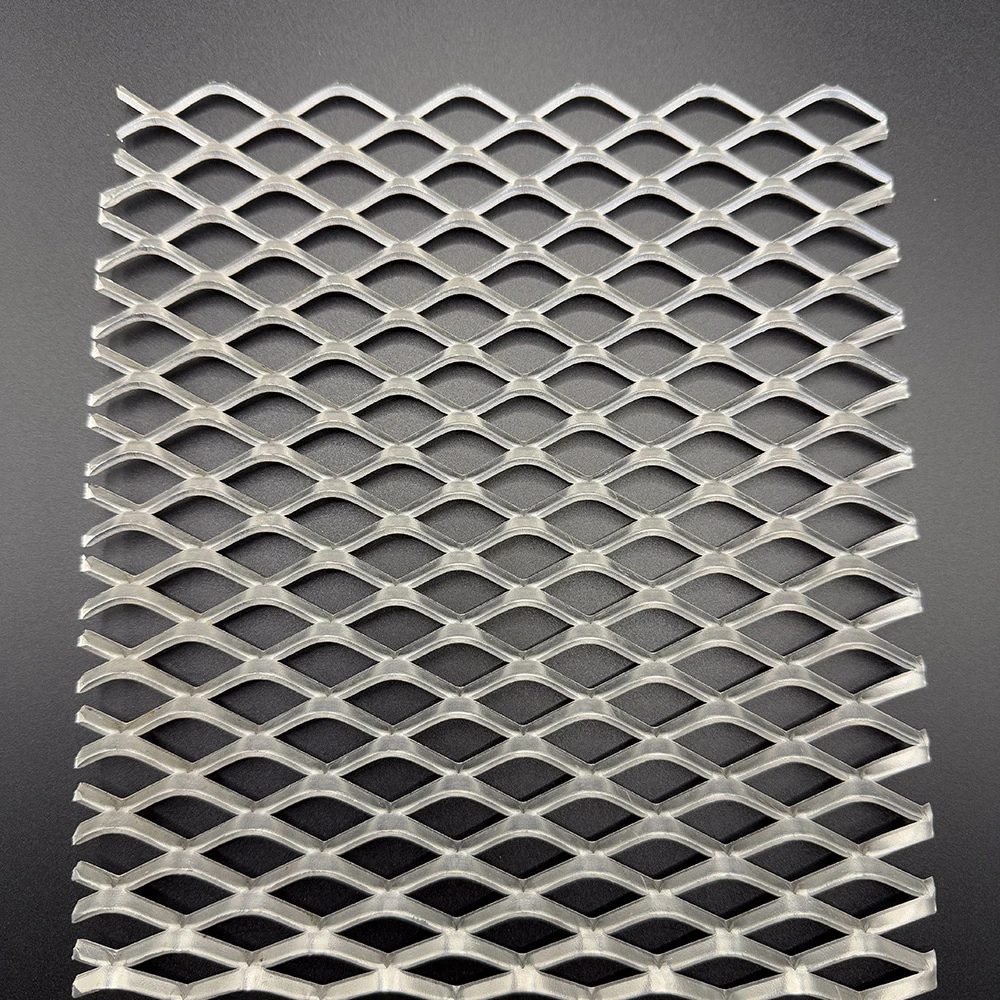
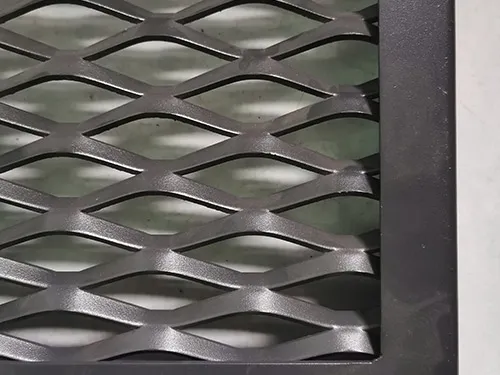
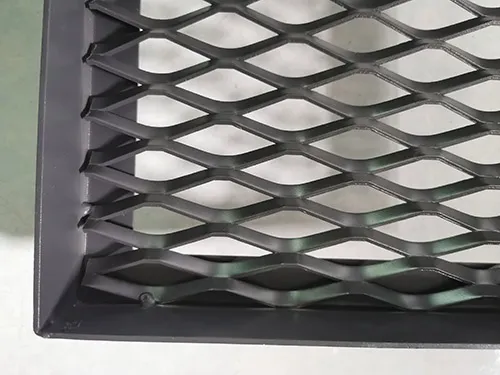
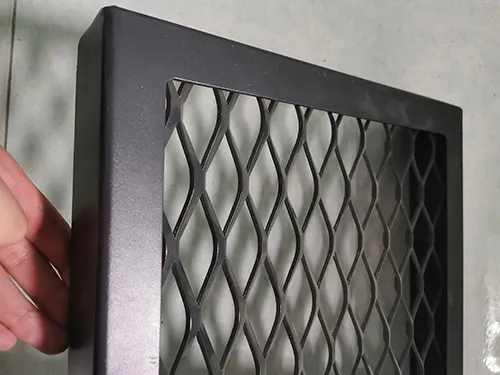
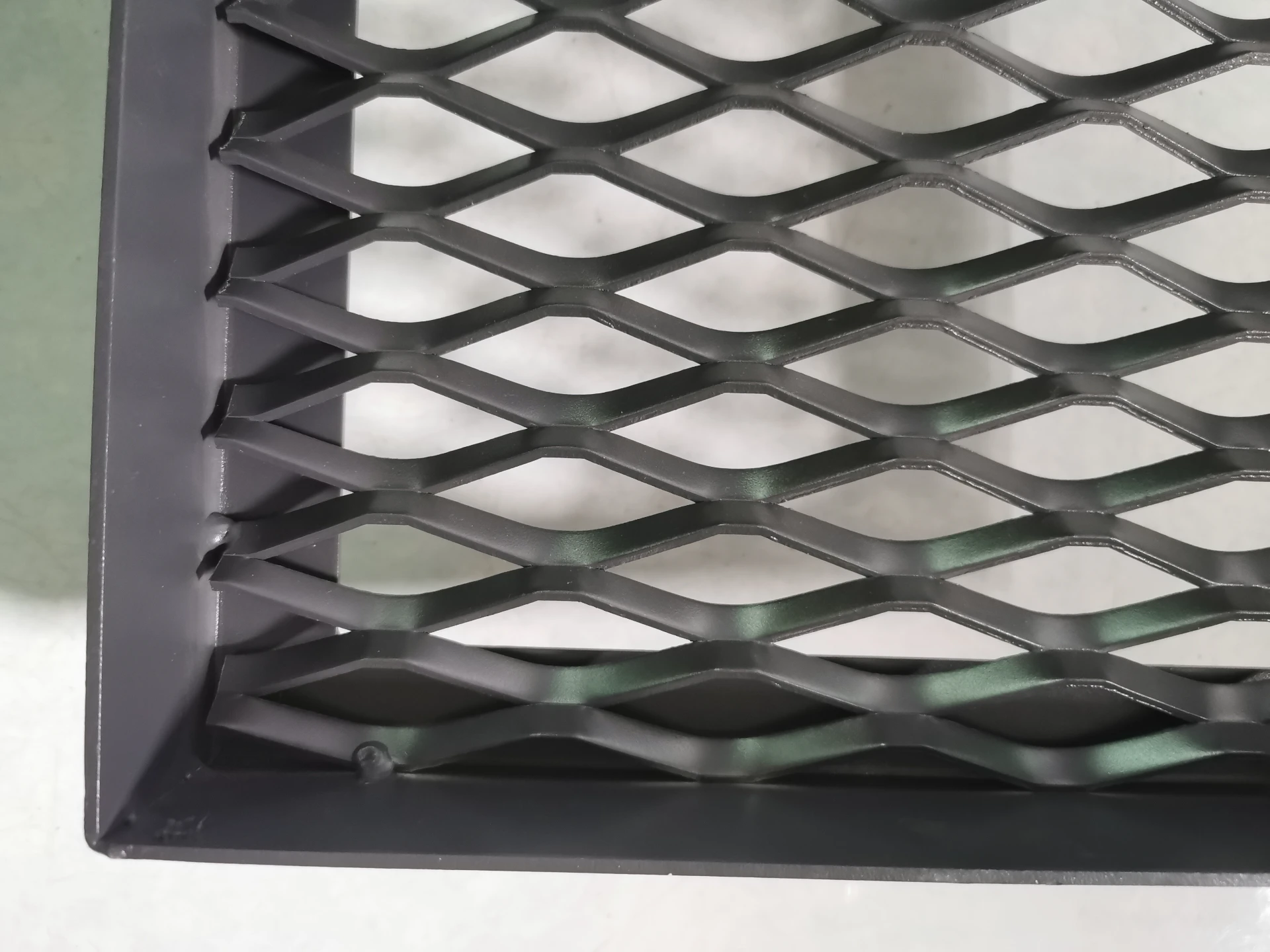
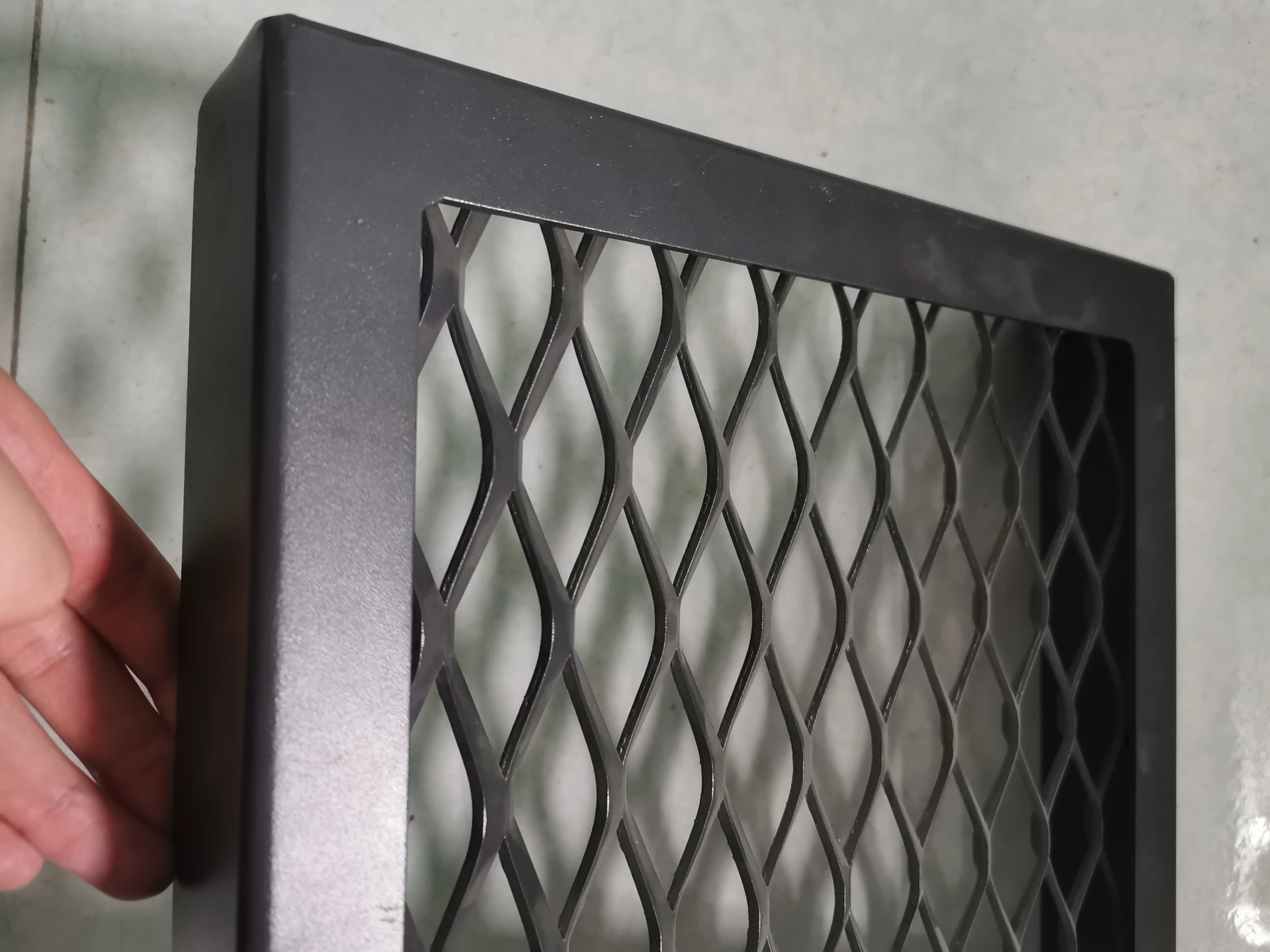
Decorative expanded metal panels are versatile building and design materials that combine functionality with aesthetic appeal. Made by cutting and stretching a solid sheet of metal into a mesh pattern—typically diamond or hexagonal—these panels are widely used in both architectural and interior design applications. They provide strength, lightness, and an attractive visual effect, making them suitable for a variety of projects.
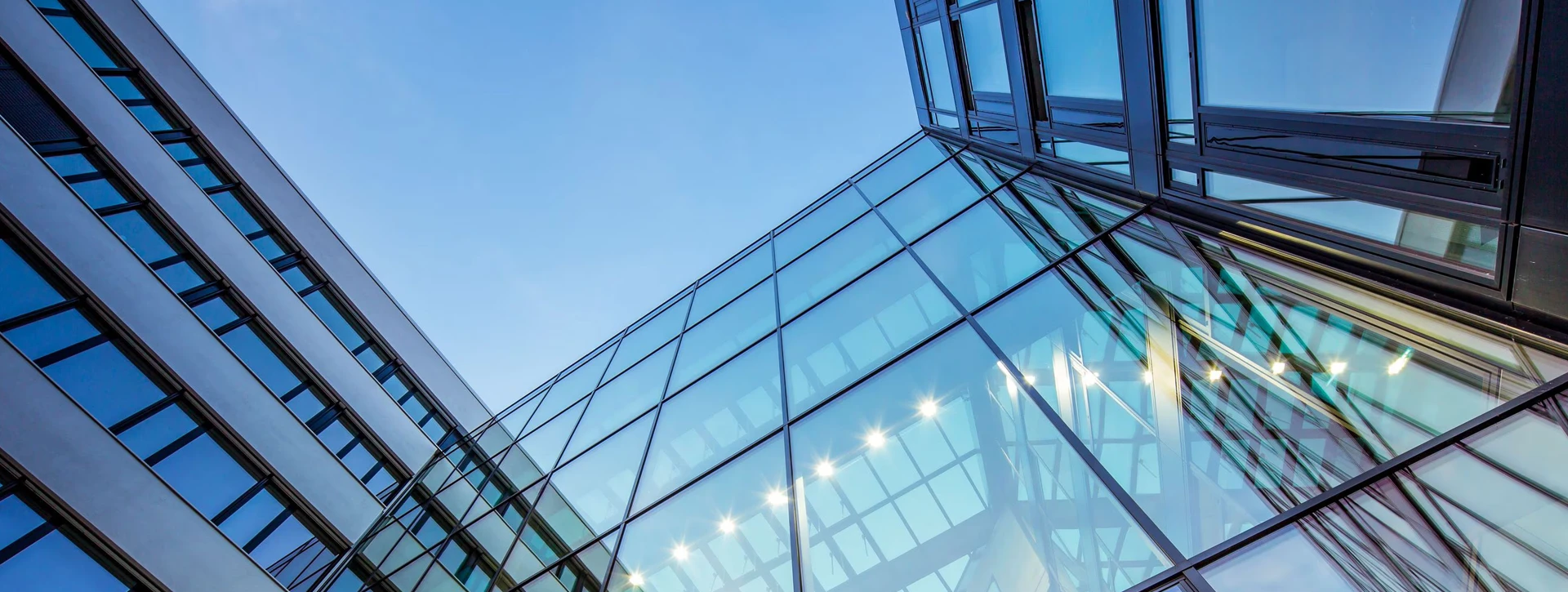
One of the primary uses of decorative expanded metal panels is in architectural facades and cladding. They are installed on the exterior of buildings to enhance the visual appeal while allowing ventilation and partial light transmission. The panels can also serve as sunshades or privacy screens, providing functional benefits alongside their decorative qualities. Architects often choose them to create modern, eye-catching patterns on commercial buildings, shopping malls, or residential projects.
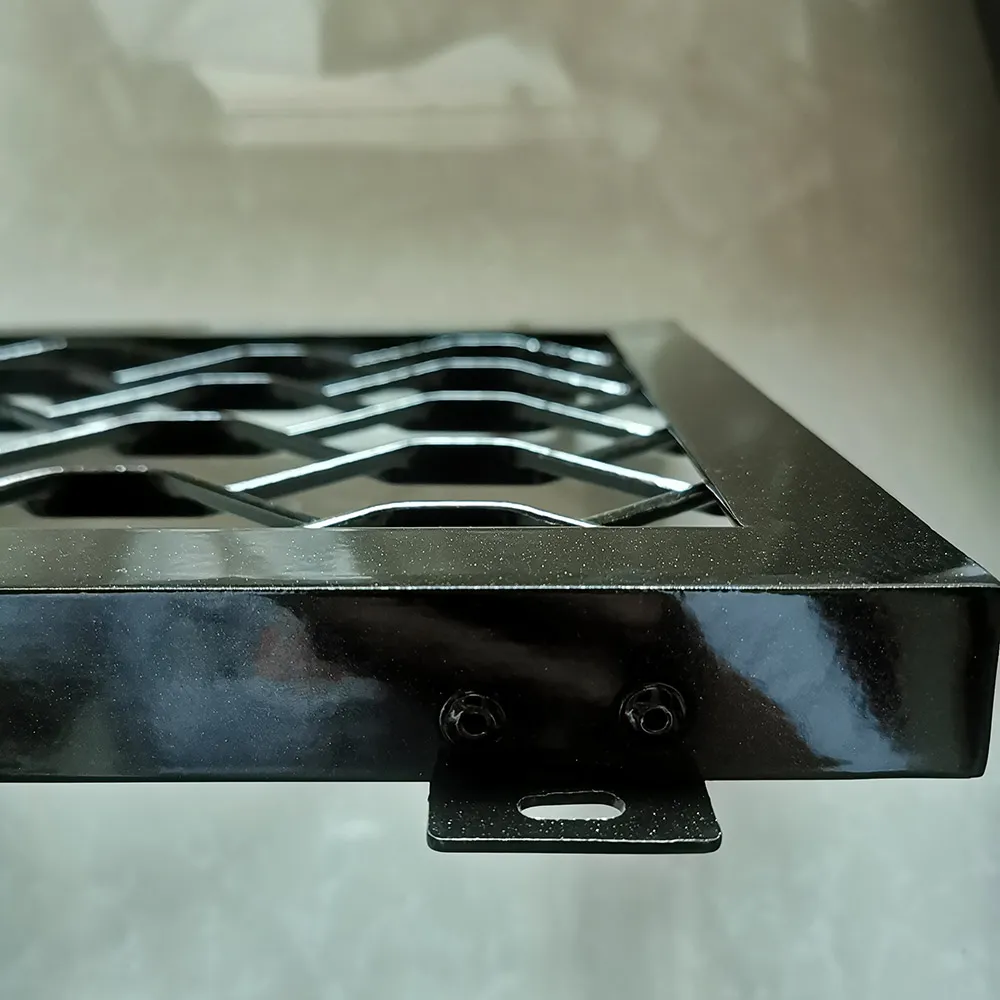
Inside buildings, decorative expanded metal panels are used for interior partitions, ceilings, and wall accents. Their lightweight but sturdy structure allows designers to create visually striking features without compromising safety or functionality. They can also be perforated or patterned in creative ways to match a space’s design theme, whether for offices, restaurants, or public spaces.
Another important application is in furniture and fixtures, where decorative expanded metal panels are used in cabinet doors, shelving, lighting covers, and railing inserts. They add a modern, industrial aesthetic while maintaining structural integrity.
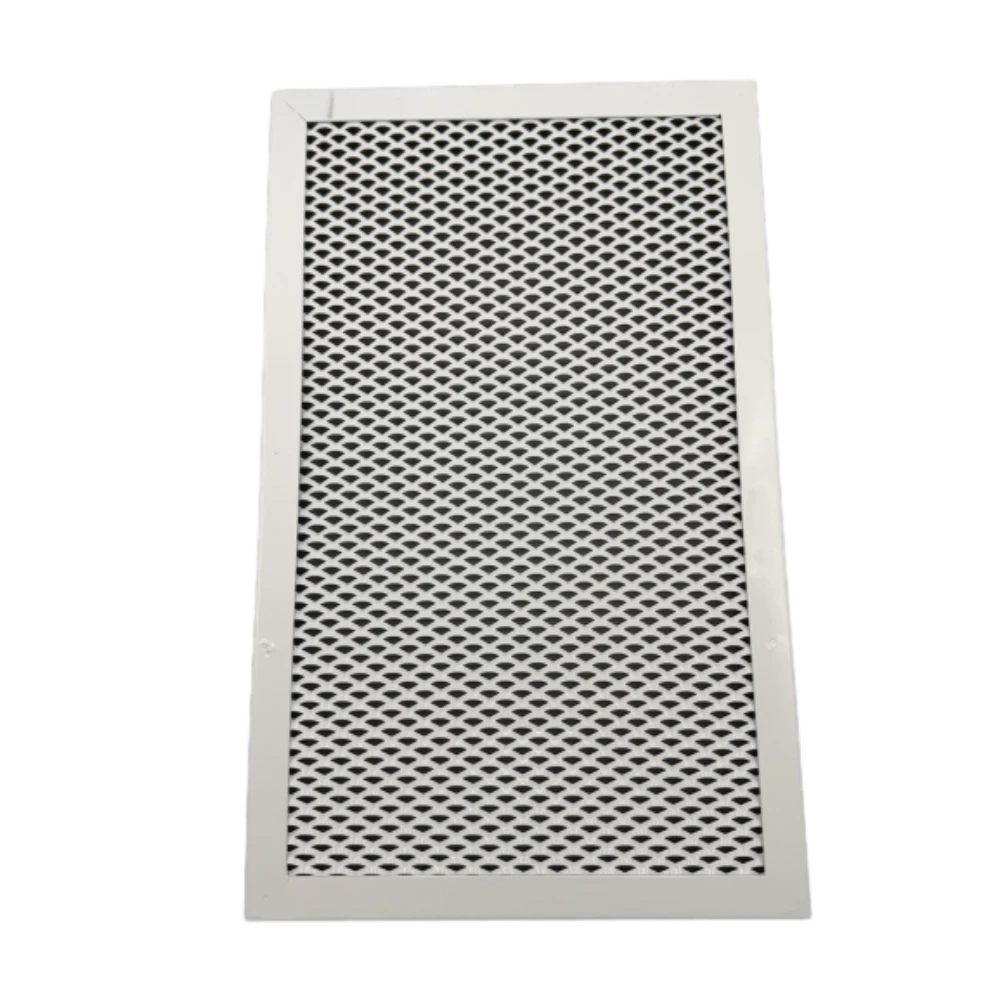
Additionally, decorative expanded metal panels are used in ventilation and filtration systems, allowing air or light to pass through while providing protection and support. Materials such as aluminum, stainless steel, or powder-coated steel ensure durability and resistance to corrosion, making them suitable for both indoor and outdoor applications.
In summary, decorative expanded metal panels are widely used for architectural facades, interior design, furniture, and ventilation applications, offering a combination of strength, durability, and aesthetic versatility. Their ability to blend functionality with design makes them a preferred choice for modern construction and design projects.
Decorative expanded metal is a versatile material widely used in architecture, interior design, and industrial applications. It comes in two main forms: flattened and raised (standard), each offering unique properties that influence strength, appearance, and usability. Choosing the right type depends on the project’s functional requirements and aesthetic goals.
Raised Decorative Expanded Metal
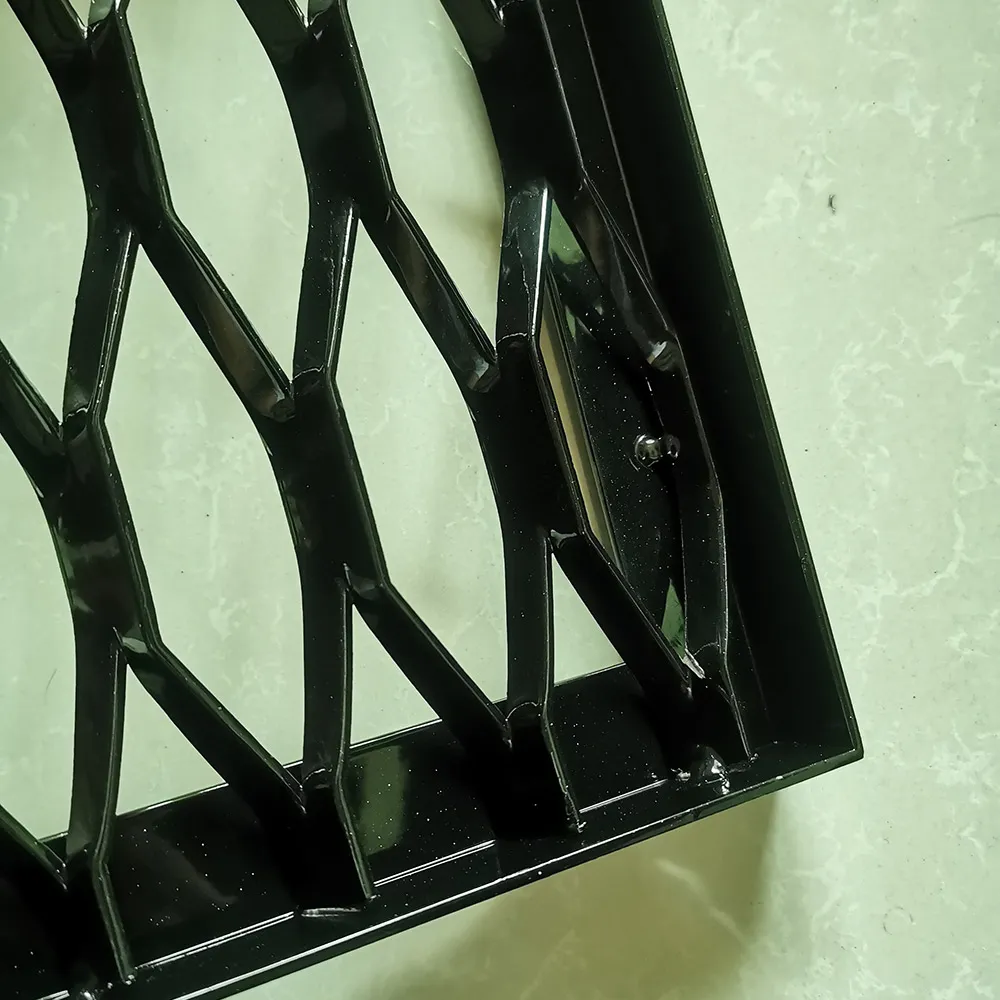
Raised expanded metal retains the three-dimensional texture created during the expansion process. The metal strands protrude from the base, forming a textured surface. This pattern increases rigidity and provides excellent traction, making it ideal for applications that require durability and load-bearing capacity. Raised panels are often used for industrial walkways, stair treads, ramps, and protective barriers, where strength and safety are primary concerns. Additionally, the raised design can create a bold, industrial aesthetic for certain architectural projects, adding visual depth and texture to facades or exterior panels.
Flattened Decorative Expanded Metal
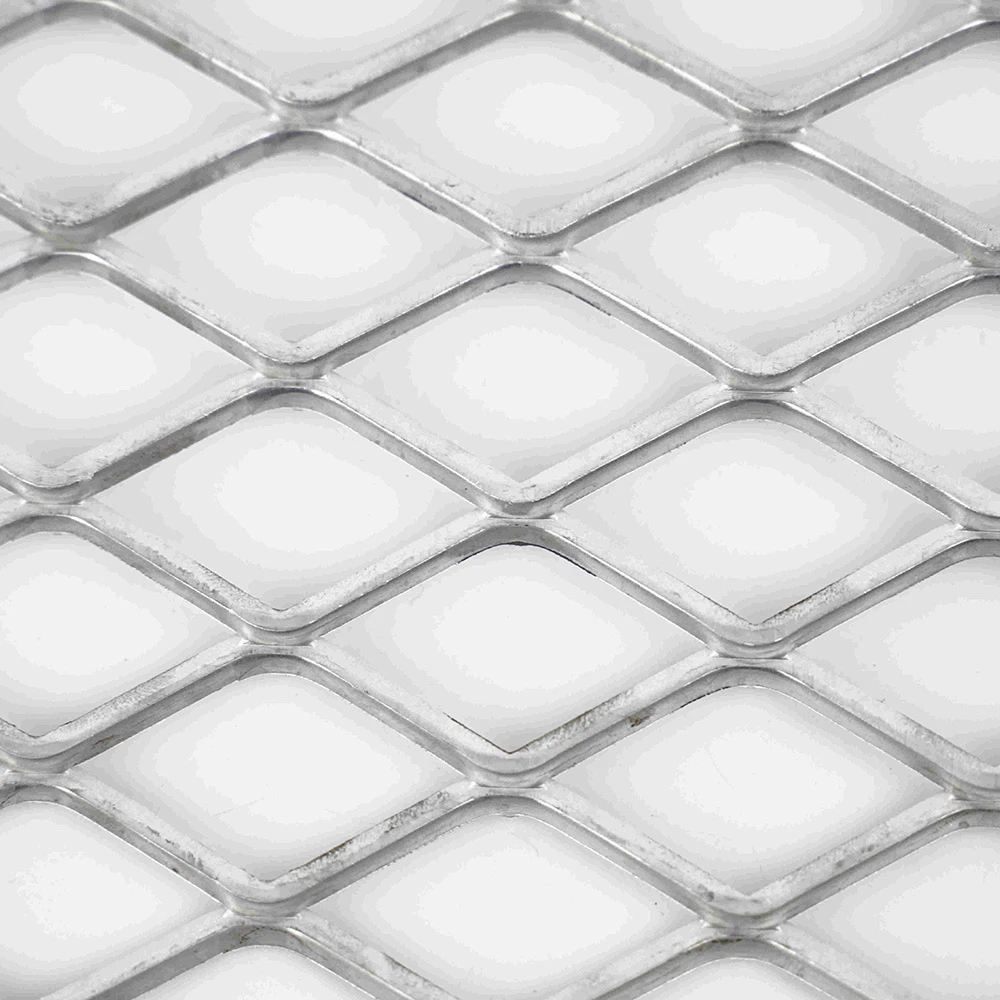
Flattened expanded metal is produced by rolling the raised mesh to create a smooth, even surface. This process slightly reduces rigidity but offers improved ease of handling, cutting, welding, and installation. Flattened panels are ideal for interior partitions, ceilings, decorative screens, and furniture applications, where aesthetics, precision, and smooth surfaces are more important than maximum structural strength. Flattened metal also allows for more uniform finishes, such as powder coating or painting, enhancing the visual appeal.
Factors to Consider
When deciding between flattened and raised decorative expanded metal, consider the following:
Strength and Load Requirements – Choose raised metal for heavy-duty or safety-critical applications.
Aesthetic Goals – Flattened metal provides a clean, uniform appearance for decorative purposes.
Ease of Fabrication – Flattened metal is easier to cut, bend, and install.
Environment – Outdoor applications may benefit from raised metal’s additional rigidity and durability.
In conclusion, raised decorative expanded metal is best for strength and traction, while flattened decorative expanded metal excels in appearance, handling, and versatility. Selecting the right type ensures both functional performance and aesthetic impact.
Decorative expanded metal panels are versatile materials widely used in architecture, interior design, and industrial applications. Their appeal lies not only in their unique mesh patterns but also in the variety of metals from which they can be manufactured. The choice of material affects the panel’s strength, weight, durability, corrosion resistance, and aesthetic appearance, making it essential to select the right one for a specific project.
1.Steel
Steel is one of the most commonly used materials for decorative expanded metal panels due to its strength and rigidity. It can withstand heavy loads, making it ideal for structural applications, stair treads, railings, and industrial facades. Steel panels are typically finished with galvanization, powder coating, or painting to protect against corrosion and improve visual appeal. Stainless steel is particularly popular for both indoor and outdoor applications, offering excellent durability, rust resistance, and a sleek modern look.
2. Aluminum
Aluminum is a lightweight, corrosion-resistant option, making it suitable for exterior facades, ceilings, partitions, and decorative screens. Aluminum panels are easy to handle, fabricate, and install, and they can be anodized or powder-coated in various colors to enhance aesthetics. Its lightweight nature reduces structural loads while still providing good strength and rigidity.
3. Copper and Brass
Copper and brass panels are chosen primarily for their decorative and aesthetic qualities. These metals develop a natural patina over time, adding unique visual character to architectural features, furniture, and interior design elements. Copper and brass are durable but softer than steel or aluminum, so they are typically used in applications that prioritize appearance over heavy load-bearing.
4.Other Alloys
Other metal alloys, such as zinc or titanium, may also be used for specialized applications requiring high corrosion resistance, unique finishes, or premium aesthetics.
In summary, decorative expanded metal panels are made from steel, aluminum, copper, brass, and other alloys, each offering distinct advantages. Selecting the right material depends on strength requirements, weight considerations, environmental exposure, and desired visual effect, ensuring both functionality and aesthetic appeal in the final project.
|
მინი შეკვეთის რაოდენობა |
1 ცალი |
|
OEM NO. |
CC-011 |
|
ტიპი |
დეკორატიული გაფართოებული ლითონი |
|
წარმოშობის ადგილი |
ჰეიბეი, ჩინეთი |
|
შეფუთვა |
მუყაოს ყუთი / ხის პლატა ფოლადის პლატა / წყალგაუმტარი პლასტმასის საფარი |
|
ნიმუში |
გადახდილი |
|
პერსონალიზაციის სერვისი |
დიახ |
|
ხელმისაწვდომი ნედლეული |
ნახშირბადოვანი ფოლადი (Q235, 195, 195L, SPHC) უჟანგავი ფოლადი (304, 316, 316 ლ) |
|
ზედაპირის დამუშავება |
გალვანზირებული / ფხვნილის საფარი / ანოდირება / გასაპრიალებელი / ფტორნახშირბადის PVDF |
|
Powder Coating / Fluorocarbon PVDF Standard (AkzoNobel, PPG Industries, Jotun etc) |
AAMA2604 სტანდარტი (გარანტია 10 წელი) AAMA2605 სტანდარტი (გარანტია 15 წელი) AAMA2606 სტანდარტი (გარანტია 20 წელი) |
|
ცხელი გალვანური სტანდარტი |
თუთია 50 გ (3-5 წელი) (თუთია 100 გ (5-8 წელი) >Zinc 250g (15 Year+) |
|
ვიდეოს წარმოება |
|
|
FAQ |
რამდენად ეკოლოგიურად სუფთაა? ეკოლოგიურად სუფთა, ალუმინი გადამუშავებადია და წარმოების ენერგიის მოხმარება დაბალია
გაქვთ AFTER-SERVICE? დიახ, თუ საქონელი კითხვის ნიშნის ქვეშ დგას, ჩვენ ვიფრენთ თქვენი კომპანიის ან პროექტის ზონის მოსანახულებლად. |
Interior Decoration and Wall Features
Decorative expanded metal is widely used in interior design applications, including wall coverings, ceiling panels, column wraps, and feature walls. Its unique mesh patterns and three-dimensional texture add visual interest while allowing light and air to pass through. With various finishes like powder coating, anodizing, or polishing, it brings modern, industrial, or artistic aesthetics to residential, commercial, and hospitality interiors.
Retail and Display Design
In the retail and exhibition industry, decorative expanded metal serves as a lightweight yet durable material for product displays, shelving units, signage backdrops, and branding installations. Its transparency allows visibility while maintaining structure, making it ideal for creating eye-catching, open-space environments. The mesh can be customized in color, shape, and scale to match specific brand identities or design themes.



![$item[alt]](https://images.exportstart.com/images/a1393/cc-7691.webp "$item[title]")