პროდუქტის აღწერა
Expanded metal and extruded metal are two distinct manufacturing processes used to create metal products, and each results in materials with unique properties and applications. Understanding the difference helps in selecting the right material for structural, decorative, or industrial uses.
1.Expanded Metal
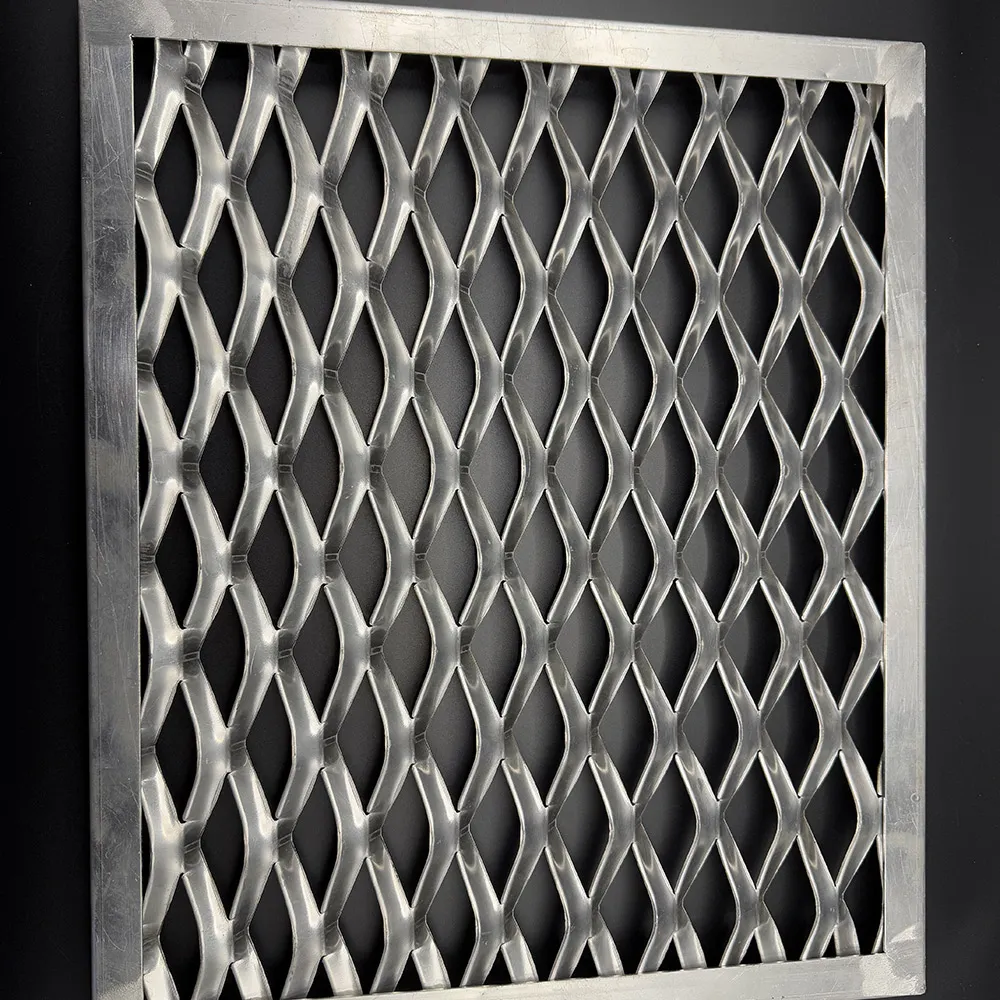
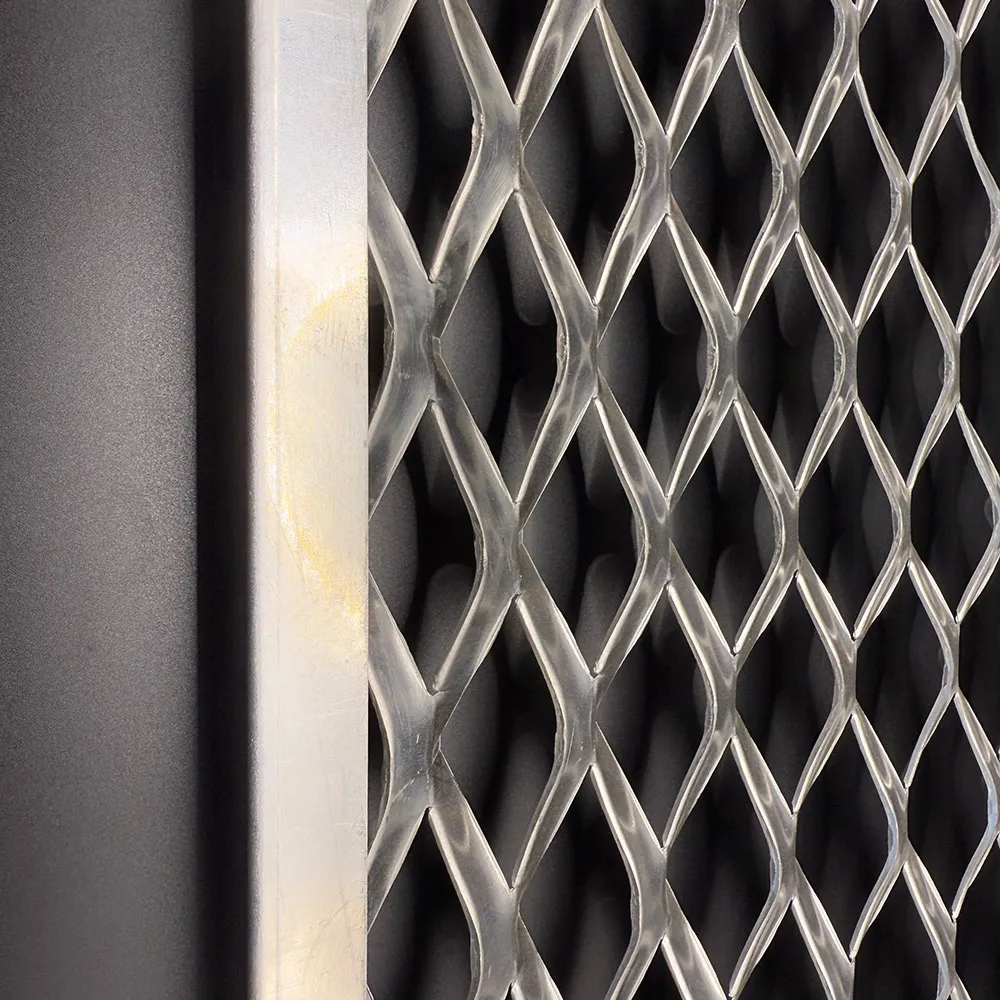
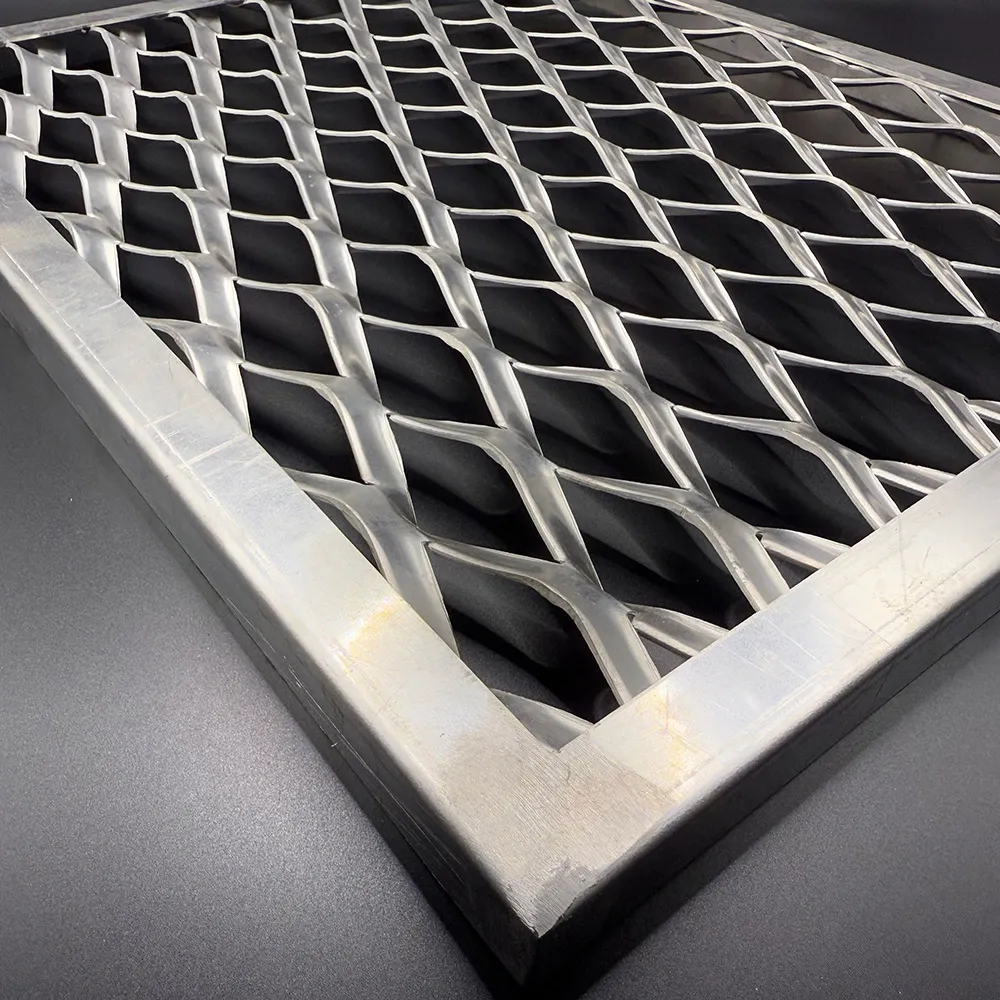
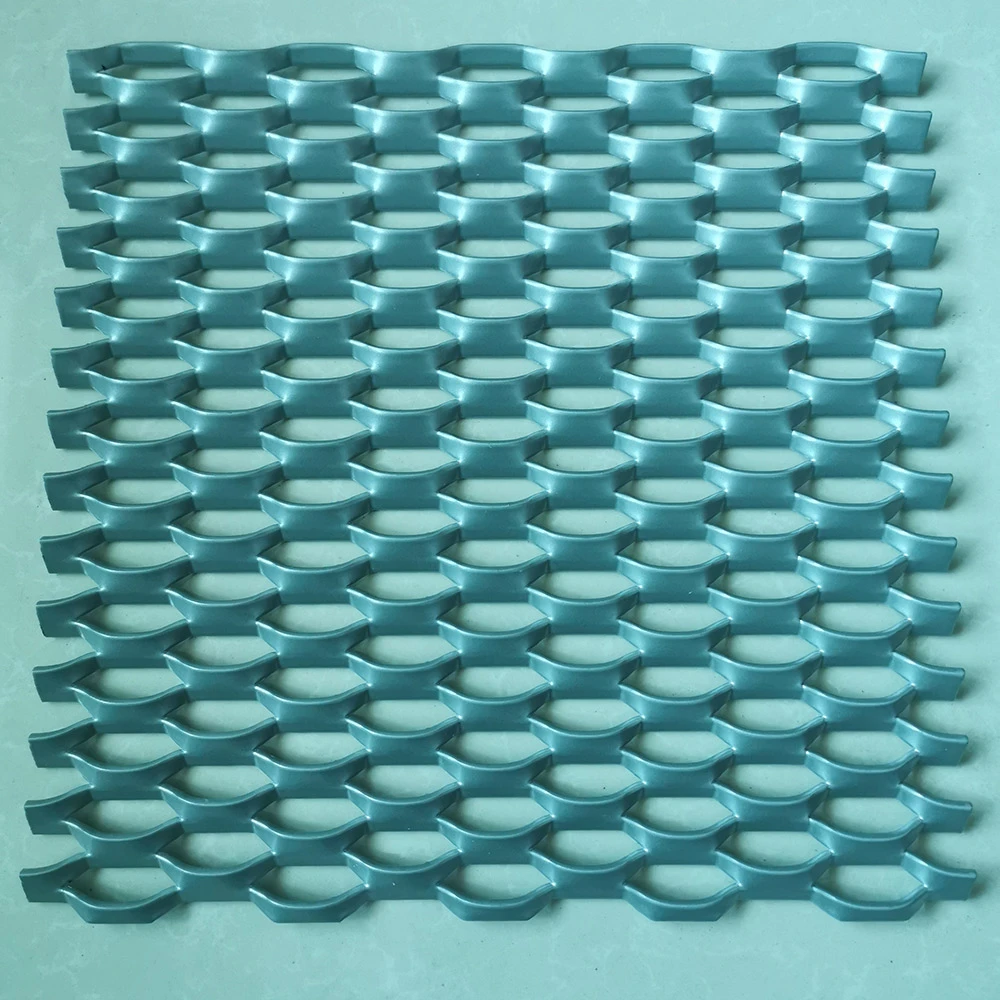
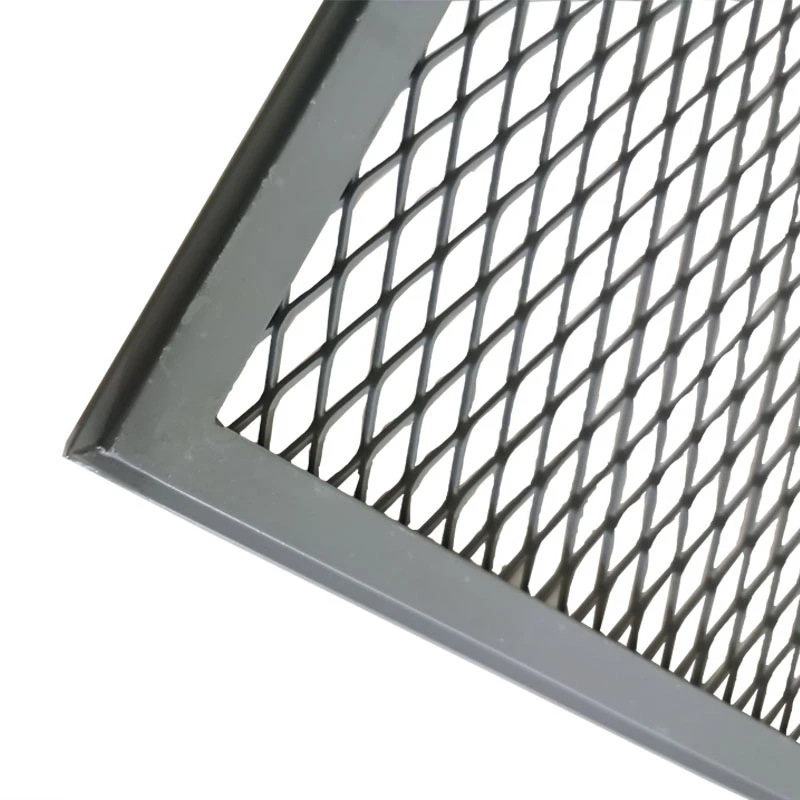
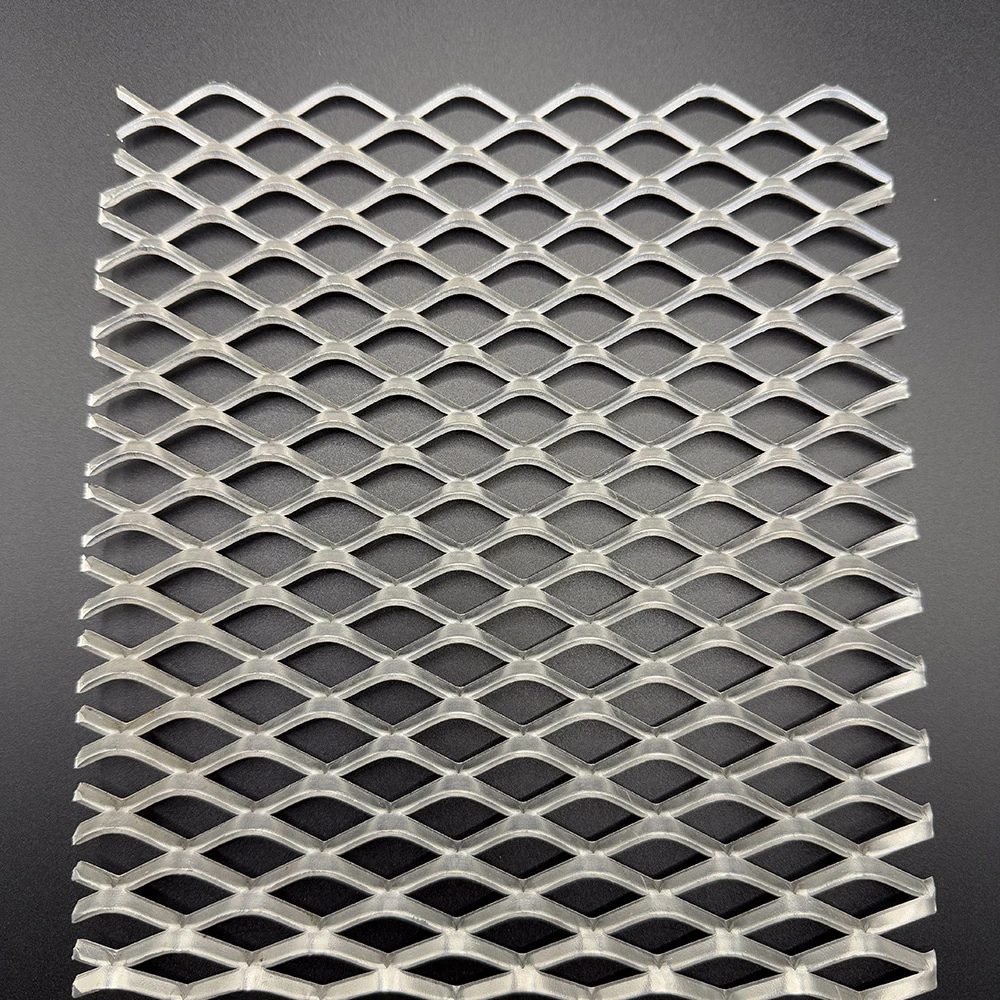
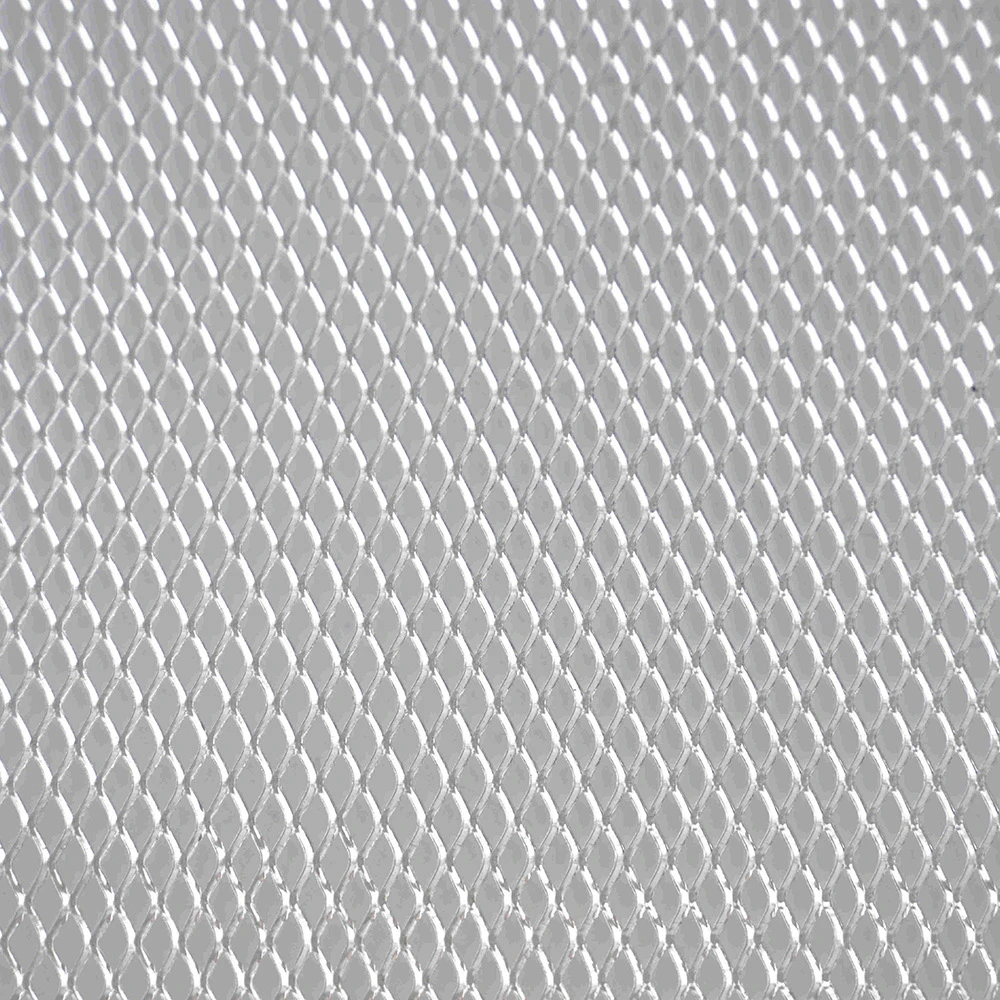
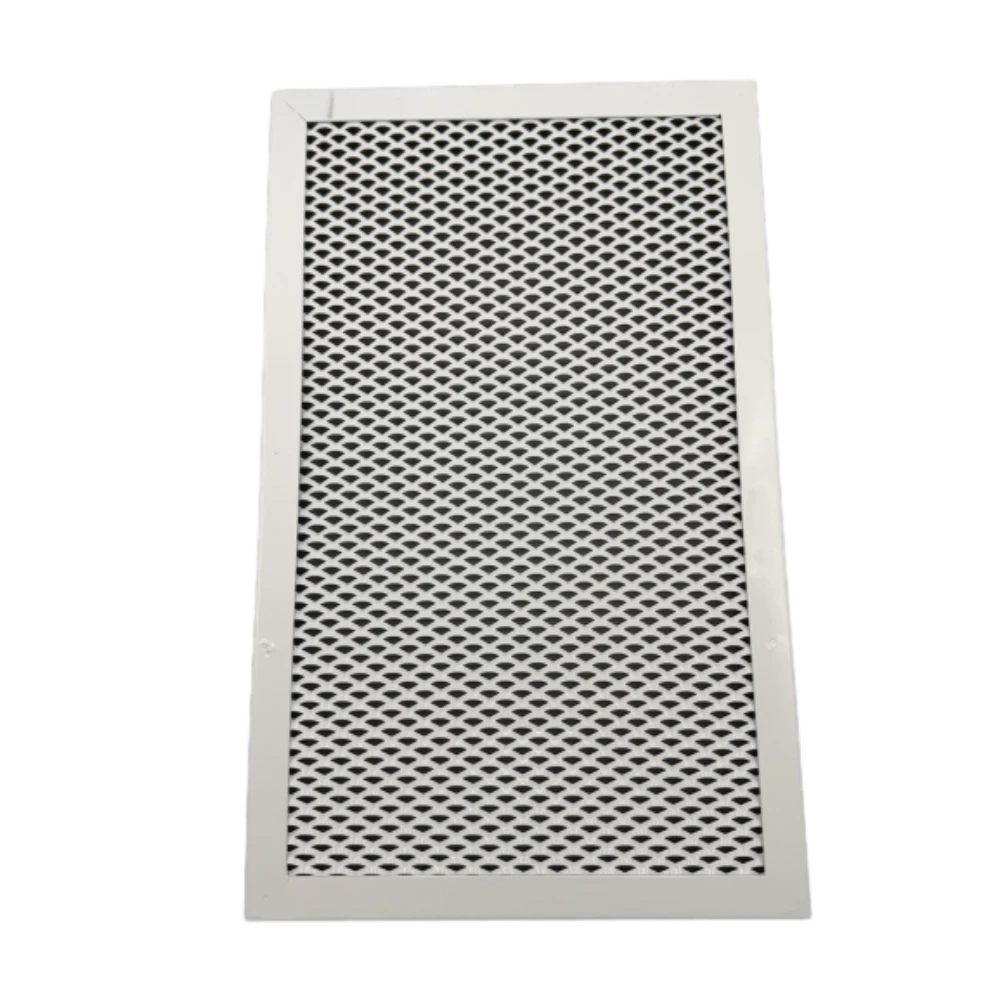
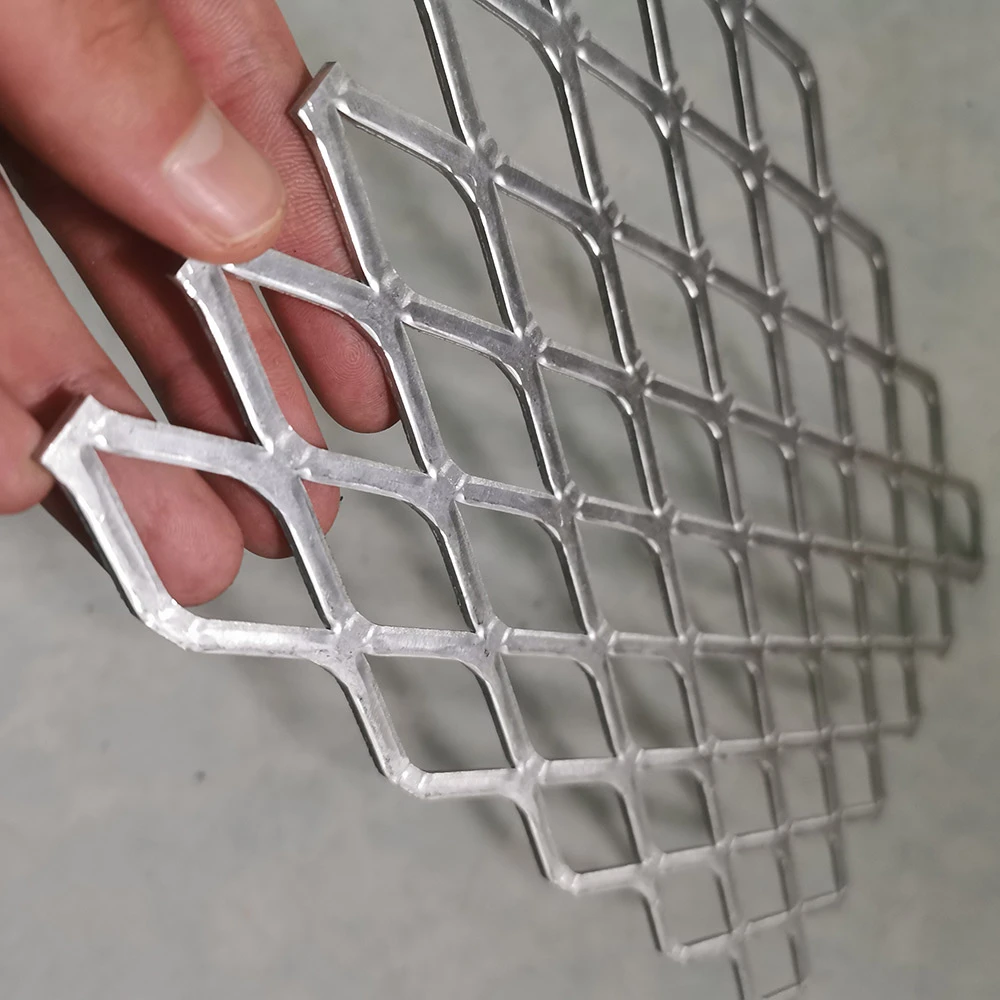
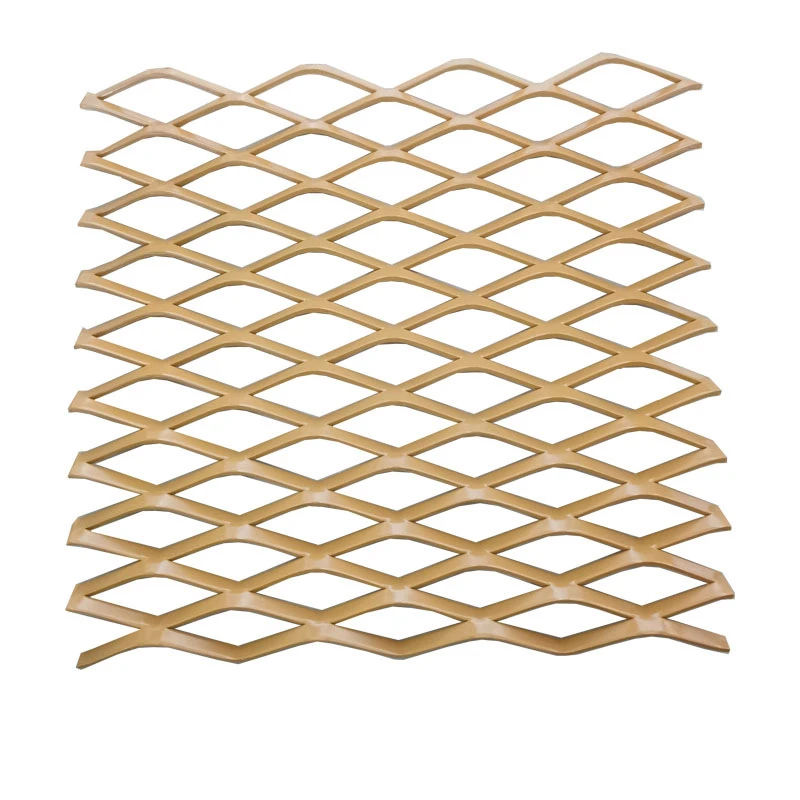
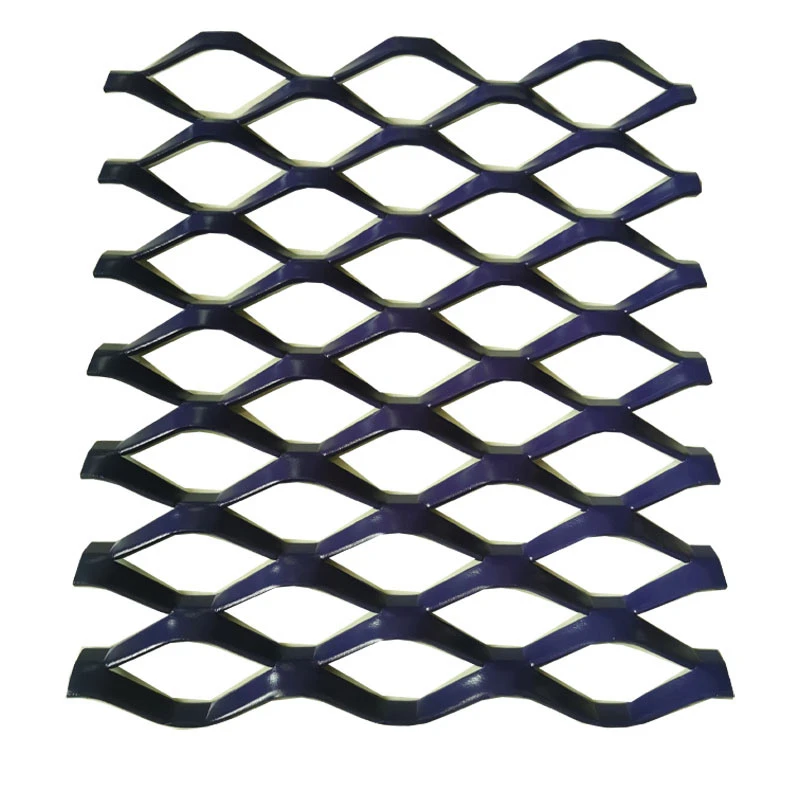
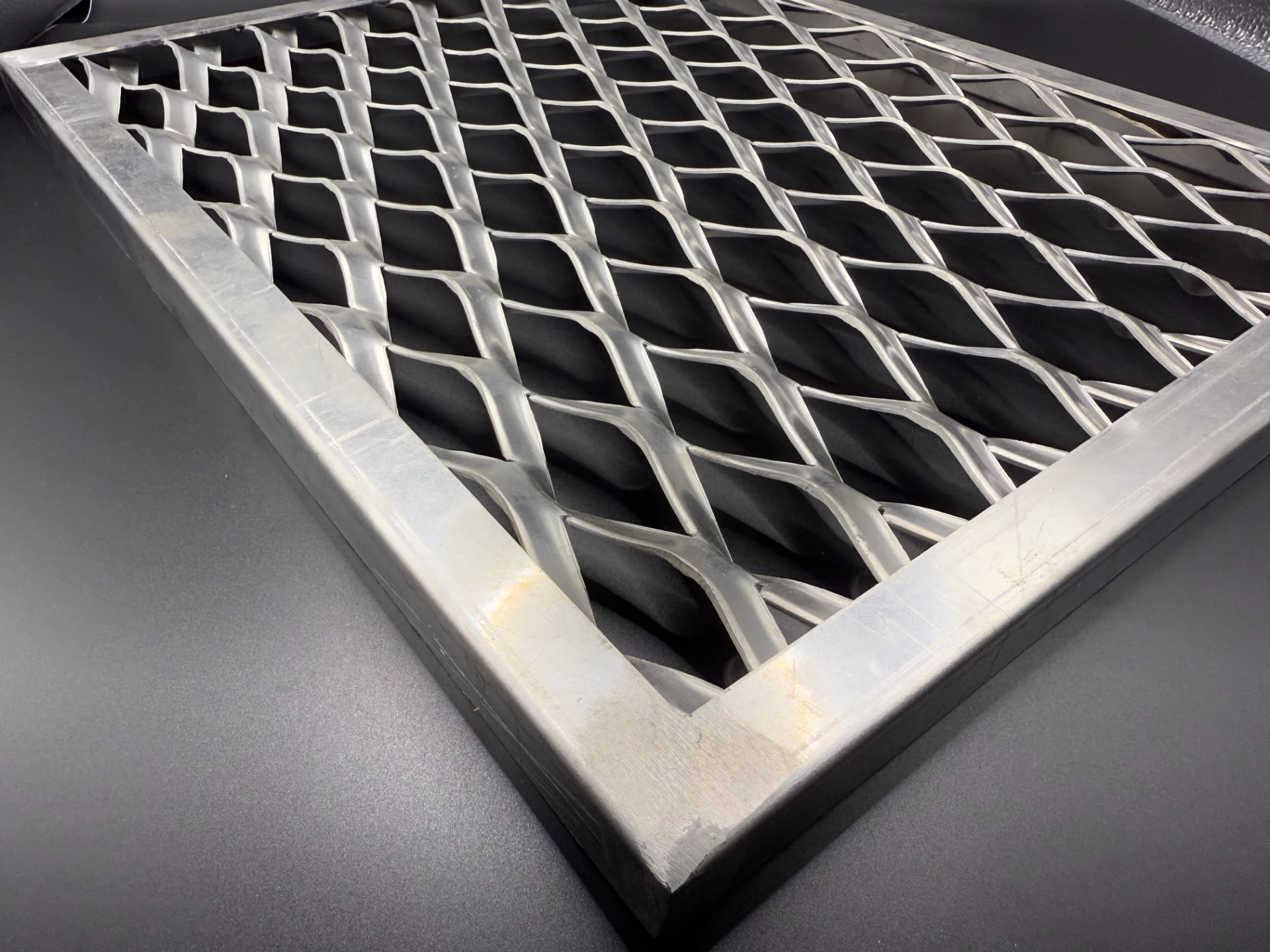
Expanded metal is produced by cutting and stretching a solid sheet of metal to form a mesh with openings, usually diamond- or hexagon-shaped. No material is removed during the process, which means the sheet maintains its original metal integrity while gaining rigidity through the mesh structure. Expanded metal is lightweight, strong, and has excellent load distribution, making it ideal for walkways, fencing, machine guards, decorative panels, and ventilation covers. The open mesh also allows air, light, and fluids to pass through.
2. Extruded Metal
Extruded metal is created by forcing heated metal through a shaped die to produce a continuous profile, such as rods, tubes, or complex structural shapes. This process allows for precise dimensional control and uniformity along the length of the product. Extruded metals are commonly made from aluminum, copper, or plastic-coated metals and are used in applications such as window frames, railings, heat sinks, and structural supports. Extrusion produces solid or hollow profiles with high strength along the length but without the mesh characteristics of expanded metal.
Key Differences
Process: Expanded metal involves cutting and stretching; extruded metal involves pushing metal through a die.
Structure: Expanded metal forms a mesh; extruded metal forms solid or hollow profiles.
Properties: Expanded metal provides rigidity, lightweight strength, and permeability; extruded metal offers uniform cross-sections and high directional strength.
Applications: Expanded metal is used for fencing, walkways, and decorative panels; extruded metal is used for structural components, frames, and specialized profiles.
In summary, expanded metal creates mesh structures from solid sheets, while extruded metal forms continuous profiles through a die. The choice depends on whether the application requires permeable mesh with load distribution or solid, uniform profiles for structural and design purposes.
Expanded metal and perforated metal are two widely used materials in construction, industrial, and architectural applications. Although they may appear similar at first glance, they differ significantly in manufacturing processes, structural properties, and applications. Understanding these differences helps in choosing the right material for a specific project.
1.Manufacturing Process
Expanded metal is produced by slitting and stretching a solid sheet of metal to create a mesh of openings, typically diamond- or hexagon-shaped. No material is removed during this process, which ensures the metal’s integrity is maintained while creating a lightweight, rigid structure.
Perforated metal, on the other hand, is made by punching holes into a solid sheet of metal using mechanical or laser techniques. The holes can be round, square, slotted, or custom-shaped, and their size, pattern, and spacing can be precisely controlled. Unlike expanded metal, perforated metal involves removing material, which slightly reduces the overall strength of the sheet depending on the hole size and pattern.
2.Structural Properties
Expanded metal is inherently stronger than perforated metal for the same gauge because the metal strands remain continuous. The mesh structure distributes stress evenly, making it suitable for load-bearing and heavy-duty applications. Perforated metal is typically less rigid but offers higher precision and aesthetic flexibility due to the ability to create intricate patterns and uniform holes.
3.Applications
Expanded metal is often used for walkways, fencing, machine guards, and grating, where strength, traction, and rigidity are important. Perforated metal is preferred for architectural facades, acoustic panels, ventilation, filtration, and decorative screens, where design, airflow, and light passage are the primary considerations.
დასკვნა
The main differences between expanded and perforated metal lie in production, structural integrity, and purpose. Expanded metal provides strength and rigidity through a stretched mesh, while perforated metal offers design flexibility and precise openings by punching holes. Choosing between them depends on whether the project prioritizes load-bearing capacity or aesthetic and functional design.
Architectural expanded metal has become a popular choice in modern building design due to its combination of strength, versatility, and aesthetic appeal. Unlike traditional solid metal sheets, expanded metal is produced by slitting and stretching metal to form a mesh of diamond- or hexagon-shaped openings. This unique structure provides multiple benefits for architectural and interior design applications.
1. Strength and Durability
One of the primary advantages of architectural expanded metal is its structural strength. The continuous strands of metal in the mesh distribute weight and stress evenly, providing rigidity without adding excessive material. This makes it ideal for facades, stair treads, railings, and protective screens, where strength and durability are critical. The mesh also resists deformation and can withstand heavy loads and environmental stressors.
2.Lightweight and Cost-Effective
Because no material is removed during the expansion process, expanded metal is lighter than perforated or solid metal sheets of the same thickness while maintaining strength. This reduces structural load requirements and can lower installation and material costs. Its lightweight nature makes it easier to handle and install, especially on large-scale projects.
3. Ventilation, Light, and Visibility
The open mesh design of architectural expanded metal allows airflow, light penetration, and visibility while maintaining security and safety. This makes it ideal for ventilated facades, sunshades, screens, and decorative partitions, improving building comfort and energy efficiency without compromising aesthetics.
4. Design Versatility
Architectural expanded metal is available in various metals such as aluminum, stainless steel, or steel, and it can be flattened or raised, coated, or painted to match design requirements. Custom mesh patterns can enhance both functional and visual aspects of a building, offering modern, industrial, or decorative finishes.
5.Low Maintenance and Longevity
Expanded metal is resistant to corrosion, weathering, and wear, especially when treated or coated, making it a long-lasting and low-maintenance option for exterior and interior applications.
In conclusion, architectural expanded metal offers a unique combination of strength, lightweight performance, ventilation, and aesthetic versatility, making it a preferred choice for modern architecture and design projects.
|
მინი შეკვეთის რაოდენობა |
1 ცალი |
|
OEM NO. |
CC-012 |
|
ტიპი |
არქიტექტურული გაფართოებული ლითონი |
|
წარმოშობის ადგილი |
ჰეიბეი, ჩინეთი |
|
შეფუთვა |
მუყაოს ყუთი / ხის პლატა ფოლადის პლატა / წყალგაუმტარი პლასტმასის საფარი |
|
ნიმუში |
გადახდილი |
|
პერსონალიზაციის სერვისი |
დიახ |
|
ხელმისაწვდომი ნედლეული |
ნახშირბადოვანი ფოლადი (Q235, 195, 195L, SPHC) უჟანგავი ფოლადი (304, 316, 316 ლ) |
|
ზედაპირის დამუშავება |
გალვანზირებული / ფხვნილის საფარი / ანოდირება / გასაპრიალებელი / ფტორნახშირბადის PVDF |
|
Powder Coating / Fluorocarbon PVDF Standard (AkzoNobel, PPG Industries, Jotun etc) |
AAMA2604 სტანდარტი (გარანტია 10 წელი) AAMA2605 სტანდარტი (გარანტია 15 წელი) AAMA2606 სტანდარტი (გარანტია 20 წელი) |
|
ცხელი გალვანური სტანდარტი |
თუთია 50 გ (3-5 წელი) (თუთია 100 გ (5-8 წელი) >Zinc 250g (15 Year+) |
|
ვიდეოს წარმოება |
|
|
FAQ |
როგორ ავირჩიოთ სპეციფიკაცია? შეარჩიეთ მასალა და ხვრელის ზომა დატვირთვის, გარემოს (როგორიცაა კოროზიულობის) და გამოყენების მიხედვით.
რა რეჟიმია ალუმინის საერთო ნედლეული? 1060 ალუმინი გავრცელებულია
გაქვთ AFTER-SERVICE? დიახ, თუ საქონელი კითხვის ნიშნის ქვეშ დგას, ჩვენ ვიფრენთ თქვენი კომპანიის ან პროექტის ზონის მოსანახულებლად. |
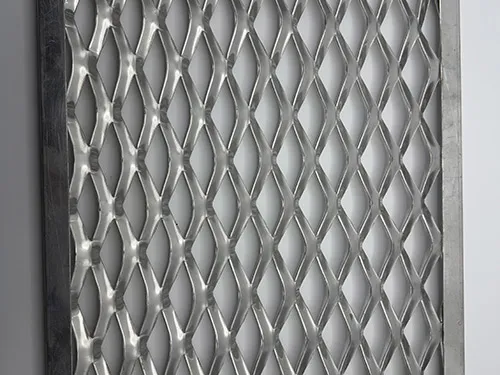
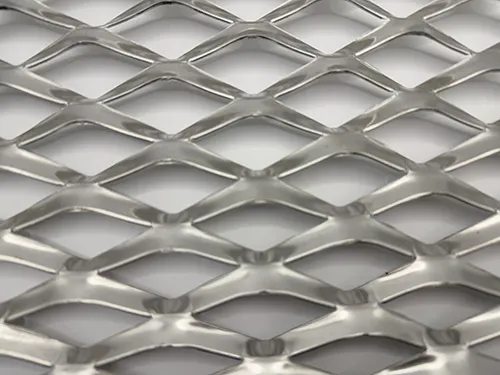
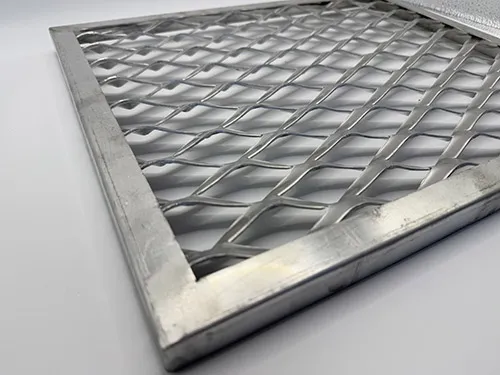
Facade Cladding and Building Envelopes
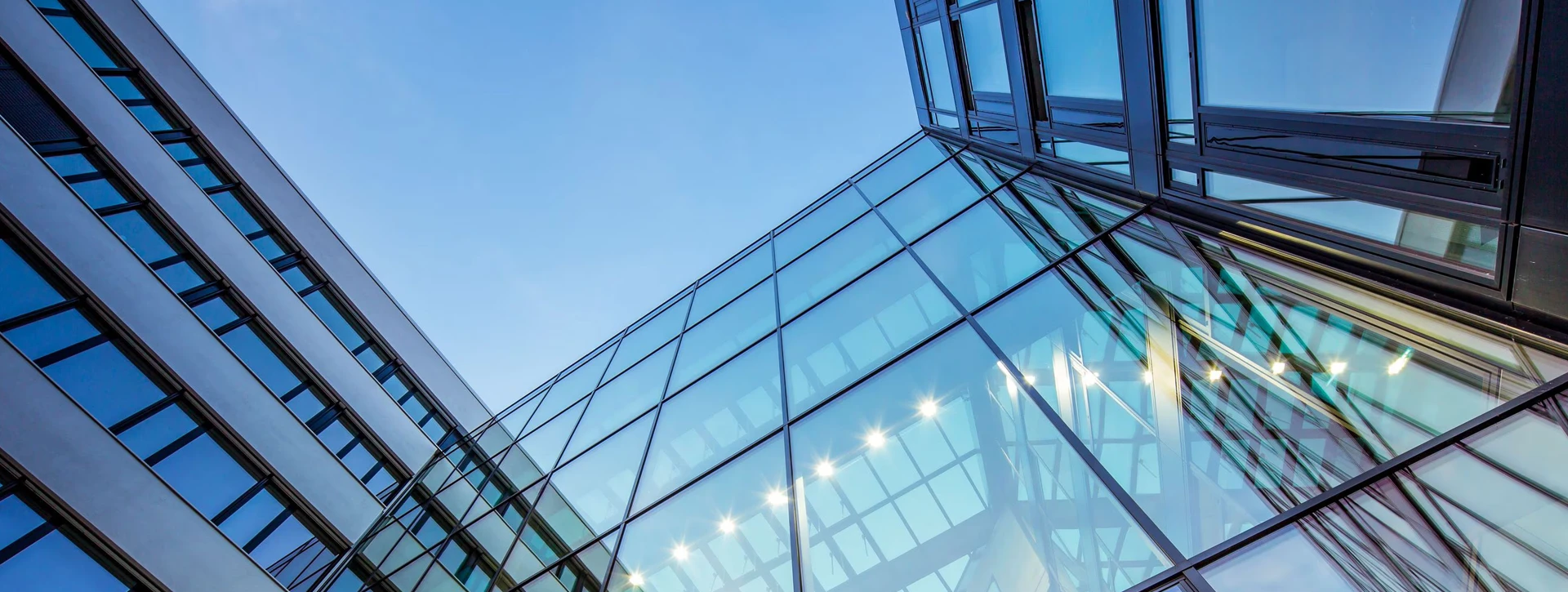
Architectural expanded metal is a popular material for modern building facades and exterior cladding. It offers a unique combination of aesthetic appeal, ventilation, light filtration, and sun shading, while also providing durability and weather resistance. Its ability to be formed into custom patterns and shapes makes it ideal for creative architectural designs, enhancing both form and function of commercial and residential buildings.
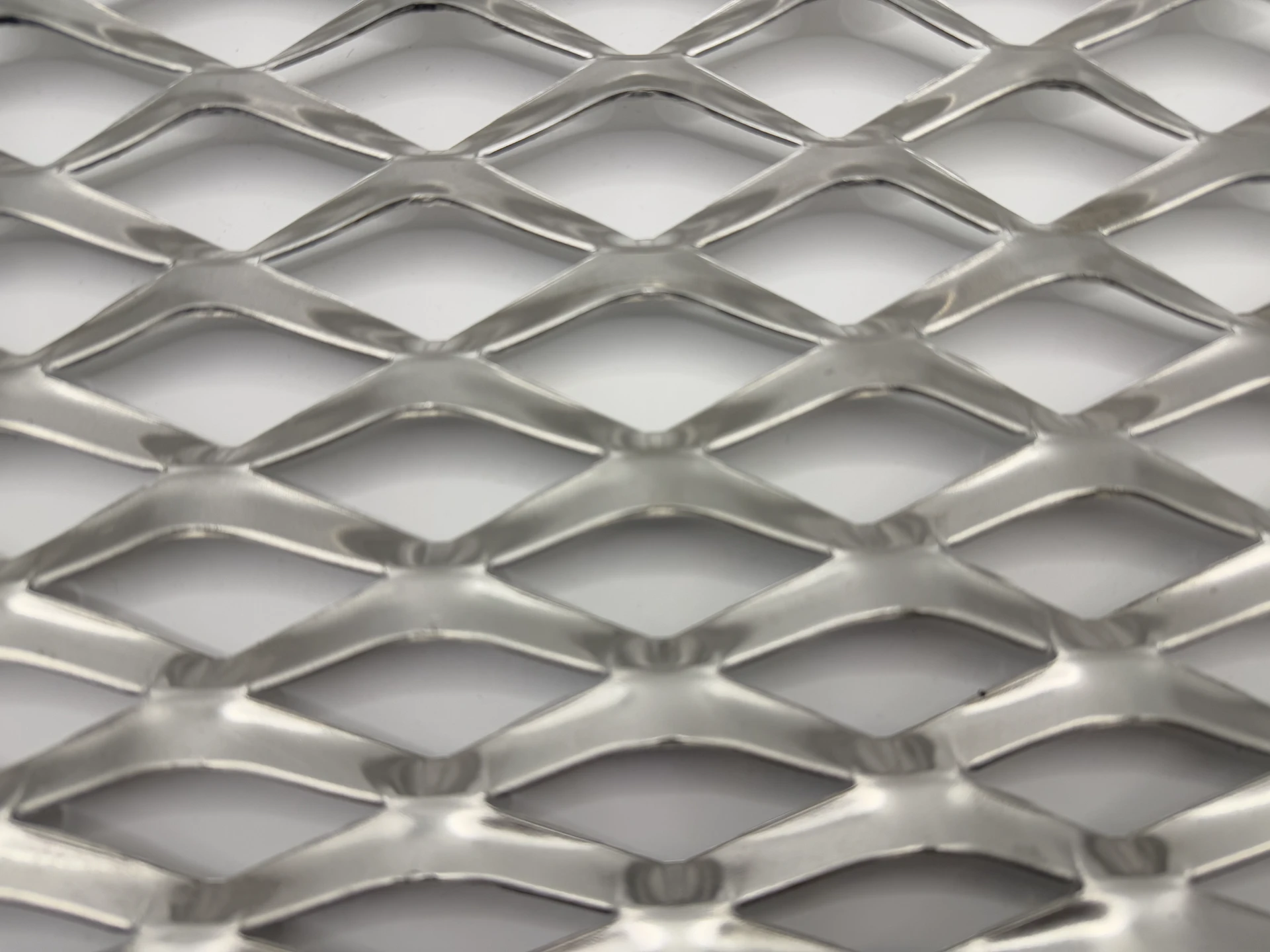
Interior Design and Partitioning
In interior architecture, expanded metal is used for decorative panels, room dividers, ceiling elements, and stair railings. Its semi-transparent quality adds texture and depth while maintaining airflow and visual openness. Available in various mesh patterns, finishes, and materials, architectural expanded metal brings a contemporary and industrial aesthetic to lobbies, retail spaces, offices, and exhibition areas.



![$item[alt]](https://images.exportstart.com/images/a1393/cc-7691.webp "$item[title]")