
პროდუქტის აღწერა
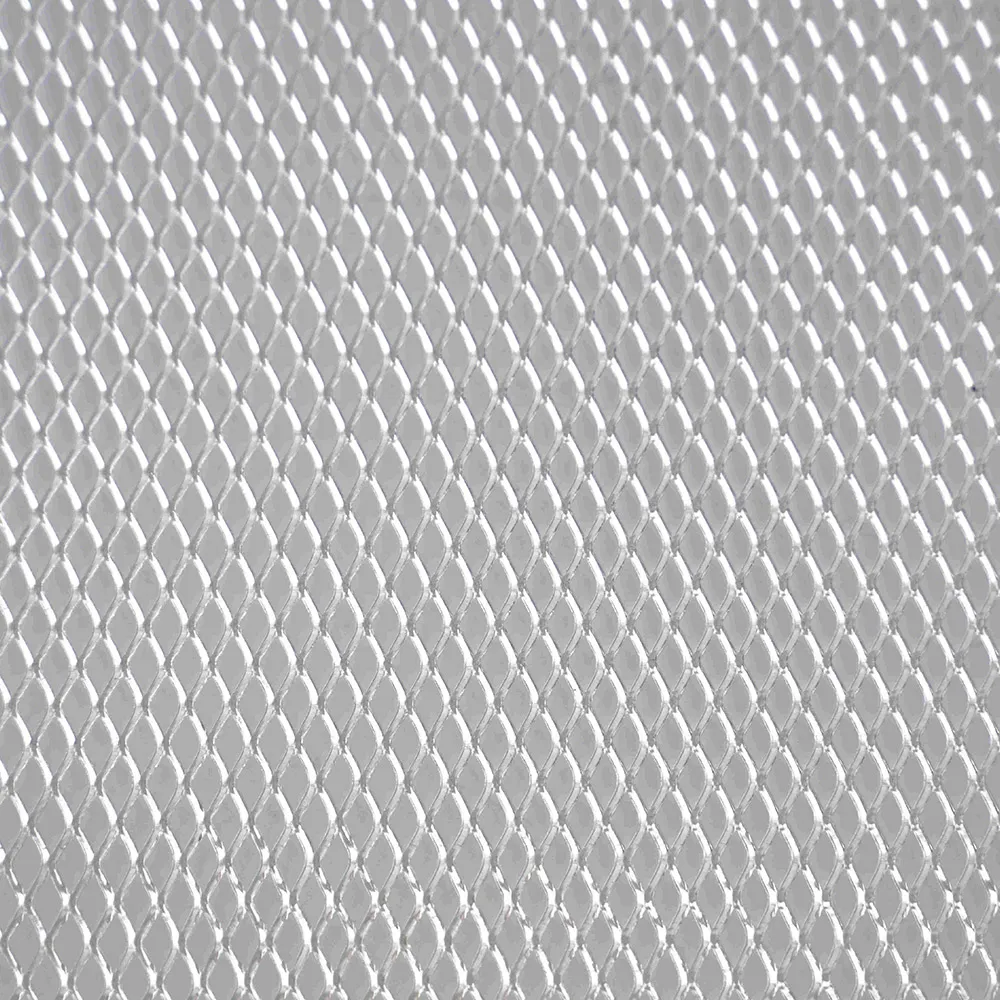
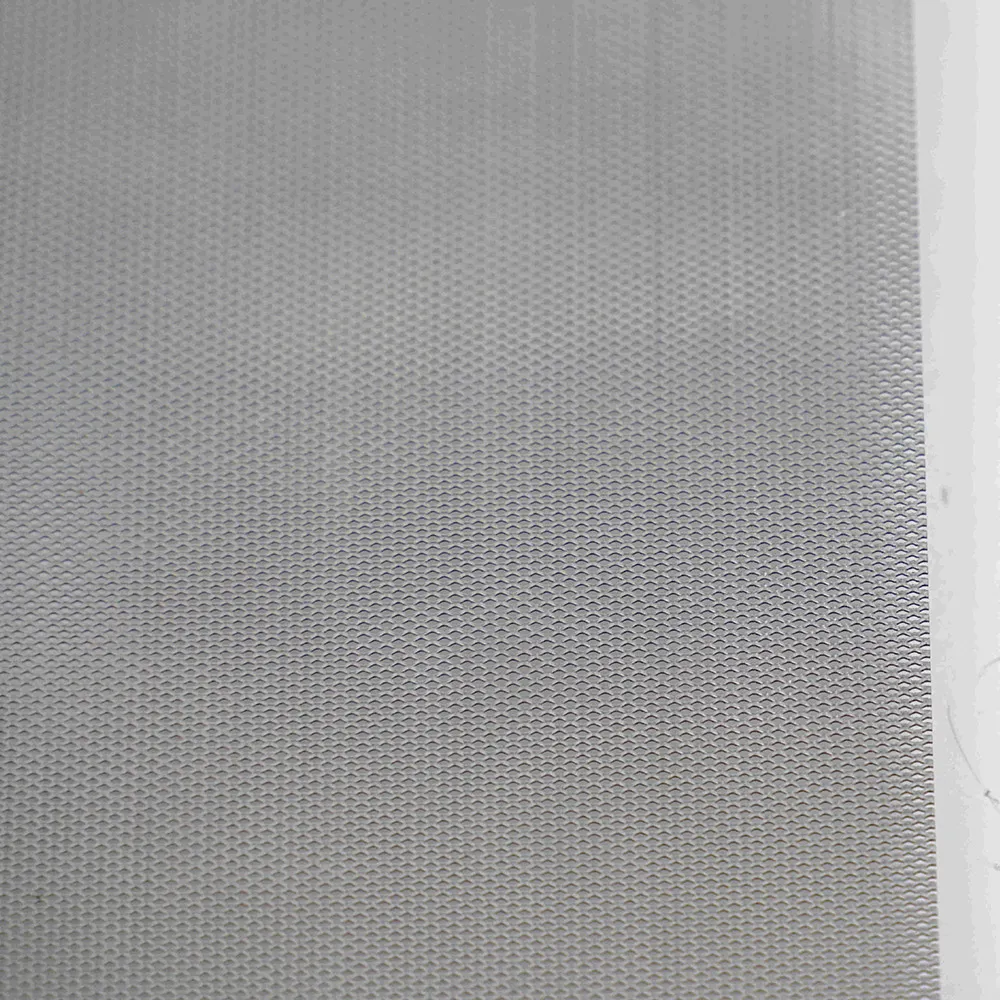
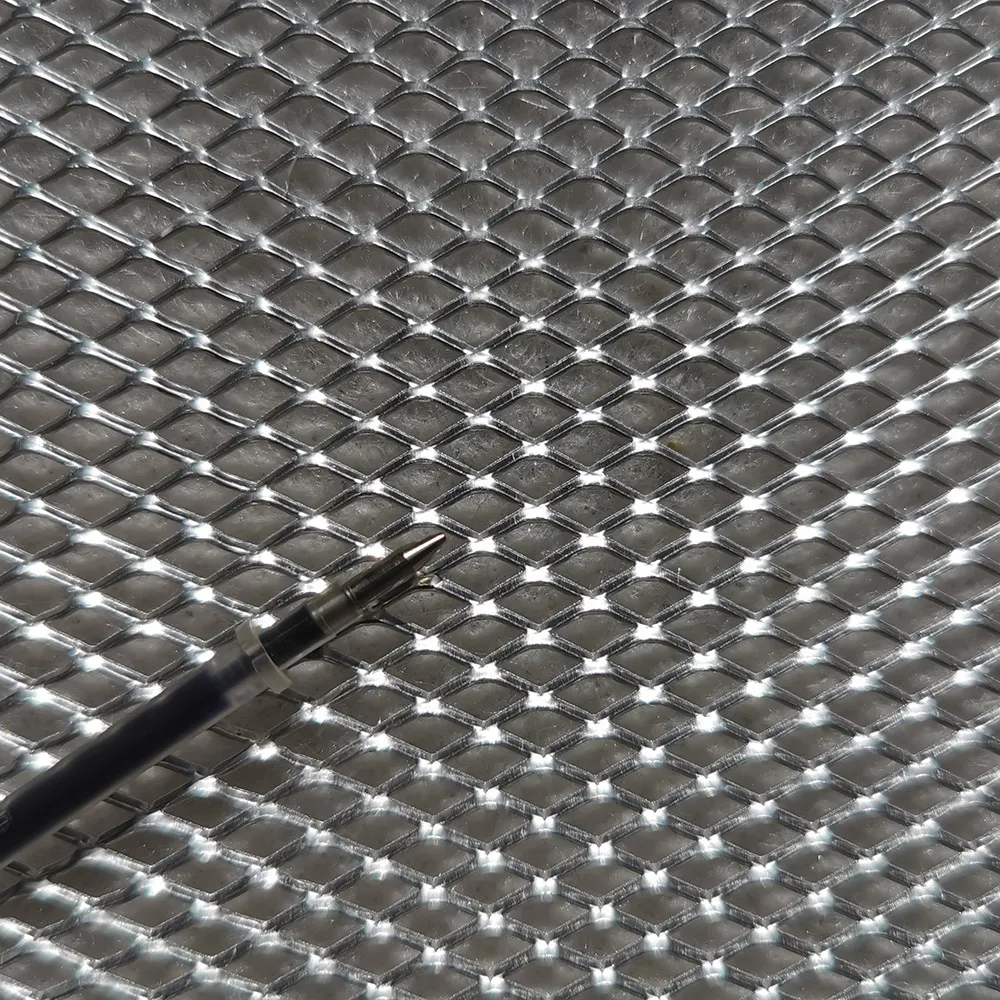
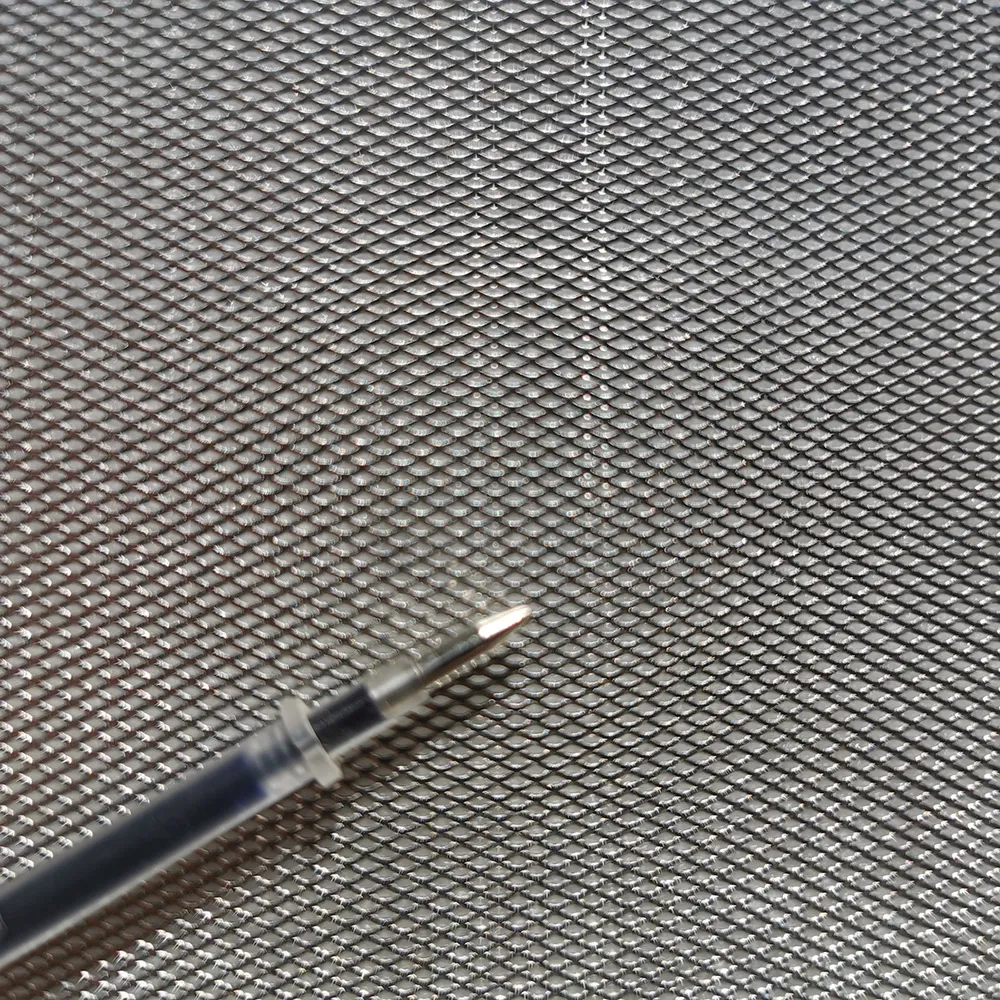
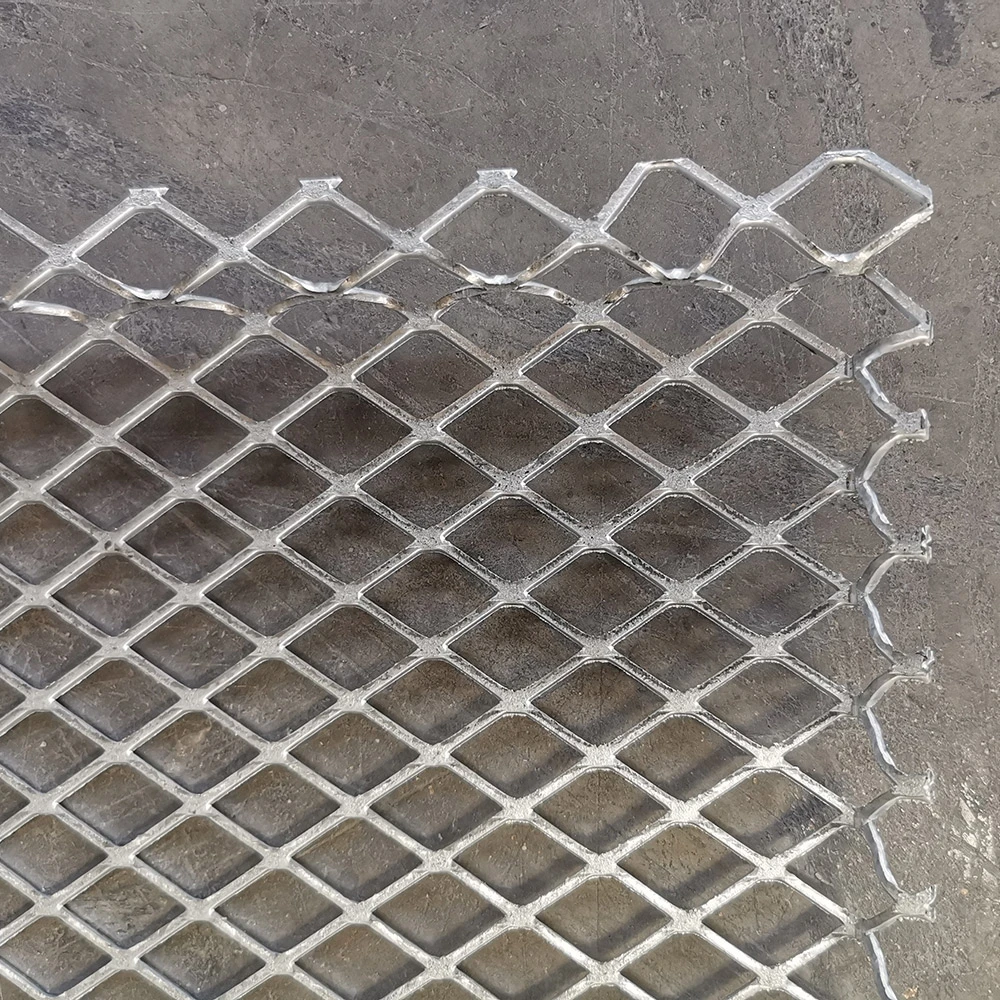
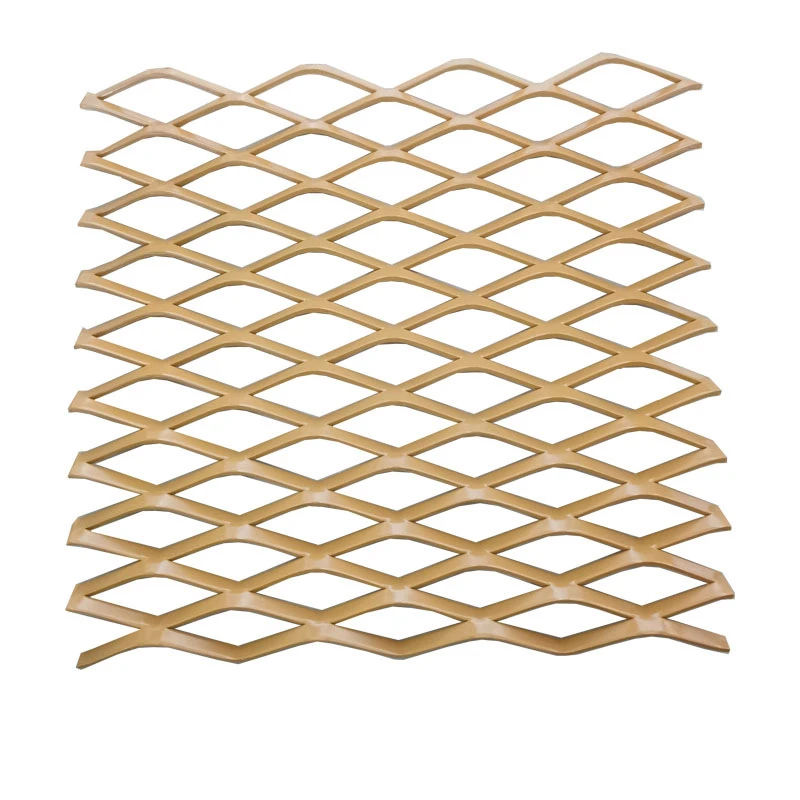
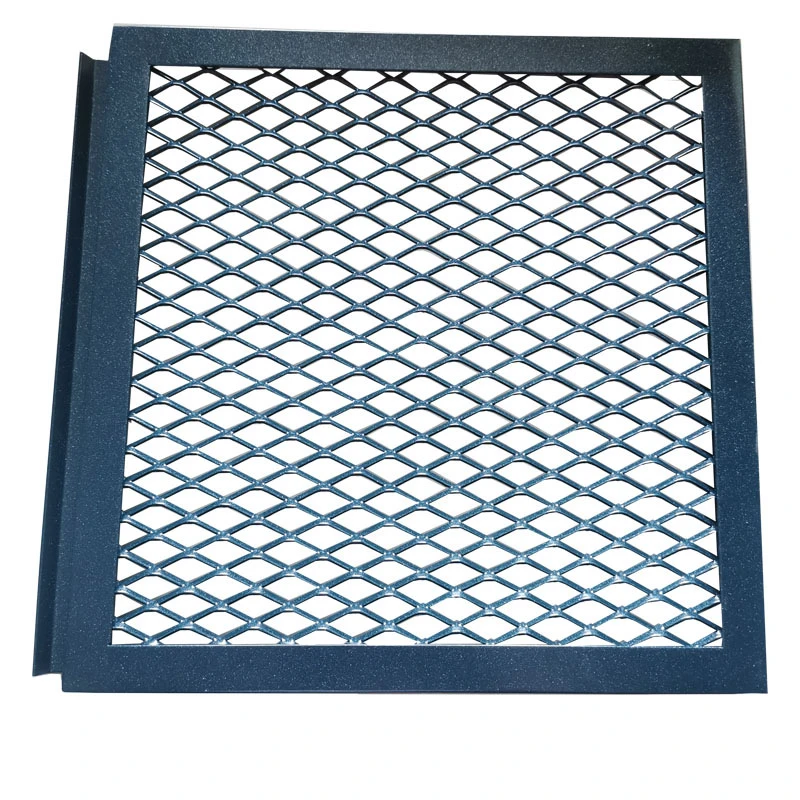
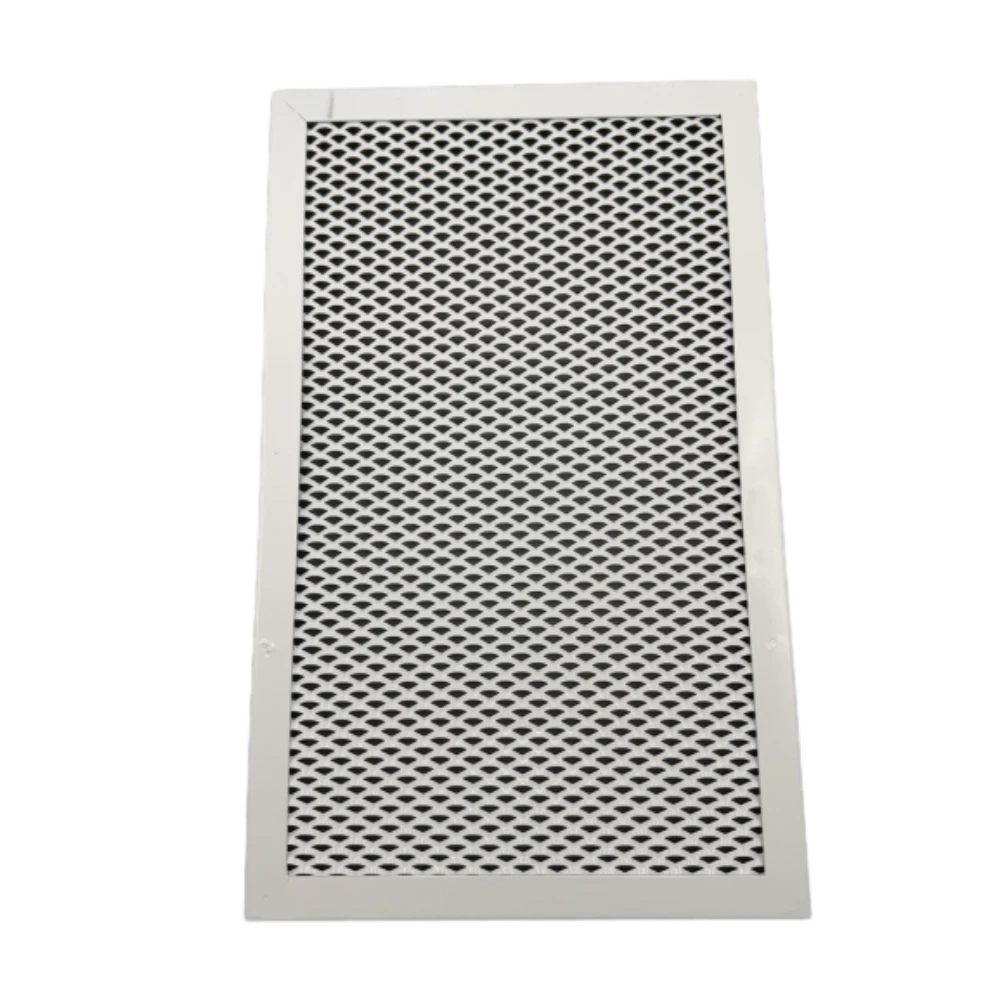
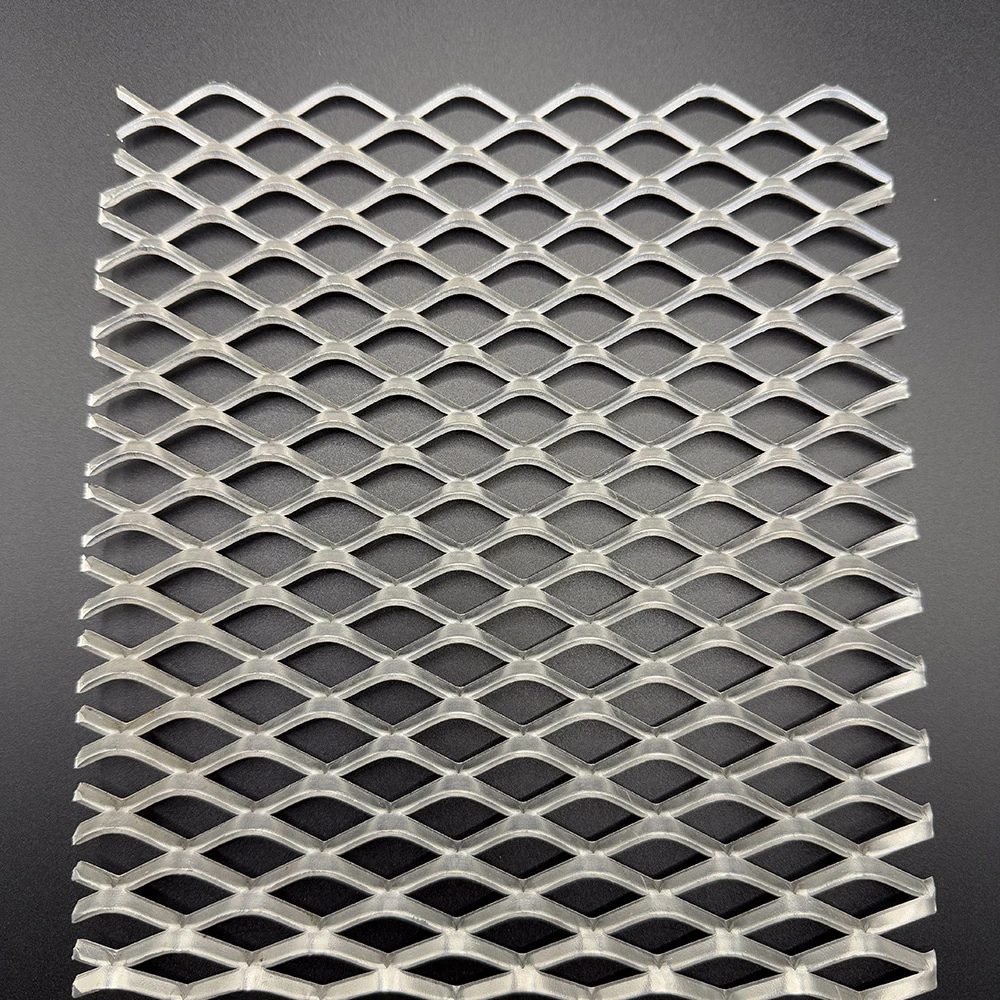
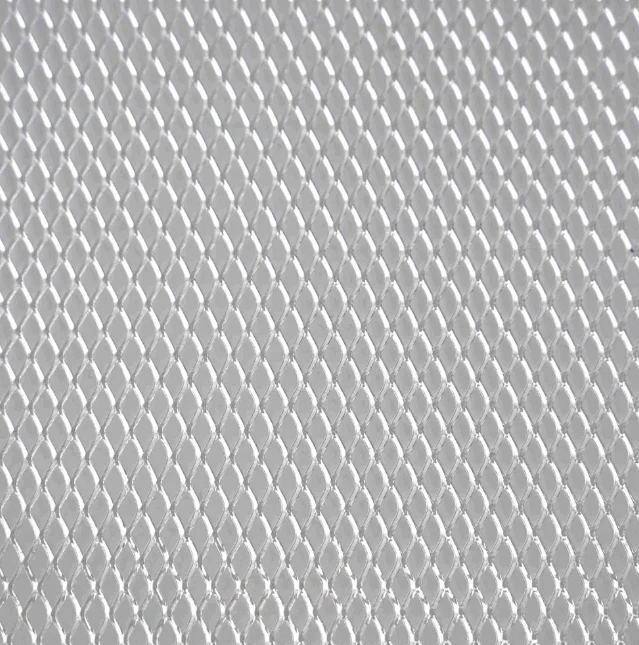
Micro expanded metal is a specialized type of expanded metal with extremely small openings, typically less than 1 mm in size. Its fine mesh structure provides a unique combination of strength, light weight, and filtration capability, making it suitable for a variety of industrial, architectural, and technical applications.
One of the most common uses of micro expanded metal is in filtration and screening. Its tiny openings allow for the passage of air, liquids, or light while blocking larger particles, making it ideal for air filters, water filtration systems, and chemical processing equipment. The high surface area and uniform mesh structure also enhance filtration efficiency and longevity compared to traditional perforated sheets.
Micro expanded metal is also widely used in electronic and electrical applications. Its fine mesh can serve as EMI/RFI shielding, preventing electromagnetic interference in sensitive electronic devices. Additionally, it is used in battery grids, electrodes, and other precision components where lightweight, conductive, and structurally stable metal is required.
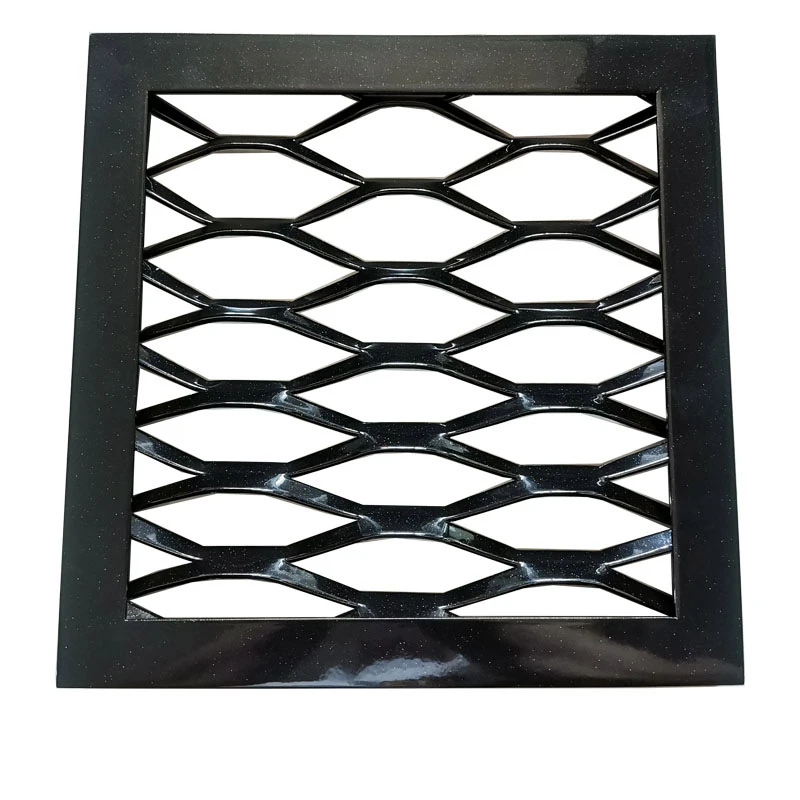
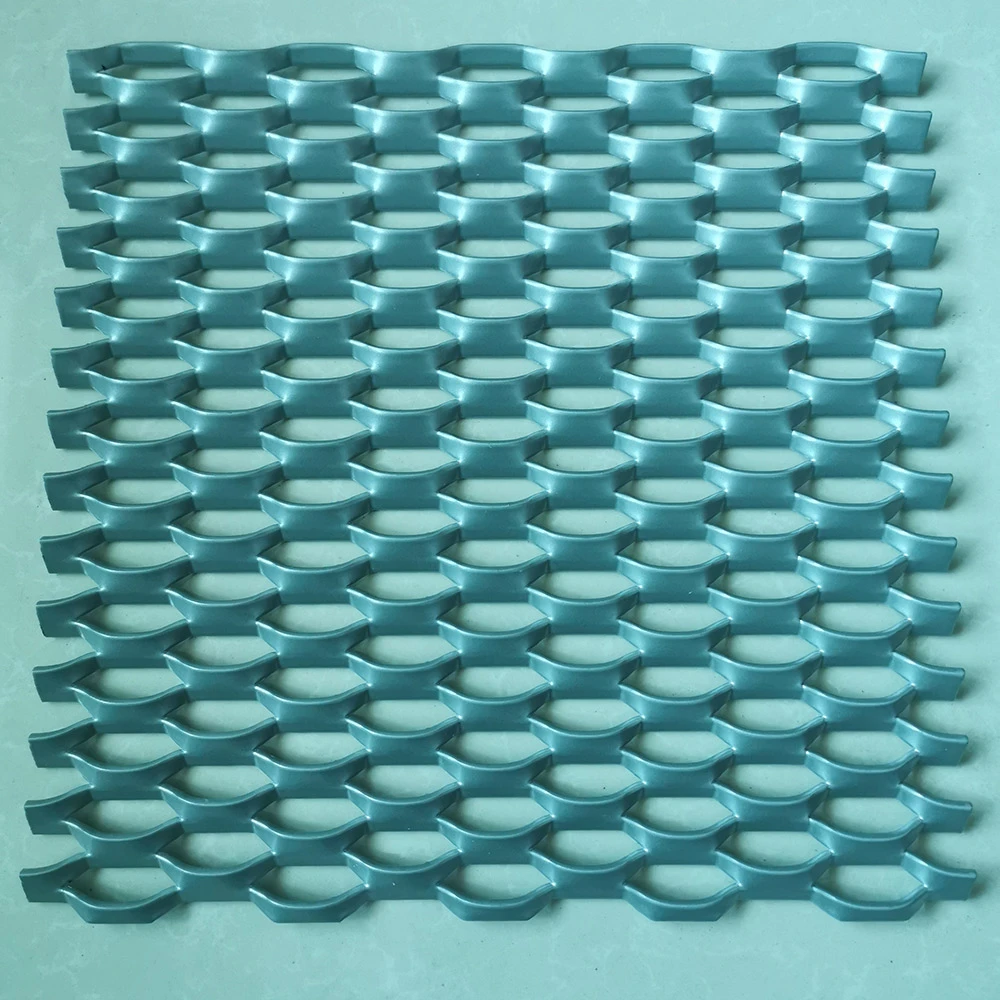
In the architectural and decorative sectors, micro expanded metal offers aesthetic appeal along with functionality. It can be used in interior partitions, ceiling panels, sunshades, and facades, providing a modern look while allowing airflow and light diffusion. Its fine texture creates a sleek, high-end appearance suitable for commercial and residential design projects.
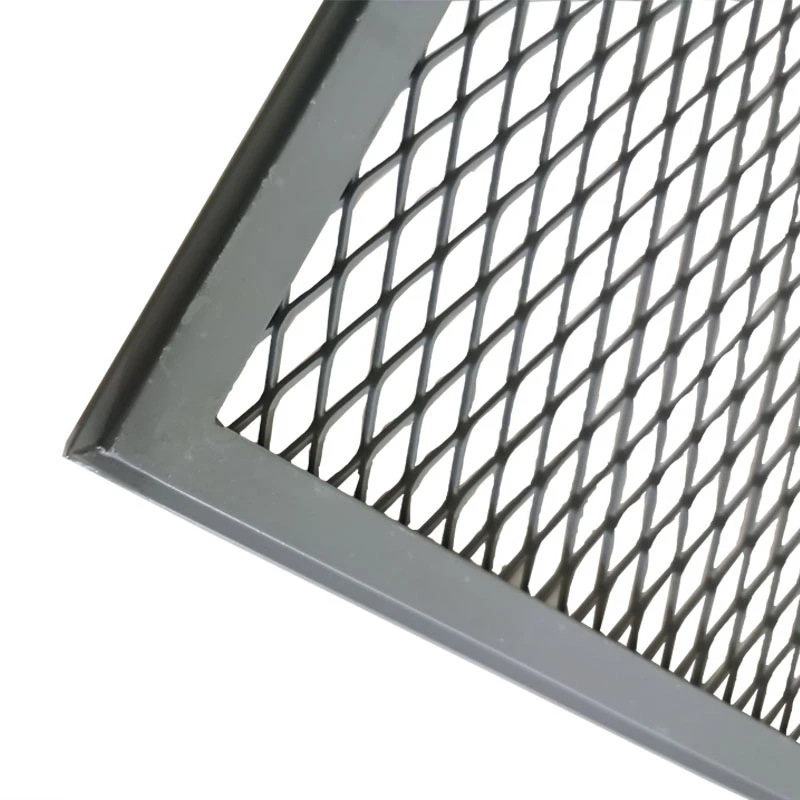
Other industrial applications include protective screens, speaker grilles, and safety guards. The fine mesh protects delicate equipment from debris while maintaining visibility and airflow. Materials commonly used include stainless steel, aluminum, and other corrosion-resistant metals, ensuring durability even in harsh environments.
In summary, micro expanded metal is used in filtration, electronic shielding, architectural decoration, and protective applications. Its combination of fine mesh, strength, and lightweight properties makes it a versatile solution for industries requiring both precision and durability, bridging the gap between functional performance and design flexibility.
Expanded metal is a versatile material widely used in industrial, architectural, and decorative applications. Among its variations, micro expanded metal and standard expanded metal differ significantly in terms of structure, functionality, and application. Understanding these differences is important for selecting the right material for a project.
1.Mesh Size and Openings
The most obvious difference is the size of the openings. Micro expanded metal has extremely small openings, usually less than 1 mm, whereas standard expanded metal features larger openings, often several millimeters to centimeters across. The tiny mesh of micro expanded metal allows for fine filtration, light diffusion, and precise protection, while standard expanded metal is better suited for structural support, ventilation, and general industrial use.
2.Strength and Rigidity
Standard expanded metal tends to be stronger in terms of load-bearing capacity because of its thicker strands and larger mesh. Micro expanded metal, while still strong for its size, is typically thinner and more delicate, making it ideal for applications that require lightweight, fine-mesh material rather than heavy-duty structural support.
3.Applications
The applications of each type differ based on their physical characteristics. Micro expanded metal is commonly used in filtration systems, electronic shielding (EMI/RFI), precision instruments, and decorative architectural panels, where fine mesh and detailed patterning are required. Standard expanded metal is more suitable for walkways, fencing, machine guards, grilles, and industrial platforms, where strength and rigidity are essential.
4.Fabrication and Materials
Both types can be made from steel, aluminum, stainless steel, or other alloys, but micro expanded metal requires more precise manufacturing to achieve uniform tiny openings. This precision adds complexity and cost but provides high-performance characteristics for specialized applications.
In summary, micro expanded metal differs from standard expanded metal primarily in mesh size, strength, and application. Micro expanded metal excels in precision, filtration, and lightweight applications, while standard expanded metal is better for structural and industrial uses. Selecting the appropriate type depends on the project’s functional and aesthetic requirements.
Micro expanded metal is a high-precision material characterized by extremely small openings, typically less than 1 mm, which provide a combination of strength, lightweight properties, and filtration capability. The choice of material is critical because it affects durability, corrosion resistance, conductivity, and overall performance, making micro expanded metal suitable for a wide range of industrial, architectural, and technical applications.
1.Stainless Steel
Stainless steel is one of the most common materials used for micro expanded metal. It offers excellent corrosion resistance, strength, and durability, making it ideal for applications exposed to moisture, chemicals, or harsh environments. Stainless steel micro expanded metal is frequently used in filtration systems, protective screens, architectural facades, and industrial equipment, where long-term reliability and structural integrity are essential.
2.Aluminum
Aluminum is a lightweight, corrosion-resistant metal that is easy to fabricate and handle. Micro expanded aluminum is commonly used in applications where weight reduction is important, such as in air conditioning grilles, ceiling panels, decorative screens, and lightweight protective barriers. Aluminum panels can also be anodized or powder-coated to enhance aesthetics and provide additional corrosion protection.
3.Copper and Brass
Copper and brass are chosen primarily for their decorative and conductive properties. Copper micro expanded metal is often used in electrical applications, EMI/RFI shielding, and artistic installations, while brass provides an appealing aesthetic for decorative panels, furniture, or architectural accents. Both metals develop a natural patina over time, adding a unique visual characteristic.
4.Other Alloys
In specialized applications, micro expanded metal can be made from nickel, titanium, or other high-performance alloys, which offer enhanced corrosion resistance, heat tolerance, and mechanical strength for precision equipment, aerospace components, and high-end architectural designs.
In summary, micro expanded metal is typically manufactured from stainless steel, aluminum, copper, brass, and specialized alloys, with the choice of material depending on strength requirements, environmental exposure, conductivity, weight considerations, and aesthetic goals. Selecting the appropriate material ensures optimal performance, durability, and visual appeal for each application.
|
მინი შეკვეთის რაოდენობა |
1 ცალი |
|
OEM NO. |
CC-013 |
|
ტიპი |
მიკრო გაფართოებული ლითონი |
|
წარმოშობის ადგილი |
ჰეიბეი, ჩინეთი |
|
შეფუთვა |
მუყაოს ყუთი / ხის პლატა ფოლადის პლატა / წყალგაუმტარი პლასტმასის საფარი |
|
ნიმუში |
გადახდილი |
|
პერსონალიზაციის სერვისი |
დიახ |
|
ხელმისაწვდომი ნედლეული |
ნახშირბადოვანი ფოლადი (Q235, 195, 195L, SPHC) უჟანგავი ფოლადი (304, 316, 316 ლ) |
|
ზედაპირის დამუშავება |
გალვანზირებული / ფხვნილის საფარი / ანოდირება / გასაპრიალებელი / ფტორნახშირბადის PVDF |
|
ვიდეოს წარმოება |
|
|
FAQ |
რამდენი ხვრელის ზომაა ხელმისაწვდომი? როგორიცაა 2x3 მმ, 3x6 მმ, 4x8 მმ, 5x10 მმ, 7x12 მმ, 8x16 მმ, 10x20 მმ, 12x25 მმ, 15x30 მმ |
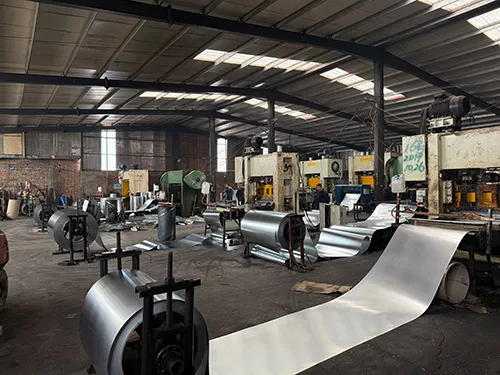
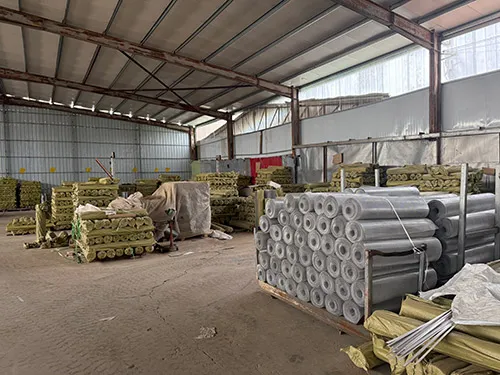
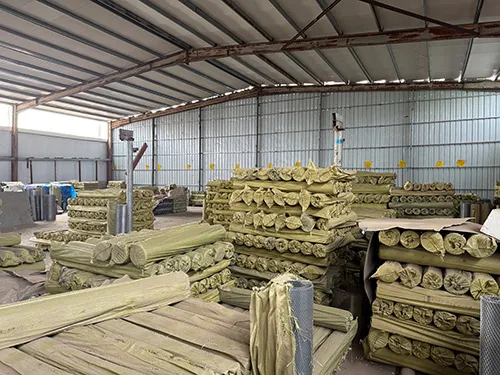
Filtration and Separation Industry
Micro expanded metal is widely used as a supporting mesh in filtration systems, including air filters, oil filters, and water purification units. Its precise, uniform openings provide excellent structural support for filter media while allowing smooth airflow or liquid flow. The mesh is resistant to corrosion and pressure, making it ideal for industrial filtration, especially in automotive, chemical, and HVAC applications.
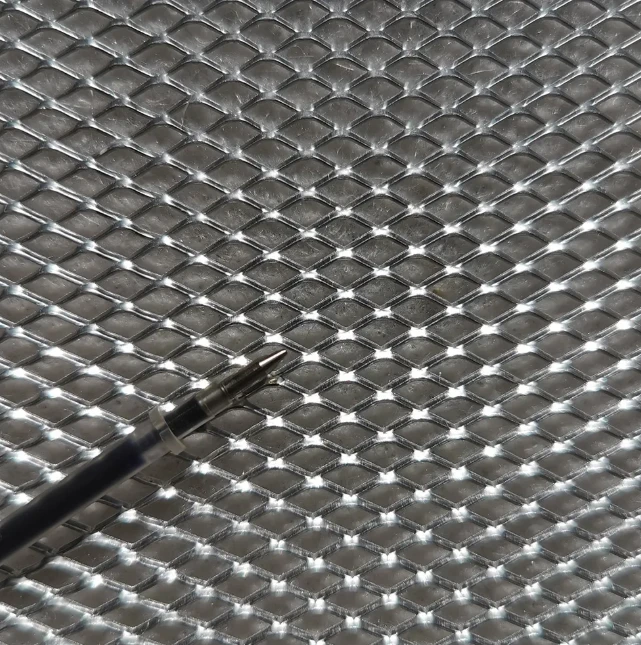
Electronics and EMI Shielding
In the electronics industry, micro expanded metal is used for EMI/RFI shielding, grounding, and ventilation. Its lightweight, conductive, and durable structure allows it to block electromagnetic interference while maintaining airflow in sensitive devices. It is commonly applied in enclosures, circuit protection, communication equipment, and precision electronic assemblies.



![$item[alt]](https://images.exportstart.com/images/a1393/cc-7691.webp "$item[title]")