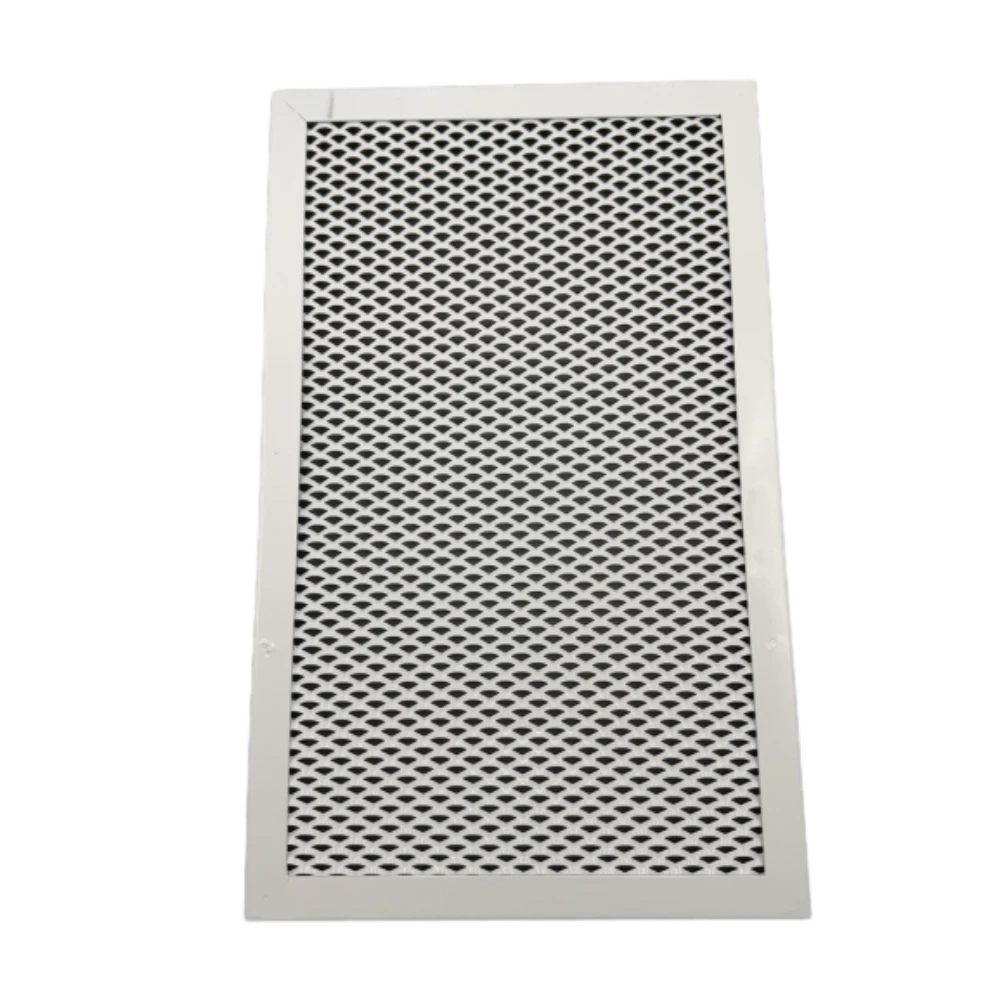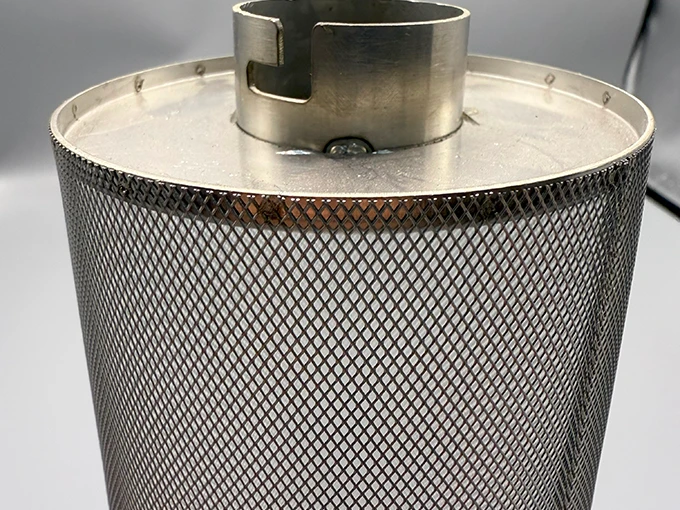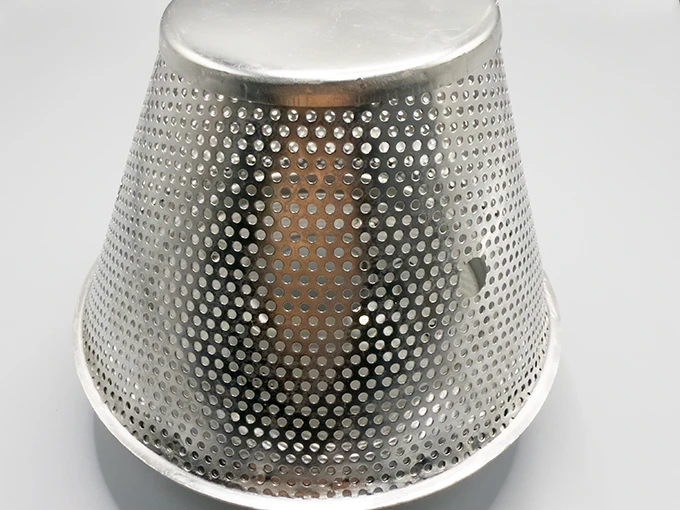

10 Gauge Expanded Metal is a key solution in the industry, specifically within manufacturing, construction, and materials handling sectors. This article explores how https://www.ccmetalmesh.com supports professionals with durable, high-performance products, and explains why this product is an ideal choice for businesses in these sectors.
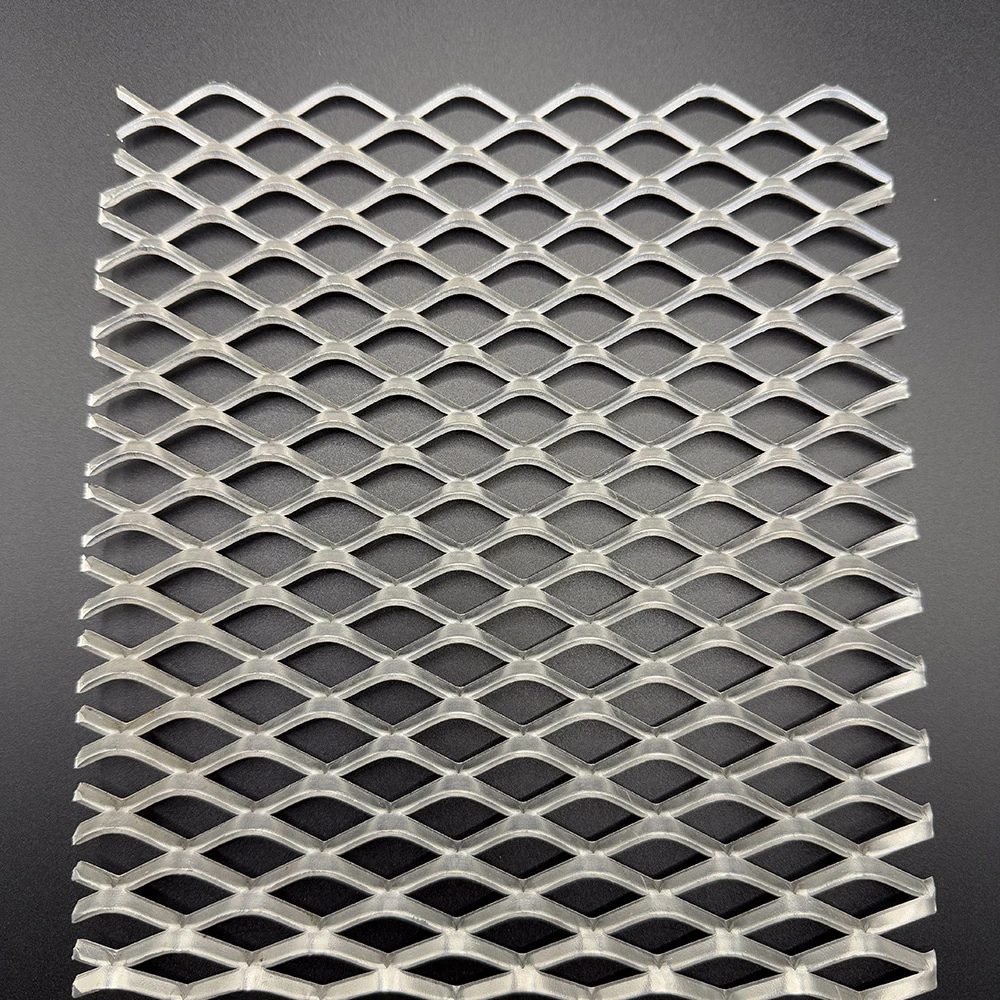
At its core, 10 Gauge Expanded Metal describes metal sheets that have been slit and stretched to form a mesh. But why 10 gauge? That number references the thickness—roughly 0.1345 inches or 3.4 mm—striking a balance between strength and flexibility. It’s this thickness that makes 10 Gauge Expanded Metal a go-to for many industry pros needing reliable, heavy-duty mesh.
Technically, this material often uses steel, stainless steel, or aluminum, offering various finishes like galvanized or powder-coated surfaces. An interesting tidbit is that the mesh’s diamond-shaped openings take advantage of directional strength, distributing load evenly without compromising airflow or visibility. One case study of a conveyor system retrofit saw performance improve 15%—thanks chiefly to mesh durability and reduced maintenance downtime.
| Specification | Detail |
|---|---|
| Material | Carbon Steel, Stainless Steel, Aluminum |
| Gauge Thickness | 10 Gauge (approx. 0.1345 inches / 3.4 mm) |
| Mesh Opening | Diamond-shaped, sizes vary by order |
| Finish | Galvanized, Powder Coated, Plain |
| Common Uses | Shelving, Fencing, Walkways, Machine Guards |
Industries from industrial manufacturing to architectural design lean heavily on the dependable traits of 10 Gauge Expanded Metal. Why? Because it melds strength with surprising lightness. Many engineers say it’s that “sweet spot” that allows safer walkways or ventilation guards without overburdening the structure.
Its use cases are quite fascinating — we've seen everything from heavy-duty conveyor guards in factories to secure fencing around sensitive equipment. The open mesh design resists clogging and supports airflow, while the inherent rigidity prevents deformation under impact. Compared to welded wire mesh, 10 Gauge Expanded Metal is easier to install with fewer weld points, reducing the chances of a weak spot.
Companies often cite CC Metal Mesh for its customization options — whether you want special coatings for corrosive environments or unique mesh sizes to optimize filtration. Oddly enough, this versatility is a big part of why it’s staying relevant even as new synthetic alternatives pop up.
When you tally up the total cost of ownership, 10 Gauge Expanded Metal tends to come out ahead. Durable steel mesh means fewer replacements, and fewer repairs, translating to less downtime. It’s that simple. Many procurement managers have told me this cuts overhead costs significantly over a 5-year span.
Maintenance? Surprisingly minimal. A quick pressure wash or occasional re-coating is typically enough. Field technicians report that mesh from CC Metal Mesh rarely shows cracking or warping even in harsh outdoor conditions. Its design also improves safety — no sharp edges like with chain link fences.
From the user perspective, installation is straightforward — panels can be cut onsite and shaped without heavy tools. Feedback often highlights how this practical factor, combined with the product’s longevity, gives it a solid return on investment.
Sustainability isn’t just a buzzword in metal industries anymore — it’s a mandate. 10 Gauge Expanded Metal, especially when sourced from recycled steel, fits nicely within circular economy initiatives. The metal is 100% recyclable, and suppliers like CC Metal Mesh emphasize environmentally responsible production methods.
The market trends reflect a steady growth in demand, driven by infrastructure projects and increasingly strict safety regulations across manufacturing and construction. Plus, regulations favor materials with transparent sourcing and better lifespan, which plays well for expanded metal meshes.
Interestingly, some clients have started combining 10 Gauge Expanded Metal with sensor technology for smarter monitoring solutions — a niche but growing area that shows how versatile this mesh can be going forward.
| Supplier | Material Quality | Customization Options | Lead Time | Price Competitiveness |
|---|---|---|---|---|
| CC Metal Mesh | High-grade steel, certified | Wide range, including coatings & sizes | 2–3 weeks | Competitive |
| Competitor A | Standard steel | Limited | 4–6 weeks | Moderate |
| Competitor B | Mixed grades | Some options | 3–5 weeks | Higher |
To sum it up, 10 Gauge Expanded Metal is a rugged, adaptable solution trusted by B2B decision makers who need dependable performance without fuss. CC Metal Mesh’s offerings stand out for their material quality and customization options, making them hard to beat in today's market. For any operation where strength and airflow matter, it’s worth a hard look.



![$item[alt]](https://images.exportstart.com/images/a1393/cc-7691.webp "$item[title]")