filter mesh manufacturer
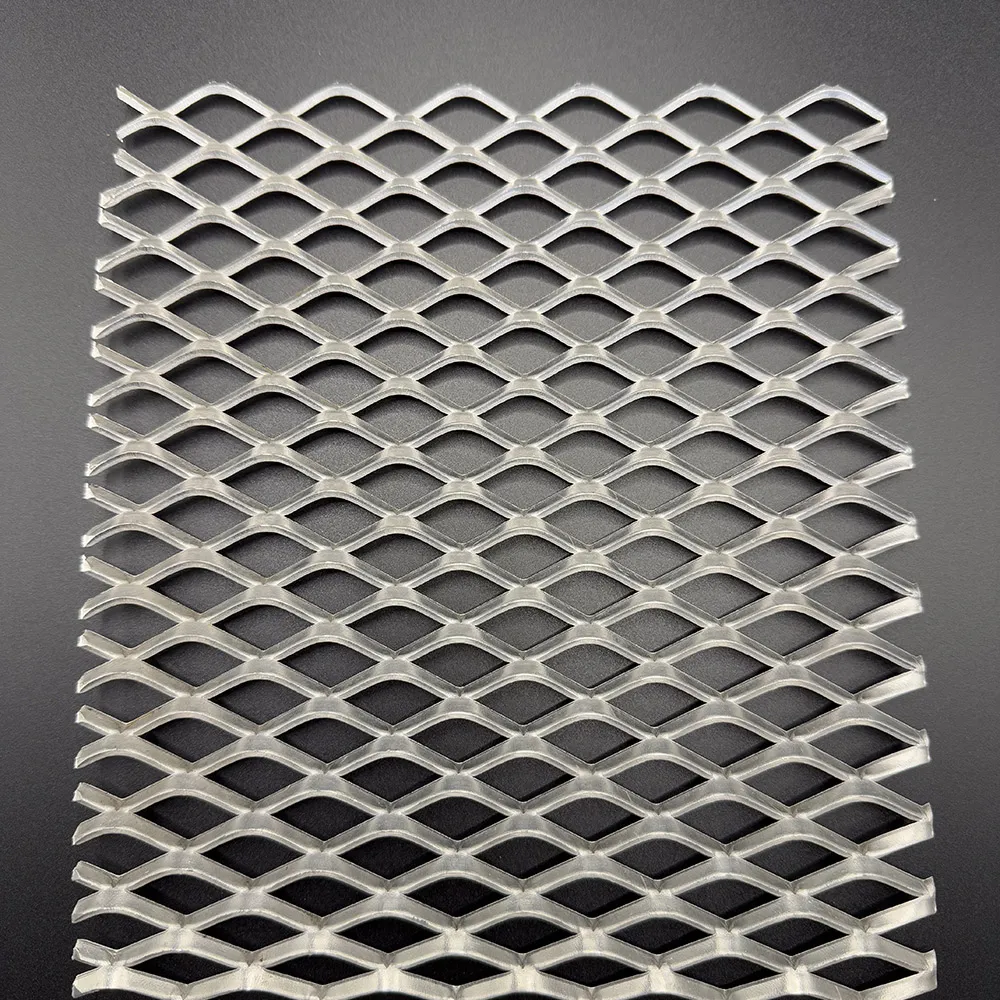
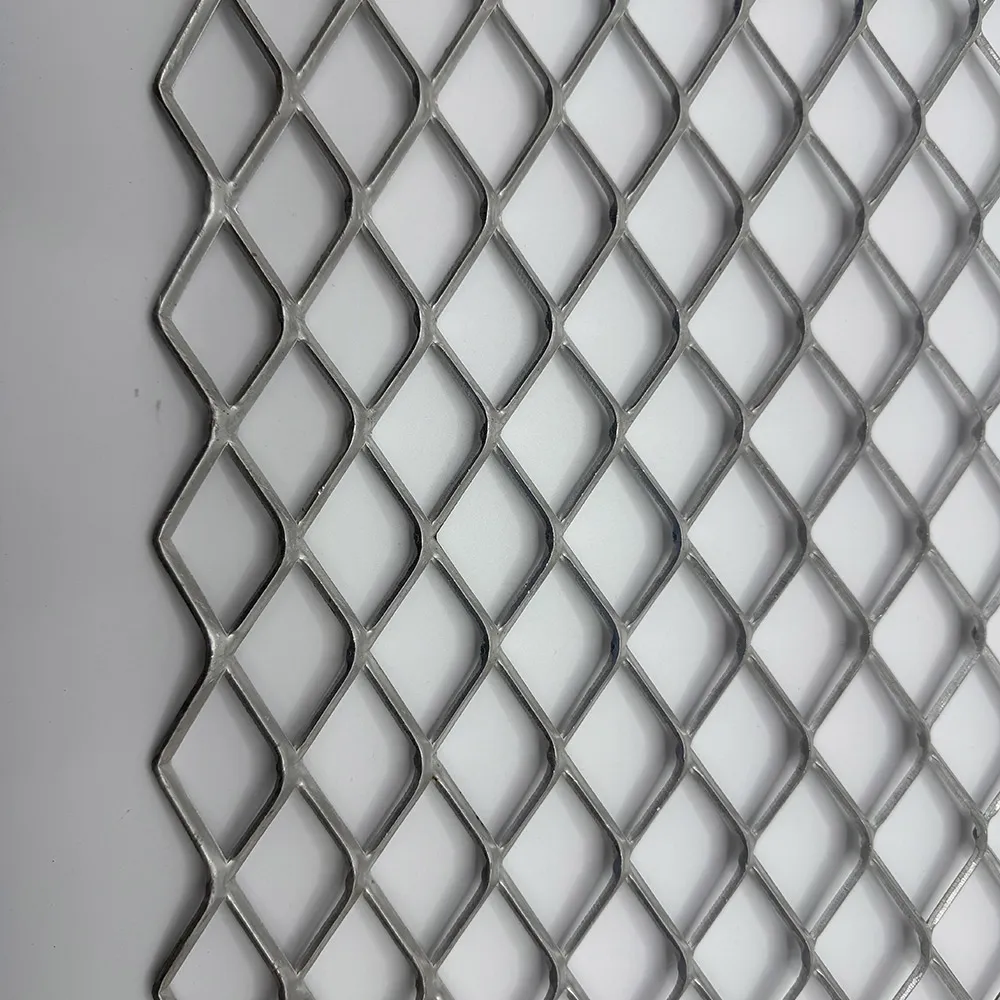
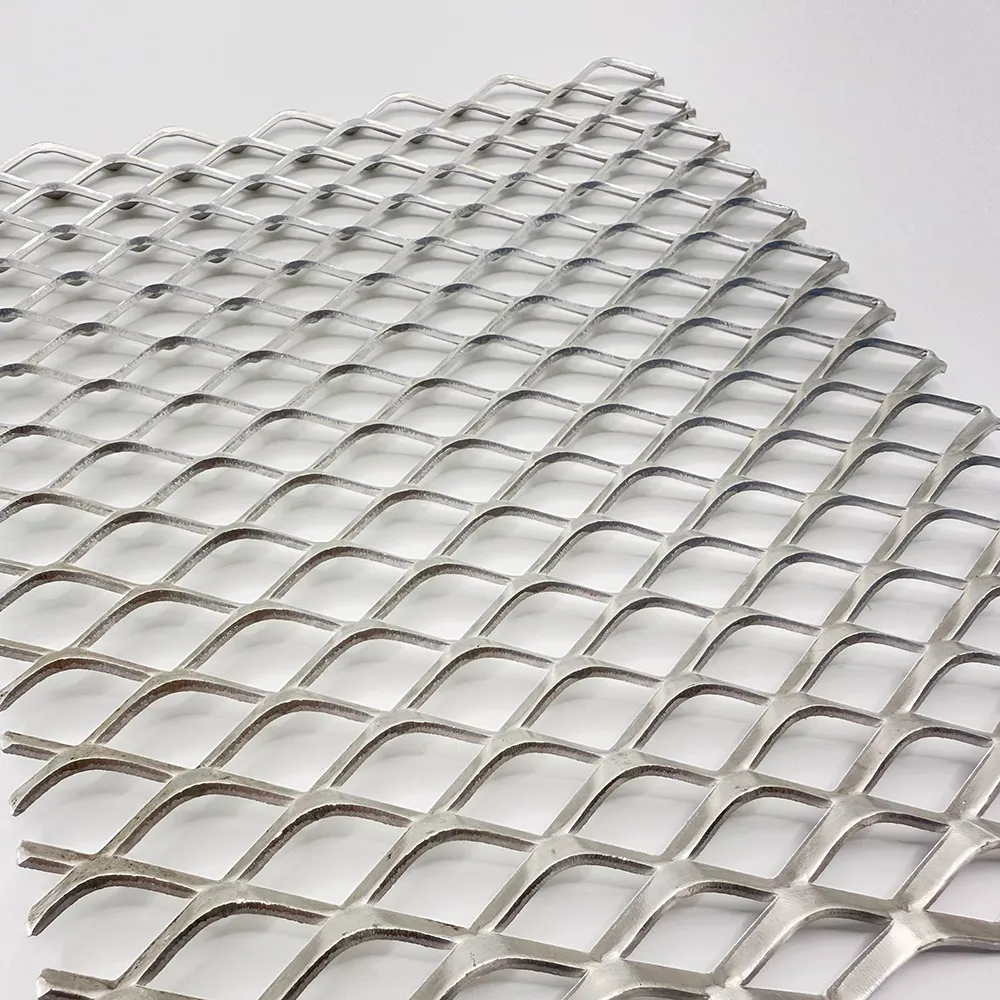
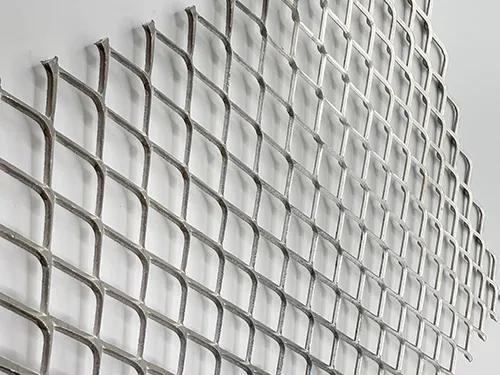
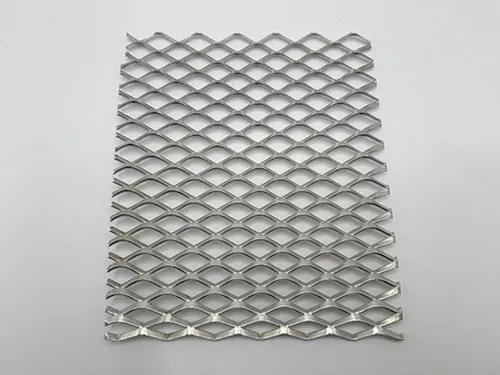
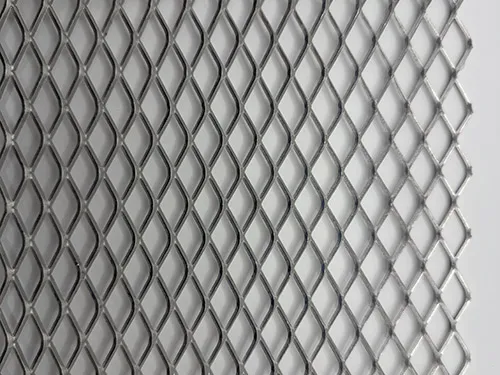
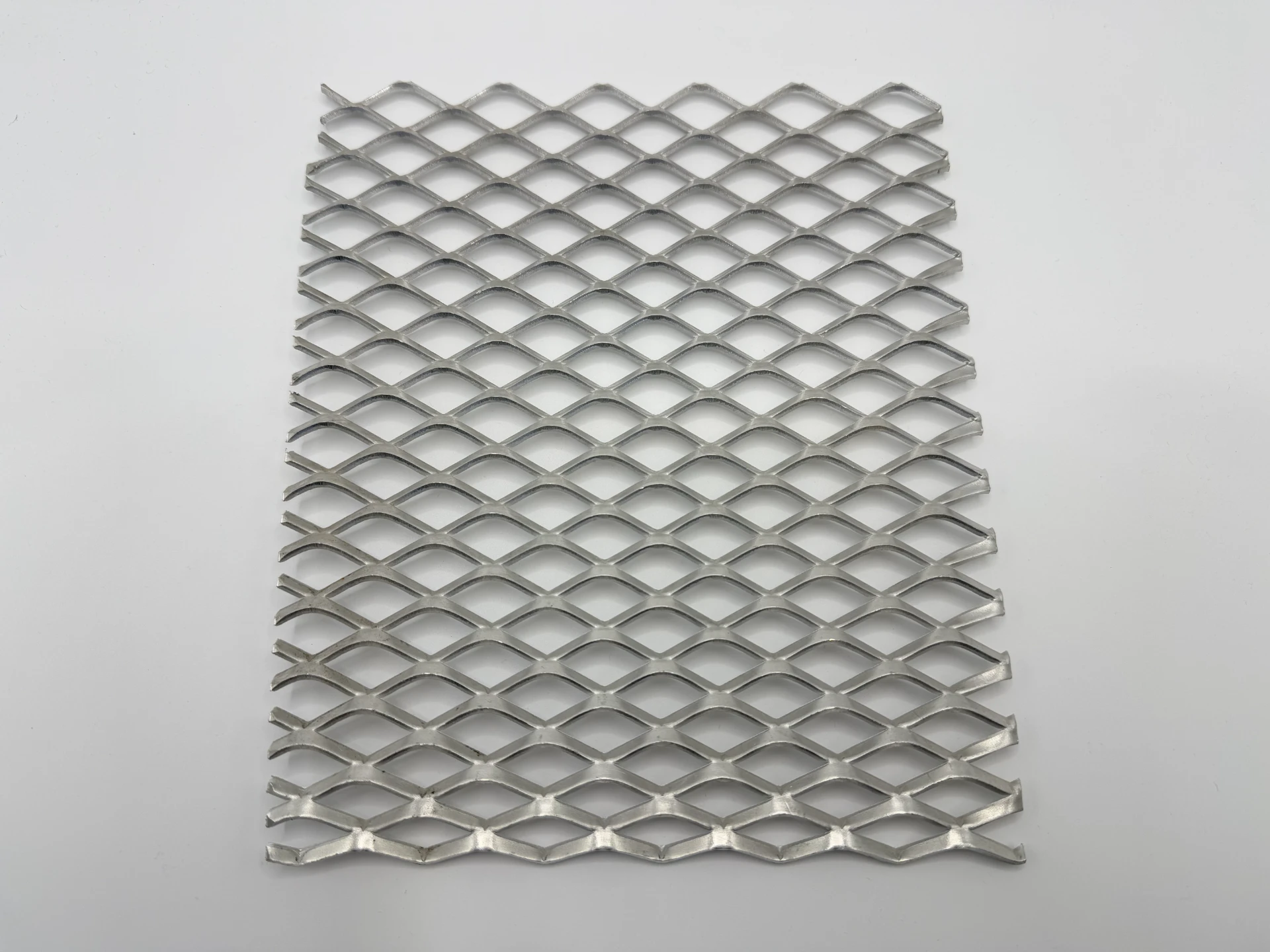
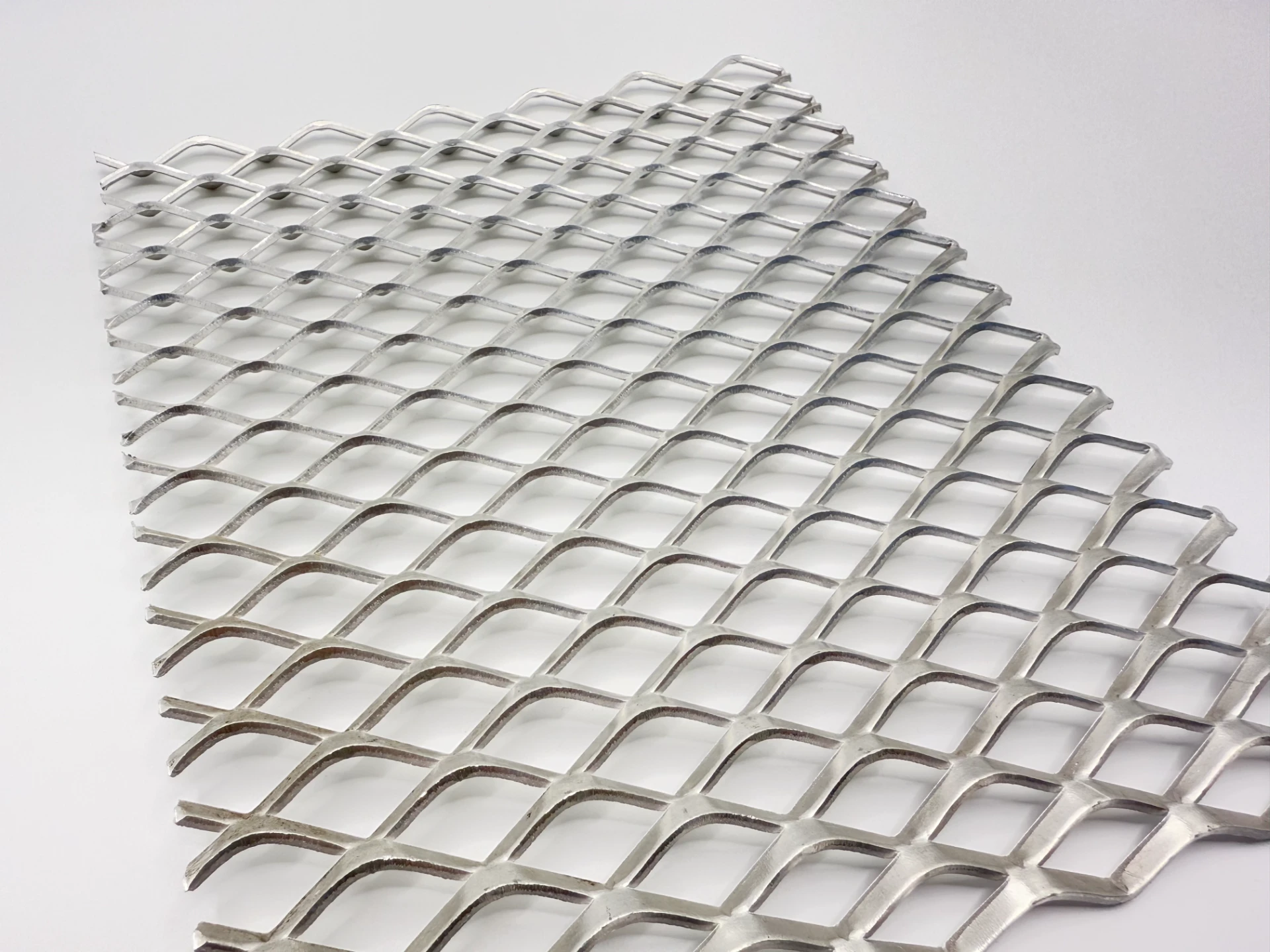
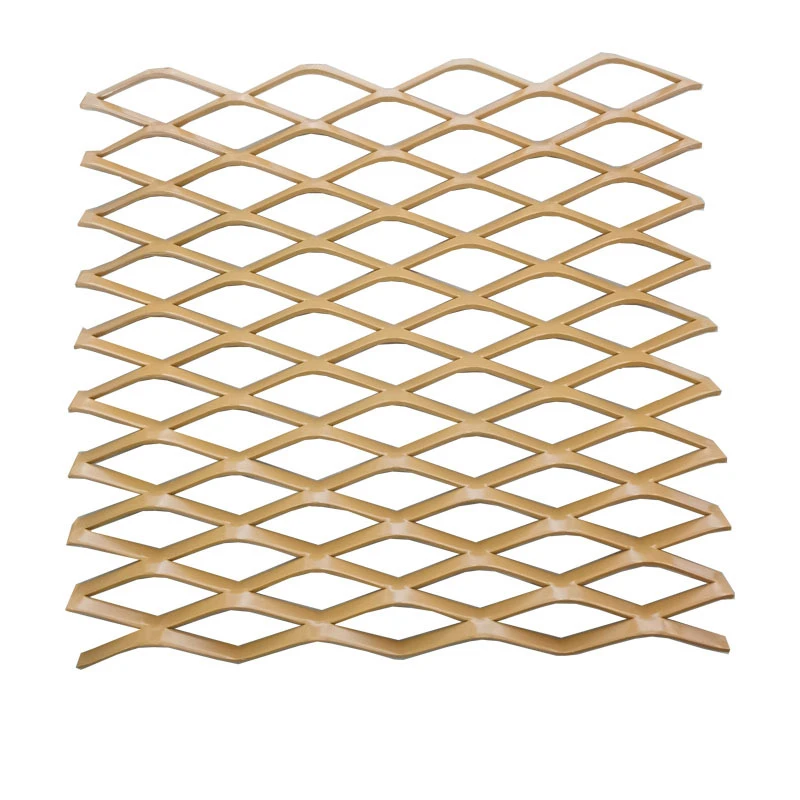
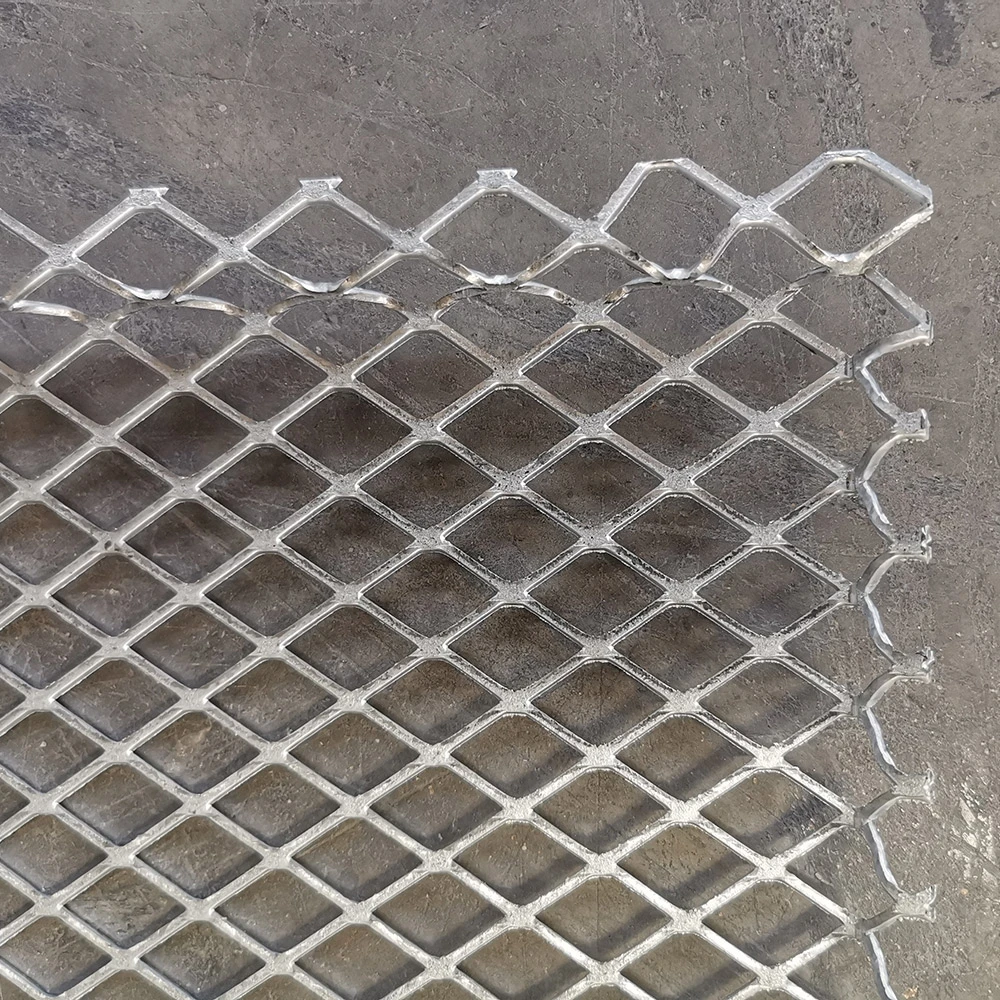
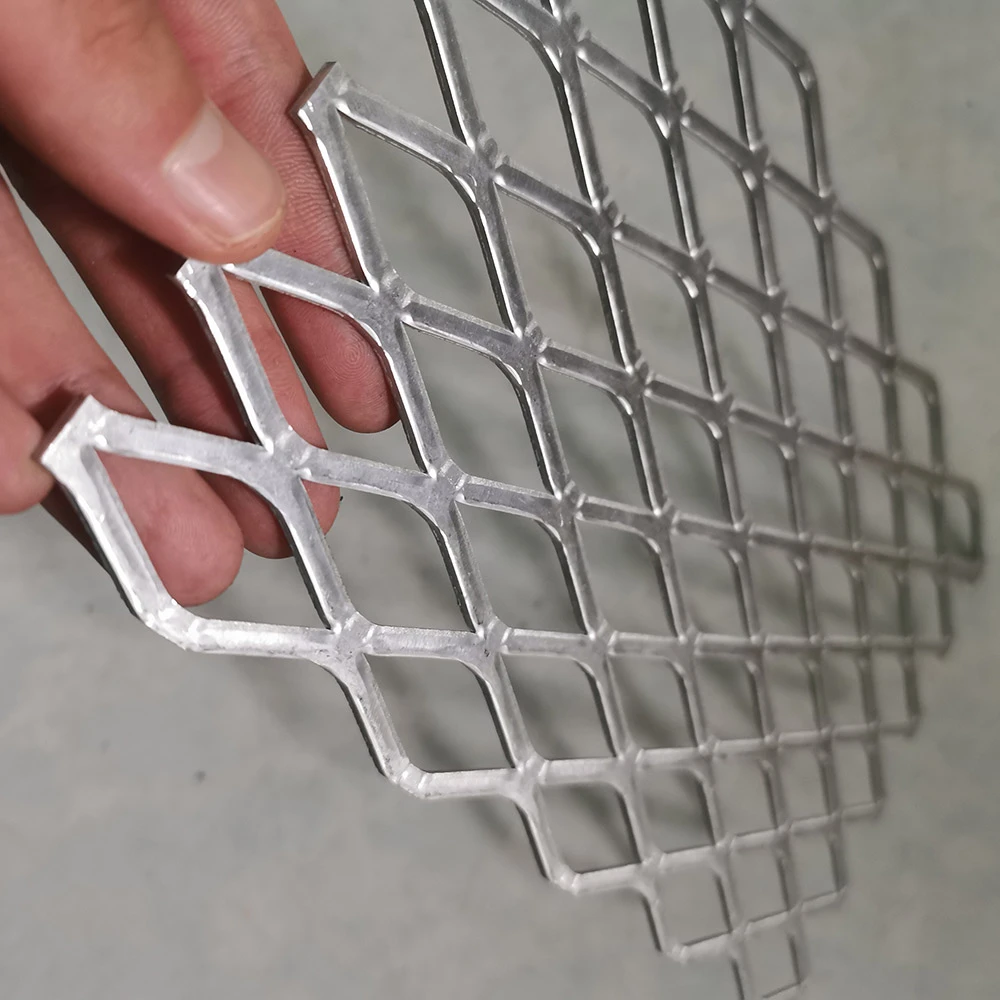
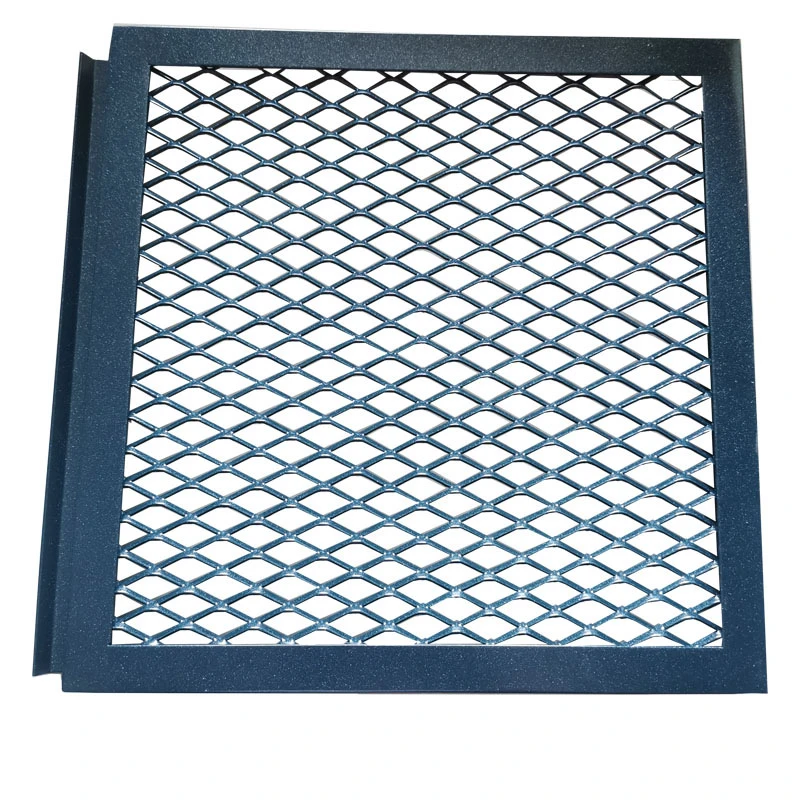
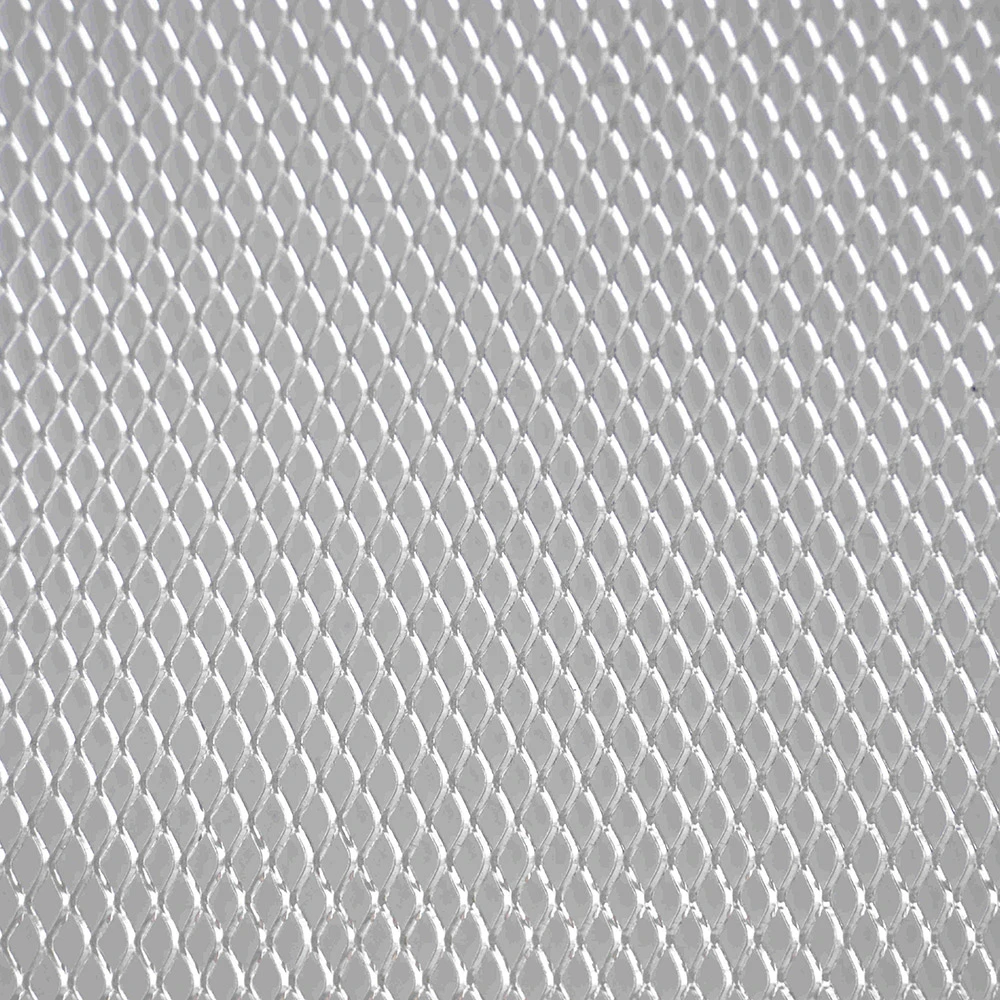
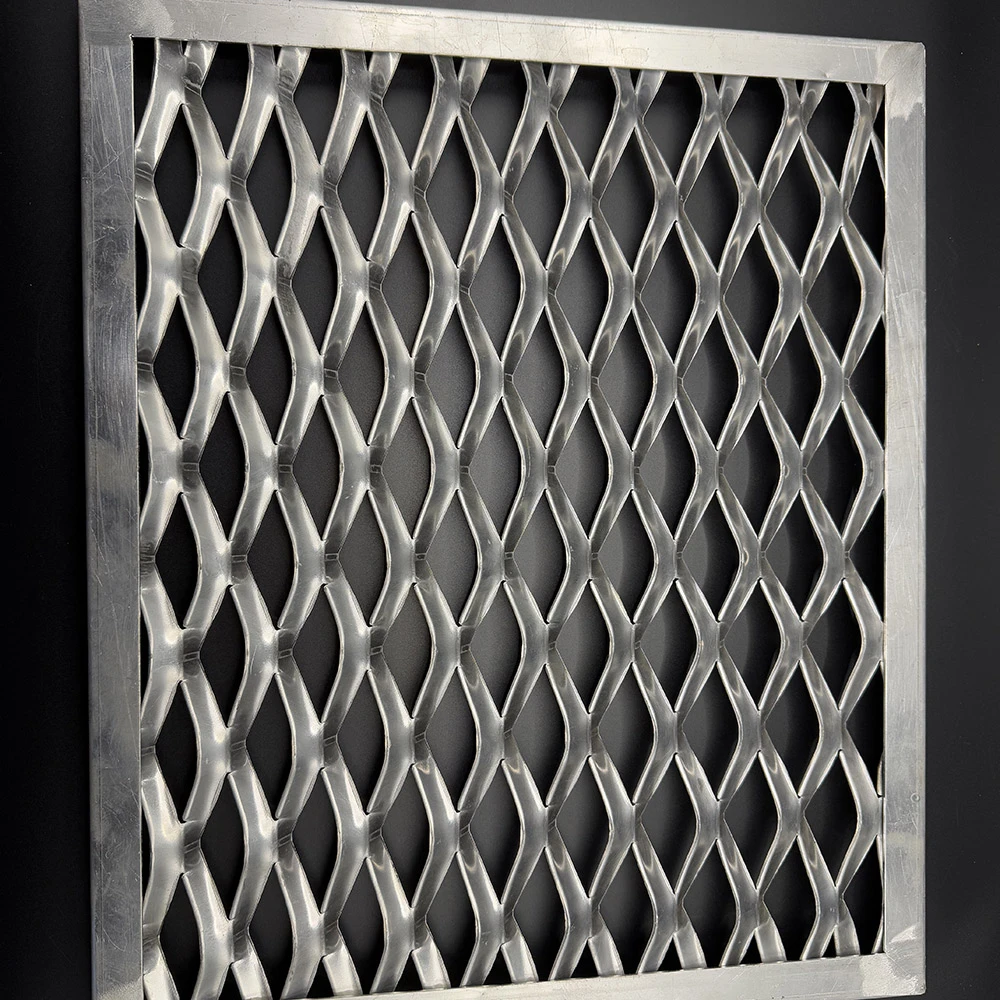
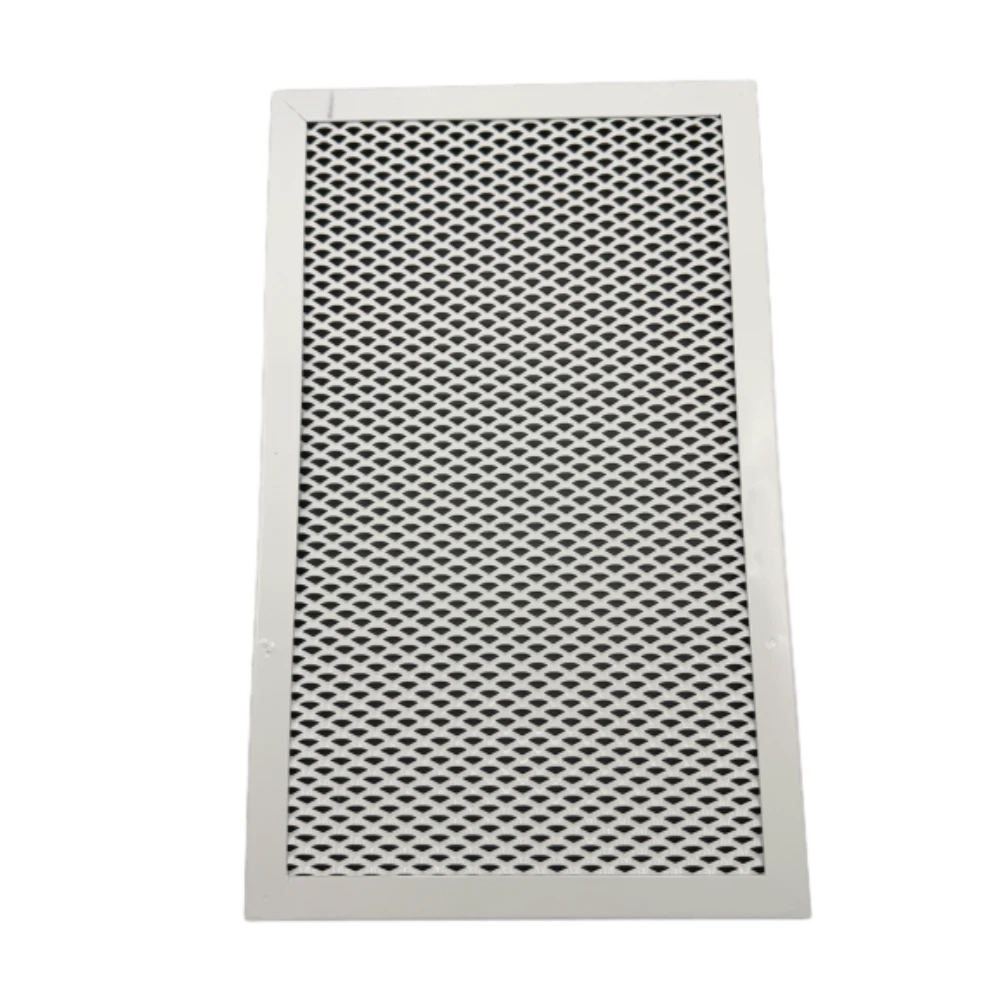
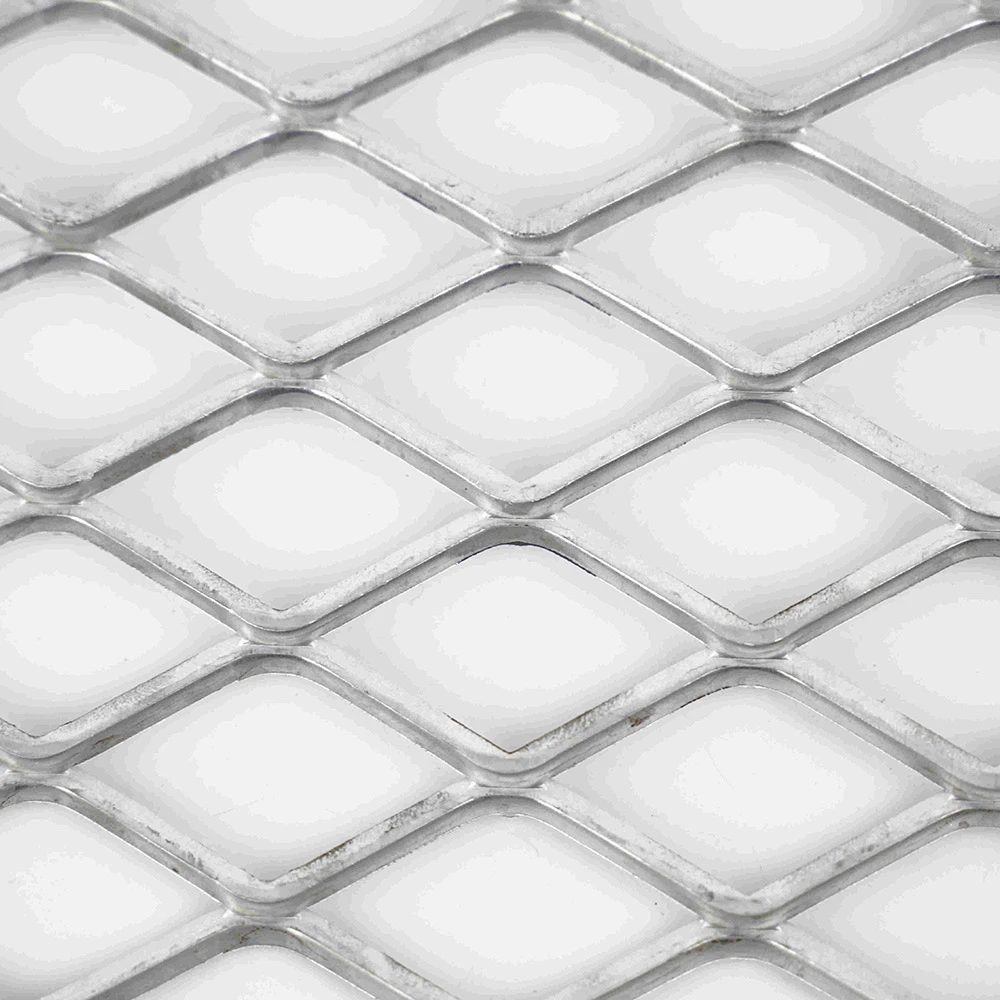
Round Hole Expanded Metal

Materials: Aluminum 1016
Thickness: 3.0mm
SWD x LWD: 20mm x 65mm
Strand Width: 7mm
Overall Thickness: 12mm
Weight: 5.69KG/m2
Open Area: 30%
Surface Treatment: Anodizing

Product Description

The Difference Between Perforated Metal and Expanded Metal


Perforated metal and expanded metal are two widely used forms of engineered metal sheets, but they differ significantly in manufacturing, structure, and applications. Understanding these differences helps engineers, designers, and fabricators select the right material for their projects.


Perforated Metal


Perforated metal is produced by punching or drilling holes into a solid sheet of metal. The holes can be round, square, hexagonal, or custom shapes, and their size and pattern can be precisely controlled. This process removes material, creating openings while maintaining a flat sheet. Perforated metal is often used for decorative panels, acoustic screens, filtration systems, and ventilation grilles. Its smooth surface and customizable patterns make it ideal for aesthetic applications where uniformity and appearance are important.


Expanded Metal


Expanded metal, on the other hand, is made by cutting and stretching a solid metal sheet to form a mesh of diamond- or hexagon-shaped openings. Unlike perforated metal, no material is removed during production. The stretching process increases the overall strength of the sheet, producing a lightweight yet rigid structure. Expanded metal is commonly used in walkways, stair treads, machine guards, fencing, and industrial platforms because of its high load-bearing capacity and excellent traction.


Key Differences


The primary differences between the two materials are manufacturing process, strength, and appearance. Perforated metal removes material and produces smooth, decorative sheets, but it may be weaker under heavy load. Expanded metal retains all the original material and is stronger and more rigid, making it suitable for structural and safety applications.


Both types of metal can be fabricated from steel, aluminum, stainless steel, or other alloys and can be finished with galvanization, powder coating, or painting. Choosing between perforated and expanded metal depends on the project’s priorities: perforated metal for aesthetics and precise openings, or expanded metal for strength, safety, and structural performance.


Is Perforated Metal Stronger? 


Perforated metal is a popular material in industrial, architectural, and decorative applications, but its strength depends largely on its design, material, and intended use. Unlike expanded metal, which is created by cutting and stretching a solid sheet to form a mesh, perforated metal is produced by punching holes through a solid sheet. This difference in manufacturing has a significant impact on strength.


Because perforated metal removes material during the punching process, the resulting sheet is generally weaker in terms of load-bearing capacity compared to a comparable sheet of expanded metal. The size, shape, and spacing of the perforations affect the overall strength: smaller holes with tight spacing maintain more structural integrity, while larger or irregularly spaced holes can significantly reduce the sheet’s ability to resist bending, compression, or impact.


Despite this, perforated metal offers advantages in applications where strength is not the primary concern. Its smooth surface and uniform hole patterns make it ideal for ventilation, filtration, acoustic panels, and decorative screens. Additionally, using thicker gauge sheets can compensate for the material lost during perforation, allowing perforated metal to handle moderate loads effectively.


The choice between perforated and expanded metal depends on the balance between strength, weight, and function. Expanded metal is generally stronger for structural or industrial purposes because no material is removed during production, and the stretched mesh distributes stress efficiently. Perforated metal, while often weaker in structural terms, excels in design flexibility and precision, making it a preferred option for architectural facades, custom screens, and airflow applications.


In conclusion, perforated metal is not inherently stronger than expanded metal. Its strength depends on the sheet thickness, hole size, and spacing, as well as the material used. For applications requiring high load-bearing capacity, expanded metal or heavier gauge perforated sheets are recommended. Perforated metal shines where aesthetics, ventilation, and precise hole patterns are the priorities.


Advantages of Perforated Sheet Metal 


Perforated sheet metal is a versatile material widely used in industrial, architectural, and decorative applications. Its defining feature is a pattern of holes, slots, or shapes punched into a solid metal sheet, creating a lightweight yet functional product. The combination of strength, flexibility, and aesthetic appeal makes perforated sheet metal a popular choice for many projects.


One of the primary advantages is enhanced airflow and ventilation. The perforations allow air, light, and liquids to pass through while still maintaining a physical barrier. This property makes it ideal for HVAC systems, machinery guards, filtration panels, and soundproofing applications. In industrial settings, perforated sheets help reduce heat buildup and improve air circulation, contributing to equipment efficiency and safety.


Another advantage is lightweight strength. By removing material in a controlled pattern, perforated metal retains much of the original sheet’s structural integrity while reducing weight. This makes it easier to handle, transport, and install, especially in architectural panels, ceilings, and façade cladding.


Aesthetic flexibility is also a key benefit. Perforated sheets can be customized with a wide range of hole shapes, sizes, and patterns, allowing architects and designers to create visually appealing surfaces that meet functional requirements. They are often used in decorative screens, facades, furniture, and retail displays, blending form and function seamlessly.


Additional benefits include sound absorption and filtration capability. The holes can reduce noise levels in industrial or commercial spaces and serve as effective filters for liquids, gases, or particulates in various processes.
Finally, perforated sheet metal is durable and corrosion-resistant, especially when made from stainless steel, aluminum, or galvanized steel. It can withstand harsh environmental conditions while maintaining its appearance and structural integrity.


In summary, perforated sheet metal offers a combination of ventilation, lightweight strength, design versatility, noise reduction, filtration, and durability, making it an ideal material for industrial, commercial, and architectural applications.


Mini Order Quantity

1 Piece

OEM NO.

CC-004

Type

Round Hole Expanded Metal

Place of Origin

Heibei, China

Packaging

Carton Box / Wood Pallet

Steel Pallet / Waterproof Plastic Cover

Sample

Paid

Customization Service

Yes

Available Raw Materials

Carbon Steel (Q235, 195, 195L, SPHC)

Stainless Steel (304, 316, 316L)
Aluminum (1060, 1050, 1100, 3003, 5052)

Surface Treatment

Dipped Galvanized / Powder Coating / Anodizing / Polishing / Fluorocarbon PVDF

Powder Coating / Fluorocarbon PVDF Standard (AkzoNobel, PPG Industries, Jotun etc)

AAMA2604 Standard(Guarantee 10 Year)

AAMA2605 Standard(Guarantee 15 Year)

AAMA2606 Standard(Guarantee 20 Year)

Hot Dipped Galvanized Standard

>Zinc 50g (3-5Year)

>Zinc 100g (5-8Year)

>Zinc 250g  (15 Year+)

Producing Video

https://youtu.be/ueMewn7b2rI

FAQ

How to install?

It can be fixed by bolts, welding or clamps, depending on the application scenario.


Can it be customized?

Yes, the size, hole diameter and shape can be customized according to the requirements.


What are the price factors?

The material, specification, processing technology and order quantity affect the price.

Round Hole Expanded Metal Description

Round Hole Expanded Metal is fashionable, we can accept customization for your product, and can accept OEM&ODM, If you have similar hole shape, kindly contact us.


Filtration and Screening Applications

Round hole expanded metal is ideal for filtration and screening systems in industries such as mining, agriculture, and water treatment. The uniform hole pattern allows for precise separation and filtration of materials, including liquids, solids, and gases. Its robust construction ensures durability in harsh environments while providing easy maintenance. This type of expanded metal is commonly used in sand, gravel, and soil screening as well as liquid filtration in industrial processes.

1

Architectural Cladding and Facades

In architectural design, round hole expanded metal is often used in exterior cladding, facades, and decorative panels. The open mesh structure allows for light filtration and ventilation while creating a sleek, modern look for commercial and residential buildings. The material can be customized in terms of hole size, spacing, and finish to match the aesthetic needs of any project. It is also lightweight yet durable, providing an excellent combination of design versatility and structural integrity.

2
wx.png $item[alt]
emali.png
phone.png
top.png
wx.png
emali.png
phone.png
top.png

If you are interested in our products, you can choose to leave your information here, and we will be in touch with you shortly.