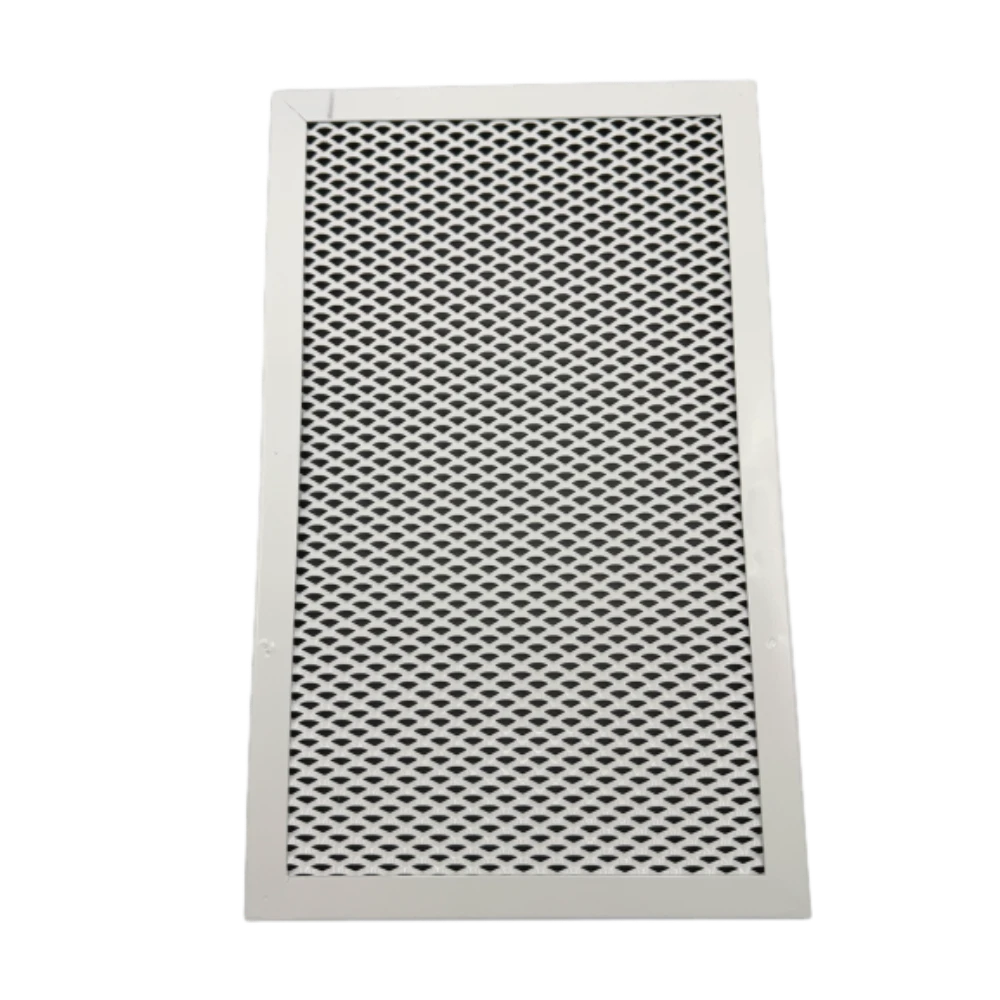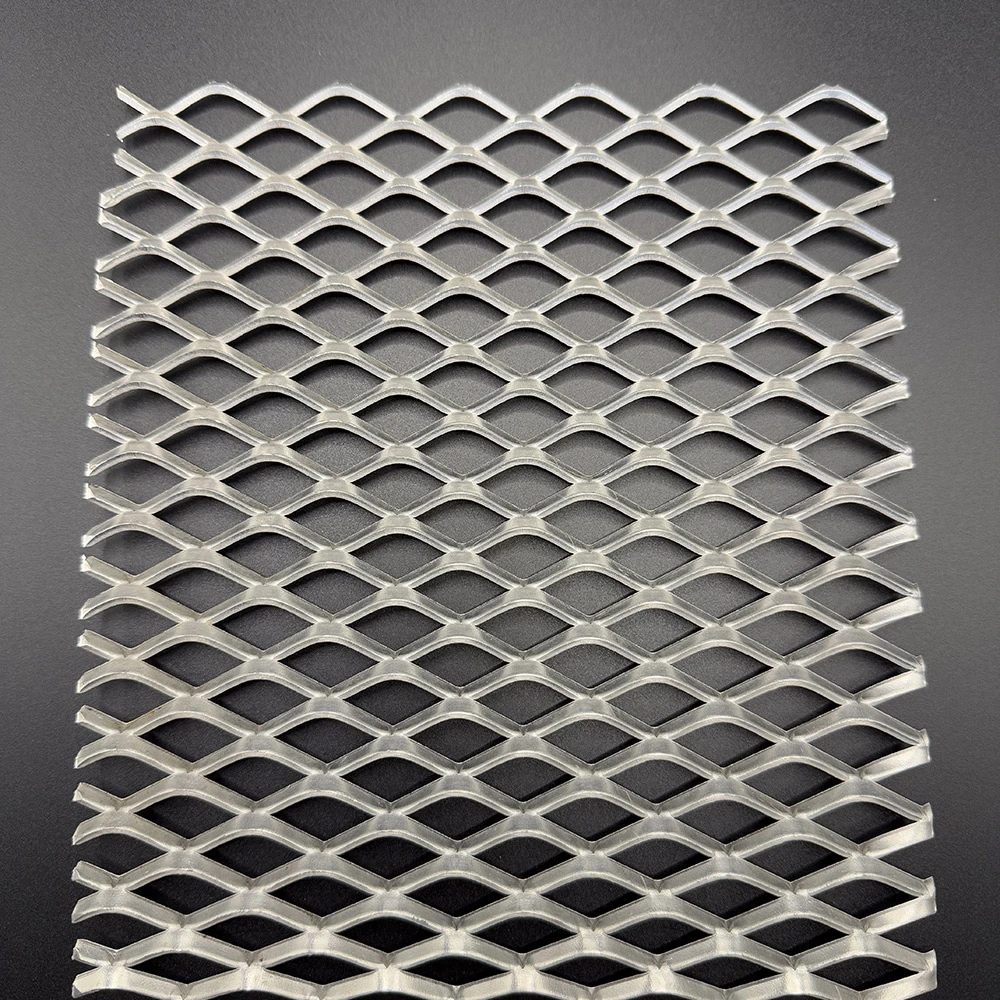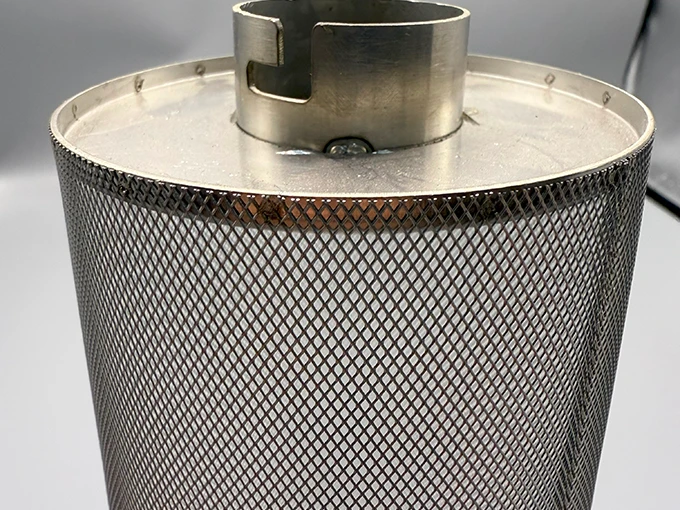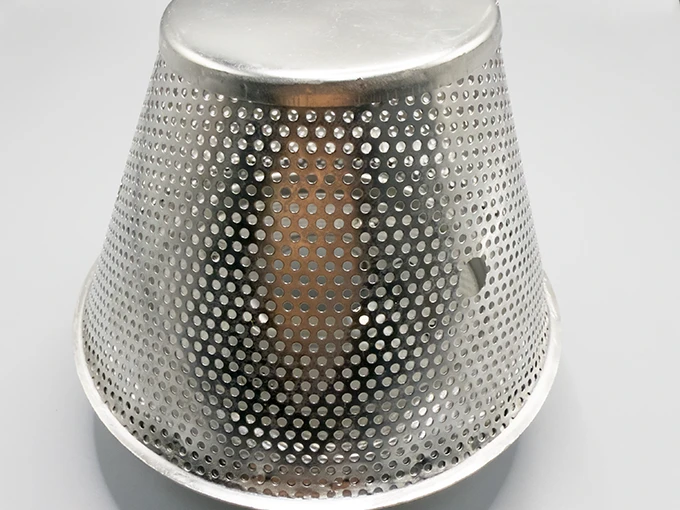
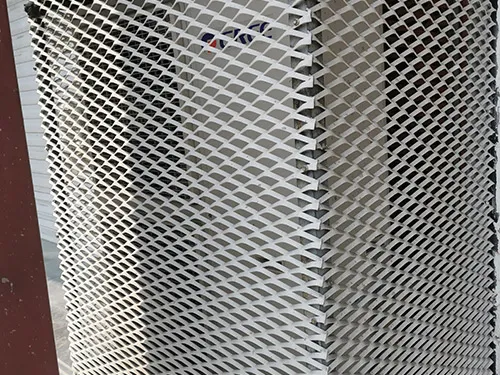
(120 mesh 130 micron)
The term 120 mesh 130 micron signifies a precise filtration grade widely adopted across multiple industries. The mesh number denotes the count of openings per linear inch, while the micron rating specifies the exact particle size such a screen can capture — in this case, approximately 130 micrometers. These filters are engineered for demanding filtration environments that require a calculated balance of efficient flow and robust particulate retention. Industries ranging from agriculture to pharmaceuticals depend on the repeatability and mechanical integrity offered by 120 mesh filter solutions. The emerging importance of this specification owes much to advances in manufacturing tolerances and material sciences, yielding screens that reliably operate with a particle cutoff consistency greater than 98.5% as verified by independent laboratory testing.
To understand the relevance of 120 mesh 130 micron filtration, a deep dive into core performance metrics is essential. These filters typically have an open area percentage ranging from 38% to 43%, depending on the specific wire thickness and weaving method applied. Conducting flow rate tests at a standard 2 bar pressure, average water throughput rates recorded for commercial 120 mesh filters are within 18–22 m3/h (for a 2-inch diameter filter). Burst pressure ratings, especially crucial for high-demand systems, frequently exceed 8 bar, ensuring the integrity of the mesh structure even under intense operational stress.
Recent industry reviews reveal that particle-size retention success, defined as the filter’s ability to reject particles above 130 microns, regularly surpasses 99%. This high capture efficiency reduces equipment wear, maintenance intervals, and process downtime. Additionally, the use of robust materials such as 304 or 316L stainless steel greatly enhances both corrosion resistance and mechanical lifespan.
| Filter Type | Mesh Size | Micron Rating | Open Area (%) | Max Flow Rate (m3/h) | Burst Pressure (bar) | Particle Retention Efficiency (%) |
|---|---|---|---|---|---|---|
| Standard 120 Mesh Filter | 120 | 130 | 40 | 20 | 8 | 99 |
| Fine 160 Mesh Filter | 160 | 100 | 37 | 17 | 7 | 99.5 |
| Coarse 60 Mesh Filter | 60 | 250 | 55 | 30 | 10 | 98 |
This side-by-side comparison underscores the versatility and balanced performance of the 120 mesh standard within filtration-intensive environments.
The industry migration toward the 120 mesh filter is driven by its unrivaled blend of mechanical flexibility, high throughput, and superior resistance to clogging. Unlike coarser filters, such as 60 mesh, the 120 mesh 130 micron structure delivers increased filtration precision without sacrificing volumetric flow or requiring excessive back pressure. Compared to finer meshes like the 160 mesh (with 100 micron pore size), which can impose higher pressure drops and shorter cleaning intervals, the 120 mesh strikes a critical operational sweet spot. The proprietary weave patterns employed in premium filters maximize open area while stabilizing wire crossovers, further enhancing particulate retention efficiency and screen longevity.
Data from recent installations in agricultural drip irrigation systems has shown that substituting legacy 100 mesh structures for 120 mesh varieties decreased emitter blockages by up to 19% while maintaining optimal hydraulic profiles. Industrial process water applications similarly report filter change intervals increasing by 23–28%, with downstream equipment experiencing notably less fouling and wear. These technical attributes make 120 mesh filters the default choice for engineers seeking scalable, cost-efficient, and long-lasting filtration solutions.
Selecting a reliable manufacturer of 120 mesh 130 micron filters can have a long-term impact on operational efficiency and cost. Market analysis shows that suppliers differ not just in material quality, but also in product customization options and after-sales support. To facilitate decision-making, the following table evaluates three leading vendors on critical criteria:
| Supplier | Material Grade | Manufacturing Origin | Product Warranty (years) | Customization Range | Lead Time (days) | Support Rating (1-5) |
|---|---|---|---|---|---|---|
| FiltrationPro | 316L Stainless Steel | USA | 3 | Extensive (40+ variants) | 21 | 5 |
| MeshGuard | 304 Stainless Steel | Germany | 2 | Moderate (20+ variants) | 28 | 4 |
| AgriScreen | Polymer/Steel Blend | China | 1 | Selective (8 variants) | 14 | 3 |
FiltrationPro stands out for its material excellence, broad customization scope, and premium support, ideal for mission-critical applications. MeshGuard offers solid European build quality and reliable mid-tier offerings, while AgriScreen delivers rapid lead times for standard products, often preferred for large-scale but less stringent installations.
Industrial sectors rarely benefit from one-size-fits-all filtration: each process imposes unique flow, pressure, temperature, and chemical compatibility requirements. Leading manufacturers of 120 mesh 130 micron filters respond with custom-engineering solutions, featuring variable dimensions, surface treatments, and support structures. For example, food and beverage processors may demand electropolished surfaces for maximum hygiene, while petrochemical clients require enhanced corrosion protection and welded seams.
Custom orders typically involve design consultations, 3D prototyping, and prototype validation by the client. These tailored solutions incorporate:
Survey data shows that over 60% of high-end filter buyers opt for some level of customization to maximize operational uptime, minimize contamination risk, and improve ease of maintenance.
The filter 120 mesh specification has become a technical benchmark across various fields. In agriculture, its deployment in drip irrigation safeguards emitters from particulate fouling, with studies—such as those from the International Commission on Irrigation and Drainage—reporting yield improvement by 7–12%. In automotive manufacturing, central coolant filtration systems employing 120 mesh 130 micron screens have reduced tool wear and scrap rates by up to 15% annually.
Noteworthy real-world case studies include:
Consistent results in myriad sectors highlight the importance of precise filtration and its extended impact on efficiency, safety, and product quality.
In summation, the 120 mesh 130 micron specification is fundamental to the progression of automated filtration across high-value industries. Combining mechanical endurance with superior retention efficiency, these filters occupy an unmatched position in operational reliability and cost-to-performance ratio. Data-driven vendor analysis and case histories advocate for their robust application and continual evolution in response to rising process demands. For process engineers and operational managers, investing in the right 120 mesh filter solution—optionally customized for unique workflows—delivers incremental gains in productivity, product quality, and equipment service life. As innovation continues, the strategic significance of the 120 mesh 130 micron filter will only increase in the modern industrial landscape.
(120 mesh 130 micron)
PREV:
This is the last article


![$item[alt]](https://www.ccmetalmesh.com/images/cc-7691.webp "$item[title]")