If you’ve ever walked past protective barriers at construction sites, industrial walkways, or even outdoor furniture, chances are you’ve seen 2 expanded metal in use. This versatile material often flies under the radar but plays a crucial role globally in infrastructure, manufacturing, and even humanitarian projects. Understanding its benefits is more than just a sheet metal curiosity—it’s about recognizing a cost-effective, sustainable, and practical solution shaping many industries worldwide.
Industries across the world are constantly looking for materials that combine strength, lightweight properties, and affordability. According to ISO reports, the demand for expanded metals in construction and manufacturing has grown by roughly 5% annually over the last decade, particularly in emerging markets where infrastructure needs are booming.[1] What makes 2 expanded metal especially relevant is its ability to address critical challenges like material scarcity, cost pressures, and sustainability demands without compromising functionality.
For instance, a UNDP study recently highlighted how expanded metal is used in post-disaster zones for temporary fencing and shelters, thanks to its rapid deployment and durable nature.[2] When you think about it, these are practical, real-world problems where such materials become enablers of safety and reconstruction.
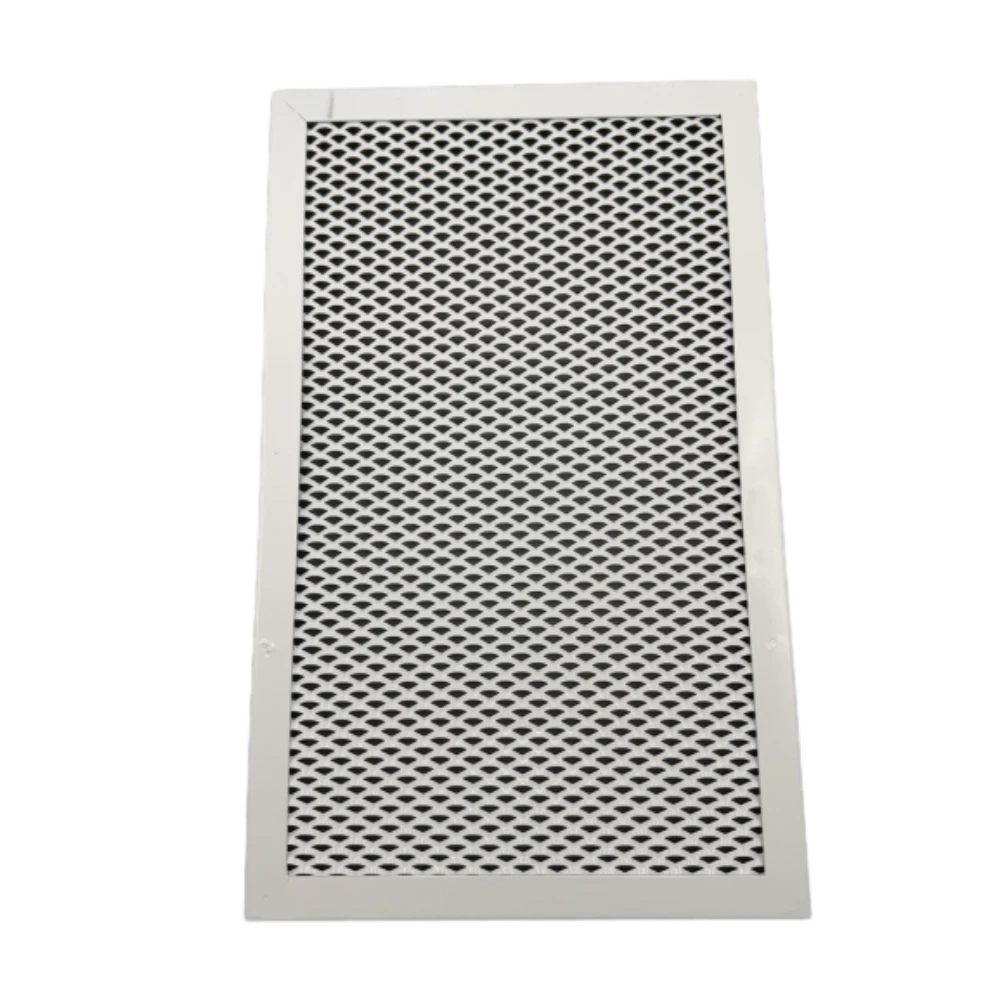
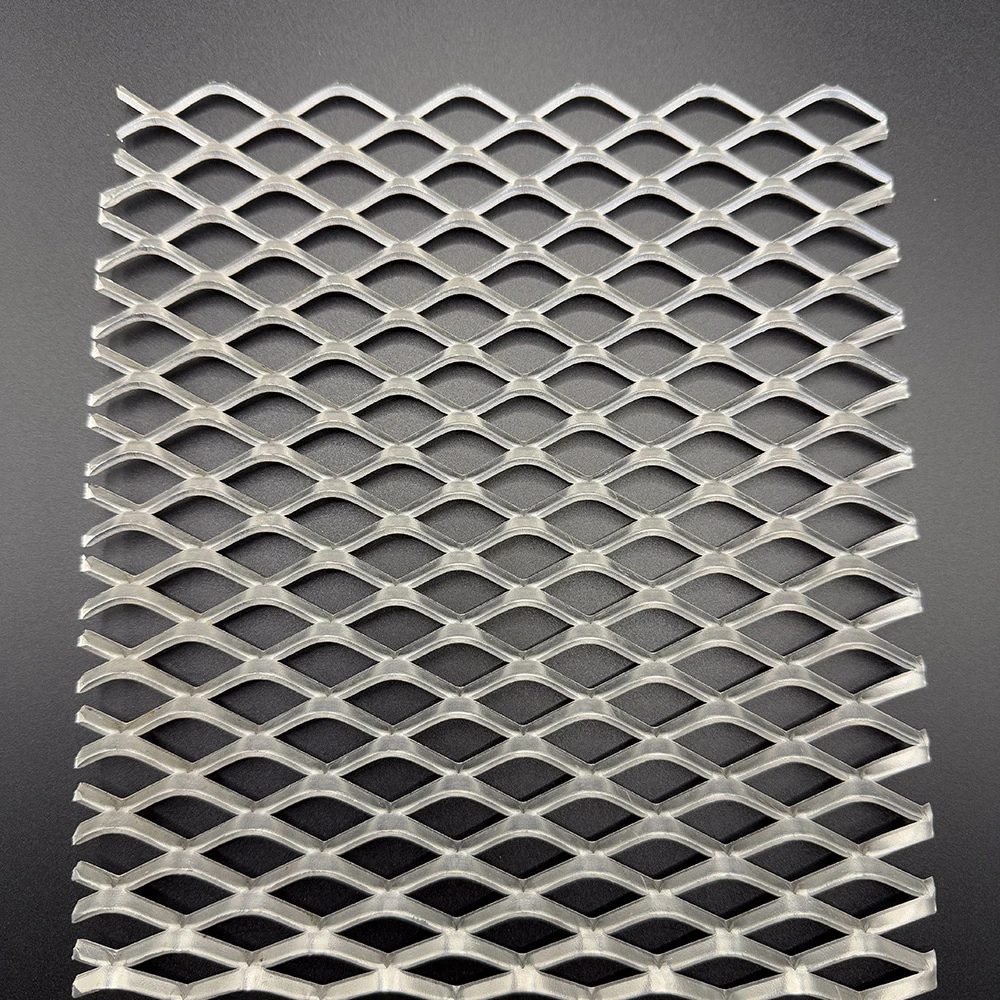
Put simply, 2 expanded metal is a sheet metal product that’s been simultaneously cut and stretched to form a mesh of diamond-shaped openings. The “2” typically refers to the strand width or mesh size, a middle ground offering balance between strength and openness.
It’s kind of like taking a solid sheet and turning it into a web that’s still incredibly strong but lets light, air, and sometimes even hands through. This makes it perfect for applications that need ventilation, visibility, and security all at once.
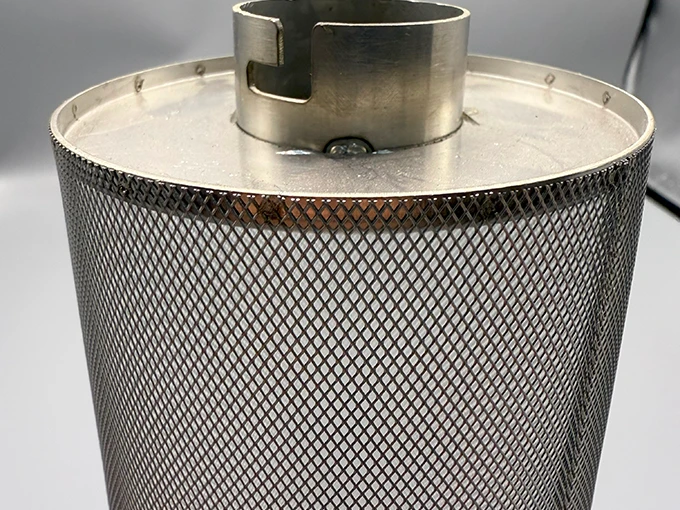
Modern industries rely on 2 expanded metal not just for its strength but also for how easy it is to shape, weld, or coat, making it a mainstay in sectors from mining to food processing, and even humanitarian aid.
2 expanded metal is built to withstand heavy loads and harsh conditions. Its mesh design distributes stress evenly, which many engineers praise as better than comparable wire meshes. Ordinarily, it resists corrosion when properly coated — think galvanized or stainless steel — and lasts for years.
Unlike solid metal sheets, 2 expanded metal sheds a lot of weight without losing rigidity. This means transport costs drop, installation is easier, and structural support requirements are reduced.
Because less raw material is used and waste is minimal—usually the scraps from cutting are recycled—manufacturers and consumers appreciate the economic value. Plus, it’s easily customizable, which reduces the need for expensive post-processing.
Whether used as fencing, walkways, decorative facades, or machine guards, 2 expanded metal fits a surprising range of uses. Its ability to be bent, cut, and welded is a huge plus for creative design and engineering teams.
Expanded metal sheets are often made from recyclable steel or aluminum. They allow for airflow and light penetration, leading to more energy-efficient structures, a small but important piece in green building practices.
The practical upside of 2 expanded metal feels obvious when you see it in action:
Oddly enough, even the creative industries have embraced it—for example, artists and furniture designers use unique mesh sizes and finishes to produce functional yet stylish pieces.
2 expanded metal is everywhere—from the highest skyscrapers to remote rebuild sites, blending strength with versatility.
| Specification | Typical Range | Notes |
|---|---|---|
| Strand Width | 2 mm (nominal) | Defines ‘2’ expanded metal size, can vary ±0.1 mm |
| Mesh Opening (long diagonal) | 10-20 mm | Allows visual and airflow permeability |
| Sheet Thickness | 0.8 - 4 mm | Influences strength and weight |
| Material | Steel, Stainless Steel, Aluminum | Common for corrosion resistance and durability |
| Finish | Galvanized, Powder coated, Painted | Improves longevity, aesthetics, and safety |
| Feature | SteelMeshPro | GlobalExpanded | SafeGrid Co. |
|---|---|---|---|
| Product Range | Wide (2-10 mesh sizes) | Moderate (2-5 mesh sizes) | Specialized (Safety & Security Mesh) |
| Customization Options | Full custom orders accepted | Limited | Pre-set configurations only |
| Lead Time | 2-3 weeks | 4-6 weeks | 1-2 weeks |
| Global Shipping | Yes | Yes | No |
| Typical Users | Construction & Industrial | Government & NGOs | Security & Transportation |
Everyone from project managers to craftsmen appreciate 2 expanded metal for more than just its specs. The real game changers are:
On a personal note, many field engineers mention how it’s often the “go-to” material when projects unexpectedly run short on time or budget. It’s sort of like relief in sheet metal form.
Looking ahead, you’ll find manufacturers experimenting with new alloys and coatings to push 2 expanded metal’s corrosion resistance even further. Carbon-fiber-infused variants are also starting to pop up, promising even lighter yet stronger meshes.
Digital fabrication techniques, such as CNC laser cutting combined with expanded metal, are opening doors for incredibly detailed patterns and smarter integration into building facades with sensors or solar cells embedded.
Plus, as sustainability standards tighten globally, expect more eco-friendly finishes and recycled materials entering the mix—finally, a mesh that’s greener at every stage.
Of course, no material is perfect. Sometimes 2 expanded metal can be tough to clean when used in dusty or oily industrial settings, and certain mesh sizes may be limited for high-security fencing. Yet, innovations like self-cleaning coatings and hybrid mesh panels (combining expanded metal and solid sheets) are popular solutions.
Also, the initial perception of “metal” being heavy or complex to install fades quickly once teams get familiar with its modularity and lightweight advantages.
In the grand scheme of materials, 2 expanded metal stands out for its balance of practicality, cost-effectiveness, and adaptability. Whether you’re managing a construction site, designing innovative architecture, or supporting emergency relief efforts, it offers solutions that match the pace and complexity of today’s challenges.
If you’d like to explore more about how this material could work for your projects, check out our detailed offerings at 2 expanded metal — trust me, it’s a resource worth bookmarking.
Here’s to building stronger, smarter, and more sustainably—with a little help from good old expanded metal.



![$item[alt]](https://images.exportstart.com/images/a1393/cc-7691.webp "$item[title]")