If you’re at all involved in construction, manufacturing, or industrial design, chances are you’ve come across expanded metal. Now, let’s zoom into a particularly practical size: 4.27 expanded metal. What makes this specific gauge and pattern catch the eye of engineers, builders, and infrastructure experts across the globe? Frankly, it boils down to its unique blend of strength, versatility, and cost efficiency. Often overlooked outside heavy industry circles, the role expanded metal—especially in formats like 4.27—plays in sustainability, safety, and modern manufacturing is quietly vital.
Here’s something worth noting: the global market for expanded metal is growing consistently, with projections from the International Organization for Standardization (ISO) suggesting a steady annual rise in demand for durable, lightweight, and recyclable materials in building and transportation. According to recent World Bank infrastructure reports, over 60% of construction projects now specify metal mesh components as critical safety elements.
This is no small concern. The world is facing massive rebuilding tasks from natural disasters, rapid urbanization, and industrial modernization — all demanding materials that can not only withstand but adapt. 4.27 expanded metal fits squarely into this niche by offering a reliable, standardized mesh size that balances flexibility with structural integrity. The challenge? Finding materials that support sustainability goals without compromising performance or breaking budgets.
4.27 expanded metal surfaces as a subtle but key player in the global push for smarter, eco-conscious infrastructure. It’s about being tough without being wasteful.
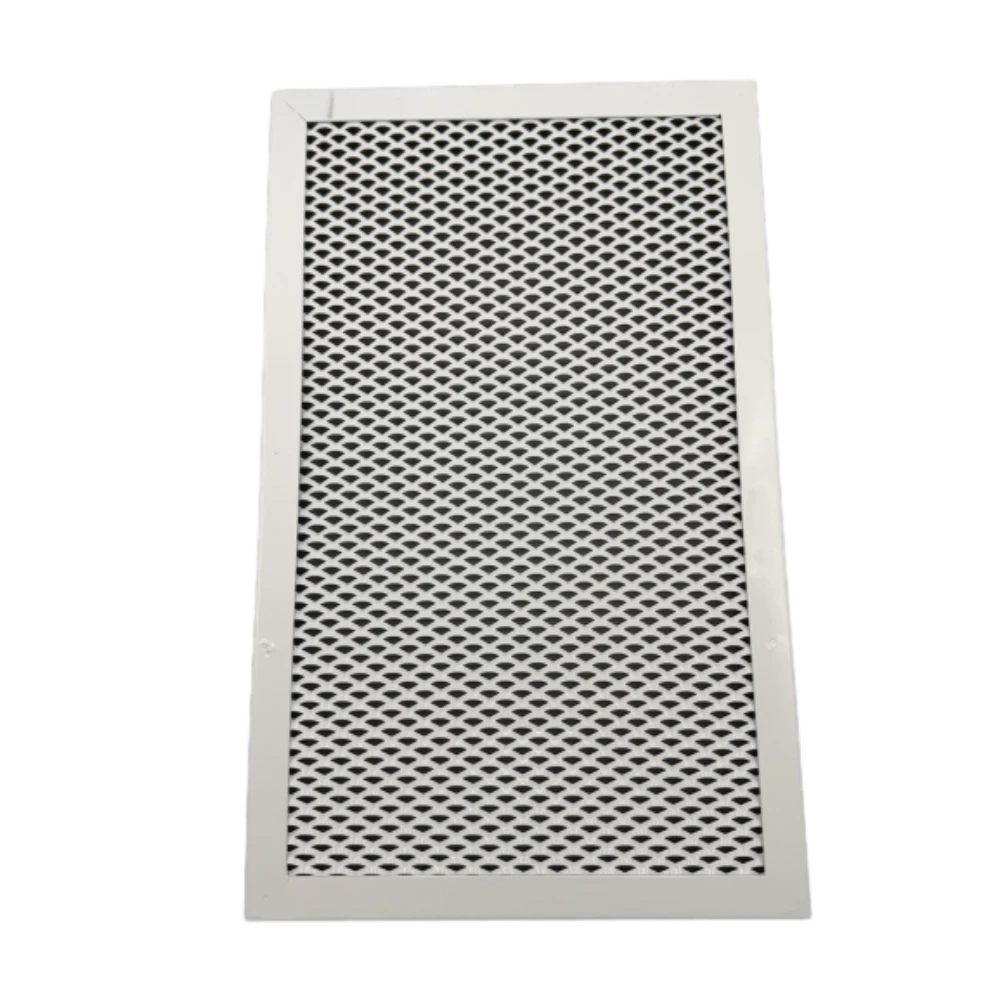
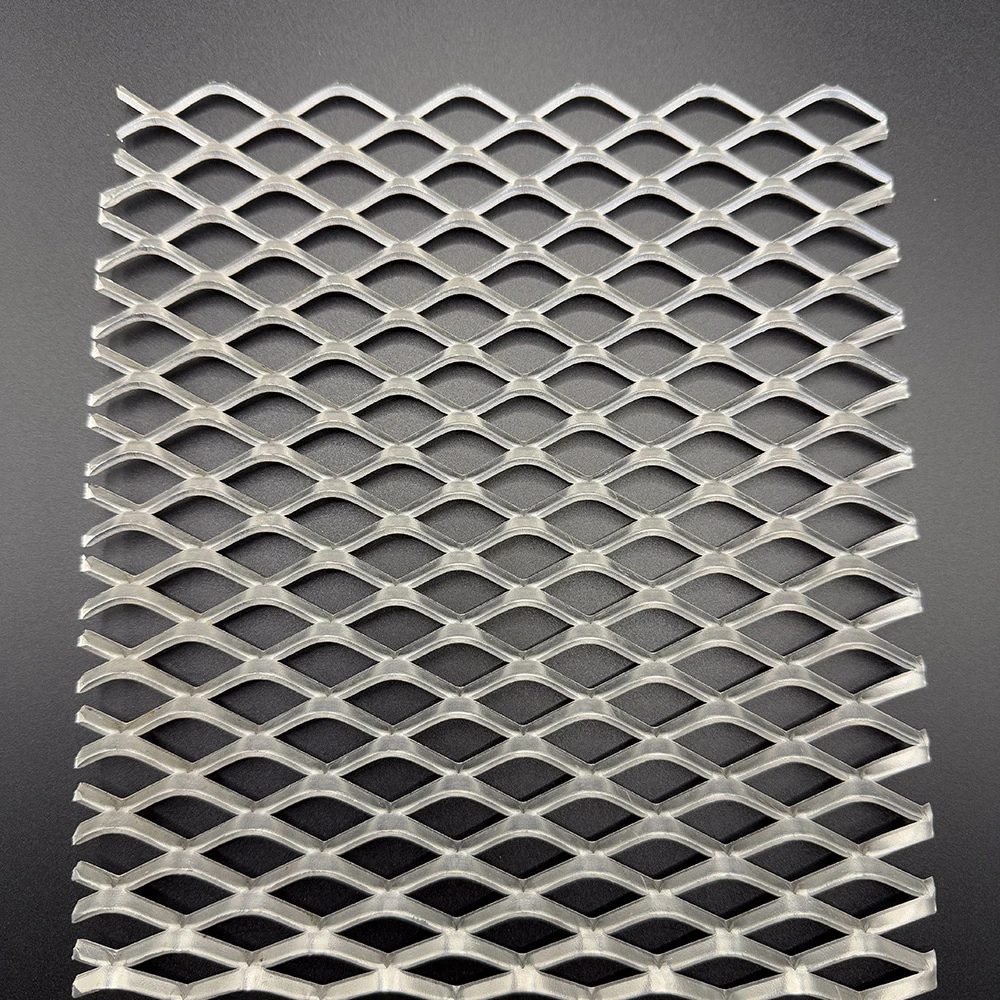
In layman’s terms, expanded metal is sheet metal that’s been slit and stretched to form a mesh with diamond-shaped openings. The 4.27 designation refers to the size and pattern specifics — roughly translating to an opening of 4.27 mm measured across the diagonal of the diamond shapes.
Unlike woven wire mesh, expanded metal is a single continuous sheet, meaning no welds or joints that could fail under stress. That makes it particularly popular in applications requiring durability with reduced weight — think platforms, grates, fencing, and protective screens. It’s also favored in humanitarian needs like temporary shelters and disaster relief as a quick-to-install, rigid but breathable barrier.
4.27 expanded metal is usually made from steel or aluminum alloys, offering corrosion resistance — especially when galvanized or powder-coated. Many engineers say its tensile strength makes it ideal for high-traffic or heavy-load areas.
One reason we see 4.27 expanded metal in so many industries is its ease of scaling. Manufacturers can adjust sheet sizes and thicknesses without affecting mesh integrity, which means you can get anything from a protective cover to a large-scale industrial panel.
Compared to welded or woven meshes, expanded metal uses less raw material since it’s stretched rather than woven or welded—translating to lower material costs and less waste. Oddly enough, this makes it a favorite among companies juggling budget with performance demands.
Use it indoors or out. It can be a sleek architectural element, a tool for improved ventilation, or as impactful as a blast screen in industrial settings. The 4.27 measurement is a sweet spot for providing strength without overly restricting airflow or visibility.
The diamond patterns provide excellent grip and reduce slippage, which explains why it’s quite popular in stair treads and walkways.
Further surface treatments and coatings allow material-specific customization, such as anti-slip coatings or UV-resistant finishes.
Remember, in 4.27 expanded metal, you’re largely paying for a versatile balance of durability and economy, shaped precisely to standardize quality across applications.
| Specification | Detail |
|---|---|
| Mesh Opening (Diagonal) | 4.27 mm |
| Material | Steel (Galvanized), Aluminum Alloy |
| Sheet Thickness | 0.8 mm to 3.0 mm |
| Weight per sqm | ~5 to 15 kg |
| Coating Options | Galvanized, Powder-coated, Anodized |
| Standard Sheet Size | 1.2 m × 2.4 m (Custom sizes available) |
To understand why 4.27 expanded metal matters, think about how widely it’s applied:
Oddly enough, the standardization of 4.27 expanded metal means engineers from Chennai to Chicago often specify the same mesh for similar uses, which simplifies maintenance, sourcing, and scaling.
It’s safe to say that 4.27 expanded metal quietly crosses cultural and industrial borders, building safety and sustainability in unexpected places.
| Supplier | Material Quality | Customization Options | Lead Time | Typical Pricing/kg | Global Shipping |
|---|---|---|---|---|---|
| CC Metal Mesh | High-grade steel & aluminum | Cut-to-size, coatings | 2-4 weeks | $3.50 - 4.20 | Worldwide |
| Global Expanded Metals | Mid-tier steel | Limited thickness options | 4-6 weeks | $3.20 - 3.80 | North America, Europe |
| MetalFab International | High-grade aluminum | Full custom fabrication | 3-5 weeks | $4.00 - 5.00 | Europe, Asia, Americas |
If you’ve ever walked on steel stairs coated with expanded metal or seen the inside of a ventilation grate, you know these meshes hold up under stress. The long-term value is more subtle but powerful: you get durability that reduces replacements, sustainability through raw-material efficiency, and social impact by creating safer environments.
In real terms, these meshes contribute to improved worker safety, reduced downtime, and lower overall lifecycle costs. They also support environmental goals by cutting waste and enabling recyclable material reuse. You might call it a quiet innovation, yet it embodies a lot of trust between designers, builders, and the people who rely on their work.
As green energy and sustainability take center stage, manufacturers integrate corrosion-resistant coatings derived from bio-based polymers and smart materials that change properties under stress. Automation in precision cutting now allows astonishingly customized meshes at faster turnarounds — embracing Industry 4.0 principles.
Even more interesting, digital models simulate mesh stress to optimize patterns for specific projects before committing metal to production, leading to fewer errors and smarter resource use. So, 4.27 expanded metal is not just old-school steel; it’s evolving alongside tech.
No material is perfect. Potential issues like corrosion in extremely acidic environments or the challenge of sourcing sustainably produced steel pop up. Some users face supply bottlenecks especially with custom sizes during peak demand. To counter this, manufacturers recommend galvanized or stainless steel options and encourage early ordering. Plus, more vendors are incorporating recycled steel content which helps close the loop.
A1: Typically, 4.27 expanded metal is used for safety fencing, machine guards, stair treads, and ventilation panels. Its balance of strength and lightweight design means it’s widely adopted in both temporary and permanent installations.
A2: Expanded metal generally costs less because of material efficiency — it uses a single continuous sheet with no welds, reducing waste. However, prices vary by material grade and coating options.
A3: Absolutely. Thickness, sheet size, coatings, and surface treatments can all be tailored. Many manufacturers offer cut-to-size services and specialized finishes to match environmental or aesthetic requirements.
A4: Yes. Its lightweight nature combined with rigidity makes it suitable for rapid deployment in shelters, fencing, or temporary infrastructure that NGOs often require during disaster relief efforts.
A5: Quite sustainable — it uses less raw material than welded mesh and is often made from recyclable steel or aluminum. Also, many suppliers incorporate recycled content and environmentally friendly coatings.
In summation, 4.27 expanded metal represents a smart, durable, and cost-efficient solution tailored for a wide range of industries worldwide. Its standardized pattern and proven track record make it a go-to for projects demanding strength and versatility — from urban skyscrapers to disaster relief shelters.
If you’re curious to explore quality options or custom specs, don’t hesitate to visit our website. After all, understanding these seemingly small industrial details makes a huge difference in successful, sustainable projects.



![$item[alt]](https://images.exportstart.com/images/a1393/cc-7691.webp "$item[title]")