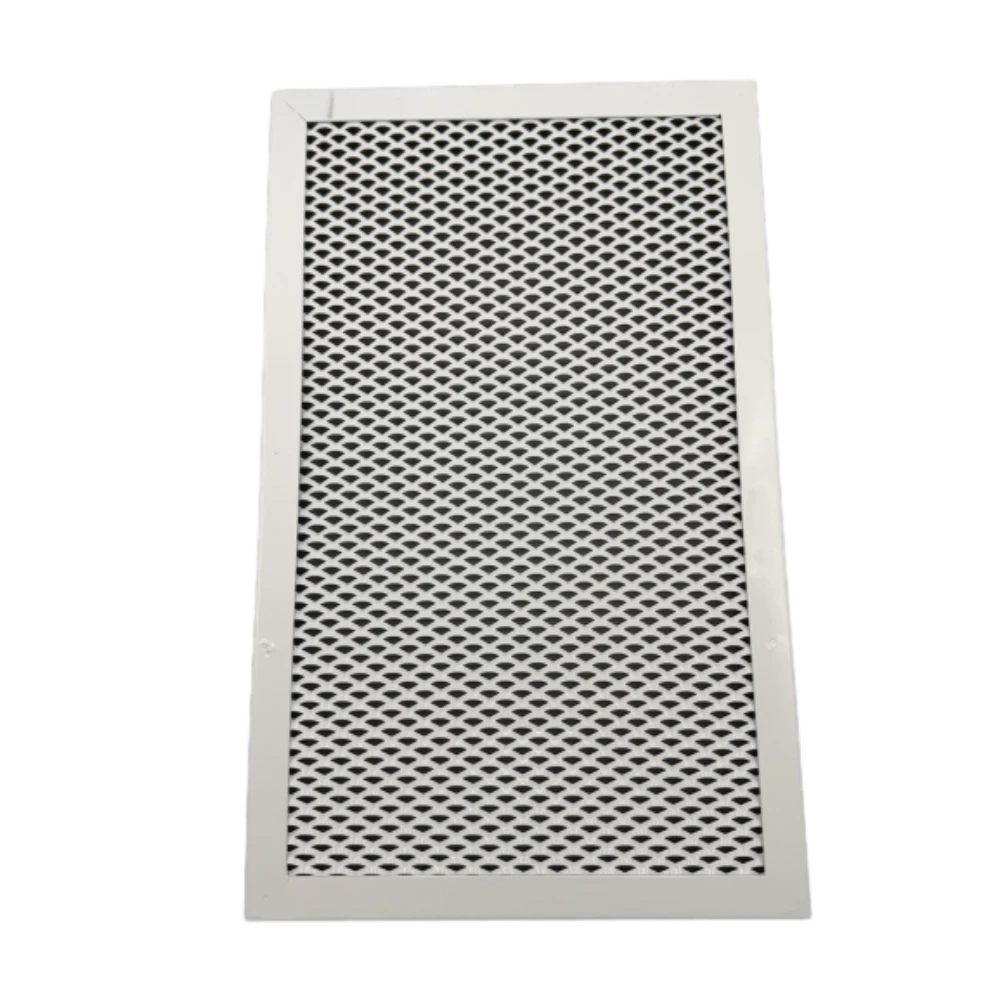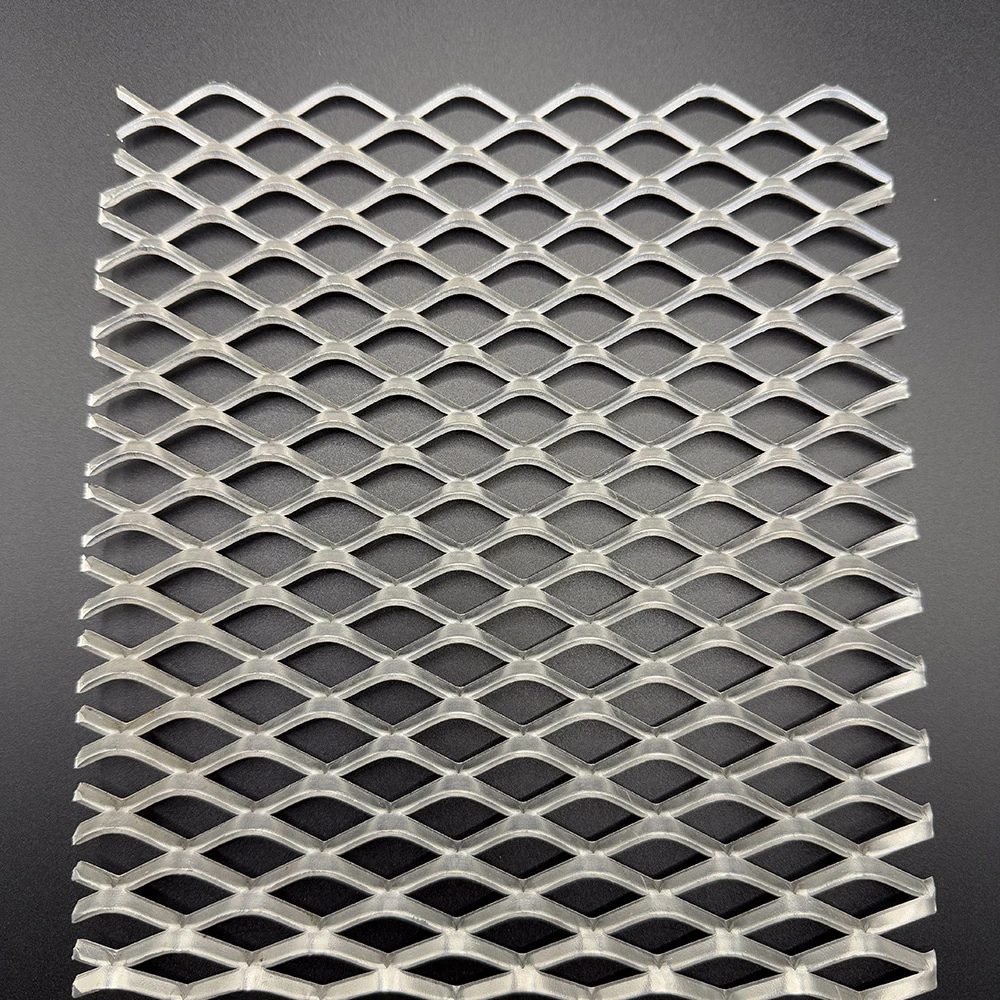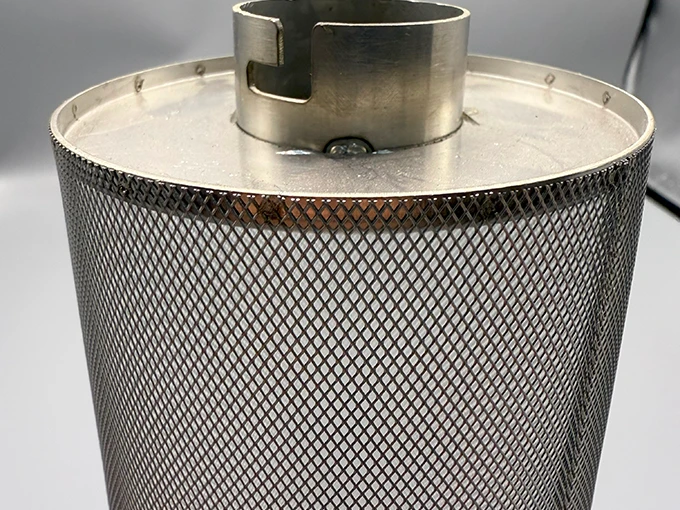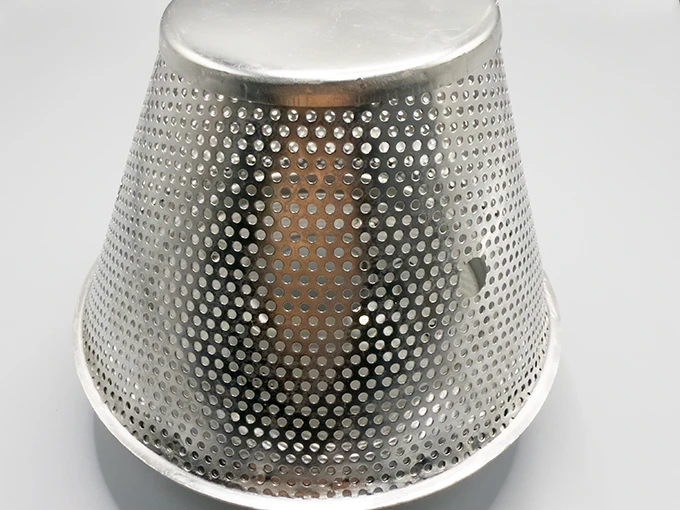

Square perforated aluminum sheet is a versatile material widely used across diverse industries. Its unique combination of strength, lightweight properties, and customizable hole patterns makes it ideal for applications ranging from architectural facades to industrial filtration. This article will explore the key features, benefits, common applications, and considerations when selecting square perforated aluminum sheet. We’ll delve into how its design characteristics impact performance and longevity, providing valuable insights for engineers, architects, and procurement professionals.
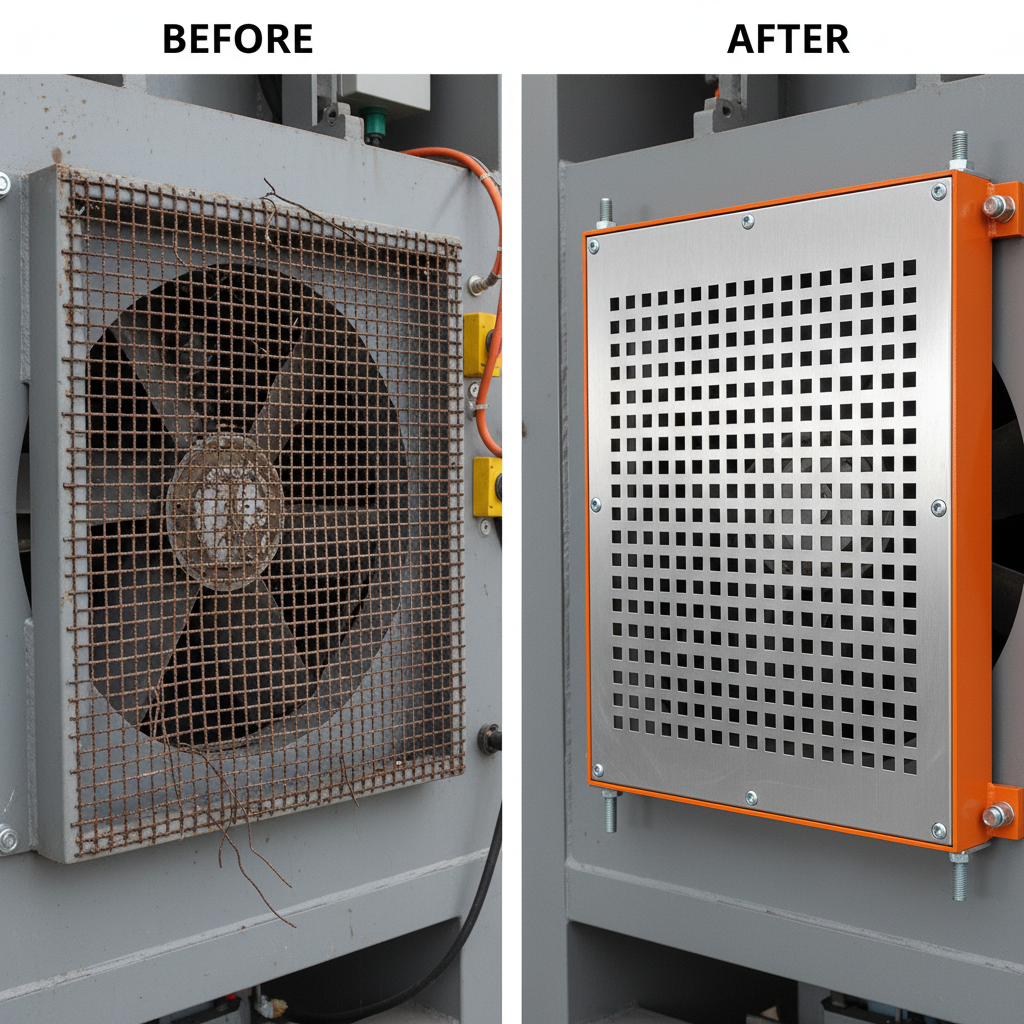
Square perforated aluminum sheet is characterized by regularly spaced, square-shaped holes across the sheet's surface. These sheets are typically manufactured from various aluminum alloys, each offering unique properties in terms of strength, corrosion resistance, and weldability. The size and spacing of the perforations can be customized to meet specific application requirements. Furthermore, the material’s lightweight nature, combined with its inherent durability, provides an excellent strength-to-weight ratio. This makes it an attractive alternative to heavier materials like steel in many applications. CC Metal Mesh offers a wide range of customization options to fulfill varied project needs.
Key Highlights: Customizable hole sizes and patterns, lightweight and durable, excellent strength-to-weight ratio, corrosion resistant.
The applications of square perforated aluminum sheet are exceptionally broad. In architecture, it serves as a decorative facade element, providing both aesthetic appeal and solar shading. Industrially, it’s used for noise reduction enclosures, filter screens, and ventilation systems. The aerospace industry utilizes it for lightweight components requiring specific airflow characteristics. Beyond these, you'll find it in speaker grilles, radiator shrouds, and even kitchen appliances. Its versatility stems from the ability to control airflow, light transmission, and sound propagation through careful perforation design.
Common Applications:
• Architectural Facades
• Industrial Filtration
• Noise Reduction
• Ventilation Systems
While other materials can be perforated, aluminum offers distinct advantages. Compared to steel, it is significantly lighter, reducing structural load. Compared to plastic, it boasts superior strength, durability, and temperature resistance. While stainless steel offers excellent corrosion resistance, it is considerably more expensive than aluminum. The following table highlights a comparison of key properties:
Selecting the right square perforated aluminum sheet requires careful consideration of several factors. The hole size and pattern should be chosen based on the specific application’s requirements for airflow, light transmission, or filtration. The aluminum alloy selected should be appropriate for the environment, considering factors like corrosion resistance and temperature extremes. Sheet thickness impacts strength and rigidity, and should be chosen accordingly. Finally, consider the manufacturing tolerances and surface finish requirements for your project.
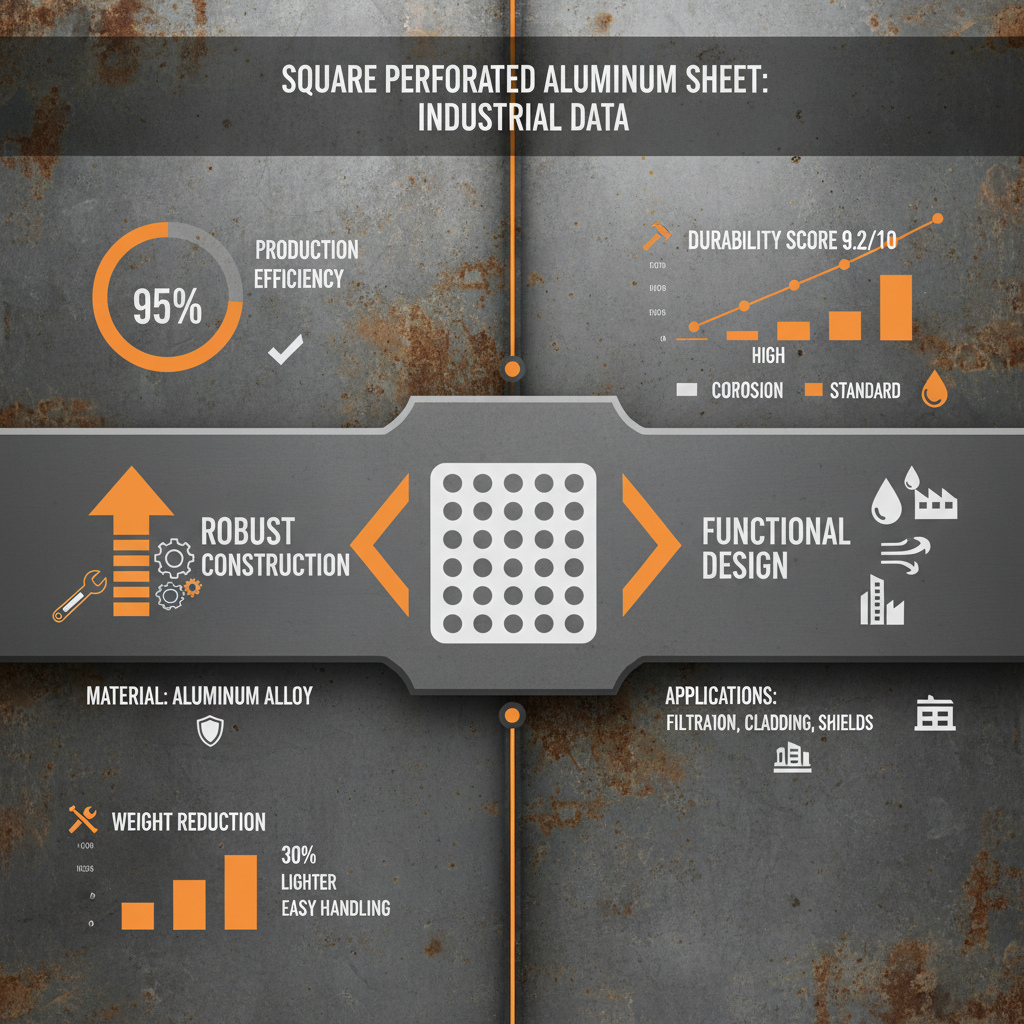
One of the significant advantages of working with CC Metal Mesh is the extensive range of customization options available. From hole size and spacing to sheet thickness and alloy selection, they can tailor the material to your exact specifications. Furthermore, they offer various finishing options, including anodizing and powder coating, to enhance corrosion resistance and aesthetics. Sourcing from a reputable supplier ensures consistent quality and adherence to industry standards.
Square perforated aluminum sheet is a highly versatile material with a wide range of applications. Its unique combination of properties makes it an ideal choice for architects, engineers, and industrial designers. By understanding its features, benefits, and available customization options, you can leverage this material to create innovative and effective solutions for your projects. CC Metal Mesh offers reliable quality and expert guidance for all your perforated metal needs.
Commonly used alloys include 3003, 5052, and 6061. 3003 offers excellent corrosion resistance and workability, making it suitable for general applications. 5052 is known for its higher strength and good weldability, making it ideal for marine environments. 6061 is a heat-treatable alloy that provides even higher strength and is often used in structural applications. The best alloy choice depends on the specific performance requirements and environmental conditions.
Yes, square perforated aluminum sheets can be easily painted or powder-coated. Powder coating is generally preferred as it provides a more durable and uniform finish, enhancing corrosion resistance and aesthetic appeal. Proper surface preparation is crucial for ensuring good adhesion of the coating. Various colors and finishes are available to match your specific design requirements.
Lead times vary depending on the complexity of the order, the quantity required, and the current production schedule. Generally, standard orders can be fulfilled within 1-2 weeks, while custom orders with specific hole patterns or alloy requirements may take 3-4 weeks. It’s always best to contact CC Metal Mesh directly for an accurate quote and lead time estimate.
Determining the optimal hole size and spacing depends on the specific application requirements. For airflow, larger holes and wider spacing provide greater airflow. For filtration, smaller holes and closer spacing offer finer filtration. Consider the pressure drop and noise levels as well. Consulting with an experienced engineer or material specialist, such as the team at CC Metal Mesh, can help you identify the best solution for your needs.



![$item[alt]](https://images.exportstart.com/images/a1393/cc-7691.webp "$item[title]")