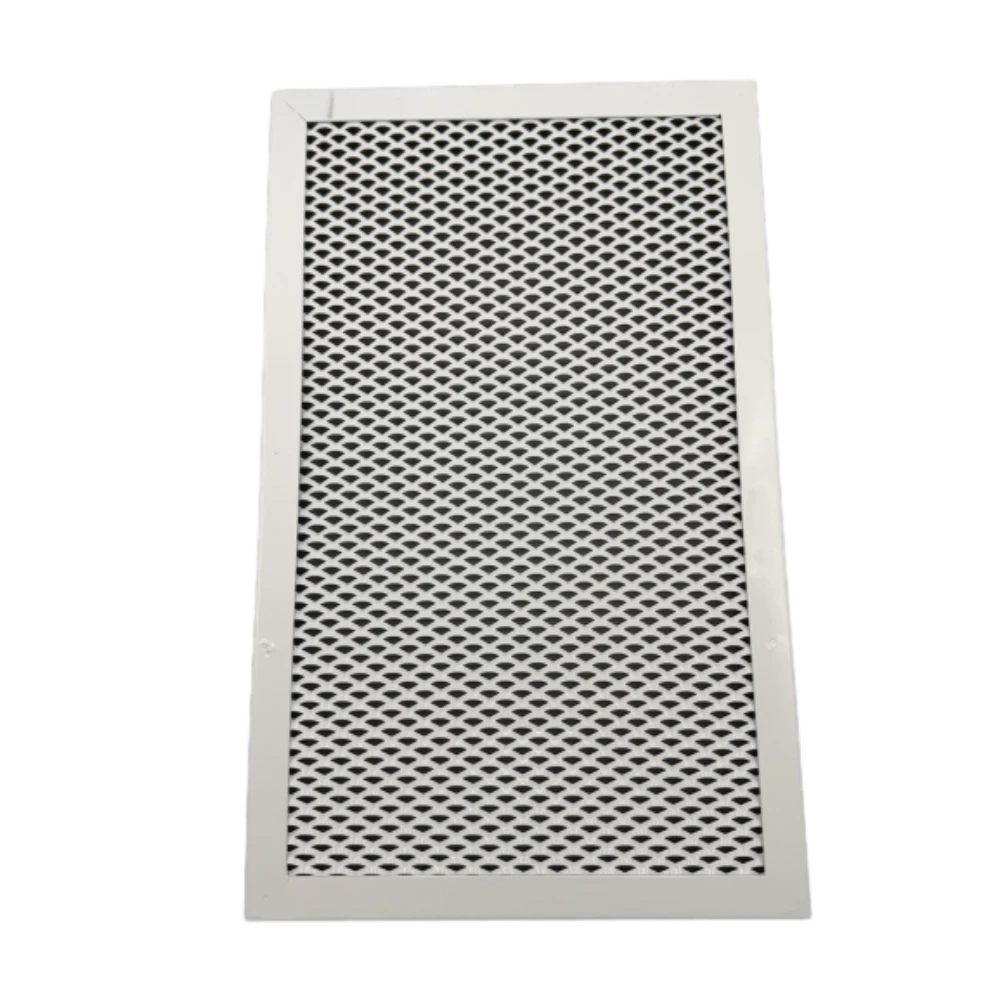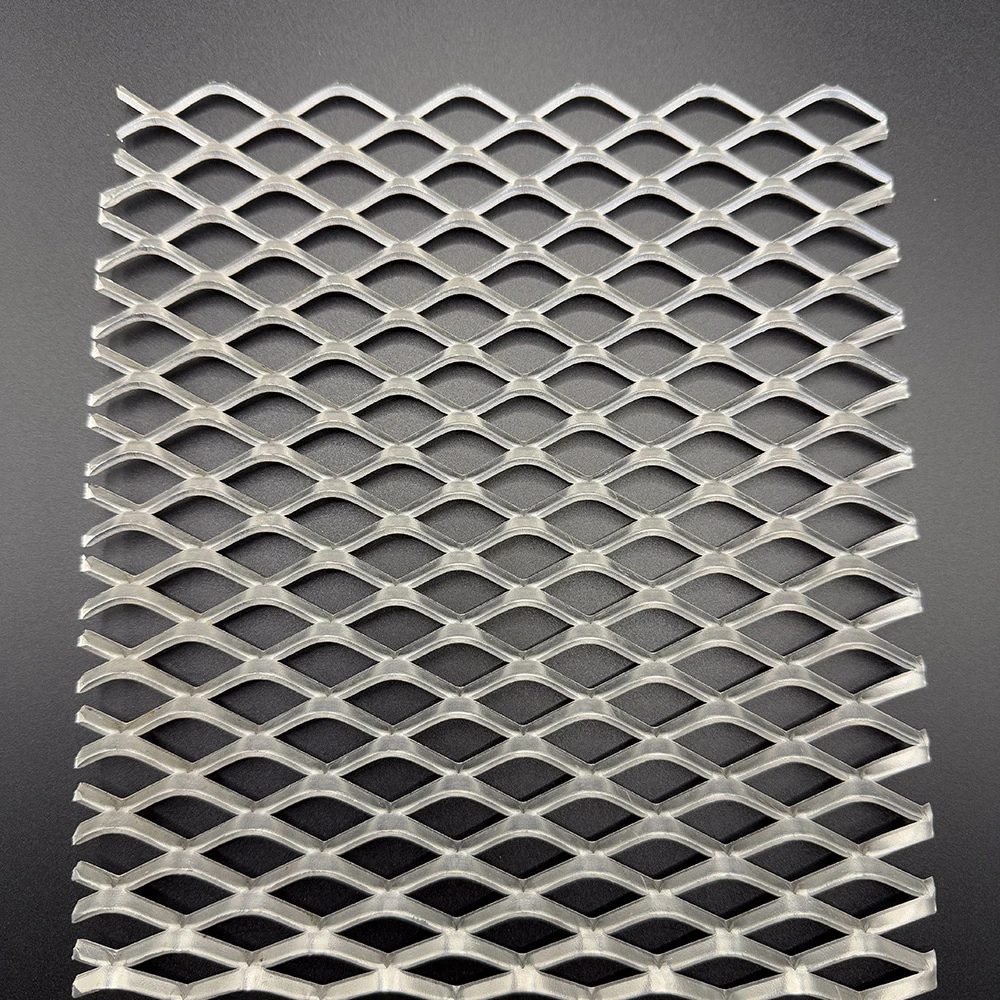

In the realm of B2B industrial applications, the role of engineered materials is paramount. Among these, the perforated sheet stands out as a versatile and indispensable component. Offering a unique combination of strength, ventilation, filtration, and aesthetic appeal, its utility spans across an impressive array of sectors. From intricate filtration systems in petrochemical facilities to robust architectural facades, the demand for precision-engineered perforated materials continues to surge.
Current industry trends highlight a significant shift towards advanced materials and highly specialized configurations. There is a growing emphasis on high-performance alloys, particularly perforated sheet ss (stainless steel), due to its exceptional corrosion resistance and durability. Furthermore, the market is increasingly driven by the need for custom perforated sheet solutions, enabling engineers and designers to achieve precise specifications for optimal performance and integration. Innovations in manufacturing technology are also pushing the boundaries of intricate perforated sheet design, allowing for smaller holes, tighter tolerances, and more complex patterns, which cater to specialized functions such as advanced sound attenuation and precise particulate separation. Sustainability initiatives are also influencing material selection and production processes, favoring recyclable materials and energy-efficient manufacturing.
Understanding the technical parameters of a perforated sheet is crucial for optimal material selection and application performance. These parameters dictate the sheet's mechanical properties, filtration capabilities, acoustical performance, and aesthetic characteristics. Key specifications include material type, hole pattern, open area, gauge (thickness), and sheet dimensions.
The perforated sheet design encompasses various hole patterns, each offering distinct advantages. Common patterns include round (most common, provides high open area), square (offers a clean, linear look), slotted (ideal for screening and ventilation in specific directions), and hexagonal (provides a large open area with a unique aesthetic). The "open area" refers to the total area of the holes divided by the total area of the sheet, expressed as a percentage. This parameter directly influences filtration rates, airflow, light transmission, and acoustical performance. "Pitch" is the distance from the center of one hole to the center of the next, while "bar width" refers to the material left between holes, impacting structural integrity.
| Parameter | Description / Value |
|---|---|
| Product Name | Winter sweet Perforated Sheet |
| Material Options | Stainless Steel (304, 316, 316L), Carbon Steel, Aluminum, Galvanized Steel |
| Standard Hole Patterns | Round (staggered, straight), Square (staggered, straight), Slotted, Hexagonal |
| Hole Diameter Range | 0.5 mm to 50 mm (0.02" to 2") |
| Sheet Thickness (Gauge) | 0.3 mm to 10 mm (0.012" to 0.394") |
| Open Area Percentage | 20% to 70% (Application Dependent) |
| Max Sheet Size | 1500 mm x 3000 mm (5' x 10') - Larger sizes available as custom perforated sheet |
| Edge Margins | Plain, Sheared, or Perforated to Edge (Customizable) |
| Compliance Standards | ISO 9001:2015, ASTM E2770-10, ANSI/AWWA, EU RoHS Compliant |
The production of a high-quality perforated sheet is a sophisticated process involving several critical stages, each contributing to the final product's precision, durability, and performance. Our manufacturing adheres to stringent quality controls and international standards to ensure optimal outcomes for demanding B2B applications.
The process begins with the careful selection of raw material, typically in coil or sheet form. Materials like perforated sheet ss (e.g., 304, 316), carbon steel, aluminum, or galvanized steel are chosen based on the client's application requirements, considering factors such as corrosion resistance, strength, and weldability. Material batches undergo initial inspection for defects and are then prepared for processing, which may include cutting to preliminary dimensions.
This is the core manufacturing step. Various methods are employed:
During perforation, parameters such as hole size, pitch, and pattern are meticulously controlled according to engineered drawings.
The perforation process can introduce stresses and burrs. Sheets are run through precision levelers to ensure flatness, eliminating any bowing or distortion. Deburring equipment then removes sharp edges or burrs from the holes, enhancing safety and ensuring smooth surfaces, crucial for applications like filtration or architectural finishes.
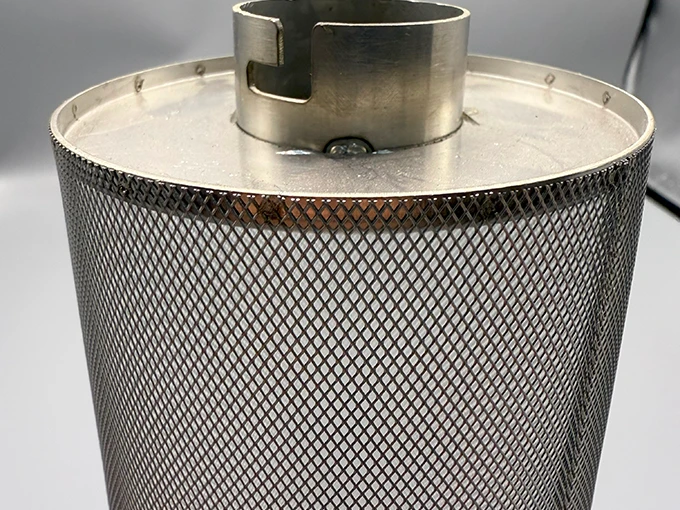
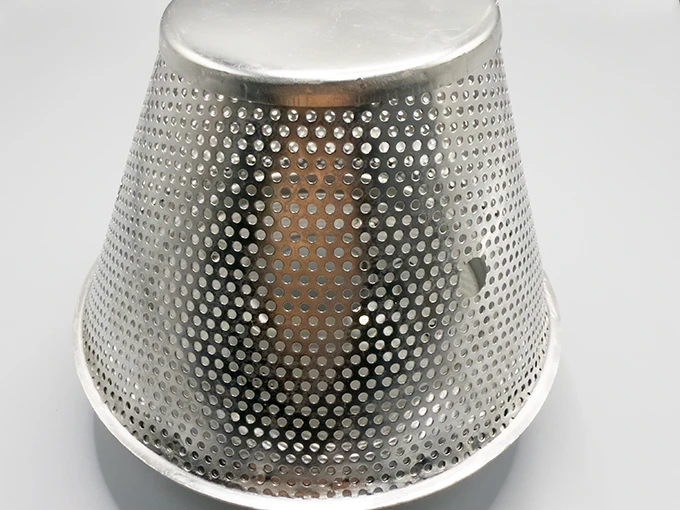
The perforated material is then sheared to the final specified dimensions. Further fabrication, such as bending, rolling, welding, or forming into specific shapes (e.g., cylinders, cones), can be performed to meet the requirements of a custom perforated sheet order.
Depending on the application, various finishes are applied. This can include cleaning, degreasing, pickling and passivation (for perforated sheet ss to enhance corrosion resistance), powder coating, anodizing, or polishing. These treatments improve aesthetics, increase durability, and provide additional protection against environmental factors.
Each batch undergoes rigorous quality inspection. This includes dimensional checks (hole size, pitch, sheet dimensions), material composition verification, flatness testing, and visual inspection for burrs or defects. Compliance with standards such as ISO 9001:2015 for quality management, ASTM E2770-10 for standard practice in calculating open area, and ANSI/AWWA for water treatment applications is strictly maintained. Our products are also compliant with EU RoHS directives where applicable.
The service life of a perforated sheet is significantly influenced by material choice, environmental conditions, and proper installation. For example, perforated sheet ss can offer decades of service in corrosive environments, while galvanized carbon steel provides a robust, cost-effective solution for many outdoor industrial settings. Our products find extensive use in industries such as petrochemical (filtration, catalysts support), metallurgy (sieve plates, furnace parts), water supply & drainage (screens, filters), HVAC (diffusers, grilles), food & beverage processing (screens, sorting), and architectural design (facades, sunscreens).
In typical application scenarios, such as HVAC systems, the precise open area of a perforated sheet contributes significantly to energy saving by optimizing airflow and minimizing pressure drop. In highly corrosive environments like offshore oil platforms, the use of perforated sheet ss ensures exceptional corrosion resistance, reducing maintenance costs and enhancing operational safety.
The inherent versatility and customizable nature of perforated sheet make it an essential component across a multitude of industries. Its ability to control light, air, sound, and liquids, combined with robust structural integrity, allows for innovative solutions in diverse environments.
The strategic deployment of perforated sheet offers a myriad of technical advantages that directly translate into operational efficiency, safety enhancements, and cost reductions across various industrial and commercial applications.
Selecting the right supplier for perforated sheet is a critical decision that impacts project timelines, product quality, and overall cost-effectiveness. A thorough evaluation of potential vendors based on specific criteria is essential for B2B decision-makers.
| Characteristic | Stainless Steel (e.g., 304/316) | Carbon Steel (Plain/Galvanized) | Aluminum (e.g., 5052/6061) |
|---|---|---|---|
| Corrosion Resistance | Excellent (esp. 316L) | Poor (Good when galvanized) | Good (Natural oxide layer) |
| Strength | High | High | Moderate (Good strength-to-weight) |
| Weight | Heavy | Heavy | Light |
| Cost | High | Low | Medium |
| Formability/Weldability | Good | Excellent | Excellent |
| Typical Applications | Chemical, Food, Marine, Architectural (where perforated sheet ss is preferred) | Structural, Industrial flooring, Machine guards, General filtration | HVAC, Architectural, Decorative, Aerospace |
In many B2B scenarios, off-the-shelf solutions for perforated sheet may not meet the precise functional or aesthetic requirements of a project. This is where custom perforated sheet solutions, backed by robust engineering expertise, become invaluable. Customization extends beyond merely altering dimensions; it encompasses material choice, hole geometry, open area optimization, and secondary fabrication.
The ability to provide truly customized solutions ensures that every project, no matter how complex, receives a perforated sheet product that is not just a component, but an optimized solution for peak performance and seamless integration.
Real-world applications demonstrate the tangible benefits of expertly engineered perforated sheet products. Here are a few examples showcasing their impact across different industries:
Challenge: A major petrochemical refinery required robust filter elements capable of withstanding high temperatures and corrosive chemicals to prevent catalyst contamination in their reactor units. Standard filtration meshes proved insufficient in terms of durability and consistent pore size.
Solution: We engineered custom perforated sheet panels using 316L perforated sheet ss, specifying a precise round-hole pattern with a tight tolerance on open area. The material's inherent corrosion resistance was further enhanced by a passivation treatment. The custom panels were then fabricated into robust cylindrical filter baskets.
Outcome: The new perforated sheet ss filters demonstrated superior resistance to chemical degradation and mechanical stress. The precise hole configuration drastically improved filtration efficiency, leading to a significant reduction in catalyst loss and extended operational cycles, resulting in substantial cost savings and increased plant uptime.
Challenge: A new corporate headquarters building featured a large, multi-story atrium with significant echo and reverberation issues, negatively impacting communication and comfort for occupants. Aesthetic integration was also a key requirement.
Solution: Our team collaborated with the architects to design custom ceiling and wall panels using aluminum perforated sheet with a specific hexagonal perforated sheet design and open area, chosen for optimal sound absorption characteristics. The panels were powder-coated in a bespoke finish to complement the interior design. Behind the perforated sheets, acoustic dampening material was installed.
Outcome: The installation of the perforated acoustic panels dramatically reduced reverberation times, transforming the atrium into a functional and pleasant space. The aesthetic appeal of the custom design also enhanced the modern look of the corporate environment, proving that functionality and visual appeal can be achieved simultaneously with expertly crafted perforated sheet.
Challenge: A rapidly expanding data center needed to upgrade its flooring system to improve cold aisle containment and cooling efficiency for high-density server racks. The existing solid flooring restricted airflow, leading to hot spots and increased energy consumption for cooling.
Solution: We provided heavy-gauge galvanized carbon steel perforated sheet floor tiles, engineered with a high open area rectangular slot pattern. These tiles were designed to replace specific sections of the raised floor, directly beneath critical server racks, optimizing airflow delivery where it was most needed. The galvanized finish ensured long-term durability in a high-traffic environment.
Outcome: The strategic placement of the perforated sheet floor tiles resulted in a significant improvement in cold air distribution, effectively eliminating hot spots and allowing for a reduction in the overall cooling system's workload. This led to measurable energy saving and enhanced reliability of the data center's operations, demonstrating the critical role of precise airflow management through specialized perforated sheet design.
Establishing trust with B2B clients is paramount. We achieve this through transparent processes, clear commitments, and responsive support. Here's what you can expect:
We understand the importance of timely delivery in B2B operations. Our advanced production planning and logistics ensure efficient order fulfillment. Standard products are typically shipped within 2-4 weeks, while complex custom perforated sheet orders are handled on a project-by-project basis with clear communication on lead times. Expedited services may be available for critical projects.
All our perforated sheet products are backed by a comprehensive warranty against manufacturing defects and material failures under normal operating conditions. Specific warranty terms vary by product and application, and full details are provided with each quotation. Our commitment is to deliver products that meet or exceed industry standards and client expectations.
Our dedicated customer support team is available to assist you with inquiries, technical support, order tracking, and after-sales service. We believe in building long-term partnerships through responsive and knowledgeable assistance. Contact us via phone, email, or through our website for prompt and professional support.
The modern industrial landscape demands materials that are not only robust and reliable but also versatile and customizable. The perforated sheet stands as a testament to these requirements, offering an unparalleled blend of functional and aesthetic advantages across a vast spectrum of B2B applications. From enhancing the efficiency of critical filtration systems with perforated sheet ss to crafting innovative architectural solutions through precise custom perforated sheet and sophisticated perforated sheet design, its utility is ever-expanding.
As a trusted partner, we are committed to providing superior quality, precision-engineered perforated metal solutions that meet the evolving demands of our clients. Our expertise, advanced manufacturing capabilities, and unwavering focus on customer satisfaction ensure that every product we deliver not only meets but exceeds expectations, driving operational excellence and long-term value for your projects.



![$item[alt]](https://images.exportstart.com/images/a1393/cc-7691.webp "$item[title]")