Introduction to Sintered Felt Technology
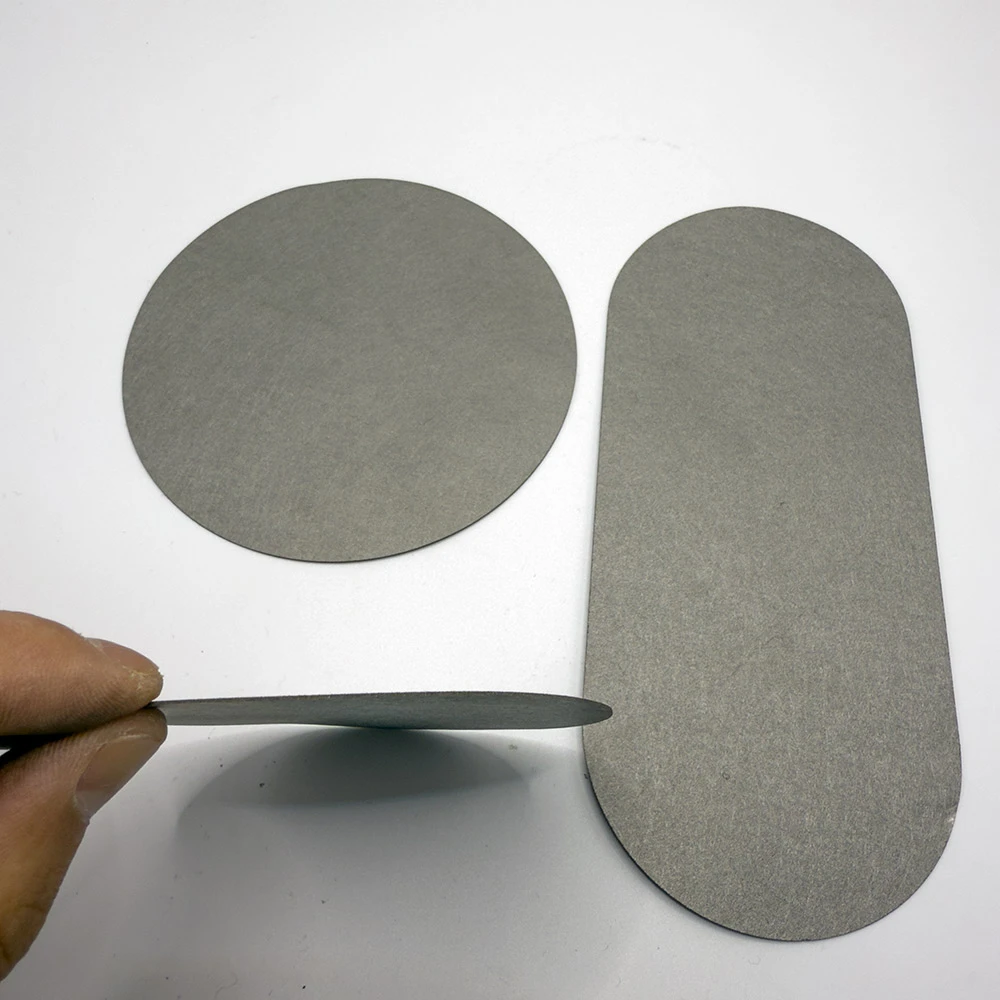
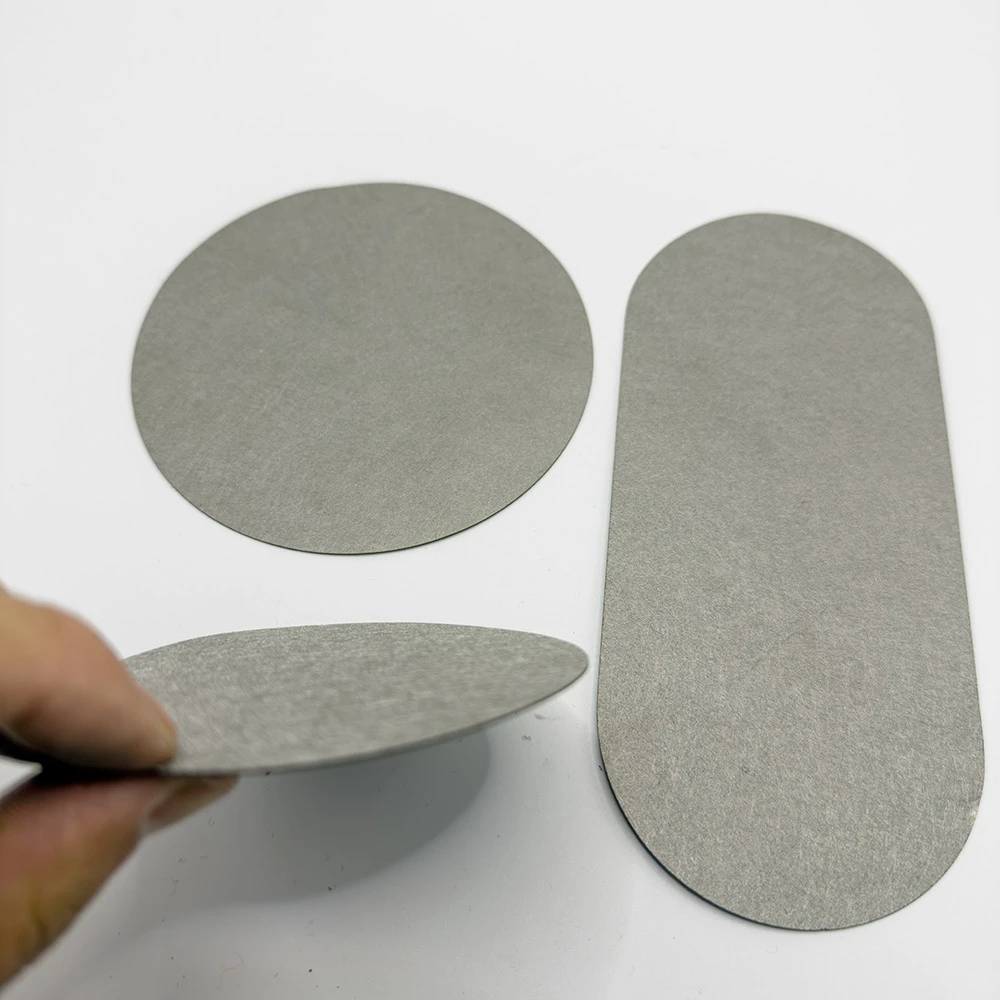
In advanced industrial filtration and high-performance material applications, the role of sintered felt is increasingly pivotal. This sophisticated material, often referred to as sintered metal fiber felt or sintered fiber felt, is engineered from meticulously arranged fine metal fibers, typically stainless steel fiber felt, which are then subjected to a high-temperature sintering process. This process consolidates the fibers at their contact points, forming a porous yet robust three-dimensional matrix. The resulting structure delivers exceptional porosity, uniform pore distribution, and superior mechanical strength, making it indispensable across a spectrum of demanding industries. Its unique characteristics enable unparalleled performance in areas requiring precise filtration, high-temperature resistance, and corrosive environment durability. This article delves into the intricacies of this material, exploring its manufacturing, applications, and strategic advantages.
The demand for robust, efficient, and long-lasting filtration and support media continues to drive innovation, positioning sintered felt at the forefront of material science. Its adaptability to various operational parameters, coupled with its inherent durability, makes it a preferred choice for engineers and decision-makers seeking optimized solutions for complex industrial challenges. From enhancing process purity to safeguarding critical equipment, sintered felt offers a reliable and cost-effective pathway to improved operational efficiency and extended service life for system components.
Detailed Process Flow of Sintered Felt Manufacturing
The production of high-quality sintered metal fiber felt is a meticulous process that combines advanced material science with precise engineering. This multi-stage manufacturing sequence ensures the final product exhibits optimal porosity, mechanical integrity, and desired performance characteristics.
Key Stages of Production:
- 1. Fiber Preparation: The process begins with selecting high-grade metal fibers, commonly 316L stainless steel fiber felt, known for its excellent corrosion resistance and thermal stability. These fibers are typically fine, ranging from 2 to 50 micrometers in diameter, crucial for achieving precise filtration ratings. Fibers undergo cleaning to remove impurities and are often cut to specific lengths.
- 2. Fiber Laying (Web Formation): Prepared fibers are uniformly dispersed and laid into a non-woven web or felt structure. This can be achieved through various methods, including air-laying or wet-laying techniques, ensuring a consistent and homogeneous distribution of fibers. The goal is to create a pre-form with controlled thickness and density, which directly impacts the final product's porosity and permeability.
- 3. Sintering: The fiber web is then transferred to a high-temperature vacuum or controlled atmosphere furnace. During this critical stage, the material is heated to a temperature below its melting point but sufficient to cause atomic diffusion at the fiber contact points. This creates metallurgical bonds between adjacent fibers without melting the entire structure, resulting in a strong, stable, and porous matrix. The sintering parameters (temperature, time, atmosphere) are precisely controlled to achieve specific mechanical properties and pore structures.
- 4. Post-Sintering Processing: After sintering, the metal fiber felt may undergo further processing such as hot rolling or calendering to achieve desired thickness, permeability, and surface finish. This can enhance mechanical strength and further refine pore size distribution.
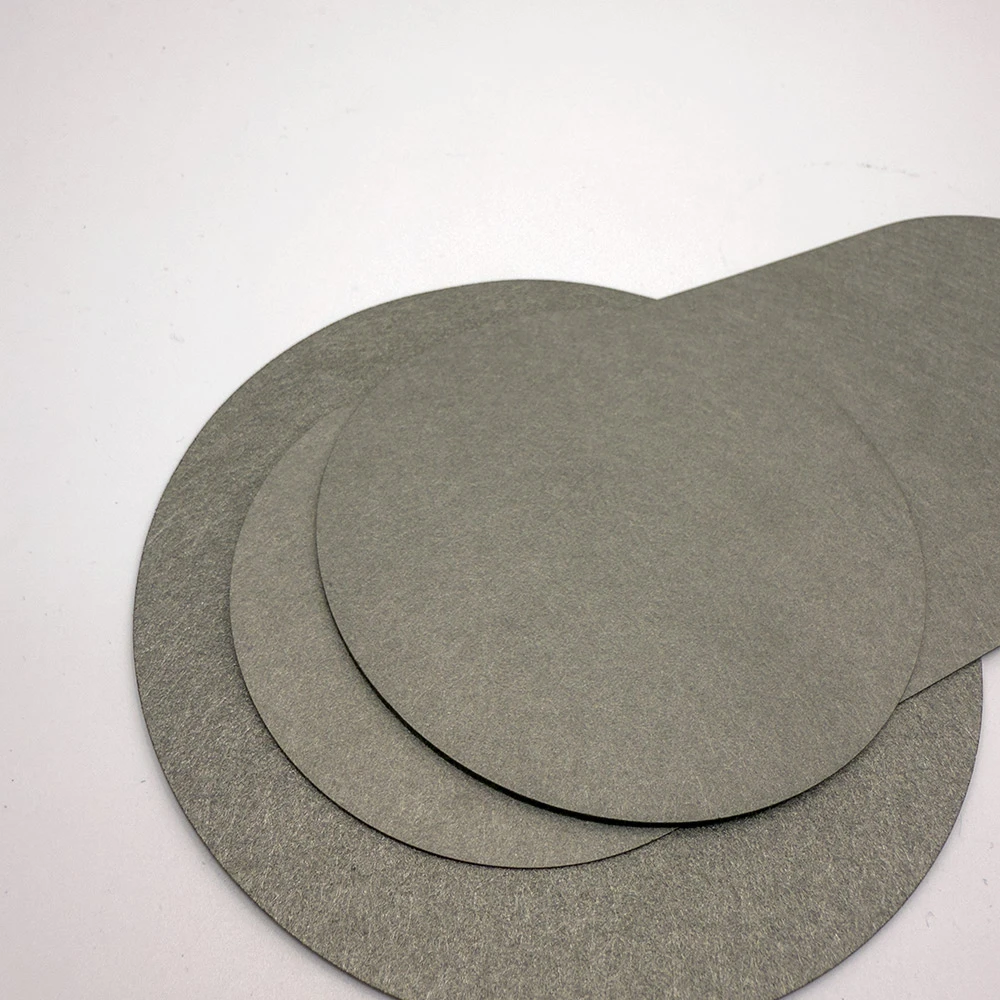
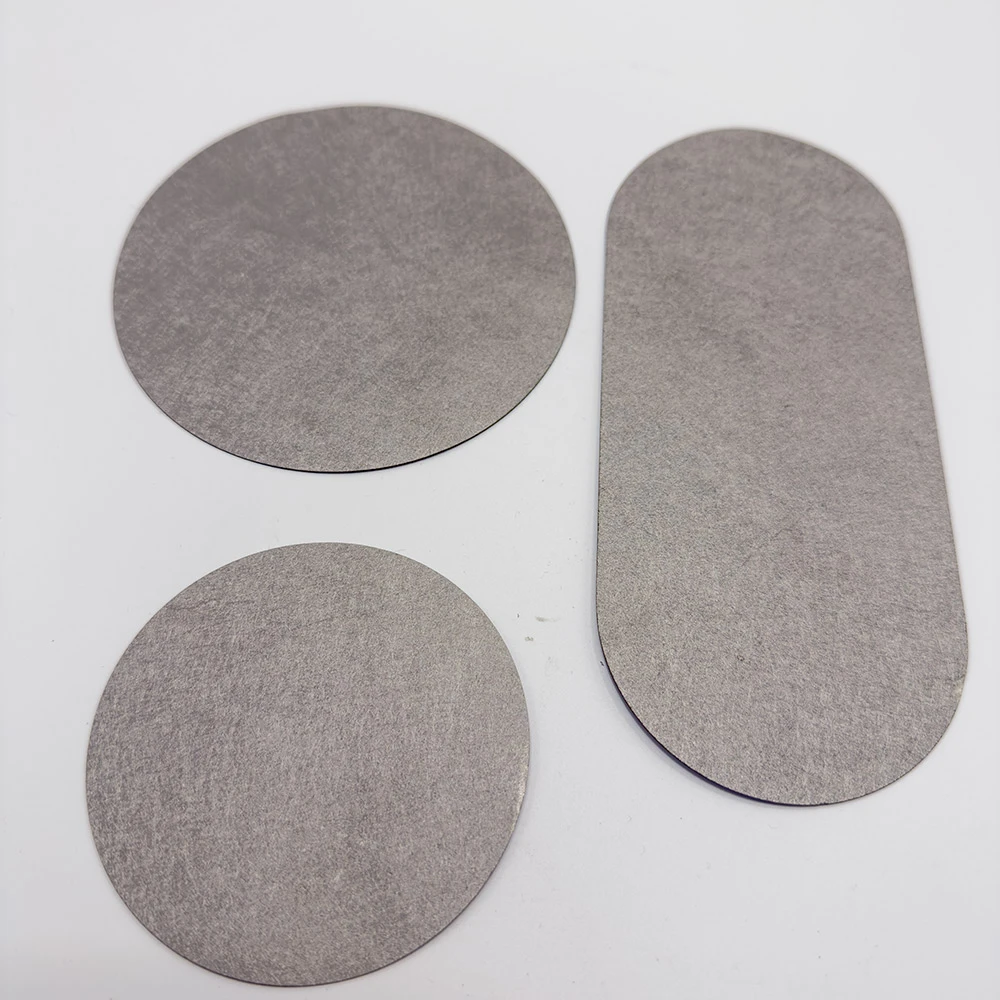
- 5. Cutting and Fabrication: The sintered material is then cut into various shapes and sizes—sheets, discs, tubes, or custom components—using methods like laser cutting, stamping, or CNC machining to meet specific application requirements.
- 6. Quality Control and Testing: Throughout the entire process, rigorous quality control measures are implemented. Products are tested against international standards such as ISO (e.g., ISO 4003 for permeability, ISO 2942 for bubble point test) and ANSI to verify pore size, permeability, mechanical strength, and corrosion resistance. Service life estimation is based on accelerated aging tests and real-world performance data.
The target industries for these advanced filtration media are diverse and demanding, including petrochemical processing, metallurgy, pharmaceutical production, water supply & drainage systems, and aerospace. In petrochemical applications, for instance, the corrosion resistance and high-temperature stability of sintered fiber felt lead to significant energy saving by enabling efficient separation processes in harsh chemical environments, while simultaneously extending the operational lifespan of filtration systems.
Industry Trends and Market Dynamics for Sintered Felt
The market for sintered metal fiber felt is driven by increasing global demand for enhanced operational efficiency, stringent environmental regulations, and the need for durable materials in extreme conditions. Key trends include:
- Growth in High-Purity Applications: Industries like pharmaceuticals, food and beverage, and semiconductor manufacturing require increasingly finer filtration and separation, where the uniform pore structure of sintered felt is critical.
- Shift Towards Sustainable Solutions: The reusability and cleanability of sintered fiber felt products reduce waste compared to disposable media, aligning with global sustainability goals. This extends to catalyst recovery and waste water treatment, where its performance contributes to cleaner processes.
- Demand in Extreme Environments: Expansion in sectors such as aerospace, nuclear energy, and high-temperature chemical processing necessitates materials that can withstand corrosive, high-pressure, and high-temperature conditions—precisely where stainless steel fiber felt excels.
- Innovation in Material Composition: Research into new alloy compositions and fiber geometries aims to further enhance properties like strength-to-weight ratio, filtration efficiency, and specific chemical resistance, broadening the application scope of metal fiber felt.
These trends underscore the evolving landscape of industrial materials, placing a premium on advanced solutions like sintered felt that offer both performance and long-term economic benefits.
Technical Specifications and Performance Parameters
Understanding the technical specifications of sintered metal fiber felt is crucial for its correct application. The material's performance is characterized by several key parameters, which dictate its suitability for various industrial processes. Below is a representative table outlining typical parameters for high-grade sintered felt, specifically for 316L stainless steel fiber felt.
Typical Polymer Sintered Felt Specifications (316L Stainless Steel)
| Parameter |
Typical Range/Value |
Measurement Standard |
| Material |
316L Stainless Steel (Standard), others available |
ASTM A276 |
| Filtration Rating (Absolute) |
0.5 µm - 200 µm |
ISO 16889, ASTM F795 |
| Porosity |
70% - 90% |
ISO 4003 |
| Permeability |
Varies greatly by thickness/rating |
ISO 4022 |
| Operating Temperature Range |
-200°C to +600°C (up to 1000°C in inert atmosphere) |
Manufacturer Specific |
| Tensile Strength |
Typically 100-300 MPa (for sintered sheet) |
ASTM E8/E8M |
| Thickness |
0.2 mm - 5 mm (customizable) |
ISO 4593 |
| Corrosion Resistance |
Excellent in oxidizing and reducing environments |
ASTM G31 |
These parameters highlight the versatility and robust nature of sintered fiber felt, making it suitable for applications where conventional media fail due to high temperatures, aggressive chemicals, or demanding mechanical stresses.
Application Scenarios and Technical Advantages
The unique properties of sintered felt—its high porosity, uniform pore size, corrosion resistance, and high-temperature tolerance—make it an indispensable material across a myriad of challenging industrial applications.
Typical Application Scenarios:
- Chemical & Petrochemical Industry: Used for catalyst recovery, fine filtration of corrosive liquids and gases, and as a support medium in reactors. Its resistance to aggressive chemicals ensures long operational life and maintains product purity.
- Pharmaceutical & Food Processing: Critical for sterile filtration, ensuring particulate-free solutions, and purifying process water. The ability to be easily cleaned and sterilized is a significant advantage.
- Power Generation (Nuclear & Conventional): Employed in steam filtration, condensate polishing, and fuel cell components where high thermal stability and robust mechanical properties are paramount.
- Environmental Protection: Effective in wastewater treatment for removing suspended solids, air pollution control for particulate capture, and as a diffusion layer in various eco-friendly technologies.
- Aerospace & Aviation: Used in hydraulic and fuel filtration systems, offering reliable performance under extreme pressure and temperature variations.
Technical Advantages of Sintered Felt:
- High Porosity and Excellent Permeability: Allows for high flow rates with minimal pressure drop, leading to significant energy saving in fluid processing systems.
- Superior Filtration Efficiency: The intricate, tortuous path created by the metal fiber felt structure provides exceptional capture efficiency for fine particles, ensuring high-purity outputs.
- High-Temperature Resistance: Capable of operating continuously at temperatures up to 600°C (and higher in certain conditions), far exceeding the limits of polymer-based filter media.
- Corrosion Resistance: Made from alloys like 316L stainless steel fiber felt, it exhibits outstanding resistance to acids, alkalis, and various corrosive chemicals, extending service life in harsh environments.
- Backwashable and Reusable: The robust, all-metal construction allows for repeated backwashing, steam cleaning, or ultrasonic cleaning, greatly extending the service life and reducing operational costs compared to disposable filters.
- Mechanical Strength: Sintered bonds provide high structural integrity, making it resistant to deformation under high differential pressures and mechanical stresses.
These inherent advantages position sintered felt as a premium solution for industries demanding uncompromising performance and reliability.
Vendor Comparison and Customized Solutions
Selecting the right vendor for sintered metal fiber felt is as critical as understanding the material itself. A reputable vendor offers not only high-quality standard products but also possesses the expertise to deliver tailored solutions.
Key Considerations for Vendor Comparison:
- Certifications and Quality Standards: Look for vendors who adhere to international quality management systems (e.g., ISO 9001) and whose products meet industry-specific standards (e.g., ASTM, FDA compliance where applicable).
- Experience and Specialization: A vendor with a proven track record and specialization in sintered fiber felt technology is more likely to provide expert advice and reliable products. Partner clients and years of service indicate strong industry presence.
- Technical Support and R&D: Access to engineering support for design, material selection, and troubleshooting is invaluable. Vendors with active R&D demonstrate a commitment to innovation and future-proof solutions.
- Customization Capabilities: The ability to manufacture sintered felt products in custom sizes, shapes, filtration ratings, and material alloys is crucial for niche or highly specialized applications.
- Lead Time and Supply Chain Reliability: Timely delivery and a robust supply chain are essential for project continuity and minimizing downtime.
Customized Solutions:
For many B2B clients, off-the-shelf solutions are insufficient. Leading manufacturers of sintered felt offer extensive customization options to precisely match client specifications. This includes:
- Tailored Filtration Ratings: Adjusting fiber diameter and web density to achieve specific absolute or nominal filtration efficiencies.
- Custom Geometries: Producing elements in unique shapes (e.g., pleated cartridges, conical filters, specific discs) to fit existing equipment or optimized new designs.
- Alloy Selection: Utilizing various metal alloys beyond standard 316L stainless steel fiber felt, such as Hastelloy, Inconel, or Titanium, for enhanced resistance to specific corrosive agents or extreme temperatures.
- Composite Structures: Combining sintered felt with other materials (e.g., mesh, perforated plate) to create multi-layer elements offering enhanced strength or specialized filtration characteristics.
These capabilities ensure that the optimal metal fiber felt solution can be engineered for even the most demanding and unique industrial requirements, underscoring the value of a collaborative relationship with a proficient manufacturer.
Application Case Studies: Sintered Felt in Action
Real-world applications powerfully illustrate the efficacy and advantages of sintered felt. These case studies demonstrate how industries leverage its unique properties to solve complex operational challenges.
Case Study 1: Catalyst Recovery in a Petrochemical Plant
A major petrochemical facility faced significant issues with catalyst fines entrainment in its fluidized bed reactor off-gas, leading to costly catalyst losses and environmental compliance challenges. Traditional ceramic filters frequently clogged and required high maintenance. The solution involved implementing custom-designed filter elements made from sintered metal fiber felt.
- Challenge: High-temperature (500°C), corrosive gas stream containing sub-micron catalyst particles.
- Sintered Felt Solution: 316L stainless steel fiber felt cartridges with a 5 µm absolute rating, designed for pulse-jet backwashing.
- Outcome: Over 99.9% recovery of catalyst fines, leading to millions in annual savings. Filter service life increased by 300% compared to previous media, drastically reducing maintenance and downtime. The corrosion resistance of the sintered felt ensured consistent performance without degradation.
Case Study 2: High-Purity Water Filtration for Pharmaceutical Production
A pharmaceutical company required ultra-pure water for critical process steps. Existing polymer membrane filters had limited operational life due to frequent sterilization cycles and susceptibility to chemical degradation, impacting production costs and schedules.
- Challenge: Need for absolute filtration down to 0.2 µm, withstand repeated steam sterilization (121°C), and resistance to CIP (Clean-In-Place) chemicals.
- Sintered Felt Solution: Specialized sintered fiber felt elements with optimized pore structure for sterile filtration, capable of enduring numerous steam and chemical sterilization cycles.
- Outcome: Achieved consistent water purity exceeding pharmacopeia standards. Filter element replacement frequency reduced by 80%, lowering consumable costs and improving overall process uptime. The robust nature of the sintered felt proved ideal for the demanding sterile environment.
Case Study 3: Gas Diffusion Layer in Fuel Cells
In the burgeoning hydrogen economy, fuel cell efficiency is paramount. A fuel cell manufacturer sought an advanced gas diffusion layer (GDL) material that offered superior electrical conductivity, excellent gas permeability, and structural integrity under operational loads.
- Challenge: Require a GDL material with precise porosity for optimal gas flow, high electrical conductivity, and durability against electrochemical degradation in a humid environment.
- Sintered Felt Solution: Thin sheets of conductive metal fiber felt, tailored for specific pore sizes and optimized surface treatments for hydrophobicity.
- Outcome: Significant improvement in fuel cell power density and efficiency due to enhanced gas distribution and water management. The inherent stability and conductivity of the sintered felt contributed to extended fuel cell lifespan and reduced overall system weight. This demonstrates the versatility of sintered felt beyond traditional filtration.
Trustworthiness: FAQ, Lead Time, Warranty & Support
Frequently Asked Questions (FAQ) about Sintered Felt
- Q1: What are the primary advantages of sintered felt over traditional filtration media?
- A1: Sintered felt offers superior advantages in high-temperature, high-pressure, and corrosive environments. It boasts high porosity, uniform pore distribution, excellent mechanical strength, and is typically backwashable and reusable, significantly extending service life and reducing operational costs compared to disposable options.
- Q2: Can sintered metal fiber felt be customized for specific applications?
- A2: Absolutely. Customization is a key strength. We can tailor filtration ratings, physical dimensions, shapes (discs, tubes, sheets), and material alloys (e.g., Hastelloy, Inconel) to meet precise operational parameters and system requirements.
- Q3: What is the expected service life of sintered fiber felt products?
- A3: The service life of sintered felt products is exceptionally long, often spanning several years, especially with proper maintenance and cleaning. Factors like operating conditions (temperature, pressure, chemical exposure) and cleaning frequency influence longevity. Its reusability significantly reduces the total cost of ownership.
- Q4: What testing standards do your stainless steel fiber felt products meet?
- A4: Our products are rigorously tested to meet or exceed international standards such as ISO (e.g., ISO 4003, ISO 2942, ISO 16889), ASTM (e.g., ASTM F795, ASTM E8/E8M), and other relevant industry specifications. This ensures high quality and reliable performance.
Lead Time & Fulfillment
Standard sintered felt products typically have a lead time of 2-4 weeks, depending on order volume and current production schedules. For highly customized solutions, lead times may vary and will be communicated clearly during the quotation process, typically ranging from 4-8 weeks to account for design, prototyping, and specialized manufacturing steps. We prioritize efficient order processing and timely fulfillment to support your project timelines.
Warranty Commitments
We stand behind the quality and performance of our sintered felt products. All products come with a standard 12-month warranty against manufacturing defects from the date of purchase. Extended warranty options are available for specific long-term projects or critical applications, subject to negotiation. Our commitment is to deliver products that meet specified performance criteria and withstand the rigors of industrial use.
Customer Support
Our dedicated team of technical experts and customer service representatives is available to assist you with product selection, technical inquiries, custom solution development, and after-sales support. For immediate assistance, please visit our website's contact page or reach out via email or phone. We are committed to providing comprehensive support to ensure optimal product integration and performance throughout its lifecycle.
References
- ASTM International. (n.d.). www.astm.org
- International Organization for Standardization (ISO). (n.d.). www.iso.org
- Filters and Filtration Handbook (Sixth Edition). (2018). Elsevier.
- Journal of Materials Science and Technology. (Various issues).





![$item[alt]](https://images.exportstart.com/images/a1393/cc-7691.webp "$item[title]")