
If you spend enough time around filters, screens, or architectural facades, you realize one “simple” product does a lot of heavy lifting. From Hou Zhuang Industry Zone, Anping County, 053600, Hebei Province—where mesh is practically a local dialect—Chen Cai keeps large stocks so common specs ship fast. That matters more than press releases, to be honest.
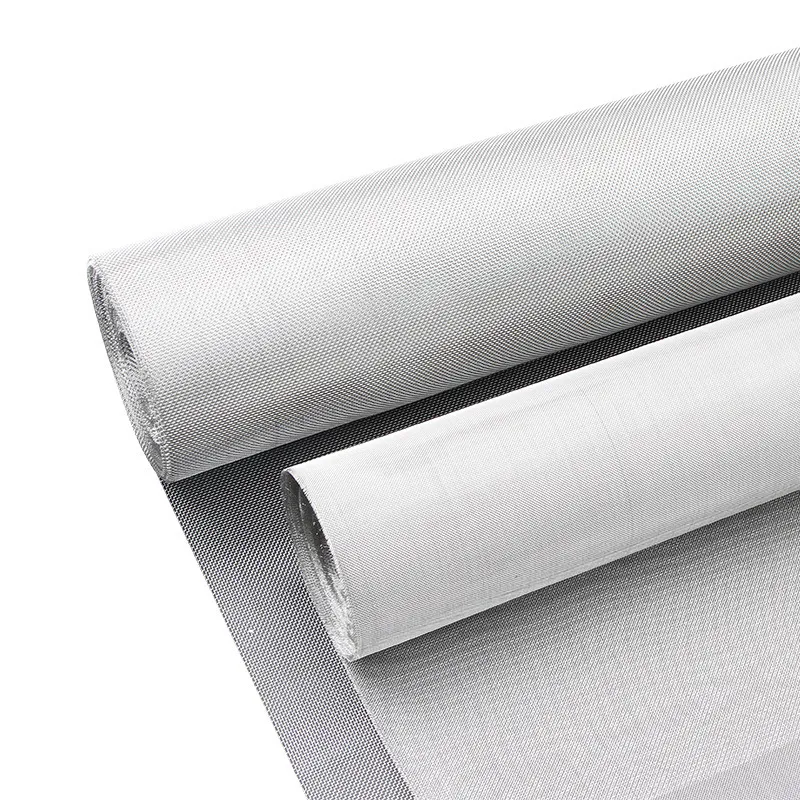
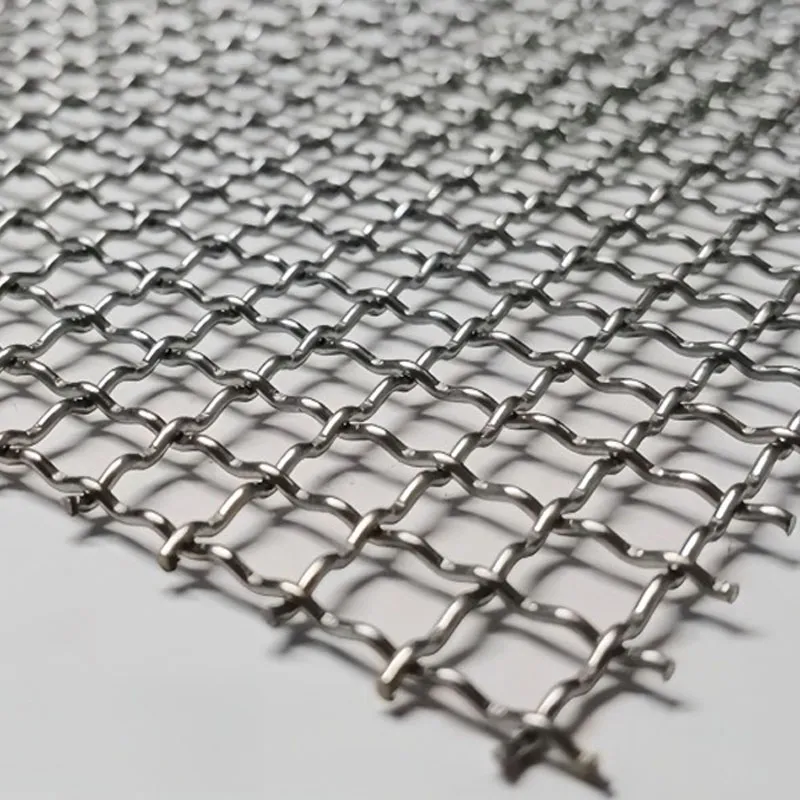
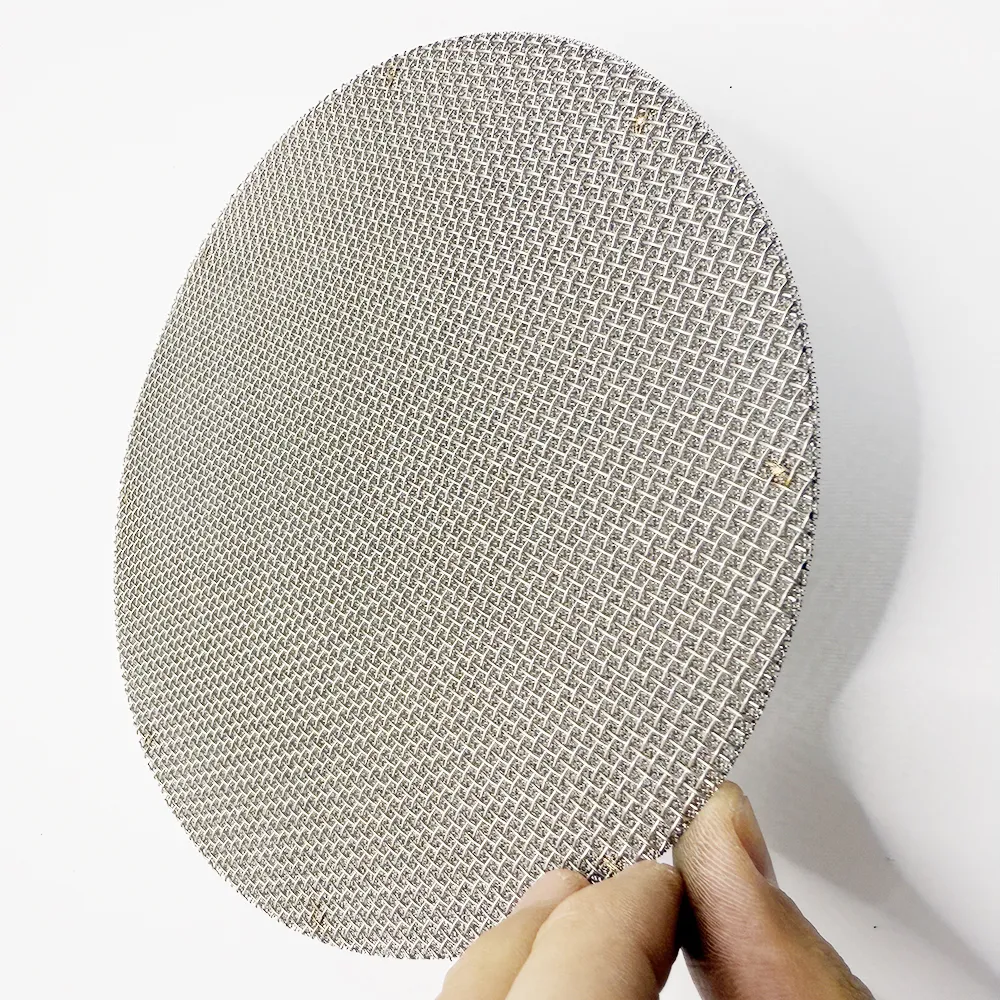
Wire starts as stainless rod, drawn to diameter per ASTM A580/A580M. Alloys are typically 304, 316L, 310S, and—when budgets allow—2205. Then: precision weaving (plain, twill, Dutch, reverse Dutch) on shuttle or rapier looms, optional annealing to relieve stress, surface cleaning, calendaring (if requested), and flat-cutting to width.
QC includes aperture and wire-diameter checks to ASTM E2016 and ISO 9044, tensile testing, and pore-size verification by image analysis. For aggressive environments, some buyers ask for ASTM B117 salt-spray snapshots (typical 316L ≈ 500–1000 h with sane edges and no crevice traps; real-world use may vary).
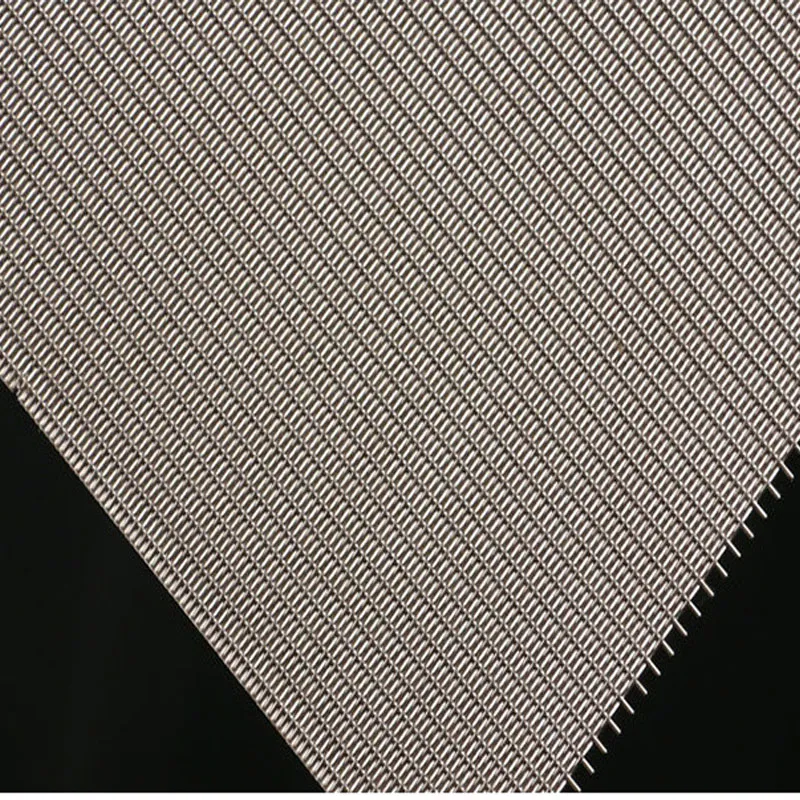
| Weave | Mesh (per inch) | Wire Ø (mm) | Opening (mm) | Open Area | Alloy | Typical Use |
|---|---|---|---|---|---|---|
| Plain | 10–80 | 0.25–0.60 | 0.20–1.8 | ≈40–70% | 304/316L | Screens, guards |
| Twill | 100–400 | 0.05–0.16 | 0.04–0.20 | ≈28–45% | 316L | Fine filtration |
| Dutch/Reverse Dutch | 80×700–200×1400 | 0.03–0.14 | Rated by µm | n/a | 316L/2205 | Pressure filtration |
Roll widths: 1.0–1.5 m (custom up to 3.0 m). Particle retention for 316L Dutch 160×800 often ≈ 20–25 μm at ∆P 10 kPa (lab media; always validate onsite).
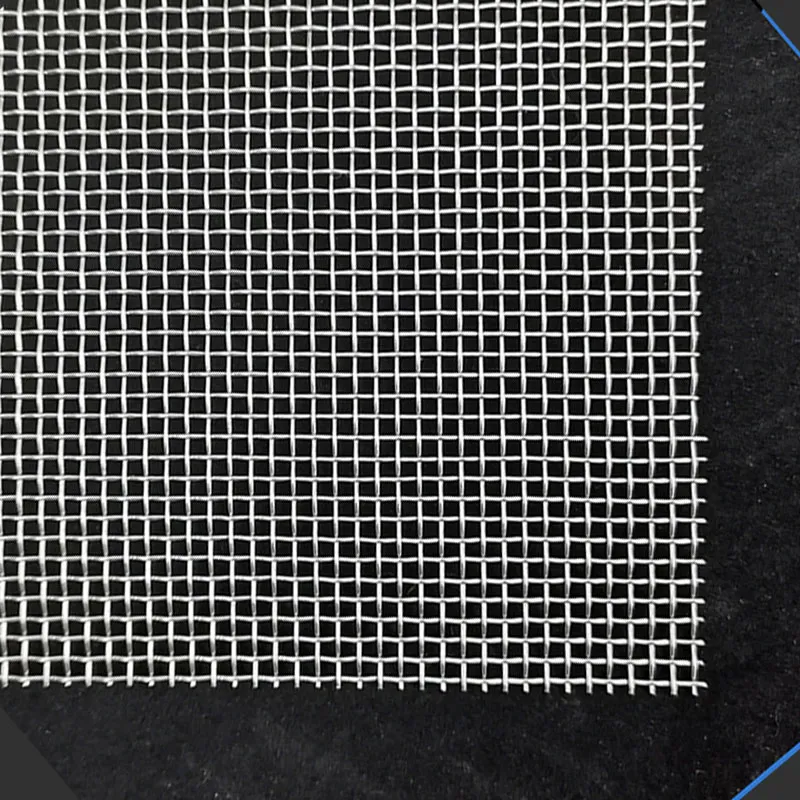
Service life can reach 8–15 years in light industrial atmospheres; offshore or acidic washdowns shorten this, but duplex grades stretch the curve.
| Vendor | Stock & MOQ | Lead Time | Certs/Tests | Customization |
|---|---|---|---|---|
| Chen Cai | Large stock; MOQ ≈ 1 roll common specs | 3–7 days stock; 10–20 days custom | ISO 9001; ASTM E2016 reports; CoC | Weave, alloy, calendaring, cut-to-size |
| Importer A | Moderate stock; higher MOQ | 2–6 weeks | Basic CoC; limited lab data | Standard widths only |
| Local Fabricator B | On-demand; small MOQ | Fast for cuts; longer for rolls | Project-based test notes | Cut/frames; limited weave choice |
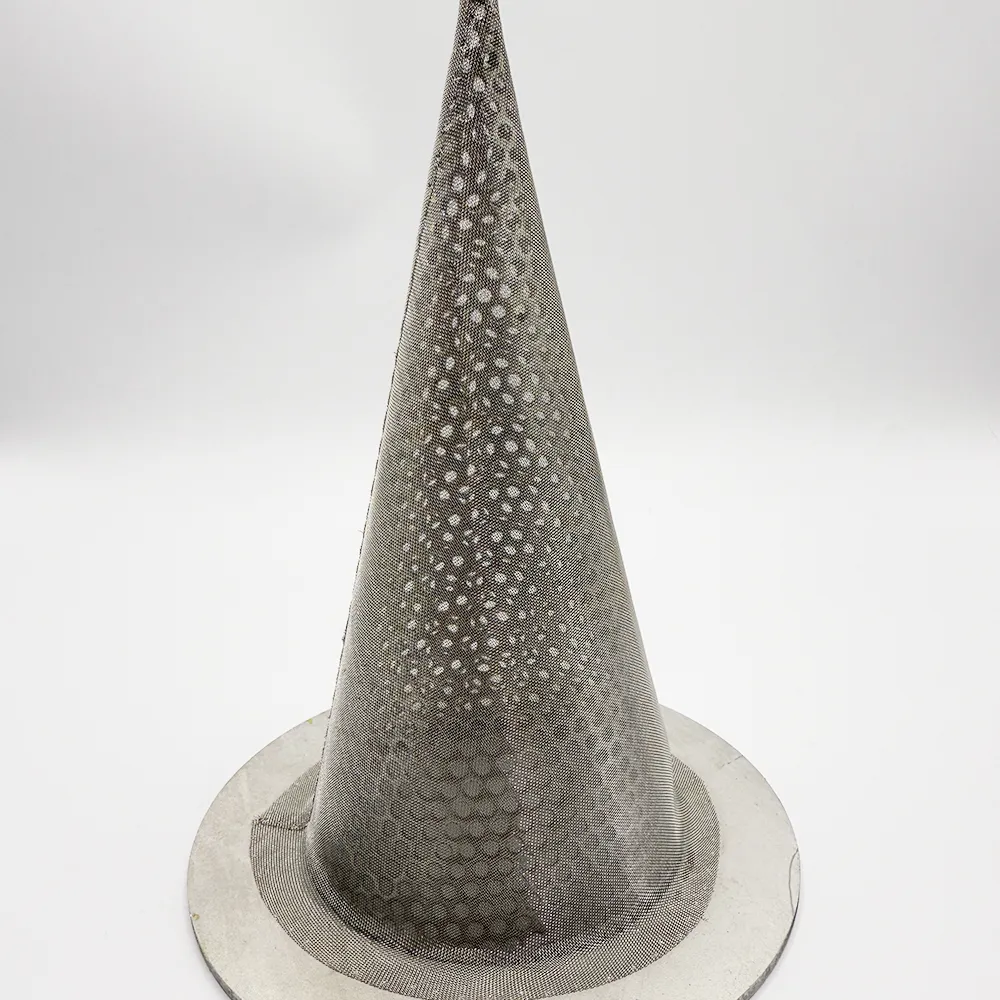
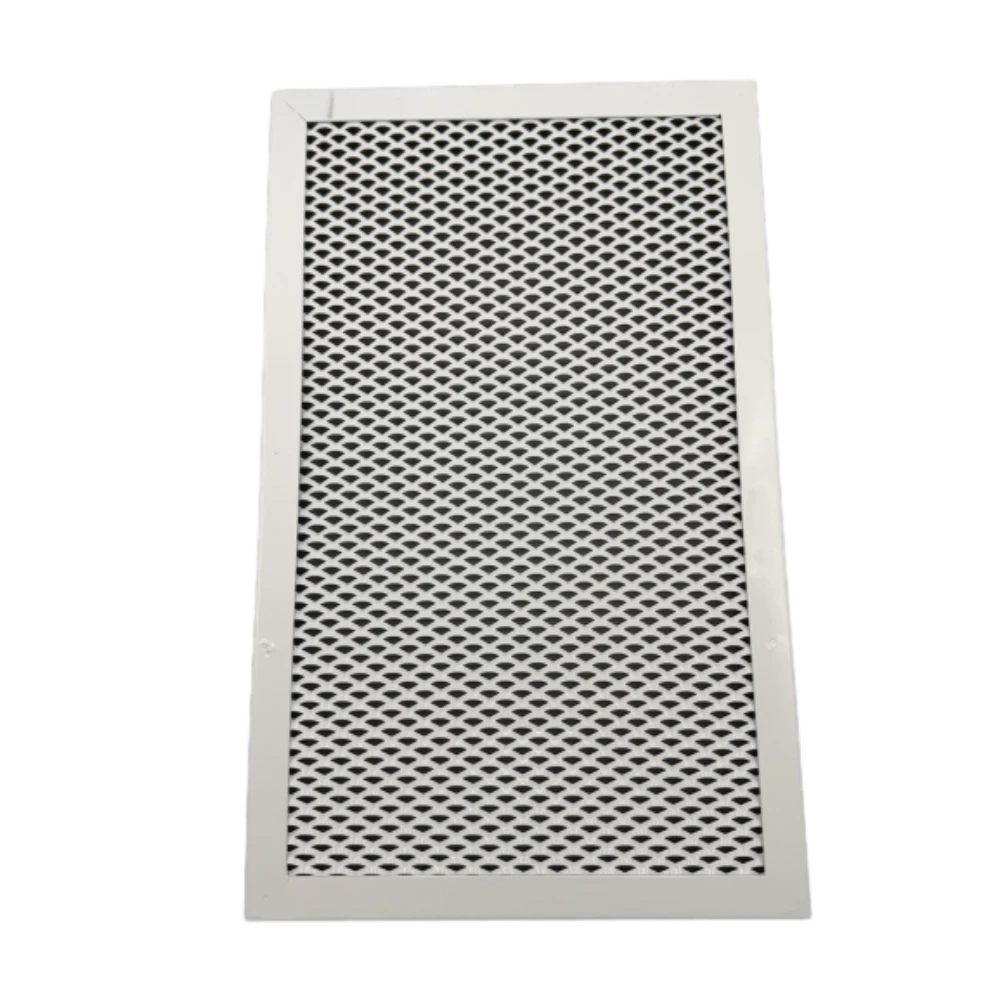
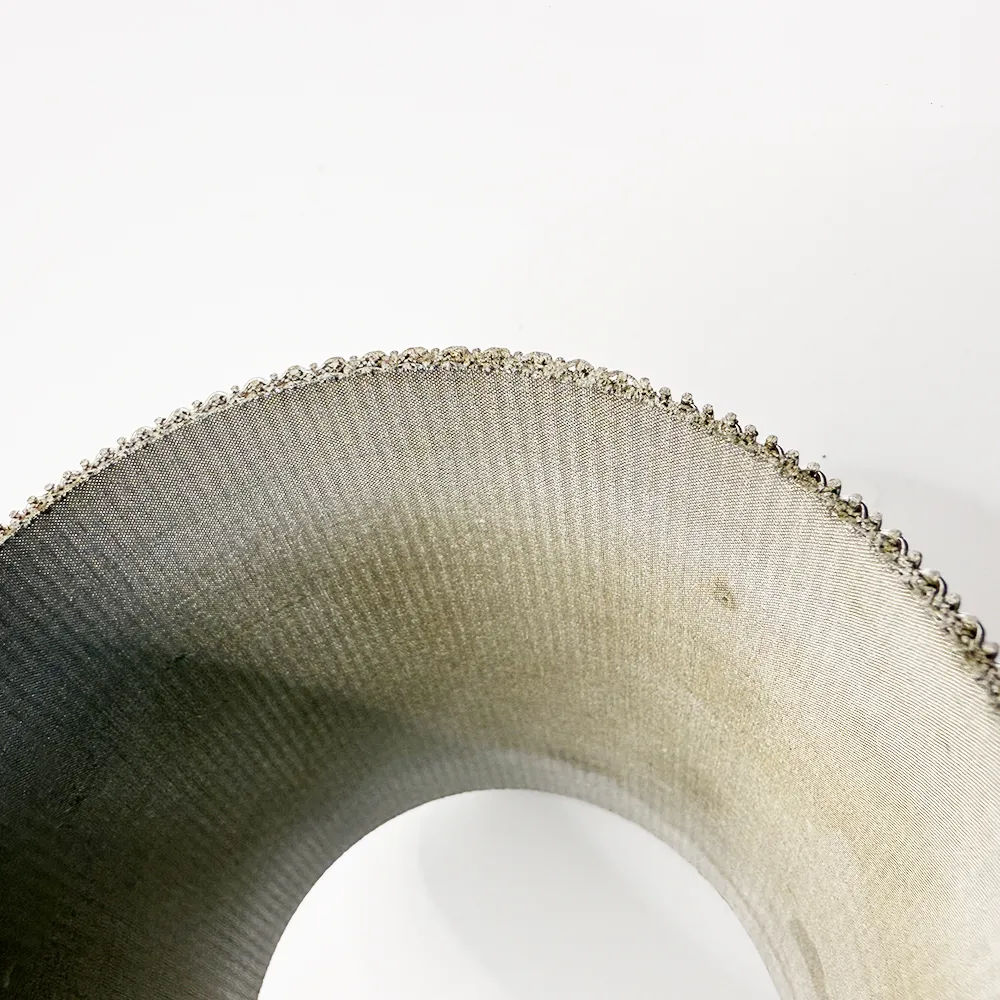
Options include alloy (304, 316L, 310S, 2205), weave type, micron rating, calendaring, edges, and framed panels. Many customers say the calendared finish saves downstream headaches—less thickness drift, easier gasket sealing.
Certifications on request: ISO 9001:2015, material heat numbers, RoHS/REACH statements for contact components. For sanitary zones, we see specifiers prefer Stainless Steel Weave Wire Mesh in 316L with smooth calendared surfaces—less biofilm risk, actually.
Authoritative citations:



![$item[alt]](https://images.exportstart.com/images/a1393/cc-7691.webp "$item[title]")