Introduction to Decorative Expanded Metal in Modern Architecture and Design
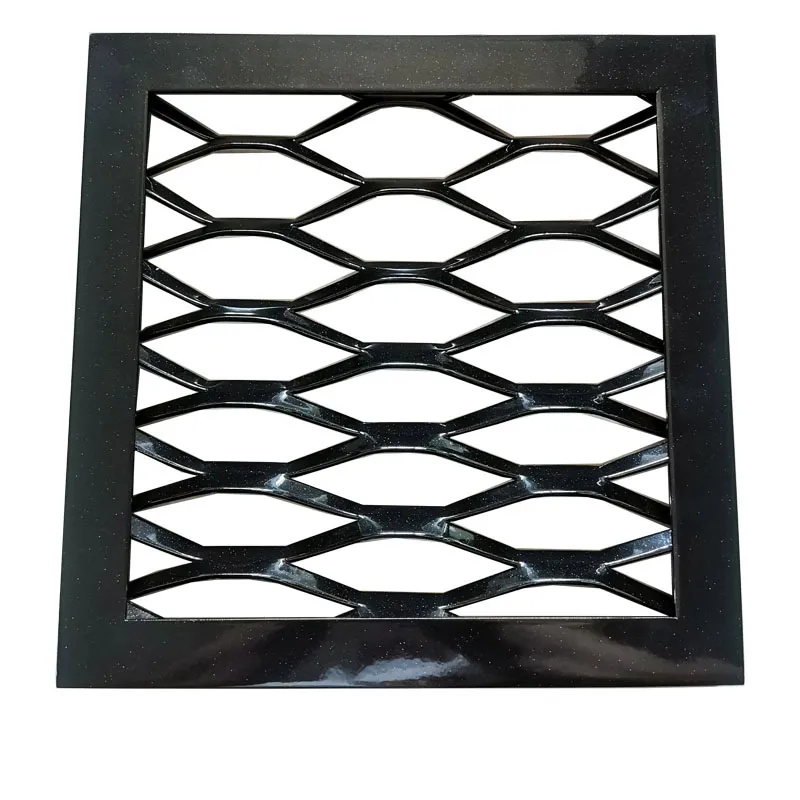
In contemporary architectural and industrial design, decorative expanded metal serves as a versatile material, blending superior functionality with compelling aesthetic appeal. This material, often referred to as decorative expanded metal mesh or decorative expanded metal panels, is produced by slitting and stretching solid metal sheets into a mesh pattern. Unlike woven mesh, expanded metal offers a monolithic structure, ensuring inherent strength and rigidity without welds or interlocks. Its unique geometry facilitates light diffusion, ventilation, and visual permeability, making it indispensable across a spectrum of B2B applications ranging from sophisticated building facades to intricate interior design elements and robust industrial screens. The demand for aesthetically pleasing yet highly durable materials continues to drive innovation in the expanded metal sector, positioning it as a preferred choice for engineers, architects, and designers seeking both performance and visual impact.
The inherent properties of expanded metal decorative products, such as their high strength-to-weight ratio and cost-effectiveness, make them an ideal solution for projects requiring large surface areas with controlled light and air flow. This document delves into the comprehensive aspects of decorative expanded metal, including its intricate manufacturing processes, technical specifications, diverse application landscapes, and the critical considerations for vendor selection and customization, ensuring a holistic understanding for industry professionals.
Detailed Manufacturing Process Flow of Decorative Expanded Metal
The production of decorative expanded metal involves a precise and controlled multi-stage process, transforming solid metal sheets into intricate, rigid mesh patterns. Understanding this flow is crucial for appreciating the material's structural integrity and diverse capabilities.
1. Material Selection
The foundation of any high-quality expanded metal product lies in the careful selection of raw materials. Common materials include:
- Aluminum Alloys: Lightweight, excellent corrosion resistance, high thermal and electrical conductivity. Often used for architectural facades and decorative elements due to its anodizing potential. Grades like 3003, 5005, and 6061 are prevalent.
- Stainless Steel: Superior corrosion and heat resistance, high strength, hygienic properties. Ideal for harsh environments in petrochemical, food processing, and marine applications. Common grades include 304, 316, and 430.
- Carbon Steel: Economical, high strength, good for structural applications. Often galvanized or powder-coated for corrosion protection in industries such as general manufacturing and material handling.
- Galvanized Steel: Carbon steel coated with a layer of zinc for enhanced corrosion resistance, cost-effective for outdoor applications.
- Copper/Brass: Chosen for specific aesthetic requirements due to their distinct colors and excellent conductivity.
2. Manufacturing Process (Slitting and Expanding)
- Shearing/Slitting: The chosen metal sheet is first sheared to the desired width. Then, it undergoes a precise slitting process where a set of synchronized knives or dies creates multiple parallel slits in the sheet. This is a cold-forming process, not involving casting, forging, or CNC machining at this primary stage.
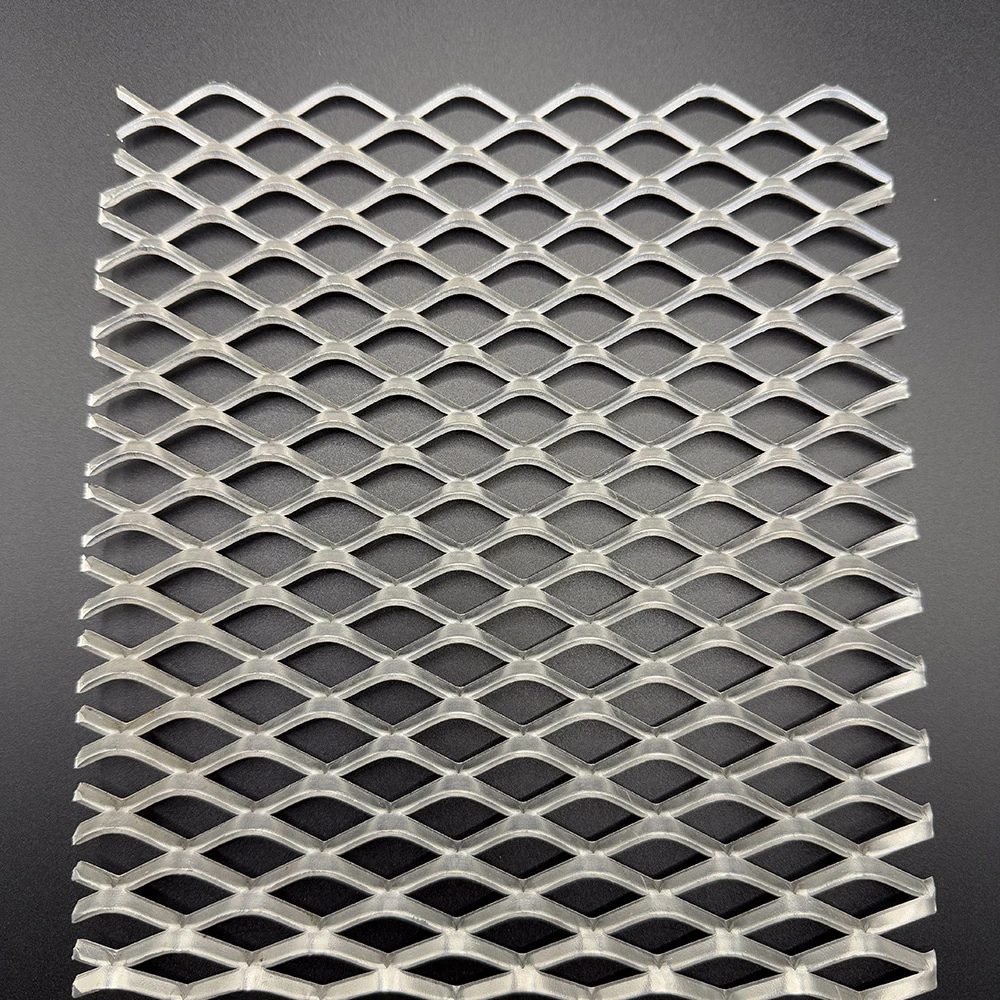
- Expanding: Immediately after slitting, the sheet is stretched simultaneously and uniformly at right angles to the slits. This stretching action opens the slits, forming diamond-shaped (or other custom patterns) openings and creating the characteristic monolithic mesh. The process is continuous, ensuring a consistent pattern.
- Flattening (Optional): For certain applications requiring a smoother surface, the expanded metal can be cold-rolled through a flattening mill. This process reduces the thickness of the strands and ribs, producing a flat and smooth sheet, often referred to as "flattened expanded metal."
- Cutting to Size: The expanded sheets are then cut to the specified dimensions for final applications.
3. Finishing Treatments
Post-expansion, the material can undergo various finishing treatments to enhance durability, corrosion resistance, and aesthetic appeal:
- Powder Coating: Provides a durable, colorful finish with enhanced resistance to chipping, scratching, and UV light.
- Anodizing: Primarily for aluminum, creating a thick, protective oxide layer that can be clear or colored, improving hardness and corrosion resistance.
- Painting: Offers a wide range of color options for aesthetic purposes and basic protection.
- Hot-dip Galvanizing: For carbon steel, applying a thick zinc coating for superior corrosion protection.
4. Quality Control and Testing Standards
Strict adherence to international standards ensures the quality and performance of decorative expanded metal. Key standards include:
- ISO 9001: Quality Management System certification, ensuring consistent production processes.
- ASTM F1267: Standard Specification for Metal Expanded Mesh for Fencing and Other Uses.
- ANSI/NAAMM MBG 531: Metal Bar Grating Manual, which often includes expanded metal guidelines.
- Material Composition Tests: Spectrometric analysis to verify alloy grades.
- Tensile Strength Tests: To ensure structural integrity.
- Corrosion Resistance Tests: Salt spray tests (e.g., ASTM B117) for coated materials.
- Dimensional Accuracy: Regular checks on LWM, SWD, strand width, and thickness.
5. Service Life and Target Industries
The service life of decorative expanded metal varies significantly with material selection, environmental exposure, and applied finishes. For example, high-grade stainless steel or anodized aluminum can offer decades of service in exterior architectural applications, whereas galvanized carbon steel may provide 15-30 years depending on the coating thickness and atmospheric conditions.
Target industries include:
- Architecture and Construction: Facades, sunscreens, ceilings, balustrades.
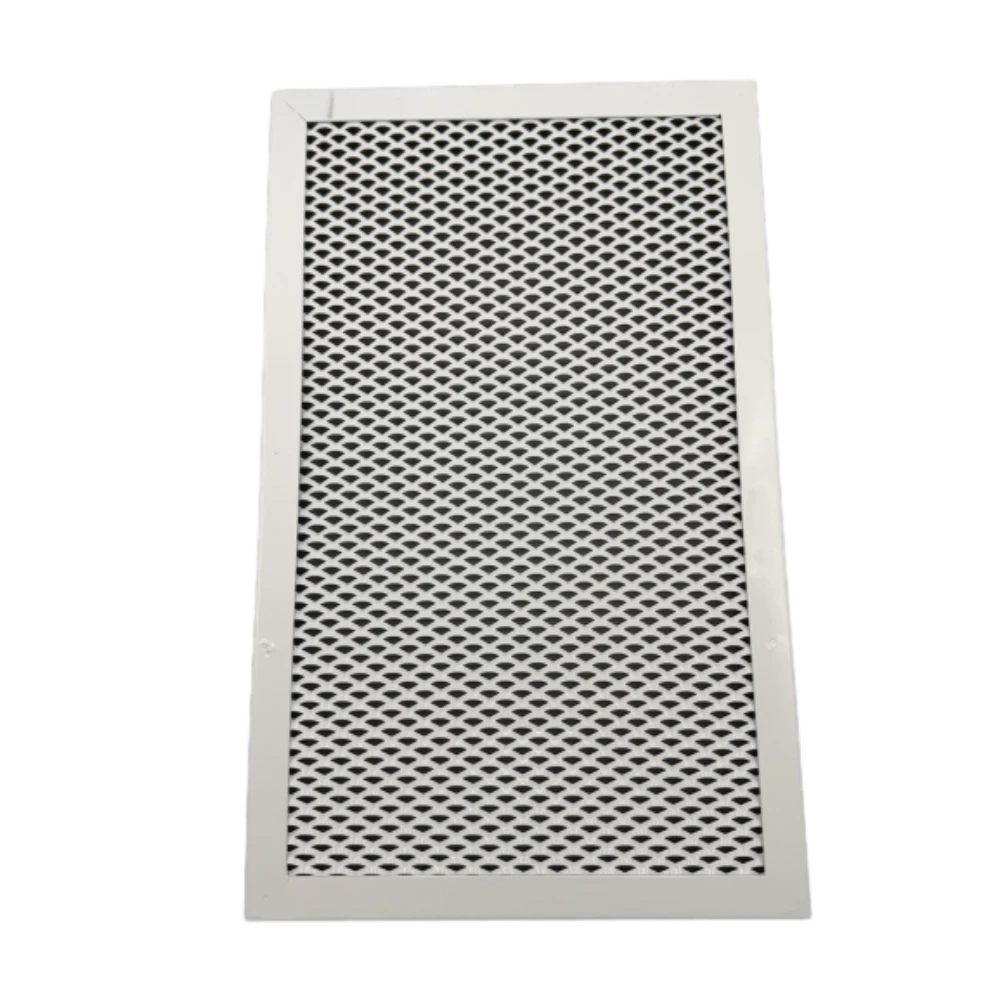
- HVAC: Grilles, filters, protective enclosures.
- Retail and Interior Design: Shelving, displays, partitions.
- Petrochemical: Walkways, platforms, safety screens (corrosion resistance).
- Metallurgy: Protective barriers, screening.
- Water Supply & Drainage: Filtration, grates (corrosion resistance).
- Transportation: Vehicle grilles, internal panels.
In typical application scenarios, these materials demonstrate significant advantages. For instance, in architectural sunscreens, expanded metal decorative elements contribute to energy saving by reducing solar heat gain while maintaining natural light and ventilation. Their inherent open structure allows for efficient airflow, critical in HVAC systems, and their monolithic nature provides excellent structural integrity for safety applications like walkways and barriers in industrial settings, offering superior corrosion resistance when appropriate materials are selected.
Industry Trends and Innovation in Decorative Expanded Metal
The market for decorative expanded metal is dynamic, influenced by evolving architectural paradigms, sustainability initiatives, and technological advancements. A key trend is the increasing demand for customizable and aesthetically diverse patterns that push the boundaries of design. Architects are leveraging expanded metal for dynamic facades that interact with light and shadow, creating visually stunning effects that change throughout the day.
- Sustainable Design Integration: Expanded metal, particularly aluminum, is highly recyclable, aligning with green building certifications like LEED. Its ability to optimize natural light and ventilation contributes to energy efficiency, reducing HVAC loads.
- Advanced Finishing Technologies: Innovations in powder coating and anodizing techniques allow for a broader spectrum of colors, textures, and enhanced durability, enabling decorative expanded metal panels to meet stringent aesthetic and performance requirements.
- Parametric Design and Digital Fabrication: Software-driven design tools enable complex, unique expanded metal patterns tailored to specific project needs, facilitating rapid prototyping and precision manufacturing. This allows for intricate facades and custom interior features.
- Multifunctional Applications: Beyond aesthetics, there's a growing emphasis on multi-functional expanded metal applications that integrate sound absorption, electromagnetic shielding, or enhanced security features within their decorative forms.
- Smart Building Integration: Future trends point towards expanded metal systems incorporating embedded sensors or responsive elements, adapting to environmental conditions for optimal performance and user comfort.
These trends underscore the material's adaptability and its pivotal role in addressing contemporary design challenges, reinforcing its position as a forward-thinking solution for B2B applications.
Technical Specifications and Parameters of Decorative Expanded Metal
Understanding the technical specifications of expanded metal decorative products is paramount for engineers and procurement specialists to ensure optimal material selection for specific project requirements. Key parameters define the physical characteristics and performance attributes of the expanded mesh.
- Long Way of Mesh (LWM): The distance from a point on a bond to a corresponding point on the next bond measured across the long dimension of the diamond.
- Short Way of Mesh (SWD): The distance from a point on a bond to a corresponding point on the next bond measured across the short dimension of the diamond.
- Strand Width: The amount of metal fed through the expander to produce one strand.
- Strand Thickness: The thickness of the base metal sheet before expansion.
- Overall Thickness: The measurement from the top surface to the bottom surface of the expanded mesh. This is typically greater than the strand thickness due to the angle of the strands.
- Open Area Percentage: The ratio of the open space to the total area, expressed as a percentage. This affects light, air, and sound transmission.
- Weight per Square Meter: Crucial for structural calculations and shipping costs, calculated based on material density, strand dimensions, and pattern.
Typical Product Specification Table: Aluminum Decorative Expanded Metal
| Parameter |
Description |
Typical Range/Value |
| Material |
Aluminum Alloy (e.g., 5005, 3003) |
Various |
| LWM (Long Way of Mesh) |
Center-to-center distance of bonds (long dimension) |
12.7 mm to 100 mm |
| SWD (Short Way of Mesh) |
Center-to-center distance of bonds (short dimension) |
6.35 mm to 50 mm |
| Strand Width |
Width of the individual metal strand |
0.8 mm to 6.0 mm |
| Strand Thickness |
Thickness of the original metal sheet |
0.5 mm to 4.0 mm |
| Open Area % |
Percentage of open space |
30% to 80% (depending on pattern) |
| Weight (kg/m²) |
Approximate weight per square meter |
1.5 kg to 15 kg (varies greatly by gauge/material) |
| Finish |
Surface treatment |
Mill finish, Anodized, Powder Coated |
These parameters are critical for specifying the correct decorative expanded metal mesh for structural integrity, visual aesthetics, and functional requirements like airflow and light penetration. Engineers must consider the combined effect of LWM, SWD, strand width, and thickness to achieve the desired open area and panel rigidity.
Application Scenarios and Case Studies
The versatility of decorative expanded metal allows for its application across a broad spectrum of industries and functional requirements. Its ability to combine robust structural properties with unique aesthetic forms makes it highly desirable for both functional and decorative purposes.
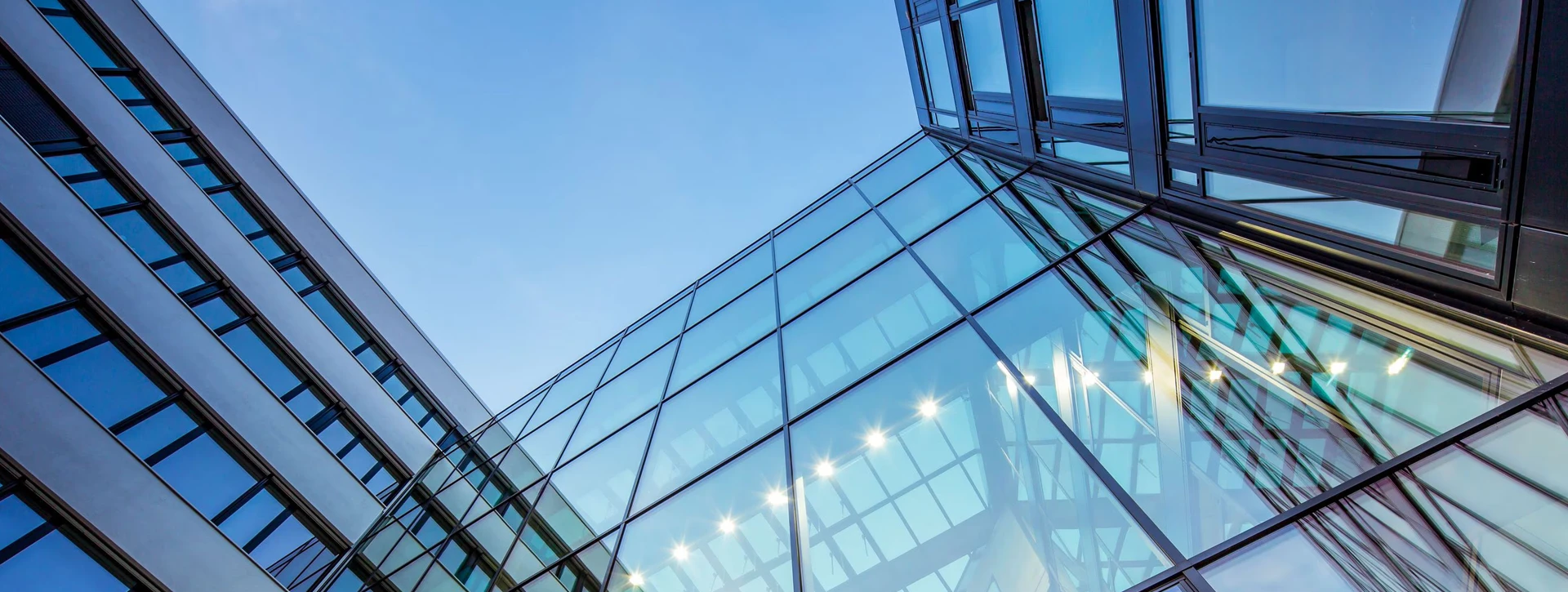
- Architectural Facades and Cladding: Utilized for exterior building envelopes, providing sun shading, ventilation, and a distinctive visual texture. They contribute to thermal regulation and can reduce energy consumption.
- Ceiling Panels: Offers an open, contemporary look, allowing for concealed lighting and HVAC systems while maintaining airflow and accessibility.
- Sunscreens and Brise Soleils: Effective in controlling solar glare and heat gain, contributing to internal comfort and energy efficiency, often seen in commercial and institutional buildings.
- Balustrades and Railing Infills: Provides a secure yet visually appealing barrier, suitable for both interior and exterior staircases, balconies, and walkways.
- Room Dividers and Partitions: Creates semi-private spaces without obstructing light or airflow, ideal for open-plan offices, retail environments, and hospitality settings.
- Retail Displays and Shelving: Offers a modern, industrial-chic aesthetic for product presentation, durable and versatile for various merchandising needs.
- HVAC Grilles and Enclosures: Ensures protection for mechanical components while allowing essential airflow and heat dissipation, often customized for specific equipment.
- Security Screens: Provides a robust barrier without impeding visibility, frequently used in high-security facilities or for window/door protection.
- Public Art and Sculptural Elements: Its malleability and light interaction properties make it a favored material for artistic installations.
The diverse application of expanded metal decorative elements showcases its adaptability to functional demands while enhancing the aesthetic value of a project.
Technical Advantages of Decorative Expanded Metal
The selection of decorative expanded metal for B2B projects is often driven by a unique combination of technical advantages that offer long-term value and performance. These benefits extend beyond mere aesthetics to encompass structural, operational, and economic efficiencies.
- High Strength-to-Weight Ratio: The expansion process transforms a solid sheet into a mesh with increased rigidity without adding significant weight. This allows for lighter structural loads and easier installation, reducing overall project costs.
- Monolithic Structure: Unlike woven or welded meshes, expanded metal is a single, continuous piece of metal. This eliminates welds or joints that can fail under stress, providing superior structural integrity and durability.
- Optimal Light and Air Diffusion: The angled strands effectively diffuse light, reducing glare while maintaining visibility and natural illumination. The open areas ensure excellent ventilation, crucial for HVAC systems, safety barriers, and environmental control.
- Cost-Effectiveness: The expansion process results in very little material waste, making it an economical option compared to perforated metal or woven wire. Furthermore, its durability and low maintenance requirements reduce lifetime costs.
- Corrosion Resistance: When produced from materials like stainless steel or aluminum, or with appropriate finishes (e.g., hot-dip galvanizing, powder coating), expanded metal offers excellent resistance to environmental degradation, extending its service life in harsh conditions.
- Enhanced Security: The robust, one-piece construction provides a strong barrier against intrusion, making it suitable for security screens and enclosures without compromising visibility or airflow.
- Versatile Aesthetic Options: Available in a wide range of patterns, materials, and finishes, it offers immense design flexibility to match specific architectural and interior design visions.
These advantages collectively position decorative expanded metal as a premier choice for professionals seeking reliable, high-performance, and visually appealing materials.
Vendor Comparison: Choosing the Right Supplier for Decorative Expanded Metal
Selecting the appropriate vendor for decorative expanded metal panels is a critical decision that impacts project timelines, budget, and the quality of the final installation. B2B decision-makers should evaluate suppliers based on several key criteria:
Vendor Evaluation Criteria
- Manufacturing Capabilities: Assess the vendor's capacity for producing various mesh patterns, sizes, and materials. Specialized equipment for flattening, slitting, and finishing is crucial.
- Material Quality and Sourcing: Inquire about the origin and quality certifications (e.g., mill certificates) of raw materials. Consistency in material grade is vital for product longevity.
- Customization Options: A strong vendor offers extensive customization in pattern, dimensions, and finishes. This includes the ability to fabricate panels to exact architectural drawings.
- Quality Certifications and Compliance: Verify adherence to international standards such as ISO 9001, ASTM, and local building codes. Certifications demonstrate commitment to quality and consistency.
- Lead Times and Logistics: Evaluate the vendor's ability to meet project deadlines. Understanding their typical lead times for standard and custom orders, as well as their shipping capabilities, is essential.
- Technical Support and Expertise: A knowledgeable technical sales team and engineering support can provide invaluable assistance in material selection, design optimization, and installation guidance.
- Pricing Structure and Value: Compare pricing but consider it in conjunction with material quality, customization options, and post-sales support. The lowest price may not always represent the best value.
- Reputation and References: Seek out customer feedback, testimonials, and case studies from previous projects. Long-standing partnerships with reputable clients are a good indicator of reliability.
Product Comparison Table: Expanded Metal Mesh Types
| Feature |
Standard Expanded Metal |
Flattened Expanded Metal |
Decorative Expanded Metal (Specific Patterns) |
| Surface |
Raised, angular strands |
Smooth, flat surface |
Can be raised or flattened, with intricate patterns |
| Aesthetic Appeal |
Functional, industrial look |
Clean, smooth, subtle texture |
High-end, architectural, unique visual effects |
| Applications |
Walkways, security fences, grates |
Filters, enclosures, machine guards |
Facades, ceilings, interior design, artistic installations |
| Manufacturing Cost |
Lowest (primary expansion only) |
Medium (additional flattening step) |
Higher (special tooling, intricate patterns, advanced finishes) |
| Open Area Control |
Standard range |
Standard range |
Highly customizable for light/air flow |
A comprehensive evaluation based on these parameters will ensure a successful partnership and optimal outcomes for projects utilizing expanded metal products.
Customized Solutions and Design Flexibility
One of the most compelling advantages of decorative expanded metal, particularly for B2B applications in architecture and specialized manufacturing, is its unparalleled capacity for customization. Unlike mass-produced components, expanded metal decorative elements can be precisely engineered to meet unique design visions and functional specifications.
Key Areas of Customization:
- Pattern and Mesh Size: Beyond standard diamond patterns, manufacturers can produce hexagonal, square, or specialized aesthetic patterns. The LWM, SWD, strand width, and thickness can be varied to achieve specific open area percentages and visual densities.
- Material and Gauge: Choice of aluminum, stainless steel, carbon steel, copper, or other alloys, along with specific material gauges, can be tailored to meet structural demands, corrosion resistance requirements, and budget constraints.
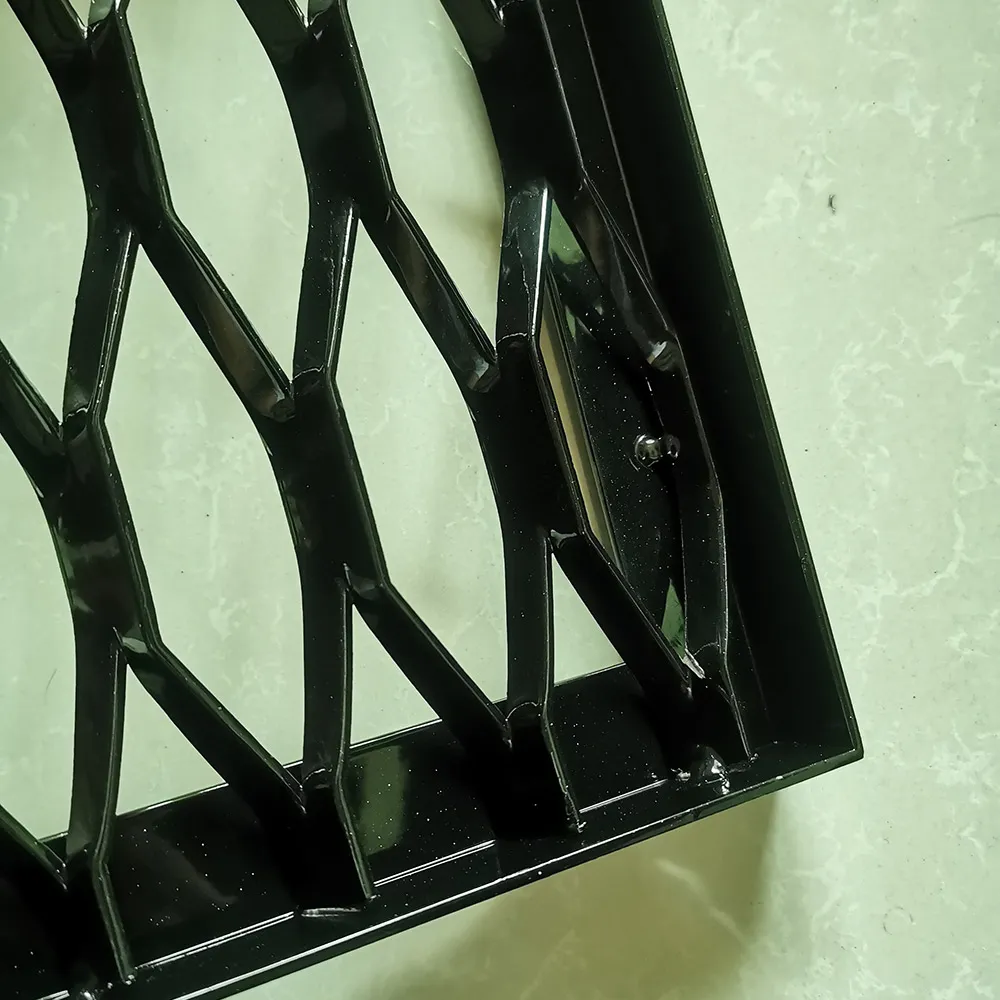
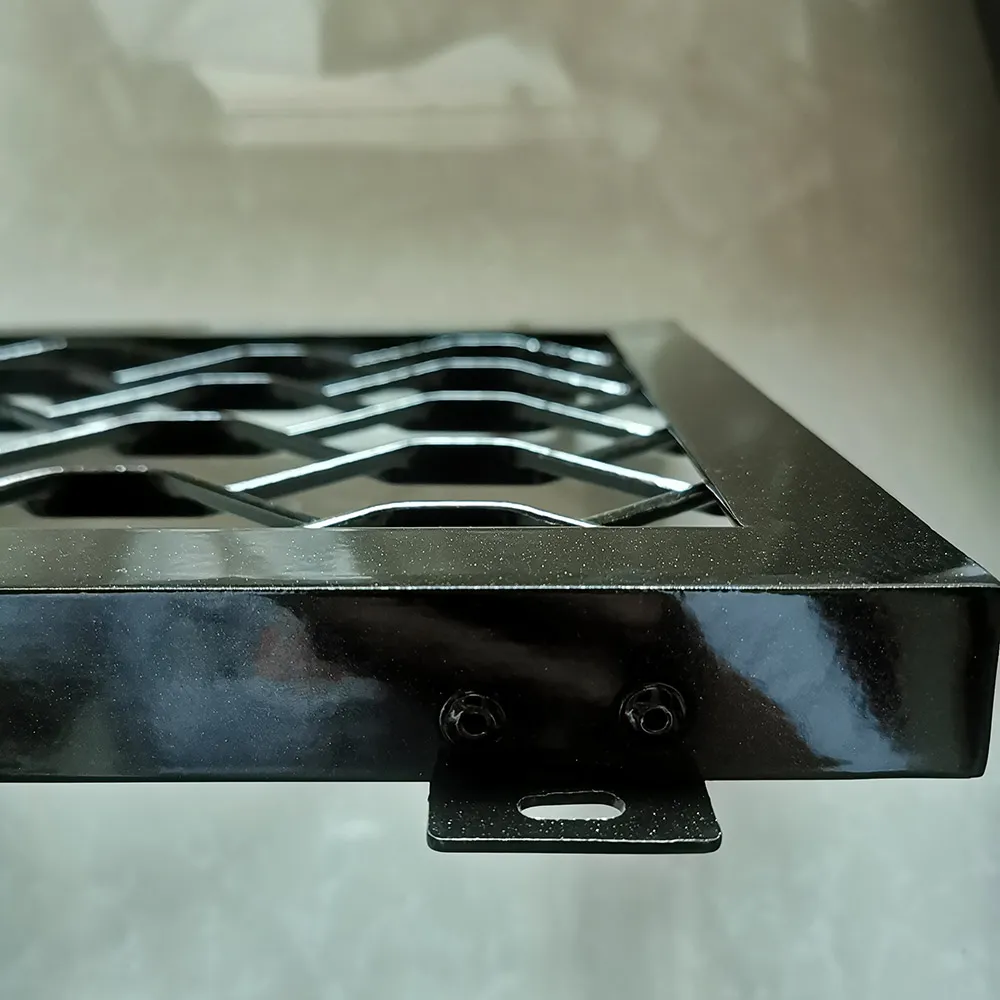
- Panel Dimensions and Fabrication: Panels can be cut, formed, welded, and framed to exact dimensions and shapes, including curved or irregular geometries, facilitating seamless integration into complex designs.
- Finishing Treatments: A vast array of finishes – powder coating in custom RAL colors, anodizing for aluminum (clear, bronze, black), special paints, or polished finishes – allows for precise aesthetic matching and enhanced environmental protection.
- Secondary Fabrication: Custom bending, perforating, or combining expanded metal with other materials (e.g., solid sheets, glass) can create hybrid solutions for unique functional or aesthetic purposes.
This extensive design flexibility empowers architects and engineers to realize innovative projects that require precise control over light, air, and visual impact. Collaborating closely with experienced manufacturers from the initial design phase ensures that the final decorative expanded metal mesh product not only meets aesthetic aspirations but also performs optimally under specific operational conditions.
Real-world Application Case Studies
Illustrating the practical applications of decorative expanded metal provides tangible evidence of its value proposition. Here are hypothetical case studies demonstrating its impact in diverse B2B contexts:
Case Study 1: Corporate Headquarters Facade Renovation
A prominent technology firm sought to modernize its corporate headquarters in a demanding urban environment, aiming for a contemporary aesthetic combined with improved energy efficiency. The challenge was to reduce solar heat gain without sacrificing natural light or obstructing city views. The solution involved installing custom-fabricated decorative expanded metal panels made from anodized aluminum as a secondary facade. The panels featured a medium-density diamond pattern and were precisely angled to deflect direct sunlight while allowing diffuse light to enter. This resulted in a 20% reduction in HVAC energy consumption and a significant enhancement of the building's exterior, earning positive feedback from both employees and urban planners regarding its innovative, sleek appearance.
Case Study 2: High-End Retail Interior Design
A luxury fashion retailer aimed to create an immersive and sophisticated shopping experience. They required elegant yet durable solutions for bespoke display units, ceiling features, and room dividers that would complement their high-end merchandise. Custom stainless steel expanded metal decorative panels, with a fine, flattened mesh and a polished finish, were integrated throughout the store. These elements provided a contemporary industrial aesthetic, allowed for dynamic lighting effects to highlight products, and offered robust, low-maintenance surfaces. Customer feedback highlighted the store's unique ambiance and the visually striking design elements.
Case Study 3: Industrial Plant Safety and Ventilation Screens
In a petrochemical facility, there was a critical need for safety screens around hazardous machinery that also permitted optimal ventilation and visual inspection. Standard safety mesh was deemed too restrictive for airflow and lacked durability in corrosive environments. The solution implemented was heavy-gauge 316L stainless steel decorative expanded metal mesh panels. The specific LWM and SWD were chosen to ensure maximum airflow for cooling purposes while maintaining a barrier strong enough to withstand potential impacts and harsh chemical exposure. The monolithic structure provided superior integrity over welded options, significantly enhancing safety protocols and operational efficiency.
Ensuring Trustworthiness: FAQ, Lead Times, Warranty, and Support
For B2B clients, trust is built on transparency, reliability, and robust support. This section addresses common concerns and outlines key aspects of client partnership.
Frequently Asked Questions (FAQ)
- Q: What is the primary difference between standard and decorative expanded metal?
A: While both are produced by slitting and stretching, decorative expanded metal often features finer, more intricate patterns, wider strand widths for aesthetic impact, and a greater variety of finishes. Standard expanded metal typically prioritizes functional strength for industrial uses.
- Q: Can decorative expanded metal be used outdoors?
A: Absolutely. With appropriate material selection (e.g., aluminum, stainless steel) and robust finishes (e.g., anodizing, powder coating, hot-dip galvanizing), it offers excellent durability and corrosion resistance for exterior applications like facades and sunscreens.
- Q: Is customization possible for specific architectural designs?
A: Yes, extensive customization is a core advantage. We work closely with architects and designers to tailor mesh patterns, dimensions, materials, and finishes to exact project specifications, including unique shapes and curves.
- Q: How do I calculate the open area percentage for my project?
A: The open area percentage is derived from the LWM, SWD, and strand dimensions. Our technical team can assist in calculating the precise open area for specific patterns to meet your light, air, and privacy requirements.
Lead Time and Fulfillment Details
Lead times for decorative expanded metal panels typically range from 2 to 6 weeks, depending on the complexity of the pattern, material availability, customization requirements, and order volume. Standard patterns in common materials usually have shorter lead times. For highly customized or large-scale projects, detailed production schedules are provided and rigorously managed to ensure on-time delivery. We maintain robust supply chain logistics to facilitate efficient fulfillment globally.
Warranty Commitments
Our products are backed by a comprehensive warranty against manufacturing defects and material failures under normal use and proper installation. Standard warranties typically range from 5 to 10 years, varying by material and finish. Specific warranty details are provided with each quotation, ensuring client confidence in the longevity and quality of our expanded metal decorative solutions. We adhere to stringent quality control, exemplified by our ISO 9001 certification, minimizing potential issues.
Customer Support Information
Our dedicated customer support team is available to assist with inquiries, technical specifications, order tracking, and after-sales service. Clients can reach us via phone, email, or through our website's contact portal. We provide comprehensive technical documentation, installation guides, and ongoing consultation to ensure successful project implementation and client satisfaction. Our experienced engineers and sales representatives are equipped to offer expert advice from conceptual design to final installation.
Conclusion
The versatility, durability, and aesthetic potential of decorative expanded metal make it an indispensable material for a wide array of B2B applications. From enhancing architectural facades to providing functional and visually appealing elements in interior design and industrial settings, its unique monolithic structure and customizable properties offer significant advantages over traditional alternatives. As industry trends lean towards sustainable, high-performance, and custom-engineered solutions, expanded metal continues to evolve, supported by rigorous manufacturing processes and adherence to international quality standards. Partnering with a reputable vendor capable of providing expert technical support and customized solutions is key to unlocking the full potential of this exceptional material in any project.
References
- American Society for Testing and Materials (ASTM) International. ASTM F1267-14: Standard Specification for Metal Expanded Mesh for Fencing and Other Uses. West Conshohocken, PA: ASTM International, 2014.
- International Organization for Standardization (ISO). ISO 9001:2015: Quality management systems – Requirements. Geneva, Switzerland: ISO, 2015.
- National Association of Architectural Metal Manufacturers (NAAMM). Metal Bar Grating Manual. ANSI/NAAMM MBG 531-18. Chicago, IL: NAAMM, 2018.
- Smith, J. "The Evolution of Expanded Metal in Contemporary Architecture." Journal of Building Materials, Vol. 45, no. 2, 2021, pp. 112-128.




![$item[alt]](https://images.exportstart.com/images/a1393/cc-7691.webp "$item[title]")