
产品描述
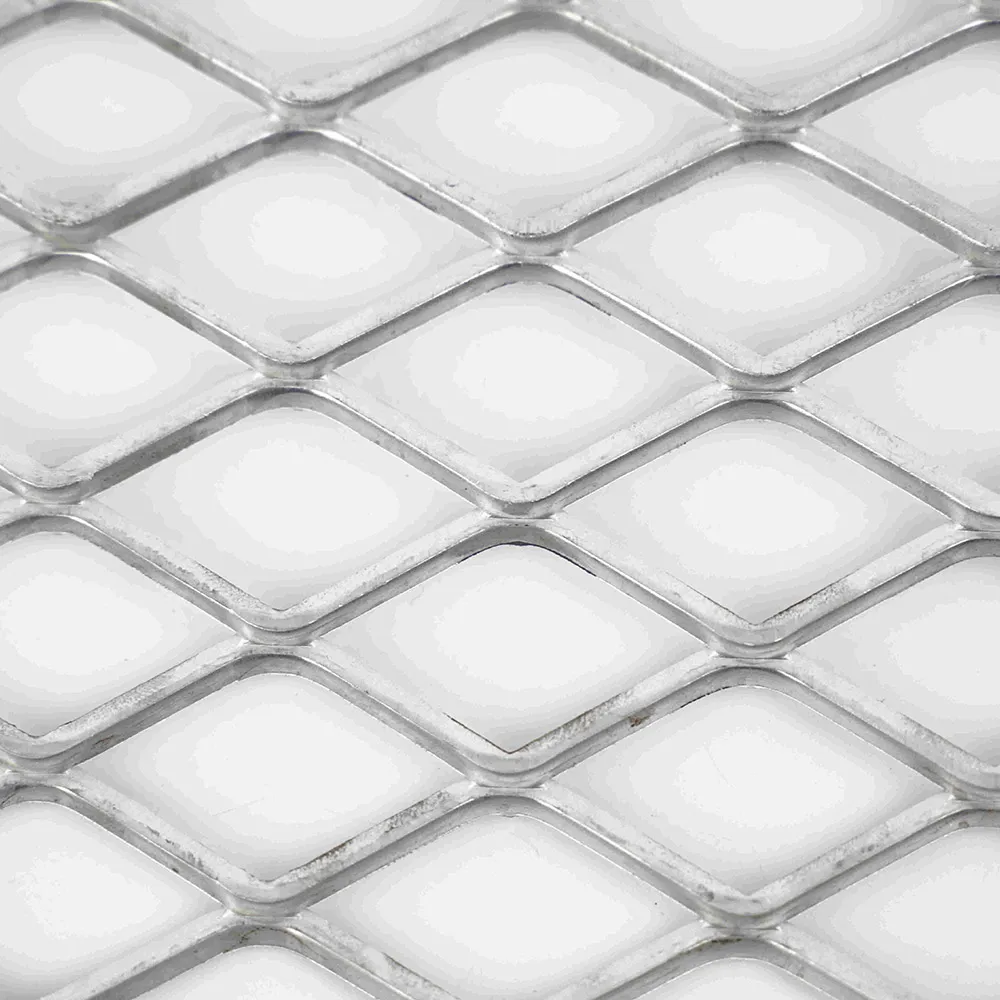
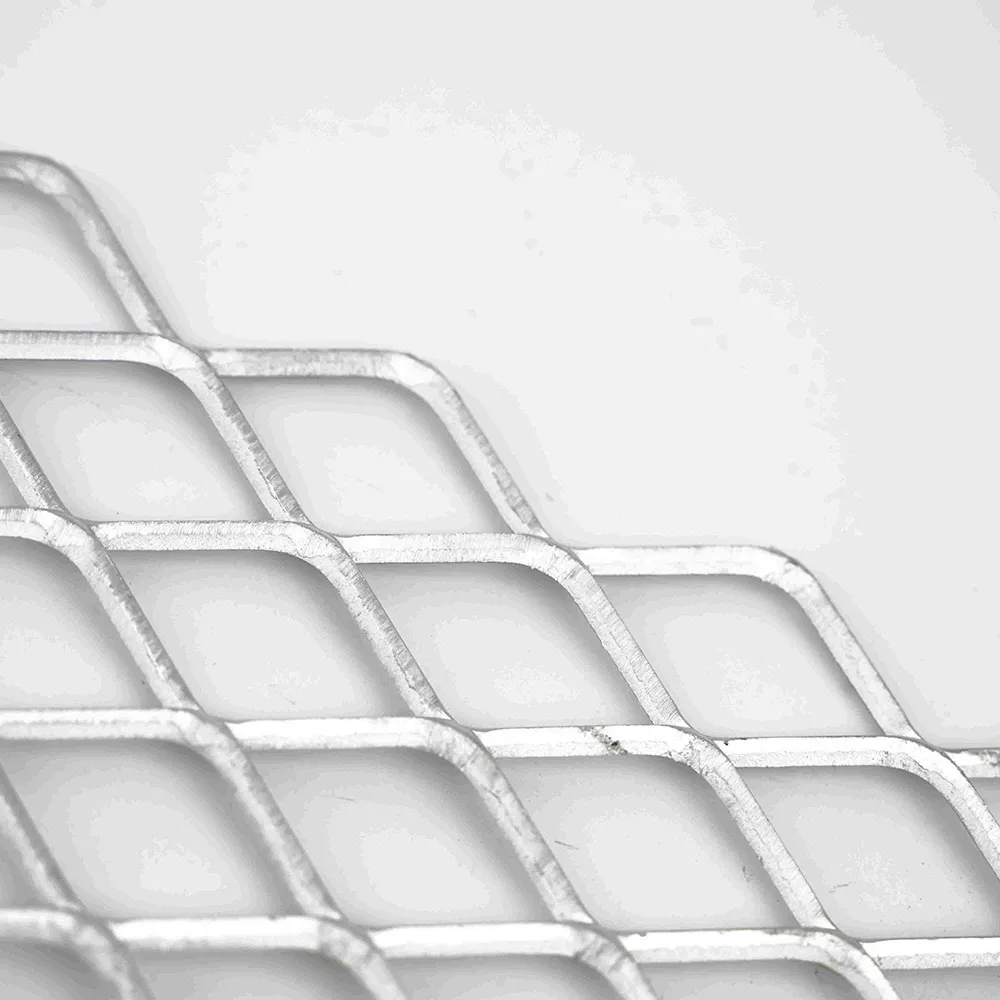
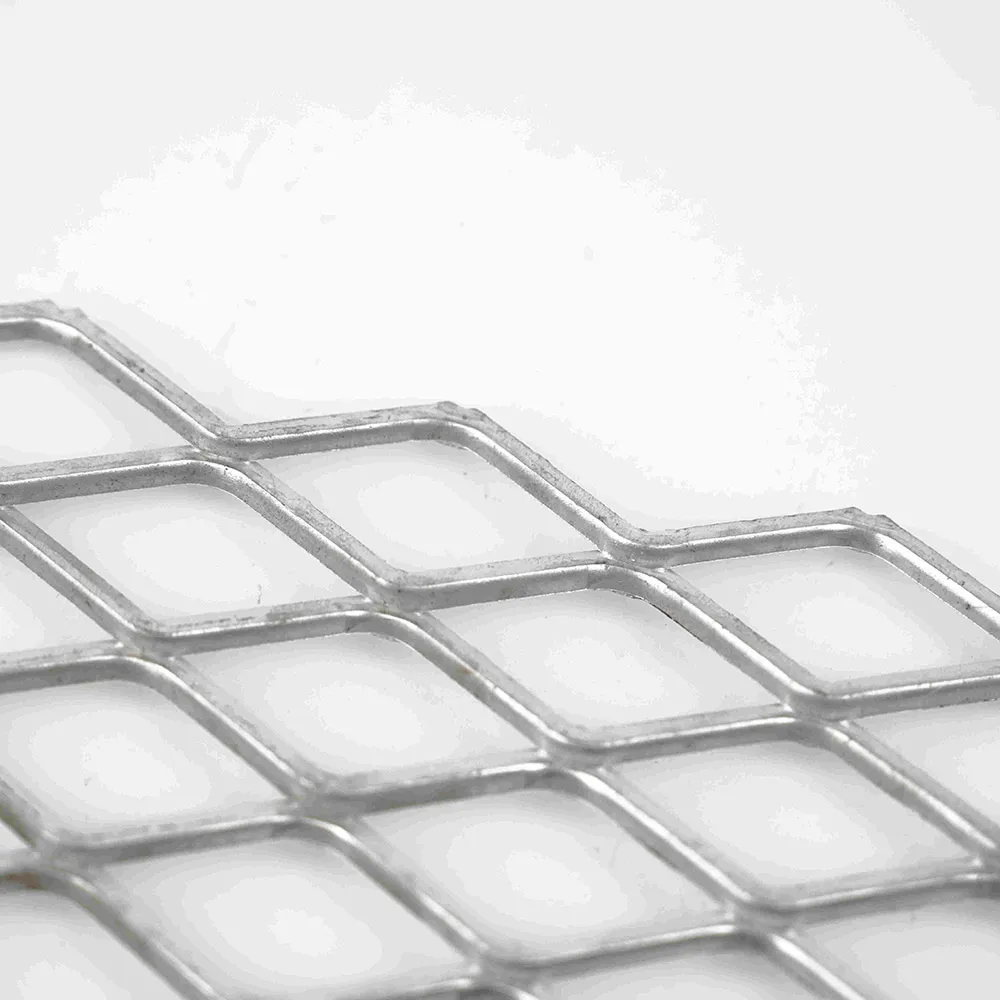
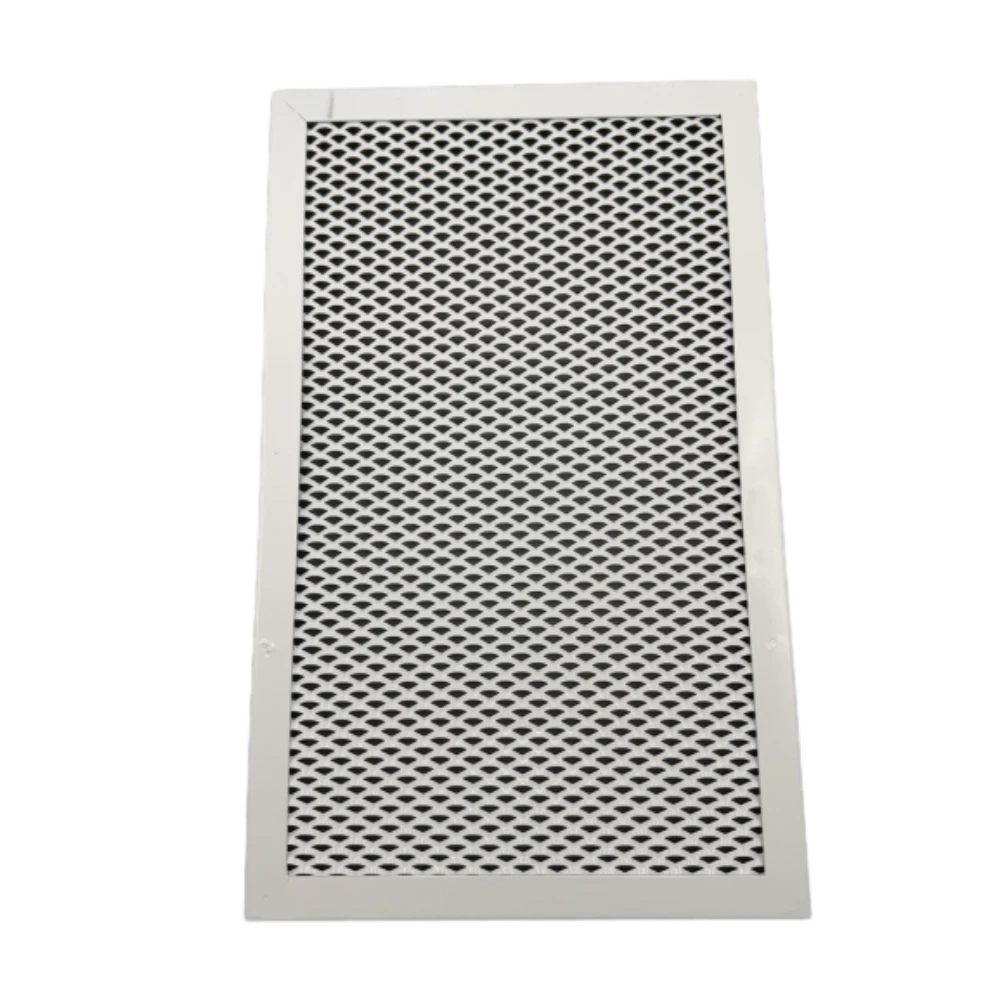
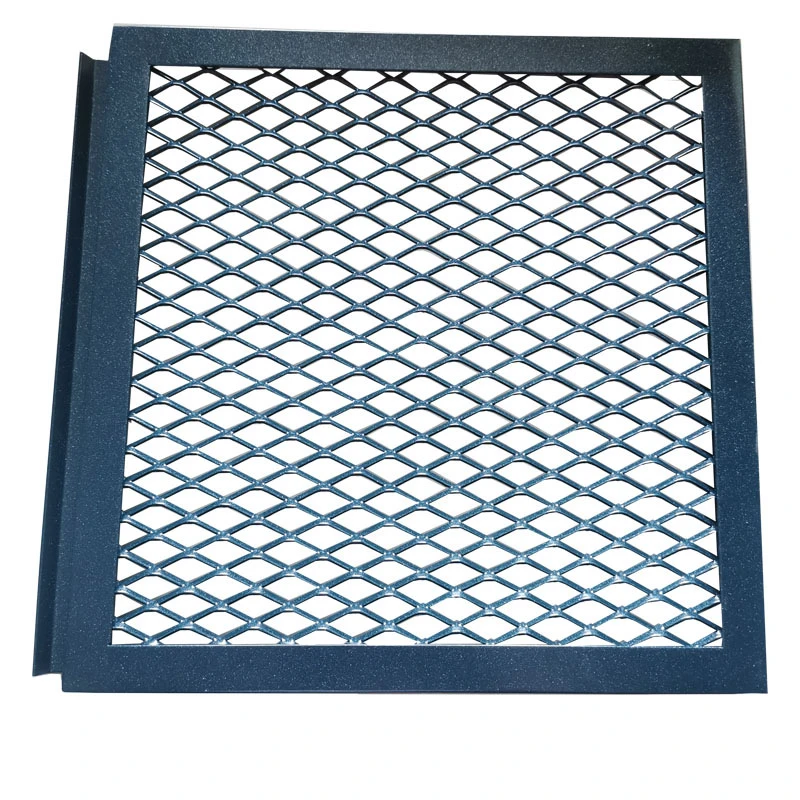
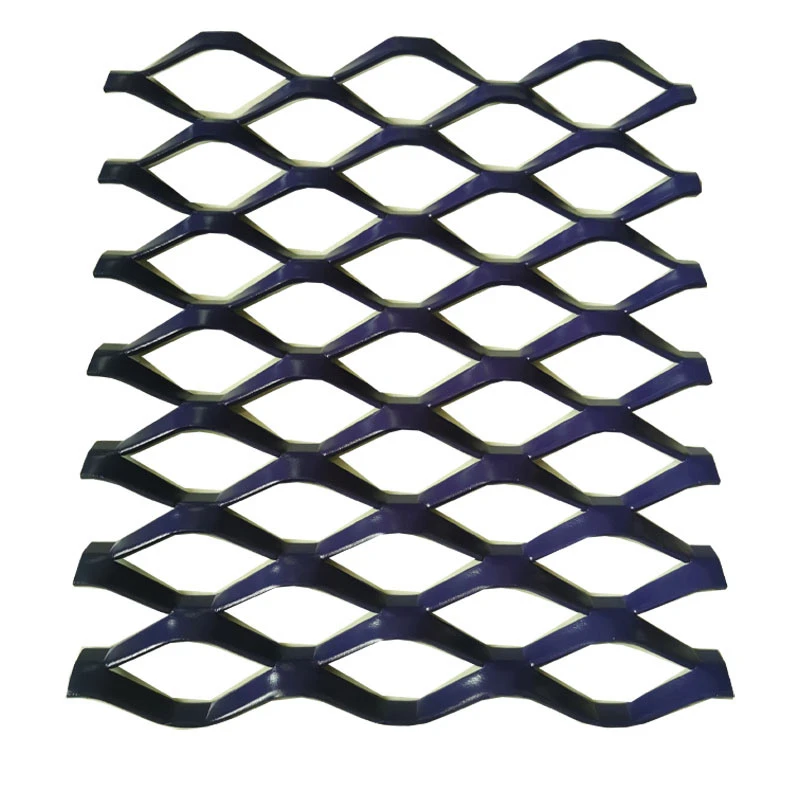
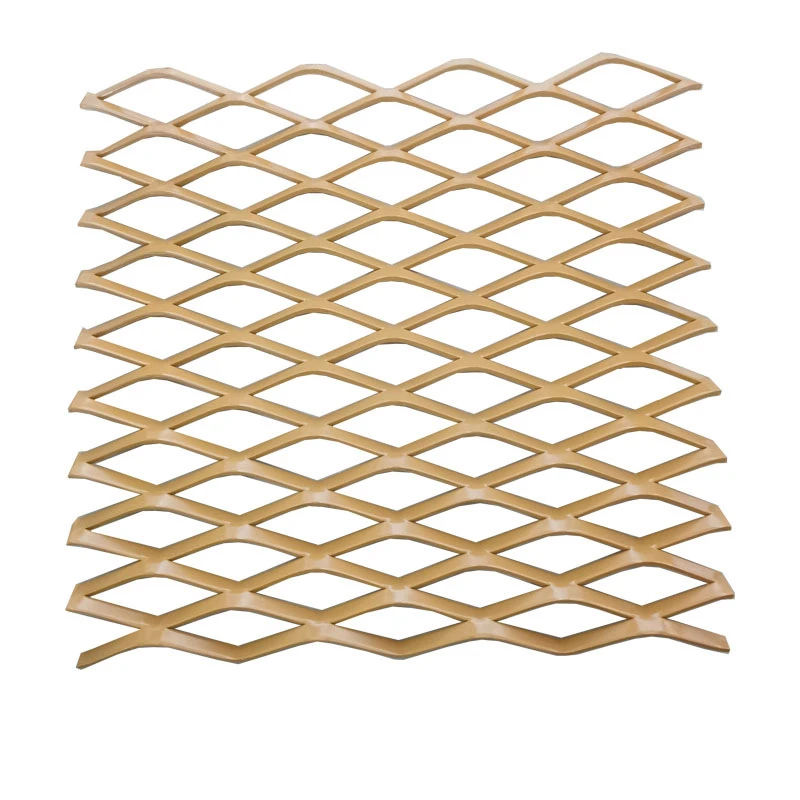
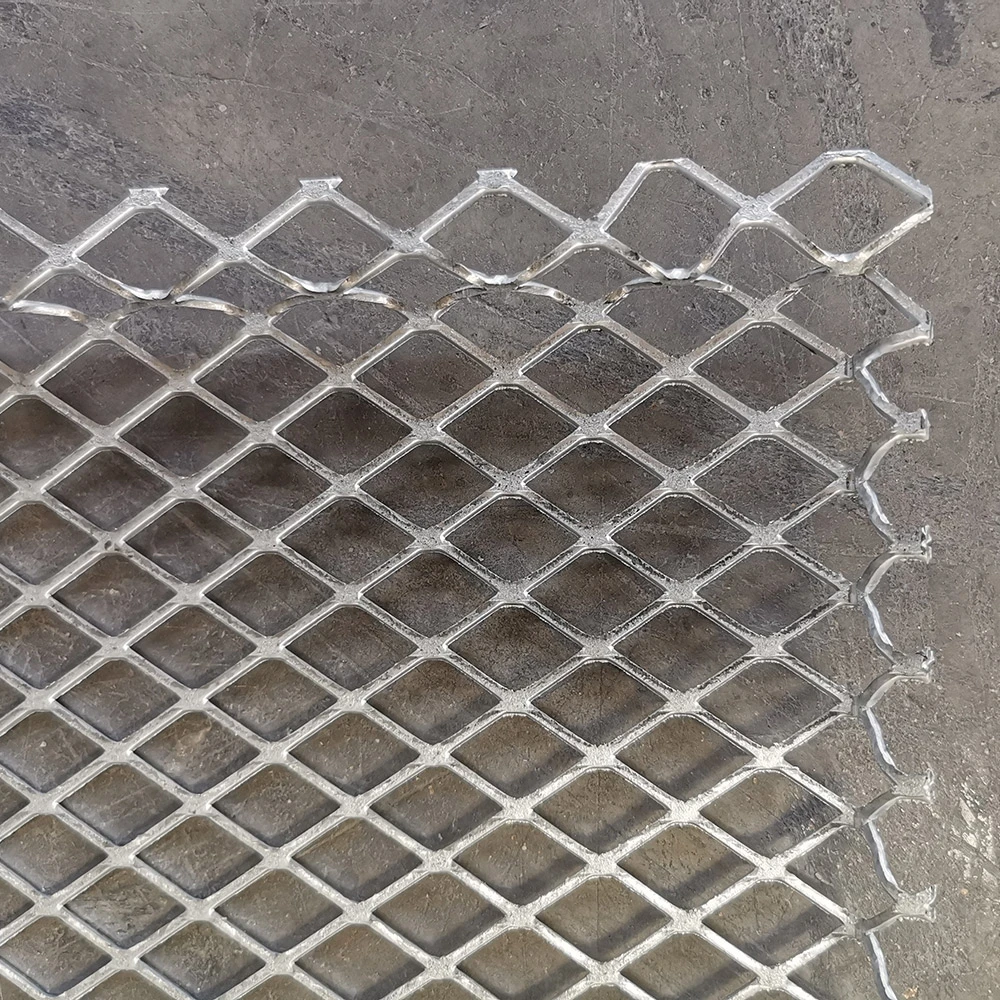
Diamond expanded metal mesh is valued for its strength, ventilation, and unique diamond-shaped openings. One of its greatest advantages is the wide range of available mesh sizes, allowing architects, contractors, and fabricators to match the material to very specific project needs.
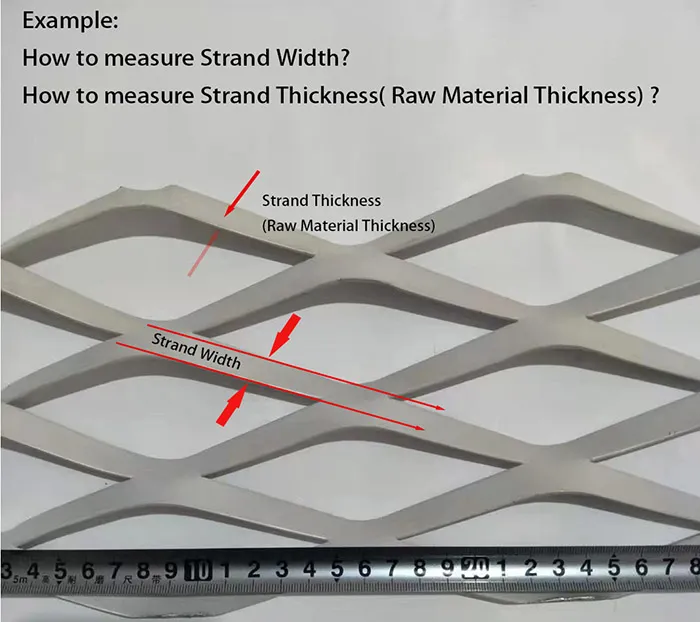
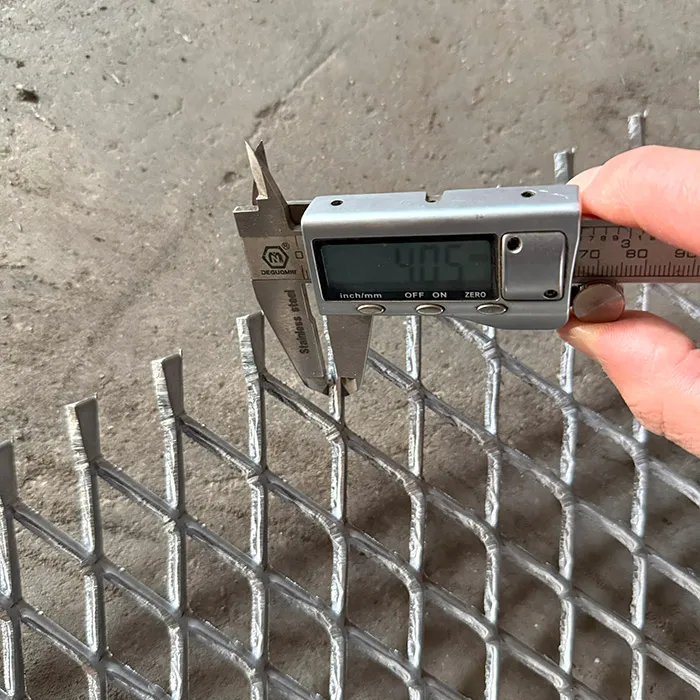
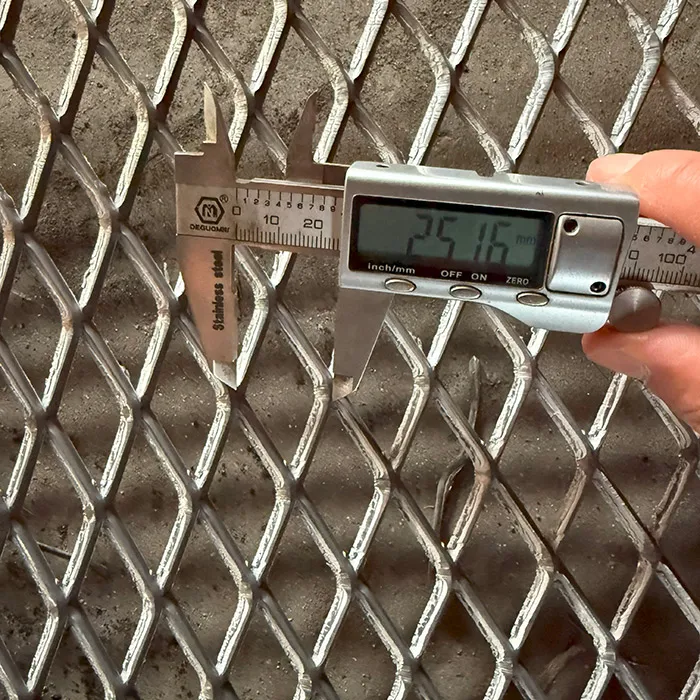
Mesh size generally refers to the width of the diamond opening and the thickness of the metal strand. Common light-duty patterns start around 3 mm strand thickness with small openings ideal for filtration screens, decorative panels, and interior partitions. Medium sizes, often with openings of 20–40 mm, provide a balance of rigidity and airflow, making them popular for machine guards, stair treads, and security fencing. For heavy-duty industrial uses such as walkways, platforms, or construction scaffolding, larger mesh openings—sometimes 50 mm or more—paired with thicker strands deliver exceptional load-bearing strength.
The choice of size influences not only strength but also weight, transparency, and cost. Smaller meshes create a finer, more private appearance and offer higher slip resistance, while larger meshes allow greater light transmission and air circulation. Materials can range from mild steel and galvanized steel to aluminum or stainless steel, each affecting durability and corrosion resistance.
When selecting diamond expanded metal mesh sizes, consider the intended function—decorative, structural, or protective—along with environmental factors like weather exposure and required airflow. Many suppliers also provide custom cutting or flattening services, ensuring that sheet dimensions and mesh patterns align precisely with your design.
By understanding the interplay of opening dimensions, strand thickness, and material type, you can specify the perfect diamond expanded metal mesh size to achieve strength, style, and cost efficiency in any architectural or industrial application.
Expanded metal is not a single type of metal but a versatile product created by slitting and stretching solid metal sheets into a diamond-patterned mesh. This manufacturing process transforms a flat sheet into a strong, lightweight, and rigid material without wasting raw metal, making it both economical and eco-friendly. The key to its performance lies in the base metal chosen for production, as each option offers unique characteristics for different applications.
Carbon or Mild Steel is the most common choice, prized for its strength and cost-effectiveness. It is frequently used in walkways, platforms, and industrial fencing. To enhance corrosion resistance, it can be galvanized, painted, or powder-coated.
Stainless Steel expanded metal excels where durability and corrosion resistance are critical—such as in food processing facilities, chemical plants, and architectural facades exposed to weather. Its sleek finish also makes it a favorite for modern interior designs.
Aluminum provides a lightweight alternative with natural resistance to rust, making it ideal for decorative panels, ventilation grilles, and marine environments. Its ease of cutting and forming allows for intricate architectural designs without adding significant structural weight.
Other specialty metals like copper, brass, or titanium are occasionally expanded for decorative or high-performance needs, offering unique colors or exceptional strength-to-weight ratios.
Selecting the right metal for expanded metal mesh depends on factors like load requirements, exposure to moisture or chemicals, and the desired aesthetic. By matching the metal type to the environment and function, designers and engineers can maximize longevity, safety, and visual impact. Whether for industrial flooring, protective barriers, or artistic installations, expanded metal’s versatility begins with choosing the appropriate metal sheet.
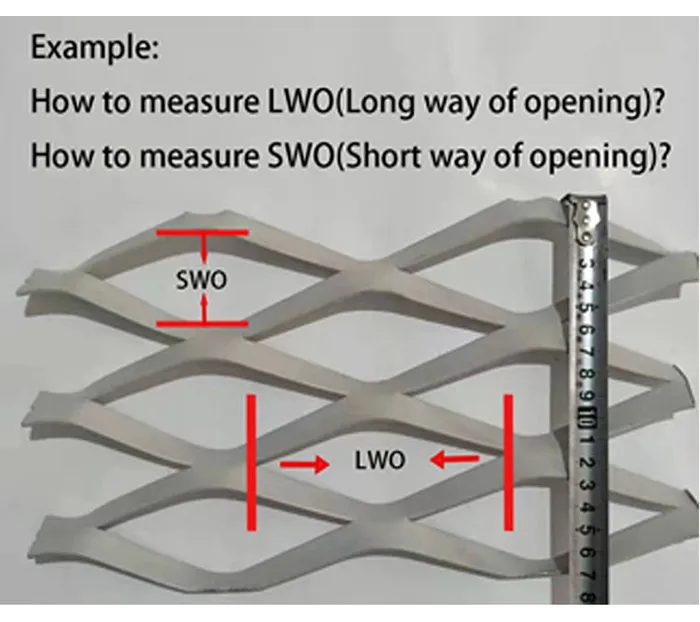
Expanded metal is produced by slitting and stretching sheet metal into a mesh of diamond-shaped openings. Among the many configurations available, the most commonly specified size—often called “standard expanded metal”—features medium-gauge steel with openings around ½-inch (about 12 mm) to ¾-inch (about 19 mm) measured across the short way of the diamond (SWD). This range balances strength, weight, and airflow, making it a go-to choice for both industrial and architectural applications.
The typical strand thickness for this common size is about 16 to 20 gauge (roughly 1.2–1.6 mm). At this dimension, the mesh offers excellent rigidity for walkways, machine guards, and protective enclosures, while remaining light enough for easier handling and installation. It also provides sufficient open area for ventilation and drainage—key factors for outdoor fencing, HVAC screens, and safety barriers.
Manufacturers often stock sheets in standard dimensions such as 4 ft × 8 ft (1.2 m × 2.4 m) or 4 ft × 10 ft (1.2 m × 3 m). These can be flattened after expansion for a smoother surface or left in the raised “regular” pattern for added traction, which is particularly useful on stair treads or catwalks.
Although the ½- to ¾-inch diamond opening is the industry’s most popular, expanded metal is highly customizable. Smaller openings, sometimes as fine as 1⁄8 inch (3 mm), are chosen for filtration screens or decorative panels, while large openings over 2 inches (50 mm) serve heavy-duty platforms and security enclosures.
When selecting a size, consider load-bearing requirements, desired visibility, and airflow. The widespread availability of the medium ½- to ¾-inch pattern ensures competitive pricing, quick delivery, and proven performance across construction, industrial, and design projects worldwide.
|
最小订购量 |
1 件 |
|
OEM编号 |
CC-001 |
|
类型 |
膨胀金属 |
|
产地 |
中国河北省 |
|
包装 |
纸箱/木托盘/钢托盘/防水塑料盖 |
|
样本 |
有薪酬的 |
|
定制服务 |
是的 |
|
可用原材料 |
碳钢(Q235、195、195L、SPHC) 不锈钢(304、316、316L) |
|
表面处理 |
浸镀锌 / 粉末喷涂 / 阳极氧化 / 抛光 / 氟碳 PVDF |
|
Powder Coating / Fluorocarbon PVDF Standard (AkzoNobel, PPG Industries, Jotun etc) |
AAMA2604标准(质保10年) AAMA2605标准(质保15年) AAMA2606标准(质保20年) |
|
热镀锌标准 |
>锌 50g (3-5岁) >锌 100g (5-8岁) >Zinc 250g (15 Year+) |
|
FAQ |
最大宽度是多少? 3米
碳钢的常见原材料有哪些类型? SPHC很常见
你们有售后服务吗? 是的,如果货物有疑问,我们将乘飞机前往您的公司或项目区域。
|
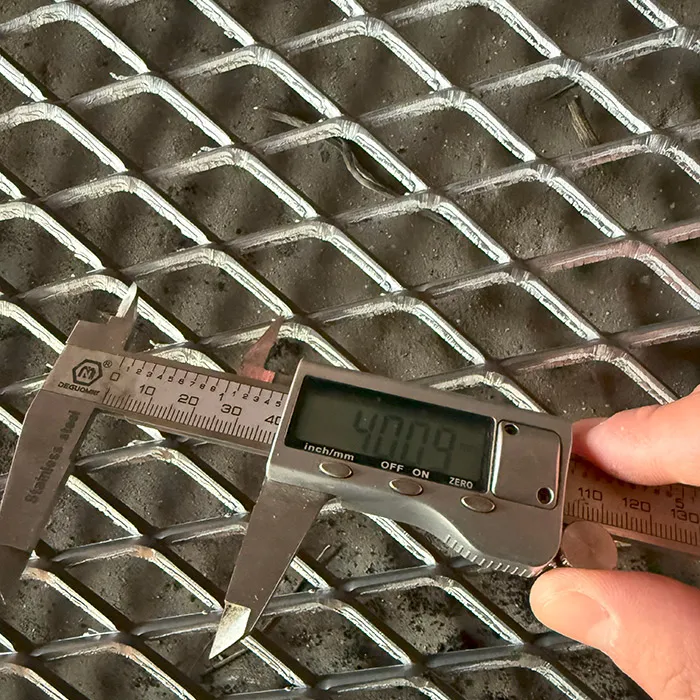
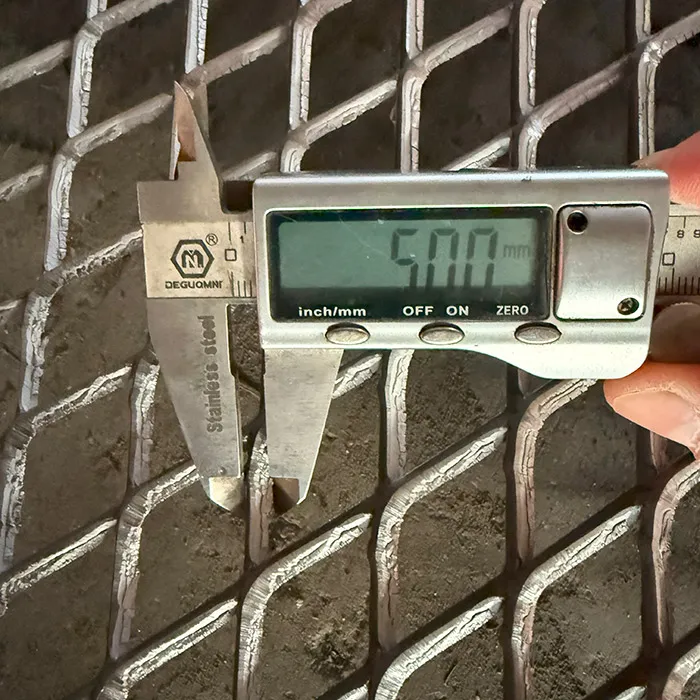
Diamond Expanded Metal Note
作为一家钢板网供应商,我们提供采用优质原材料的金刚石钢板网。我们可提供定制服务。表面处理可选PVC涂层或镀锌浸塑。Industrial Safety and Walkway Applications
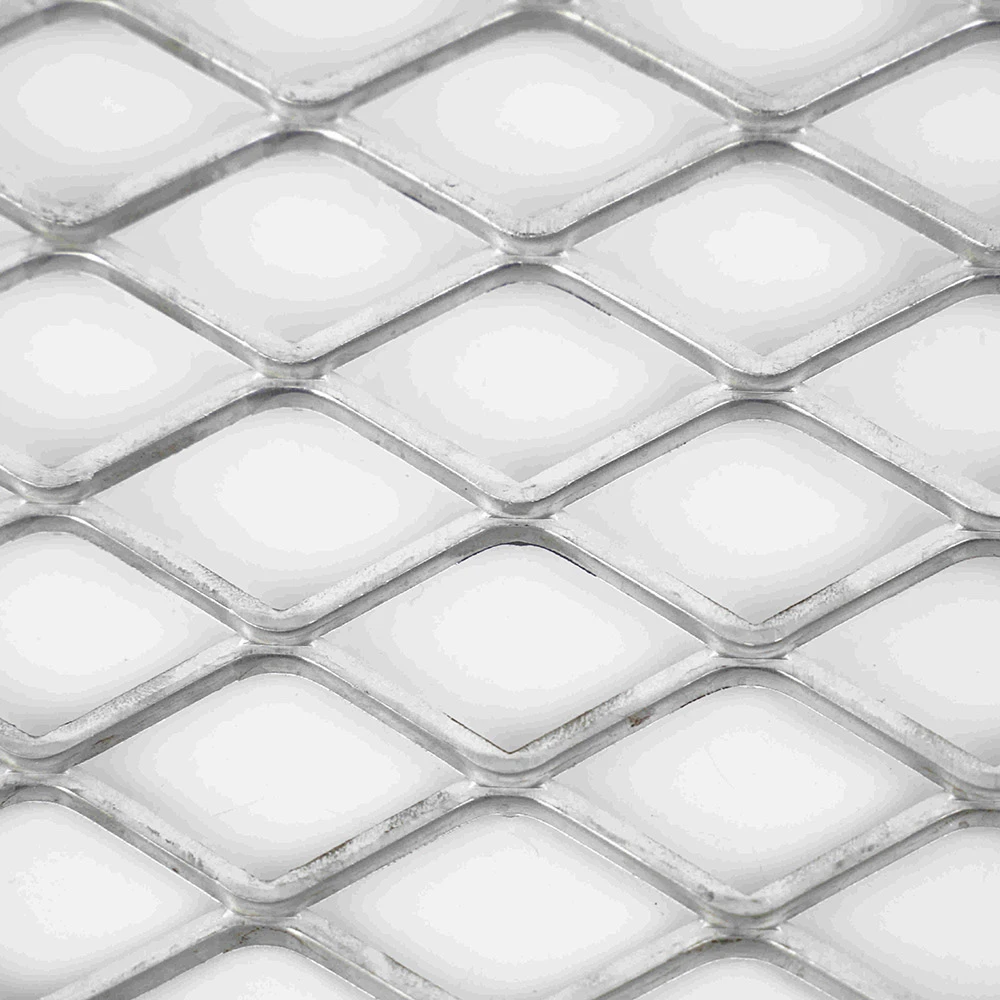
Diamond expanded metal is extensively used for walkways, stair treads, platforms, and safety guards in industrial environments. Its raised diamond pattern offers excellent anti-slip properties, high load-bearing capacity, and effective drainage, making it ideal for factories, construction sites, and oil & gas facilities. The open mesh design also ensures visibility and ventilation in critical working areas.
Architectural Screening and Sun Shading
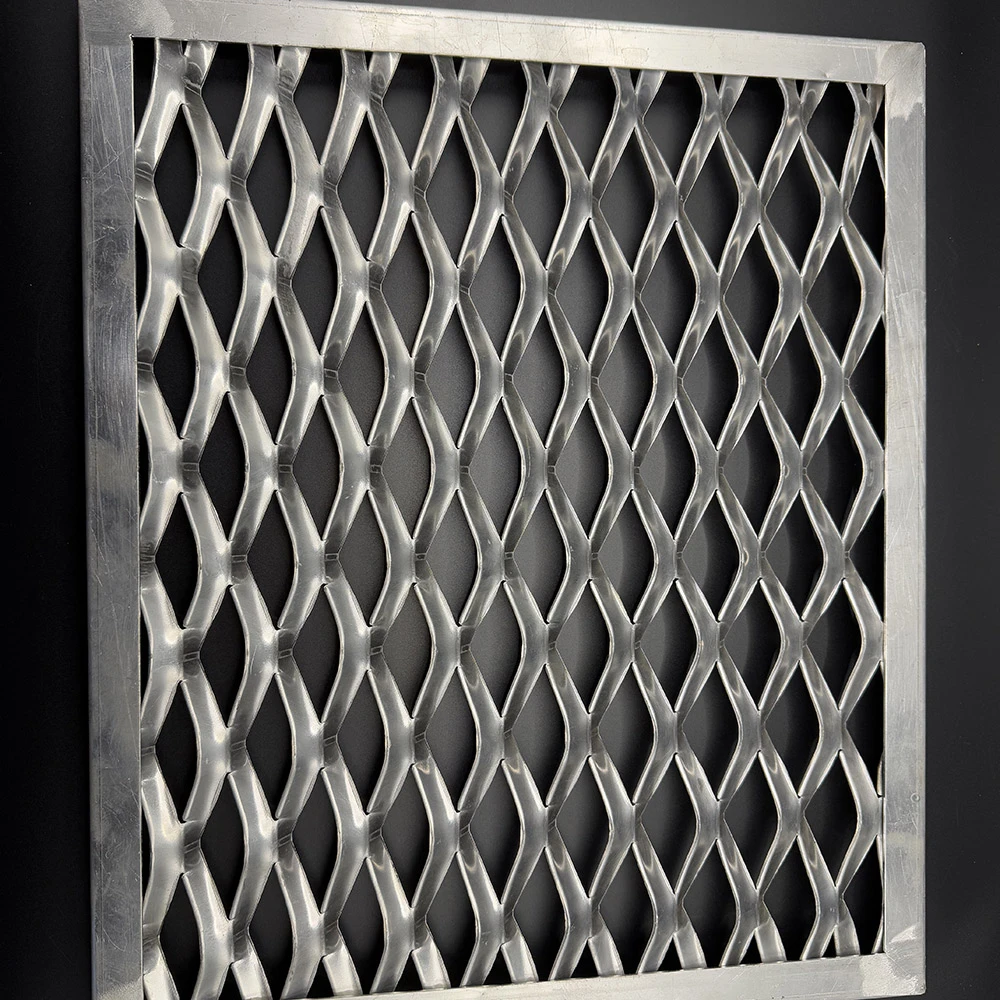
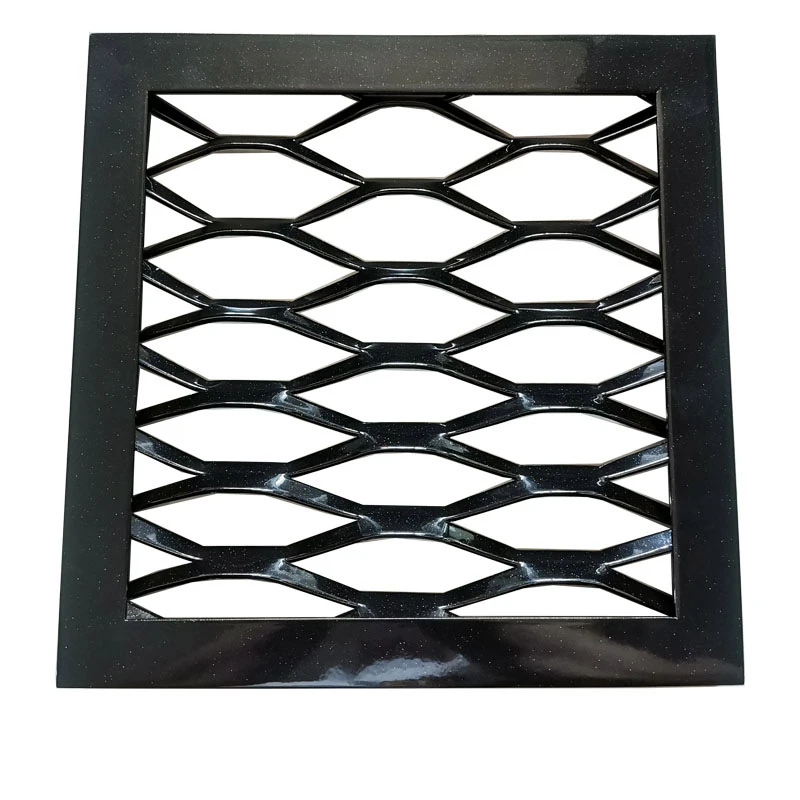
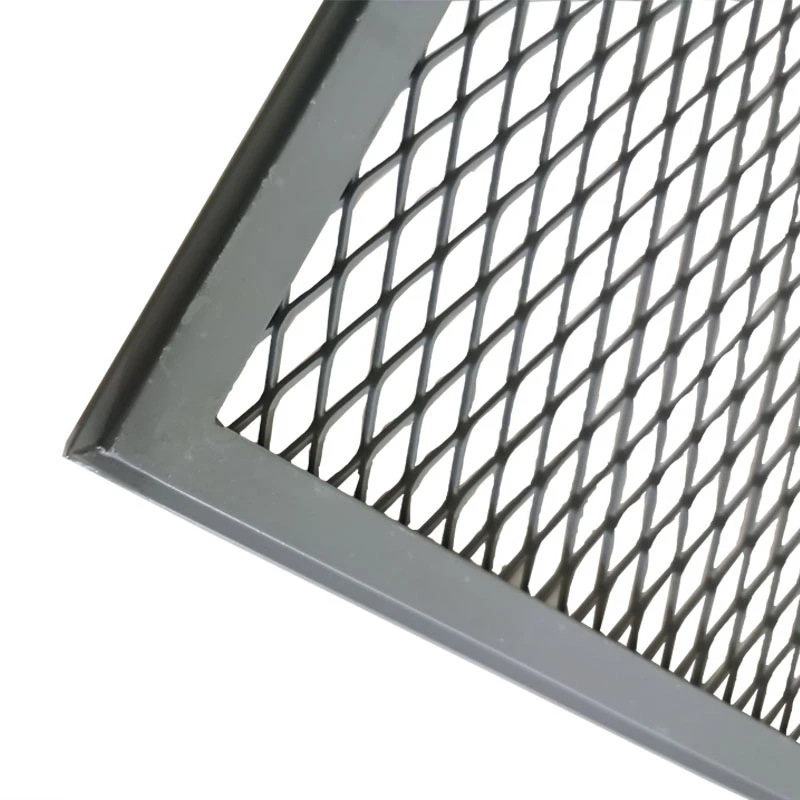
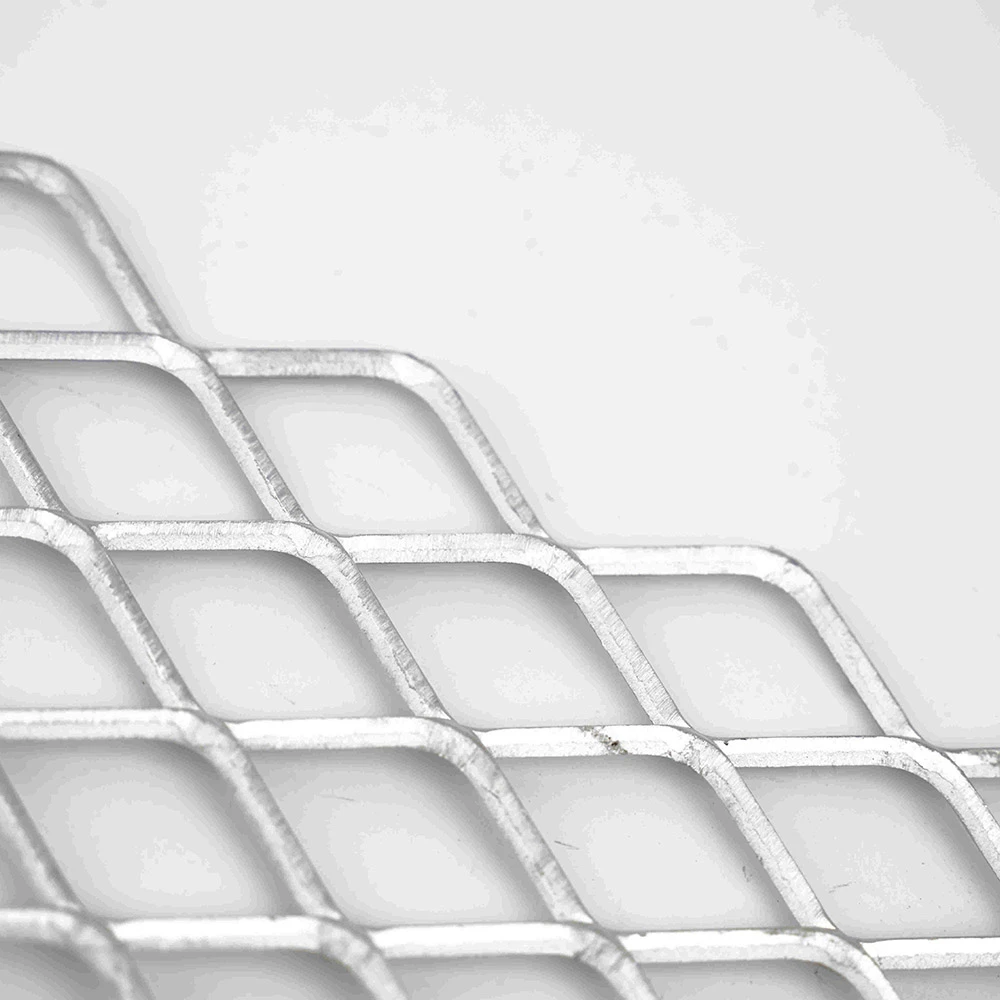
In modern architecture, diamond expanded metal is utilized as an attractive material for screening panels, building facades, and sunshades. Its geometric pattern creates a dynamic visual effect while providing natural light control, airflow, and privacy. With various finishes and scalable mesh sizes, it is ideal for both functional and decorative use in commercial and public buildings.



![$item[alt]](https://images.exportstart.com/images/a1393/cc-7691.webp "$item[标题]")