
产品描述
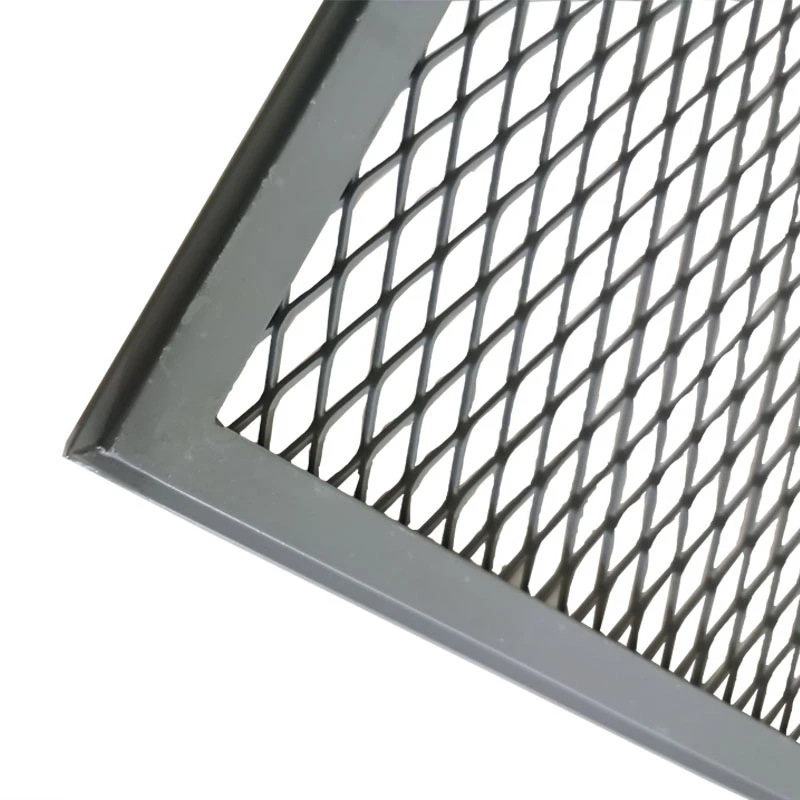
Expanded metal is created by slitting and stretching solid sheet metal to form a diamond-shaped mesh. While the basic process is similar, manufacturers produce several distinct types, each designed for specific applications and performance needs. Understanding these variations helps engineers, builders, and designers choose the best option for strength, appearance, and functionality.
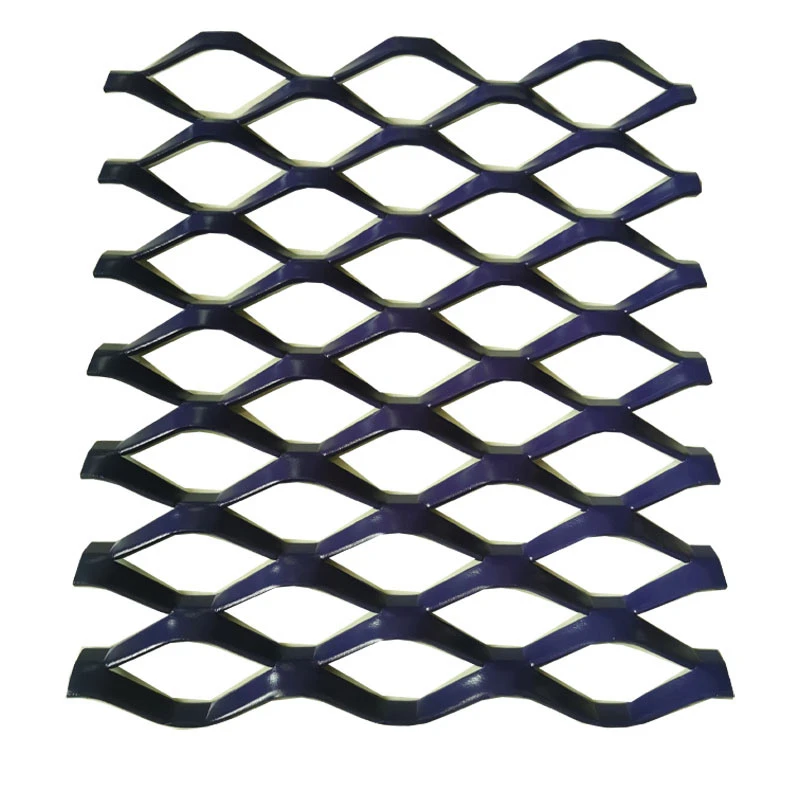
Standard (Raised) Expanded Metal
This is the classic form, with strands that protrude upward during the expansion process. The raised texture provides excellent traction, making it ideal for walkways, stair treads, and safety platforms. Its rigidity and open area also suit security fencing and machine guards.
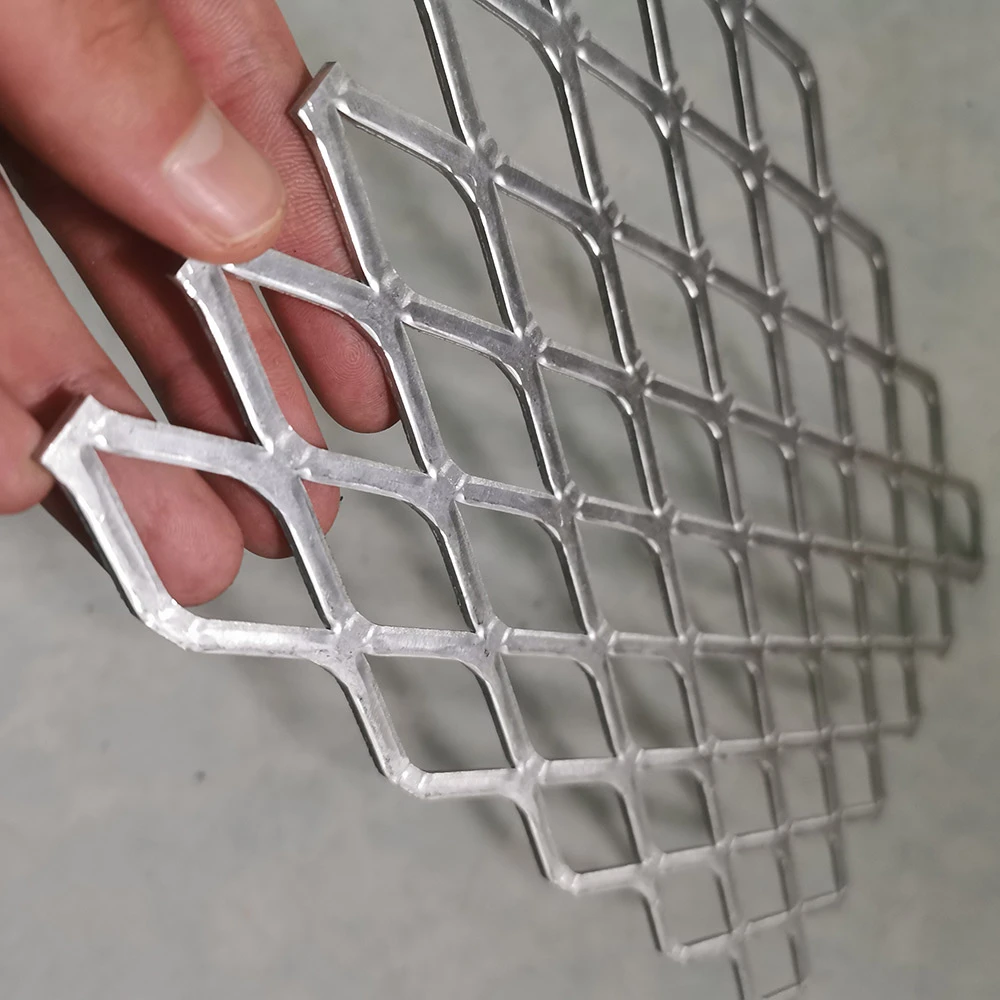
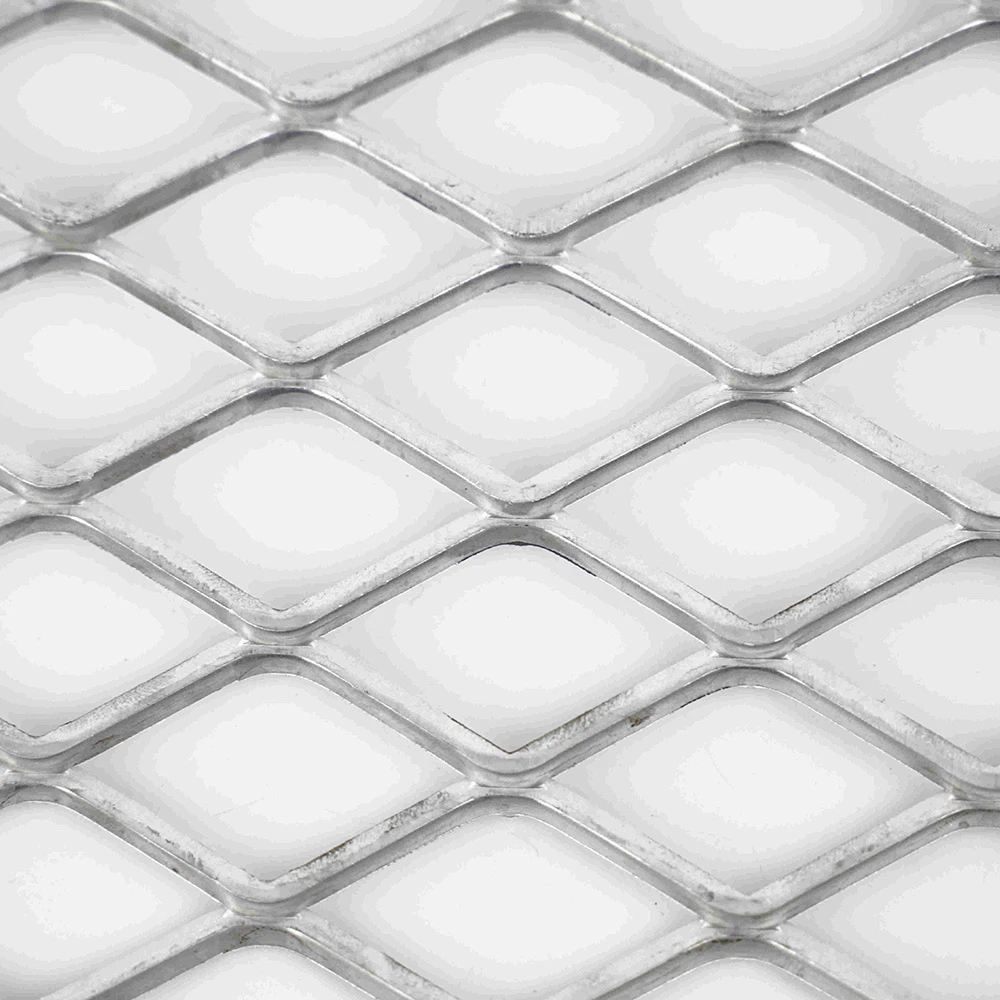
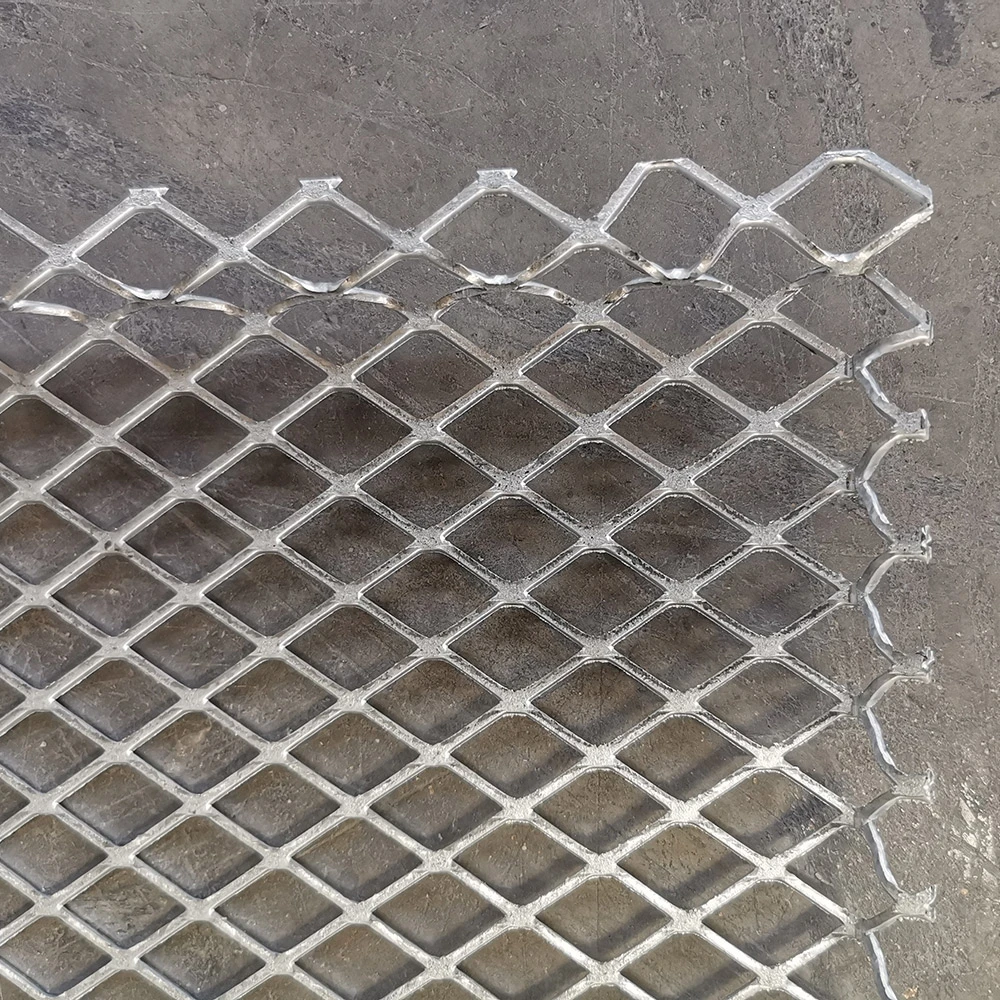
扁平金属网
After expansion, the sheet is rolled to create a smooth, flat surface. This type is easier to handle, cut, and weld, and it’s frequently used for architectural cladding, decorative panels, and interior partitions where a sleek appearance is preferred.
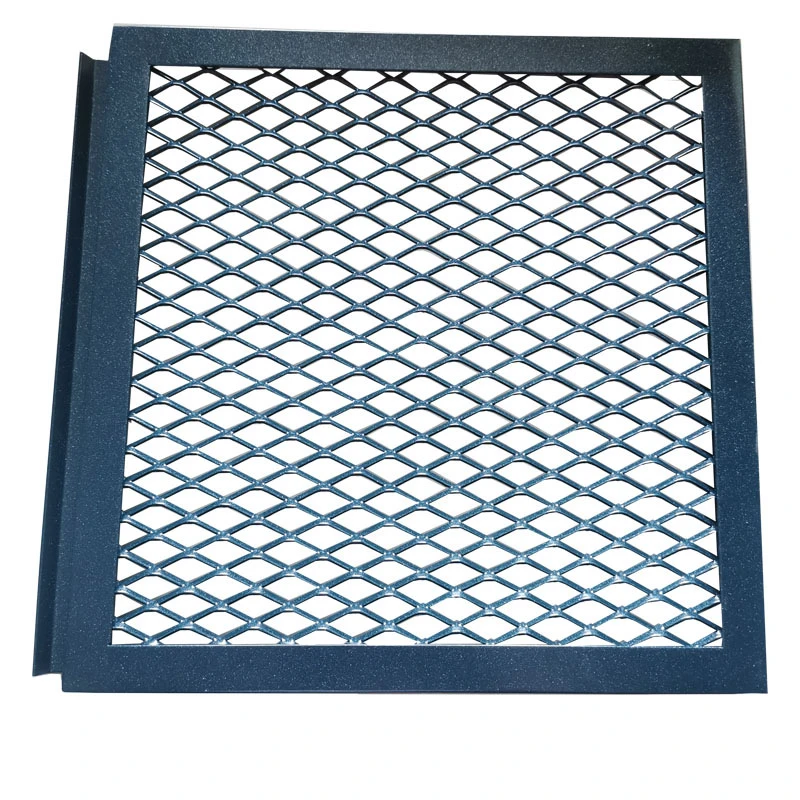
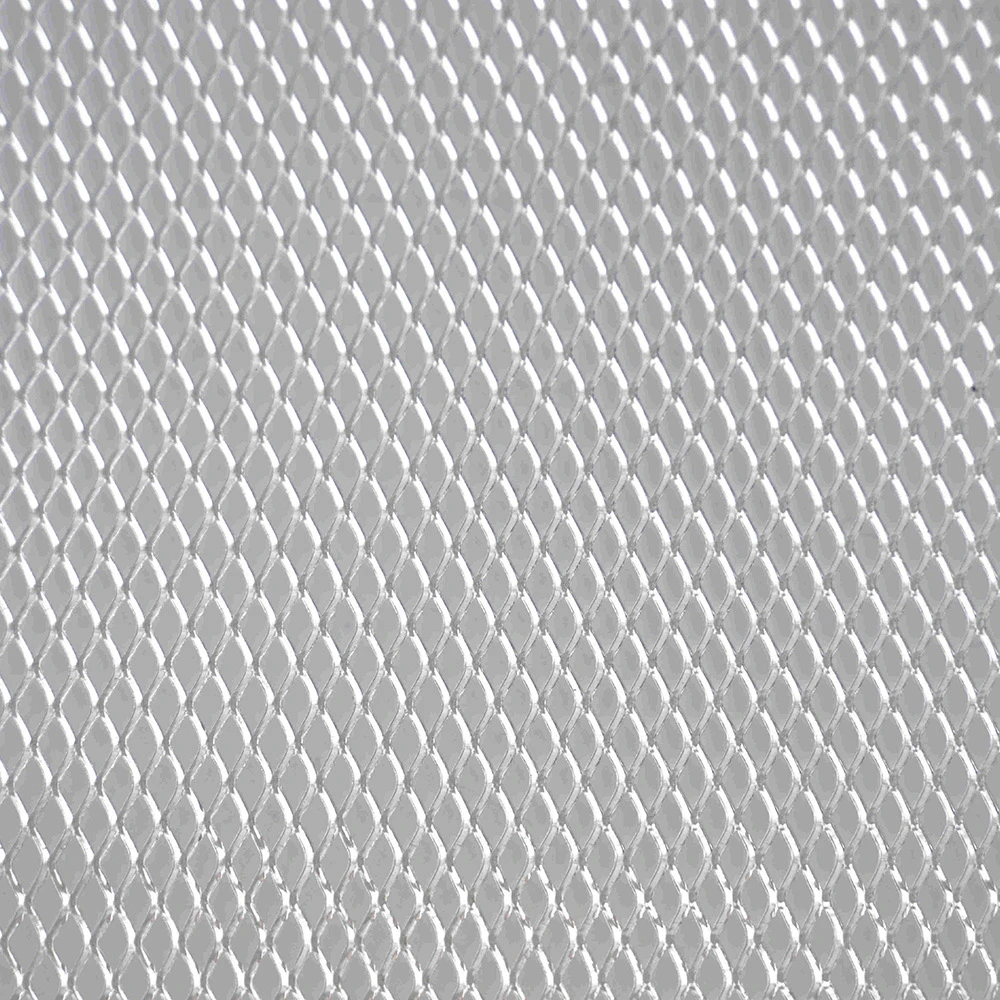
Micro or Fine Expanded Metal
Featuring very small openings and thin strands, micro expanded metal is popular for filtration screens, speaker grilles, and precision electronic enclosures. It allows airflow and light while offering a refined, delicate look.
Heavy-Duty Expanded Metal
Made from thicker gauge metal with larger diamond openings, heavy-duty mesh provides maximum strength for industrial flooring, catwalks, and high-load structures. It withstands heavy traffic and harsh environments.
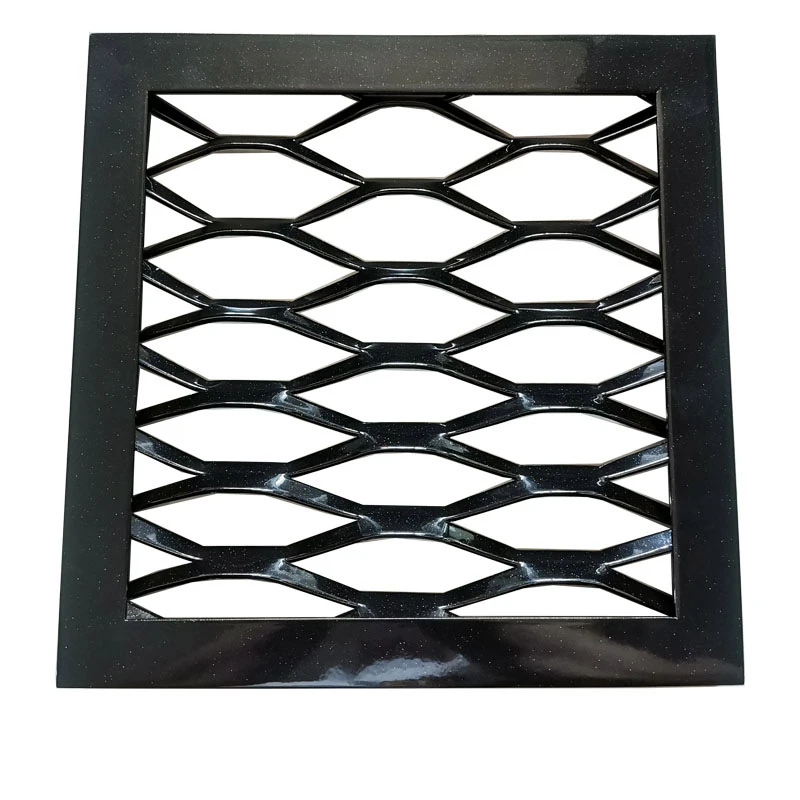
Decorative or Custom Patterns
Beyond the standard diamond, manufacturers can create hexagonal, square, or ornamental shapes to meet specific design goals in architecture, retail displays, and art installations.
Each type can be fabricated from materials such as carbon steel, stainless steel, or aluminum, and finished with galvanizing or powder coating. By matching the type to the intended use—whether structural support, filtration, or aesthetics—you ensure long-lasting performance and a look that complements the project’s design.
Metals are processed and distributed in standardized shapes to simplify manufacturing and construction. While there are many specialized profiles, four fundamental forms dominate industrial supply: sheet, plate, bar, and tube/pipe. Understanding these categories helps designers and fabricators select the right format for strength, weight, and fabrication needs.
1.Sheet Metal
Sheet metal is thin, flat stock typically less than 6 mm thick. It is easy to cut, bend, and form, making it the go-to choice for roofing, automotive body panels, HVAC ducting, and decorative cladding. Materials include steel, aluminum, stainless steel, and copper.
2.Plate Metal
Plates are thicker than sheets—often 6 mm or more—and provide higher structural strength. They are used in shipbuilding, heavy machinery, pressure vessels, and industrial flooring where durability and load-bearing capacity are critical.
3.Bar Stock
Metal bars come in round, square, or rectangular cross-sections and a variety of diameters. Bar stock is essential for machining, shafts, fasteners, and structural supports. Its solid form allows precise shaping through milling or turning.
4.Tube and Pipe
Tubes and pipes are hollow forms designed for fluid transport, structural frameworks, and mechanical applications. Tubes usually have tighter dimensional tolerances for engineering uses, while pipes are standardized for conveying liquids or gases.
These four shapes—sheet, plate, bar, and tube/pipe—cover the vast majority of metal supply needs. Each can be ordered in different alloys and finishes, from galvanized steel for corrosion resistance to polished stainless for aesthetics. Choosing the correct form ensures efficient fabrication, cost control, and optimal performance for projects ranging from architectural designs to industrial equipment.
Expanded metal is produced by cutting and stretching a solid sheet of metal to form a diamond-shaped mesh. This versatile material comes in two main forms: standard (raised) expanded metal and flattened expanded metal, each suited for specific applications. Understanding the difference helps engineers, architects, and fabricators select the right type for strength, appearance, and functionality.
Standard (Raised) Expanded Metal
In the standard form, the metal strands and diamonds retain the raised texture created during expansion. The strands protrude upward, creating a three-dimensional surface. This raised pattern provides excellent traction, making it ideal for industrial walkways, stair treads, ramps, and platforms. The openings allow light, air, and liquids to pass through, which is especially useful for drainage and ventilation. Raised expanded metal is also strong and rigid, offering excellent load-bearing capacity for heavy-duty industrial and construction applications.
扁平金属网
Flattened expanded metal is created by rolling standard expanded metal through a series of heavy rollers to compress the raised strands into a smooth, even surface. This flattening process improves handling, cutting, and welding while providing a more uniform appearance. Flattened mesh is popular in architectural applications, decorative panels, fencing, and interior design where aesthetics are as important as structural performance. It maintains most of the strength of standard expanded metal but is easier to integrate into precise construction projects.
Key Differences
The main differences between the two lie in surface texture and application. Standard expanded metal offers superior grip and is preferred for functional, load-bearing uses, while flattened expanded metal emphasizes smoothness, ease of fabrication, and visual appeal. Both types can be produced from steel, aluminum, or stainless steel and finished with galvanization, painting, or powder coating, making them versatile for industrial, commercial, and decorative purposes.
Choosing between standard and flattened expanded metal depends on whether the priority is traction and durability or appearance and ease of handling.
|
最小订购量 |
1 件 |
|
OEM编号 |
CC-002 |
|
类型 |
三角形钢板网 |
|
产地 |
中国河北省 |
|
包装 |
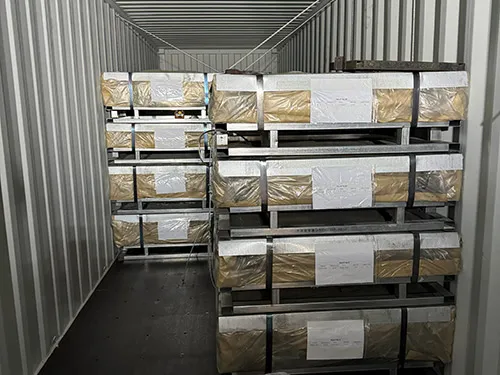
纸箱/木托盘 钢托盘/防水塑料盖 |
|
样本 |
有薪酬的 |
|
定制服务 |
是的 |
|
可用原材料 |
碳钢(Q235、195、195L、SPHC) 不锈钢(304、316、316L) |
|
表面处理 |
浸镀锌 / 粉末喷涂 / 阳极氧化 / 抛光 / 氟碳 PVDF |
|
Powder Coating / Fluorocarbon PVDF Standard (AkzoNobel, PPG Industries, Jotun etc) |
AAMA2604标准(质保10年) AAMA2605标准(质保15年) AAMA2606标准(质保20年) |
|
热镀锌标准 |
>锌 50g (3-5岁) >锌 100g (5-8岁) >Zinc 250g (15 Year+) |
|
制作视频 |
|
|
FAQ |
规格如何选择? 根据负载、环境(如腐蚀性)和应用选择材料和孔尺寸。
铝的常见原材料有哪些类型? 1060铝是常见的
你们有售后服务吗? 是的,如果货物有疑问,我们将乘飞机前往您的公司或项目区域。 |
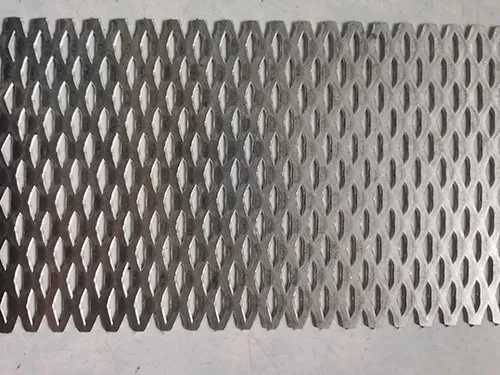
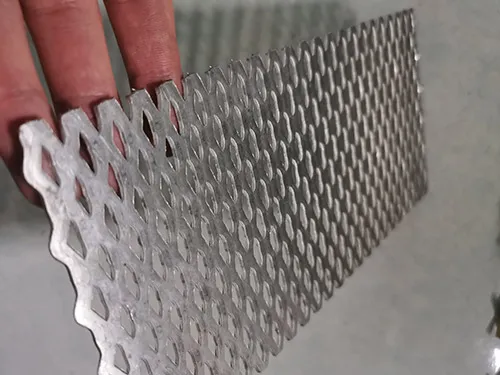
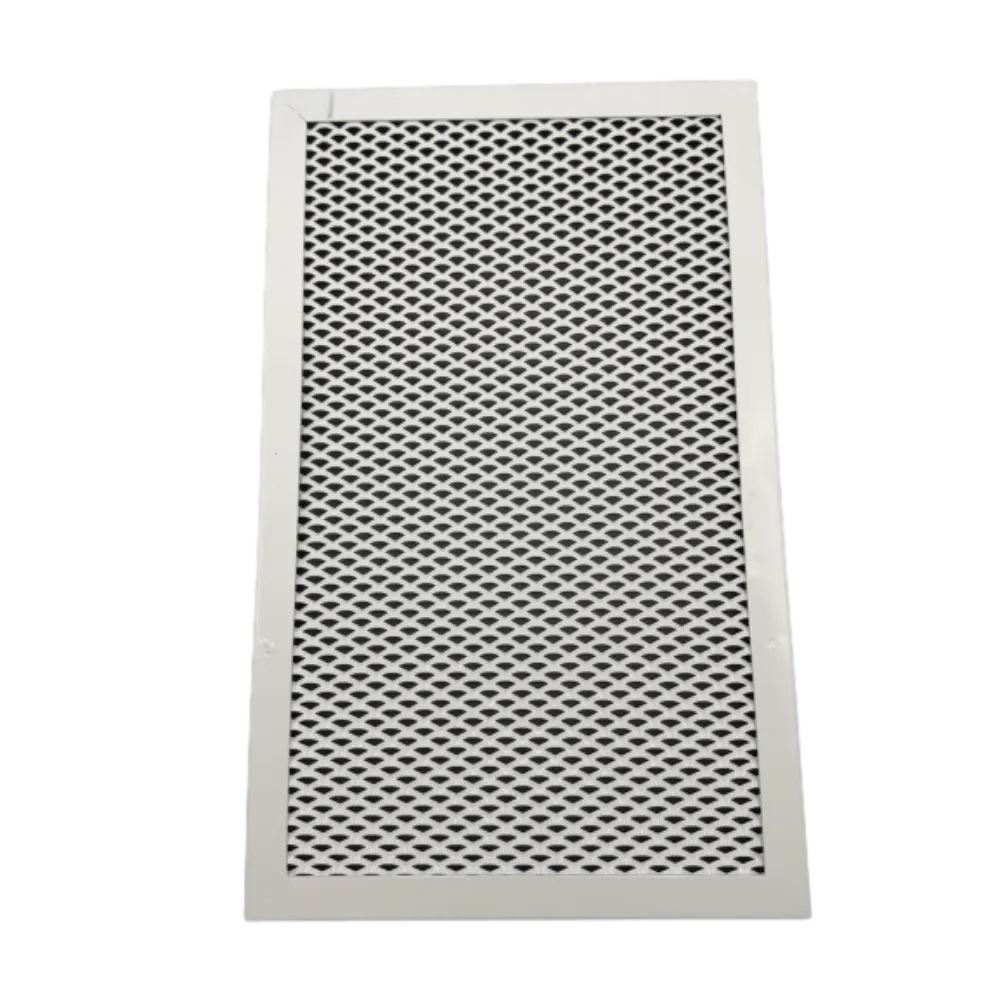
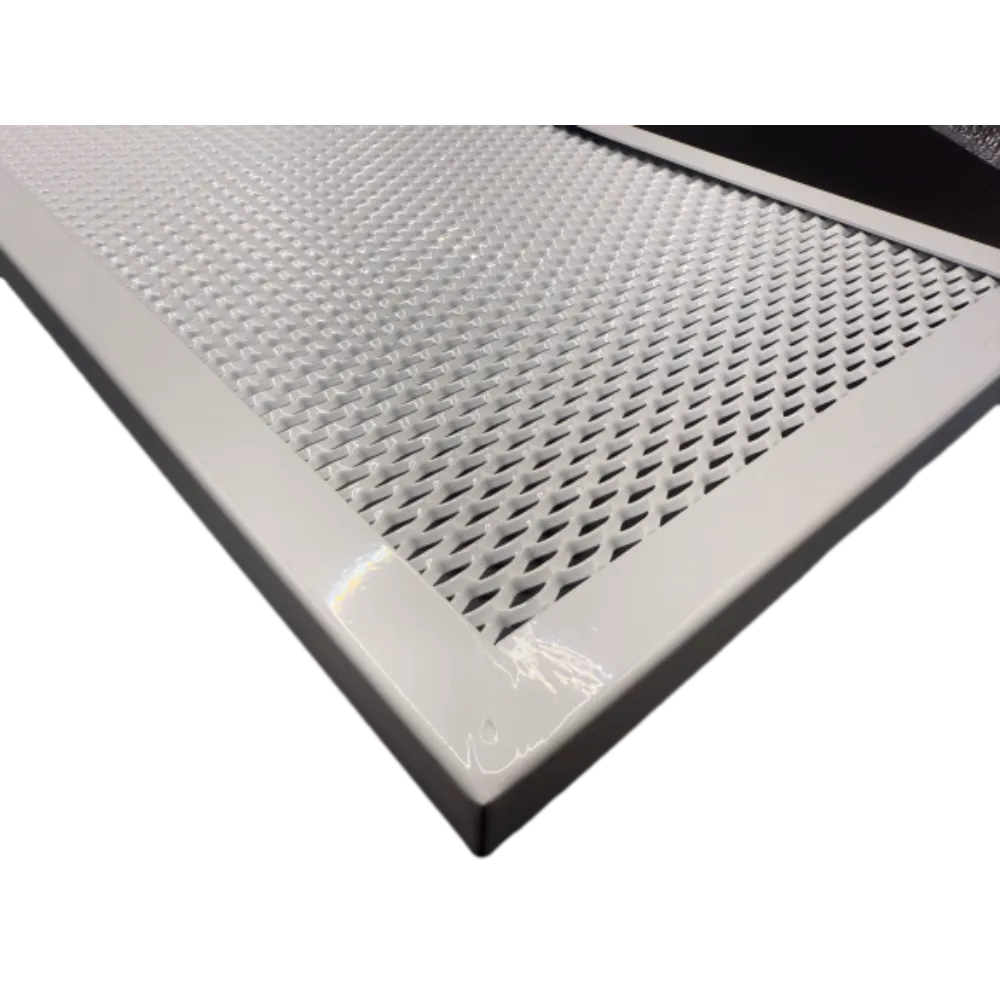
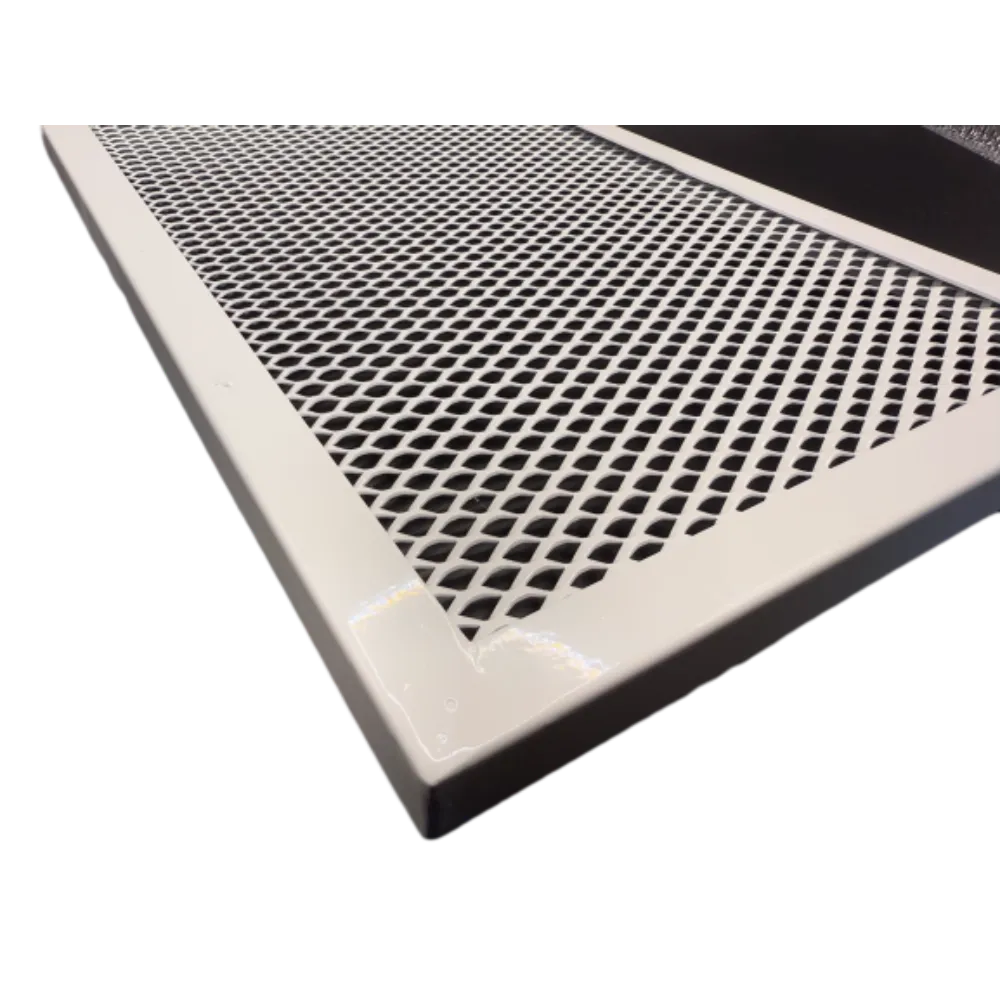
Triangular Expanded Metal Description
三角钢板网因其良好的遮阳功能,在幕墙/外墙行业广受欢迎。它适合澳大利亚和新加坡市场。
Decorative Architectural Panels
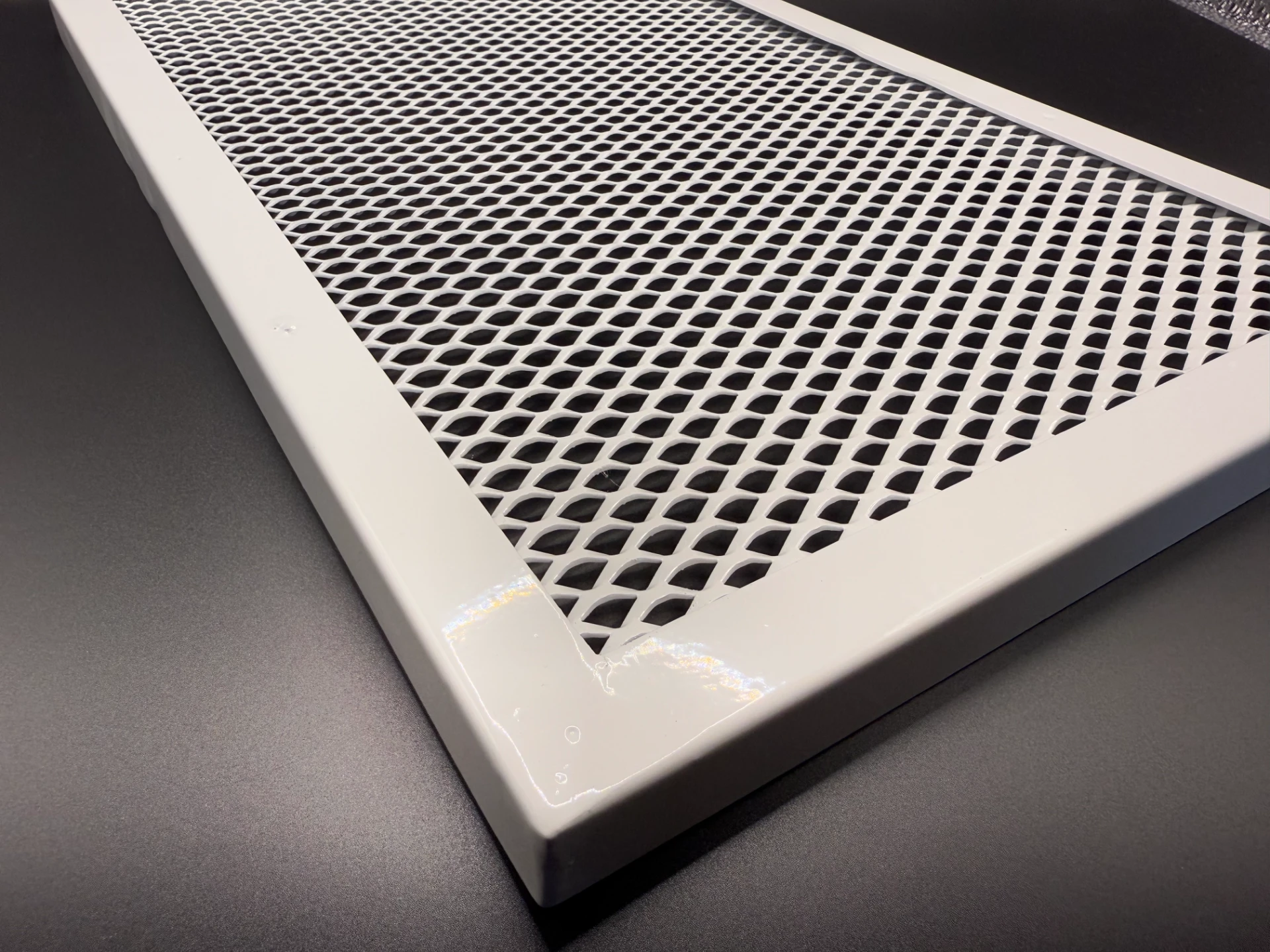
Triangular expanded metal is increasingly used in architectural facades, ceilings, and interior partitions for its unique geometric aesthetics. Compared to traditional diamond or hexagonal patterns, the triangular mesh delivers a modern, angular visual effect that enhances the depth and texture of building surfaces. It also allows for controlled light filtration, airflow, and partial transparency—perfect for commercial, retail, and cultural buildings seeking a standout design element.
Security and Ventilation Grilles
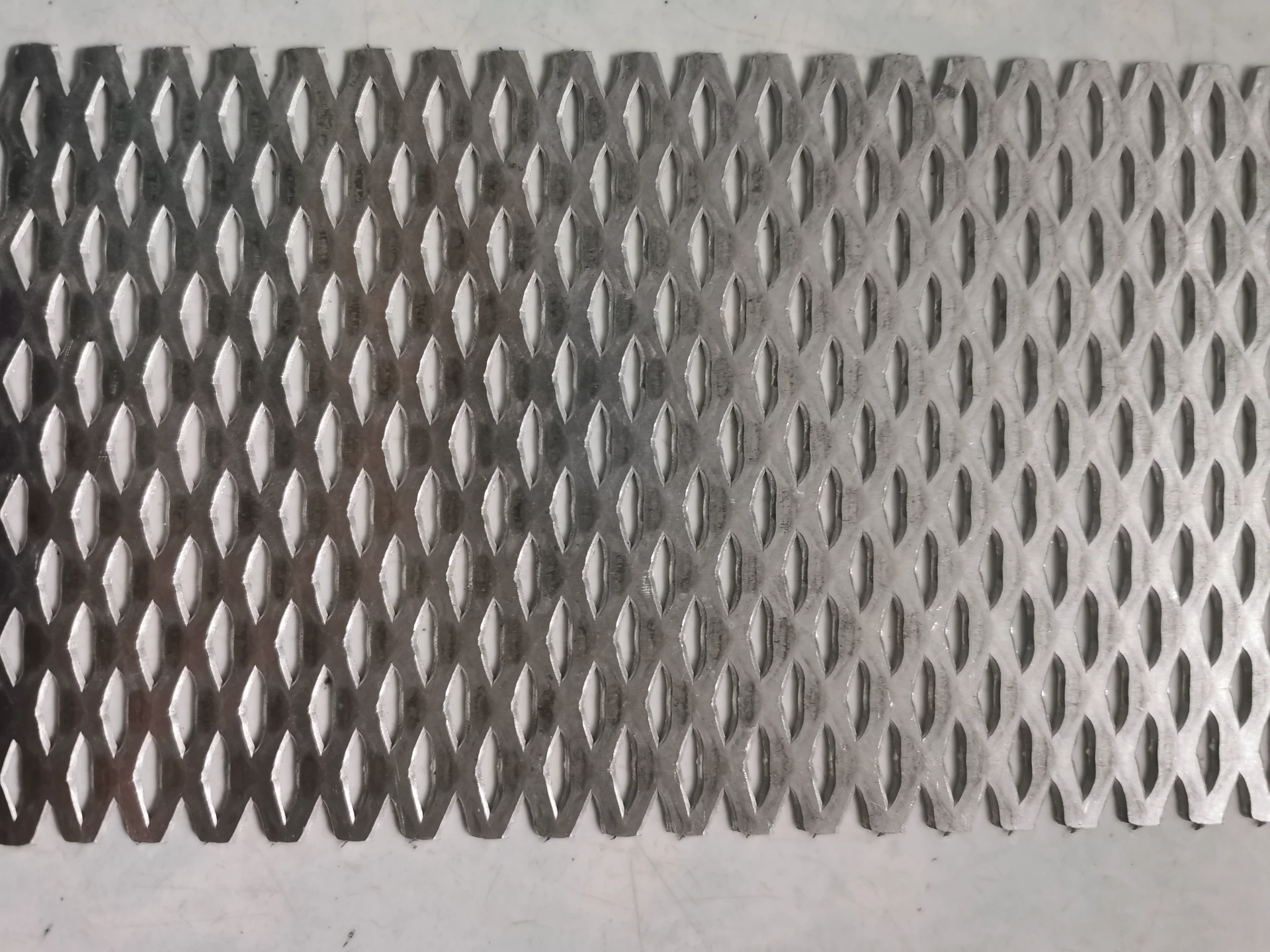
Thanks to its strong interlocking structure and limited open area, triangular expanded metal is ideal for security panels, fencing, machinery guards, and ventilation covers. It offers a higher degree of strength and tamper resistance while still permitting necessary airflow and visibility. Industries such as transportation, warehousing, and equipment enclosures benefit from this balance of durability and functionality.



![$item[alt]](https://images.exportstart.com/images/a1393/cc-7691.webp "$item[标题]")