
In the modern industrial landscape, precision and versatility are the keys to operational efficiency. A custom perforated aluminum sheet offers a sophisticated solution for engineers and architects who require a material that balances strength, lightweight properties, and specific airflow or filtration needs. Whether it is used for acoustic panels, industrial filters, or architectural facades, the ability to customize the hole size, pattern, and thickness ensures that the final product meets exact technical specifications. In this guide, we will explore why aluminum is the preferred choice for perforation and how custom specifications can transform your project's performance.
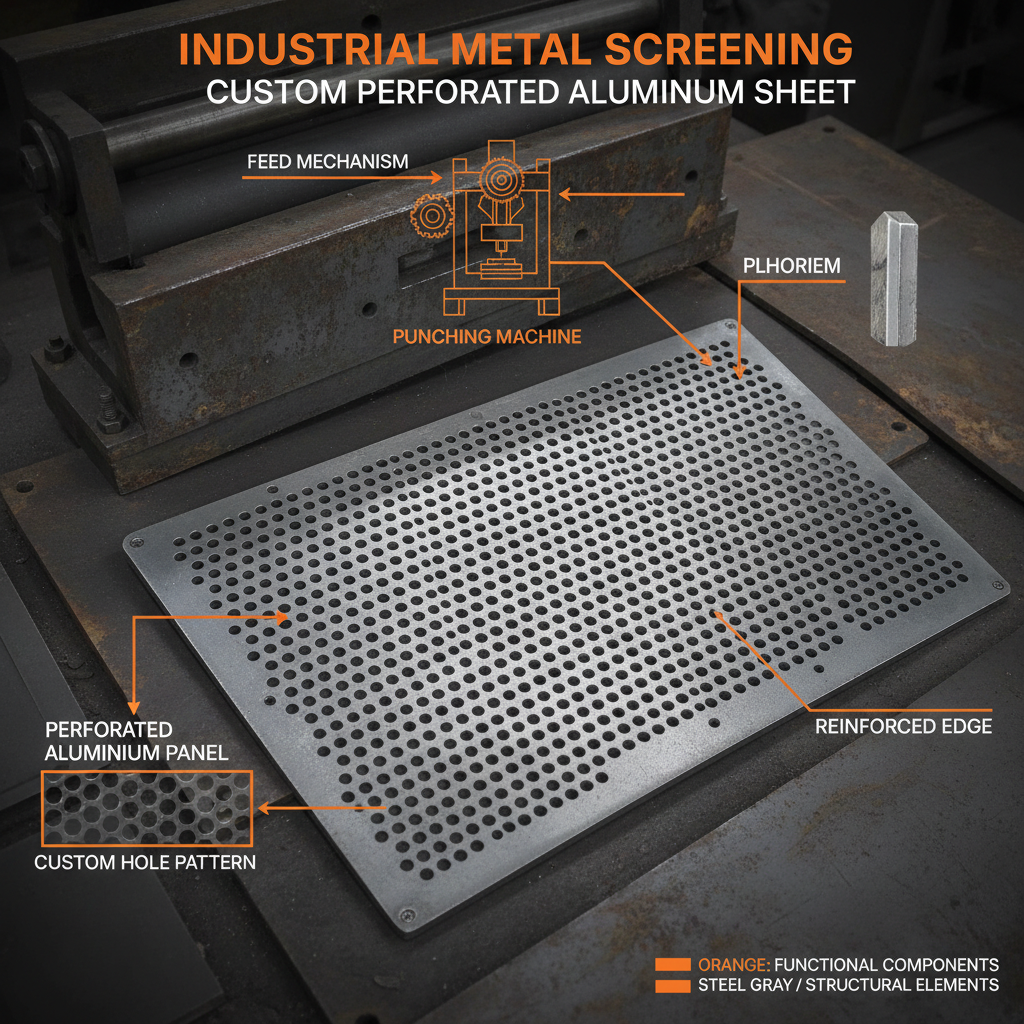
Choosing a custom perforated aluminum sheet provides several strategic advantages over other metals. Firstly, aluminum is naturally corrosion-resistant, making it ideal for outdoor or humid environments. Secondly, its high strength-to-weight ratio ensures that structures remain lightweight without sacrificing structural integrity. Customization allows users to control the open area percentage, which is critical for applications involving light transmission, sound absorption, or liquid drainage. By tailoring the perforation pattern, industries can optimize the functionality of their components while reducing material waste.
Pro Tip: When ordering, always specify the "bridge width" (the distance between holes) to ensure the sheet retains enough rigidity for its intended load-bearing capacity.
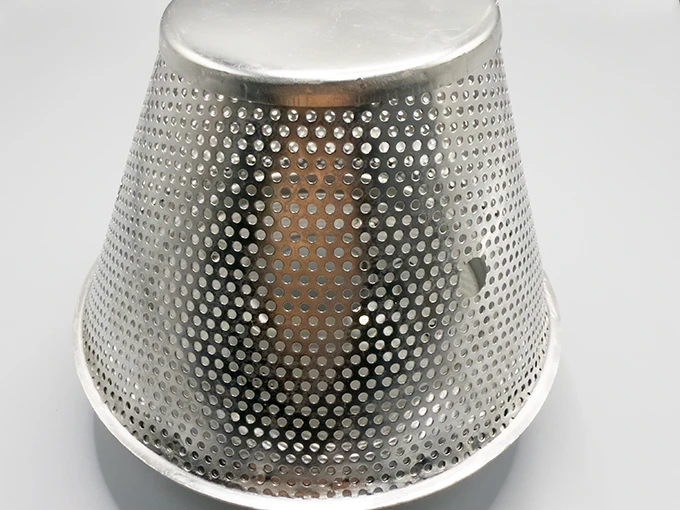
To achieve the best results with a custom perforated aluminum sheet, it is essential to understand the technical variables involved. The most common patterns include round, square, slotted, and decorative shapes. The choice of alloy (such as 5052 or 6061) further determines the sheet's weldability and hardness. Below is a detailed specification table that helps in defining the requirements for industrial-grade perforated sheets.
A common dilemma for project managers is choosing between aluminum and stainless steel. While stainless steel offers higher heat resistance and extreme hardness, the custom perforated aluminum sheet is significantly more cost-effective and easier to fabricate. Aluminum is the superior choice for aerospace, automotive, and architectural applications where weight is a critical factor. Additionally, aluminum can be anodized in various colors, providing a decorative edge that stainless steel cannot easily match.
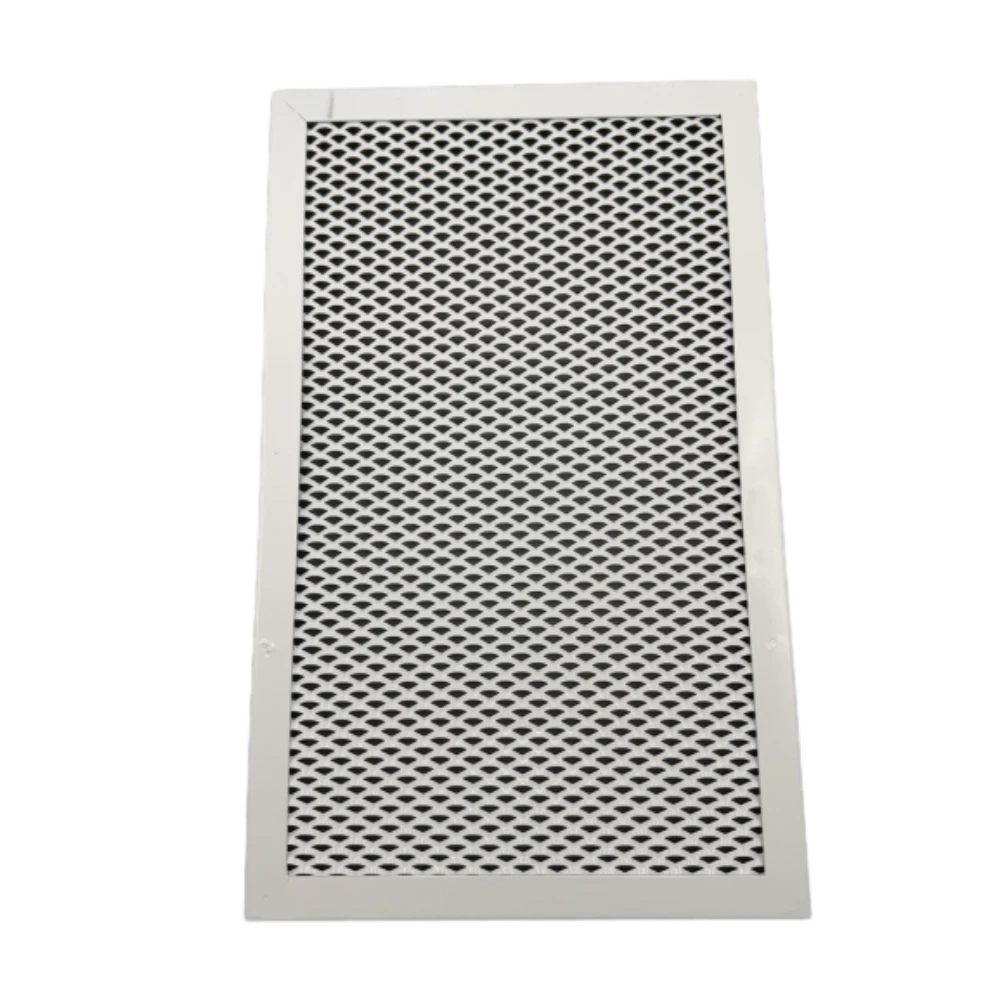
The versatility of these sheets allows them to be utilized across a vast array of sectors. In HVAC systems, they act as efficient grilles and vents that manage airflow while filtering dust. In architecture, they are used for sun-shading screens and interior cladding to create a modern, industrial aesthetic. Furthermore, the food and beverage industry utilizes them for drainage trays and sorting screens due to their non-toxic nature and ease of cleaning. The ability to order a custom perforated aluminum sheet means these components can be integrated seamlessly into any existing system without the need for extensive modifications.
High-quality perforation is achieved through two primary methods: punching and laser cutting. Punching is ideal for high-volume orders of a custom perforated aluminum sheet, offering speed and cost-efficiency. Laser cutting, on the other hand, is used for intricate, non-standard designs requiring extreme precision. Quality control involves checking the hole consistency and ensuring the edges are deburred for safety. Proper surface treatment, such as anodizing, is then applied to create a protective oxide layer that prevents oxidation and adds a professional finish.
Ordering the right material requires a clear set of specifications to avoid project delays. First, determine the material grade (e.g., 5052 for marine use). Second, define the hole geometry and pitch (center-to-center distance). Third, specify the overall dimensions and any required secondary processes like bending or cutting to shape. By providing these details, you ensure that your custom perforated aluminum sheet is manufactured to the exact tolerances required for your application, reducing the need for on-site adjustments.
The implementation of a custom perforated aluminum sheet is more than just a material choice; it is a strategic engineering decision. By leveraging the lightweight, durable, and customizable nature of aluminum, businesses can enhance the efficiency, aesthetics, and longevity of their products. From industrial filtration to cutting-edge architecture, the right perforation can make all the difference. Trust in precision manufacturing to bring your technical visions to life.
The open area refers to the percentage of the total sheet surface that consists of holes. It is calculated based on the hole diameter and the pitch. This metric is crucial because it directly determines how much air, light, or liquid can pass through the material. For instance, a high open area is required for high-efficiency air filters, while a lower open area is preferred for security screens or structural panels where strength is more important than flow. When requesting a custom perforated aluminum sheet, specifying the open area helps the manufacturer suggest the optimal hole size and spacing.
Yes, aluminum is an excellent substrate for various finishes. The most common is anodizing, which creates a hard, corrosion-resistant layer that can be dyed in multiple colors. Powder coating is another popular option, providing a thick, durable layer of paint that is resistant to scratching and weathering. Depending on the application, you can choose a matte, glossy, or textured finish. These coatings not only improve the aesthetic appeal of the custom perforated aluminum sheet but also provide an extra layer of protection against harsh environmental conditions.
The choice depends on your volume and design complexity. Punching uses a die to create holes and is extremely fast and cost-effective for standard patterns (like round or square) in large quantities. It is the go-to method for most industrial custom perforated aluminum sheets. Laser cutting is better for prototypes, low-volume orders, or complex, artistic designs that a punch die cannot achieve. Laser cutting offers higher precision and can create virtually any shape, though it is generally slower and more expensive per unit than traditional punching.



![$item[alt]](https://images.exportstart.com/images/a1393/cc-7691.webp "$item[title]")