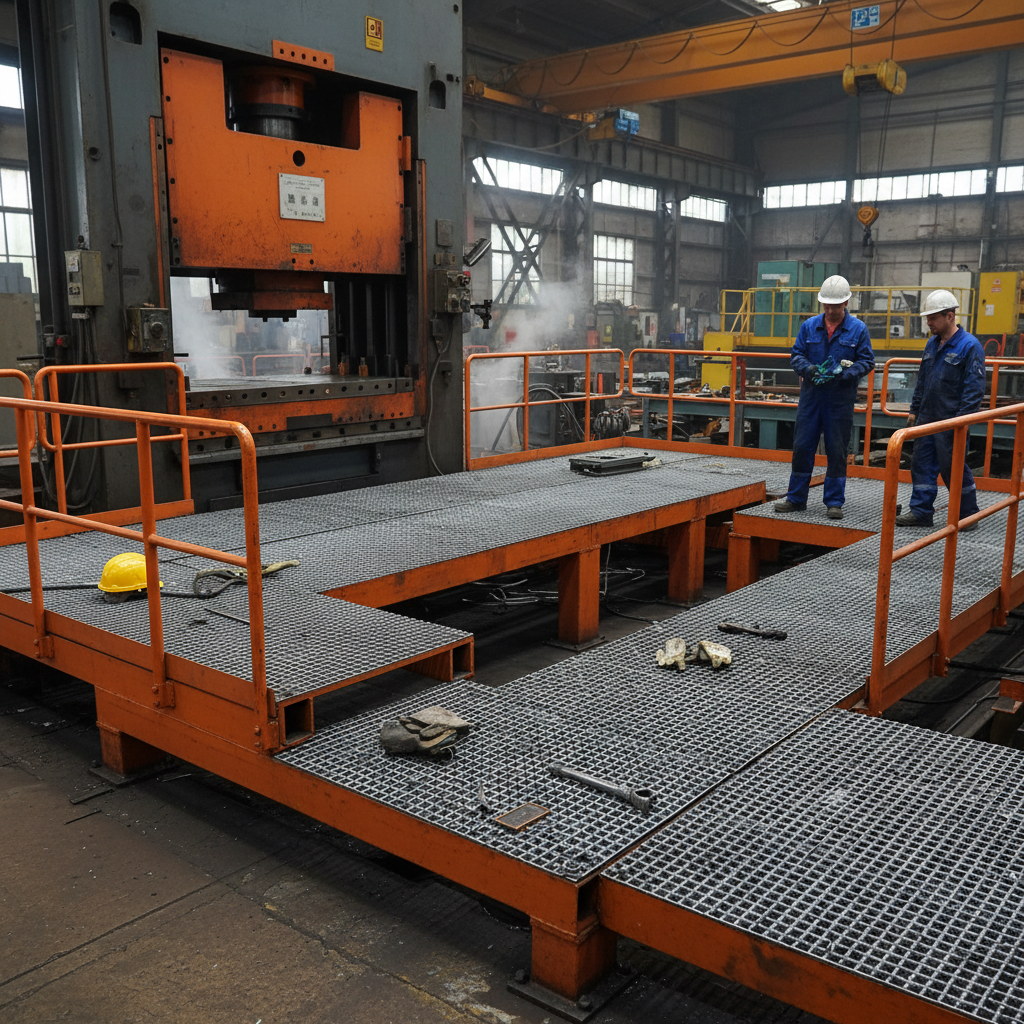
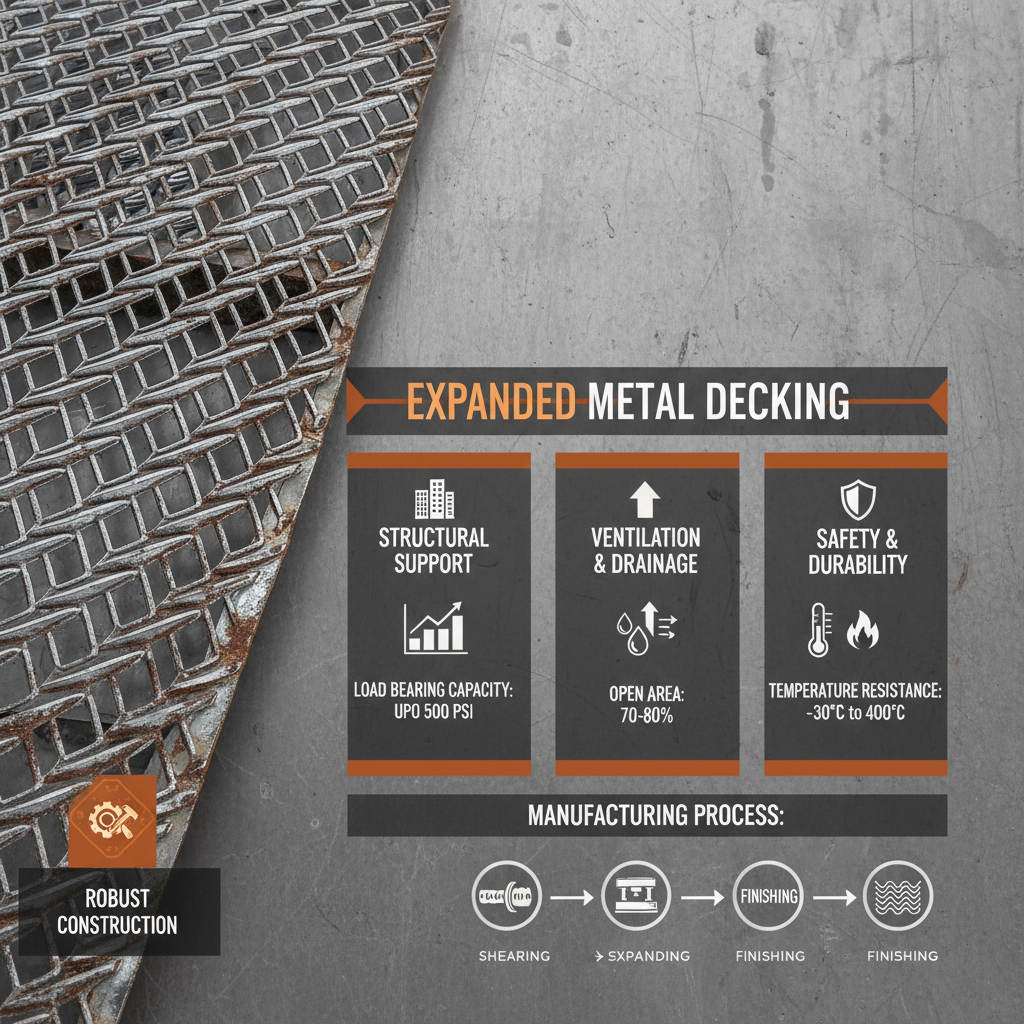
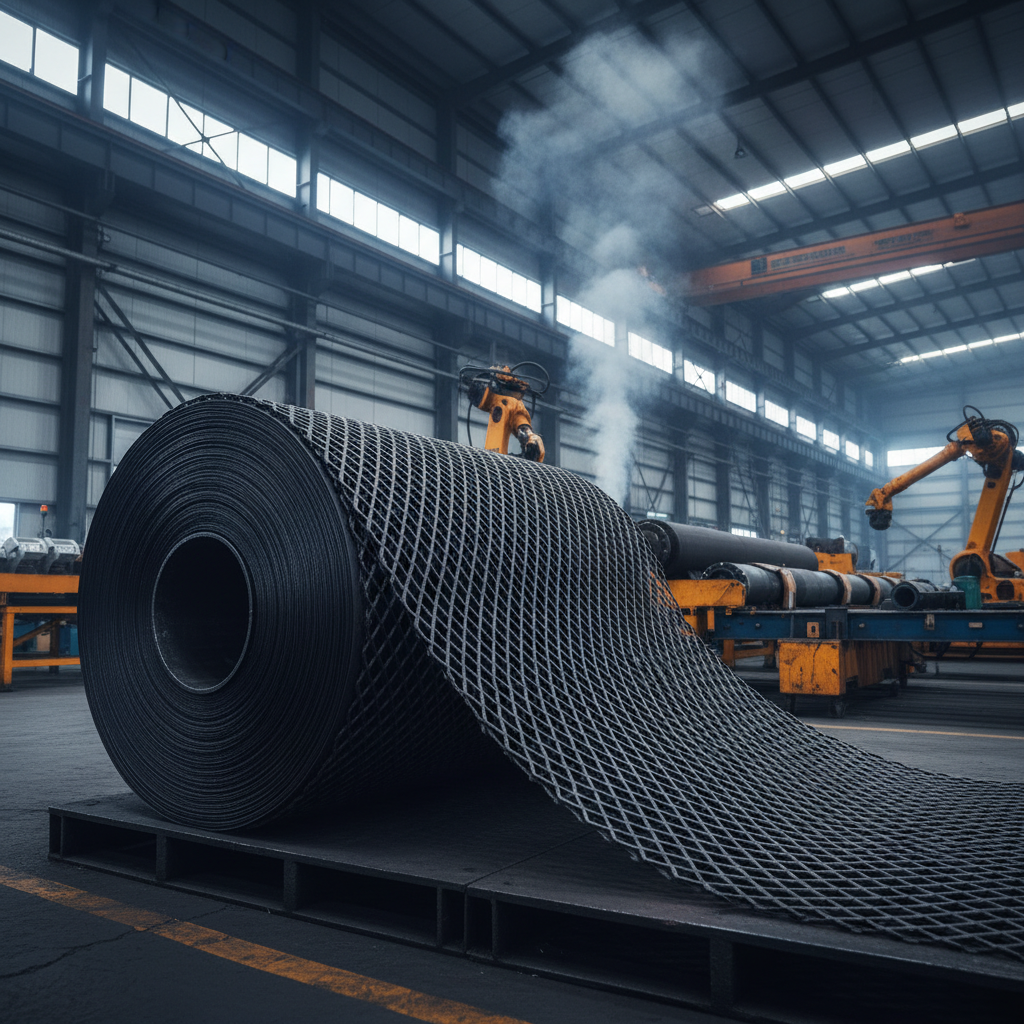
In the modern landscape of industrial construction and architectural design, expanded metal decking has emerged as a cornerstone material for those seeking a balance between structural integrity and lightweight efficiency. Unlike traditional solid slabs, this specialized mesh provides a high strength-to-weight ratio, making it indispensable for mezzanine floors, walkways, and industrial platforms where safety and durability are non-negotiable.
The global shift toward sustainable building practices has further propelled the adoption of expanded metal solutions. By utilizing a process that slits and stretches the metal without removing any material, these decking systems minimize waste and maximize raw material utility. This efficiency not only lowers the carbon footprint of a project but also significantly reduces the total cost of ownership over the lifespan of the infrastructure.
Understanding the technical nuances of expanded metal decking is essential for engineers and contractors who aim to optimize load-bearing capacities while ensuring rapid installation. From enhancing drainage in outdoor environments to providing secure traction in high-traffic industrial zones, the versatility of this material continues to redefine how we approach commercial and industrial flooring solutions.
Global Industry Context of Expanded Metal Decking
On a global scale, the demand for expanded metal decking is intrinsically linked to the rapid urbanization of emerging economies and the modernization of industrial hubs. According to industry trends aligned with ISO quality standards, there is a growing preference for prefabricated metal components that reduce on-site labor and installation time. In regions like Southeast Asia and North America, the push for "lean construction" has made expanded metal a primary choice for industrial flooring due to its ability to be customized to precise architectural specifications.
However, the industry faces a persistent challenge: balancing the requirement for extreme load-bearing capacity with the need for corrosion resistance in harsh environments. Whether it is a chemical processing plant in Germany or a coastal warehouse in Brazil, the failure of decking materials can lead to catastrophic safety hazards. This has led to a surge in the development of advanced coatings and alloy compositions specifically designed to extend the life of expanded metal systems in high-humidity or chemically aggressive atmospheres.
Defining Expanded Metal Decking and Its Utility
At its core, expanded metal decking is a cold-formed mesh created by slitting and stretching a solid sheet of metal—such as carbon steel, stainless steel, or aluminum—through a precise mechanical process. Unlike woven wire or perforated sheets, the bonds in expanded metal are integral; the material is not welded or tied, but remains a single, continuous piece of metal. This inherent structure provides exceptional rigidity and prevents the "shifting" often seen in traditional wire meshes.
In modern industrial contexts, this material serves as more than just a floor; it is a multifunctional engineering solution. Its open-diamond pattern allows for the free passage of light, air, and liquids, which is critical for safety in environments where oil spills or water accumulation could create slipping hazards. This transparency also aids in facility management, allowing inspectors to monitor piping or electrical conduits located beneath the decking without removing the floor.
From a humanitarian and rapid-response perspective, the utility of expanded metal extends to temporary infrastructure. Because it is lightweight yet structurally sound, it is frequently utilized in the construction of rapid-deployment bridges and emergency walkways in post-disaster zones. Its ease of transport and fast assembly make it a vital tool for organizations needing to restore mobility and access to critical areas quickly.
Core Components and Technical Factors
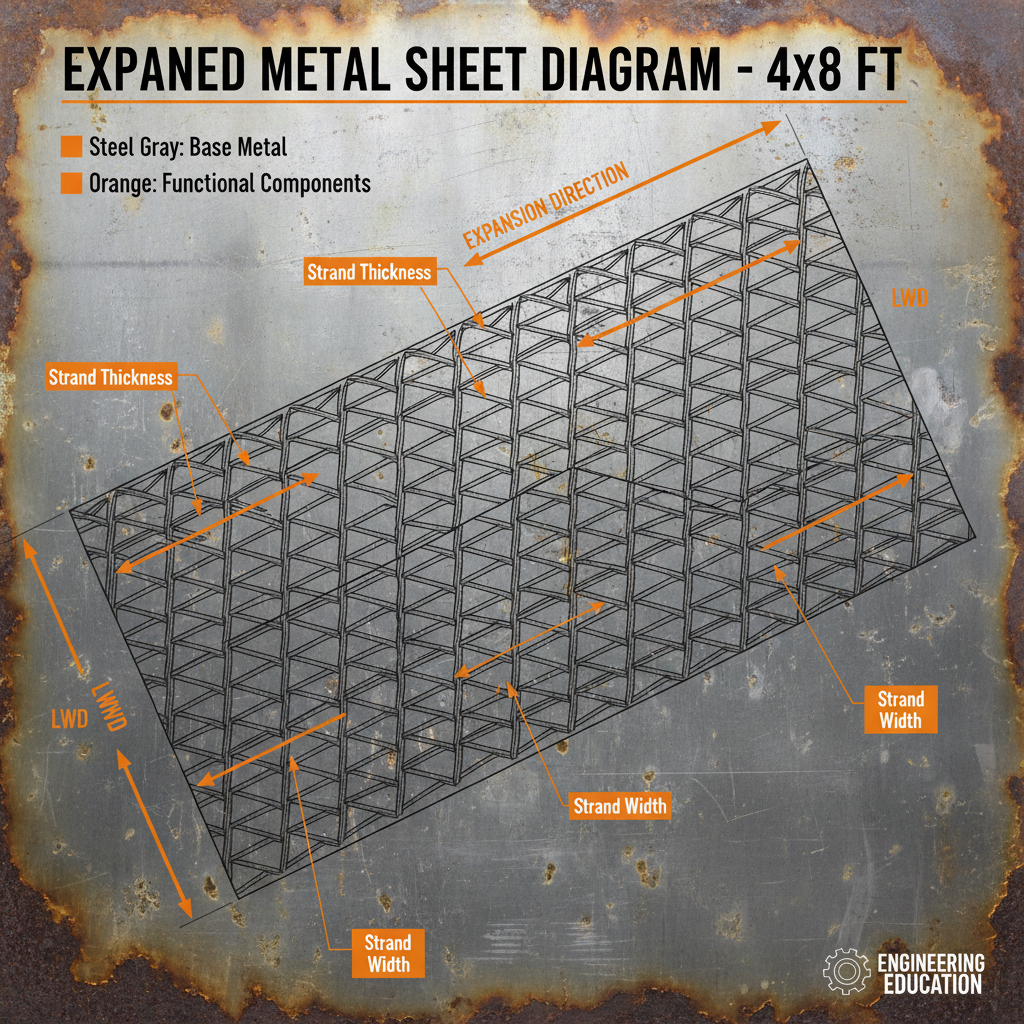
The performance of expanded metal decking is primarily governed by three technical variables: the strand width, the bond width, and the Long Way of the Diamond (LWD). These parameters determine the overall weight of the panel and its ability to distribute loads across a support system. Proper selection of these dimensions ensures that the decking does not deflect under peak operational loads.
Durability is another critical factor, often achieved through galvanization or powder coating. For decking used in food processing or pharmaceutical plants, stainless steel grades like 304 or 316 are employed to prevent oxidation and ensure hygiene. The "open area percentage" is also a key metric, as it dictates how much fluid or debris can pass through the surface, which is essential for maintaining a clean and safe workspace.
Lastly, scalability and installation efficiency are driven by the uniformity of the expansion process. High-precision machinery ensures that every panel is consistent in size and strength, allowing for modular installation. This scalability means that a project can begin with a small pilot area and expand seamlessly as the facility grows, without needing to redesign the primary support structure.
Global Applications and Real-World Use Cases
The practical application of expanded metal decking spans a diverse range of industries. In the oil and gas sector, it is the standard for offshore platform gratings, where the ability to let seawater and oil pass through is critical for preventing dangerous accumulation. Similarly, in the mining industry, these decking systems are used for heavy-duty conveyor walkways and ore screening platforms due to their immense impact resistance.
In urban architectural projects, we see a shift toward aesthetic yet functional use. Modern museums and commercial plazas often incorporate expanded metal for mezzanine levels to maintain an "industrial chic" look while ensuring the space feels open and airy. In remote industrial zones, such as Arctic research stations or desert mining camps, the material's ability to be shipped in flat sheets and expanded on-site (or shipped pre-cut for fast assembly) reduces the logistics burden significantly.
Performance Comparison of Expanded Metal Decking Types
Long-Term Value and Tangible Advantages
The long-term value of investing in expanded metal decking lies in the intersection of safety and economic efficiency. By reducing the dead load of a building, engineers can often reduce the size and cost of the primary supporting beams, leading to substantial savings in raw material costs. Furthermore, the non-slip surface inherent in the diamond pattern reduces workplace accidents, lowering insurance premiums and improving overall worker dignity and safety.
From a sustainability perspective, expanded metal is highly recyclable. Because it is produced without the need for welding consumables or complex adhesives, the purity of the metal is preserved. At the end of a facility's lifecycle, the decking can be melted down and repurposed with minimal loss of quality. This circular economy approach makes it a logically sound choice for companies aiming to meet ESG (Environmental, Social, and Governance) targets.
Future Trends and Material Innovations
Looking ahead, the evolution of expanded metal decking is being driven by the integration of smart materials and automated fabrication. We are seeing the emergence of "nano-coatings" that provide hydrophobic and antimicrobial properties, which are revolutionary for decking used in healthcare facilities or food processing plants where sterility is paramount.
Digital transformation is also playing a role through the use of BIM (Building Information Modeling). Architects can now simulate the exact stress points of an expanded metal floor in a virtual environment before a single sheet is cut. This ensures that the material is used with maximum efficiency, placing strength exactly where it is needed and reducing unnecessary weight in low-stress areas.
Moreover, the push toward green energy is introducing new alloys that are lighter than aluminum but stronger than steel. These hybrid materials, combined with robotic precision cutting, allow for the creation of complex, organic decking shapes that were previously impossible to manufacture, blending high-end aesthetics with industrial-grade performance.
Challenges and Expert Strategic Solutions
Despite its benefits, one common challenge with expanded metal decking is the presence of sharp edges resulting from the shearing process. If left untreated, these "burrs" can pose a safety risk to personnel or cause damage to equipment. The expert solution is the implementation of a rigorous "flattening" and "edge-trimming" process, ensuring that all panels are smoothed and safe for tactile contact.
Another limitation is the potential for localized corrosion at the bond points if the coating is uneven. To overcome this, industry leaders are moving away from simple dip-coating toward electrostatic powder coating and hot-dip galvanizing. These methods ensure that every crevice of the expanded diamond is fully encapsulated in a protective layer, preventing oxidation from starting at the interior joints.
Finally, for extremely high-load applications, some find the flexibility of mesh to be a drawback. The strategic approach here is the use of "composite decking," where expanded metal is bonded to a thin layer of concrete or high-strength polymer. This creates a hybrid surface that possesses the drainage and lightness of expanded metal with the absolute rigidity of a solid slab.
Technical Analysis and Comparative Performance of Expanded Metal Decking
| Material Grade |
Corrosion Resistance (1-10) |
Load Capacity (1-10) |
Installation Speed (1-10) |
| Hot-Dip Galvanized Steel |
7 |
9 |
8 |
| Stainless Steel 316 |
10 |
8 |
7 |
| Anodized Aluminum |
9 |
5 |
10 |
| Carbon Steel (Painted) |
4 |
9 |
8 |
| Titanium Alloy Mesh |
10 |
7 |
6 |
| Composite Steel-Polymer |
8 |
10 |
7 |
FAQS
Unlike perforated sheets, which remove metal to create holes, expanded metal is slit and stretched. This means there is no waste of material, and the resulting "raised" profile provides significantly more structural rigidity and natural slip resistance, making it safer and more cost-effective for high-load flooring.
Selection depends on the expected load per square foot and the span between supports. We recommend calculating the maximum permissible deflection. For heavy machinery, high-gauge carbon steel is best; for lightweight pedestrian walkways in corrosive areas, anodized aluminum or 304 stainless steel is preferred.
Yes, provided the correct material is chosen. For coastal areas, we strongly suggest Grade 316 Stainless Steel or Hot-Dip Galvanized Steel. These materials create a protective oxide or zinc layer that prevents salt-spray corrosion from compromising the structural integrity of the decking.
Generally, yes. Because expanded metal decking is available in large, lightweight sheets that can be precision-cut to size, it requires fewer fasteners and less alignment time than traditional bar grating, significantly reducing labor costs and project timelines.
Slip resistance is derived from the raised edges of the diamond apertures, which create a natural grip. It is often tested using a Coefficient of Friction (CoF) test. The "raised" nature of the mesh ensures that liquids drain away from the point of contact, maintaining a higher CoF even when wet.
Maintenance is minimal. For galvanized or stainless steel, a periodic visual inspection for coating breaches is sufficient. For painted carbon steel, touch-ups may be required every few years to prevent rust. Regular cleaning to remove debris from the apertures ensures optimal drainage and safety.
Conclusion
In summary, expanded metal decking represents a perfect synergy of mechanical efficiency and industrial strength. By leveraging the unique properties of the expanded mesh—such as its high strength-to-weight ratio, inherent drainage capabilities, and sustainability—businesses can create safer, more durable, and more cost-effective infrastructure. From the initial selection of material grades to the strategic application of anti-corrosion coatings, every technical detail contributes to a flooring solution that stands the test of time and intensity.
As we move toward a future defined by smarter cities and greener industry, the role of versatile metal solutions will only grow. We encourage engineers and architects to look beyond traditional solid flooring and embrace the flexibility of expanded metal to optimize their designs for both performance and environmental impact. For those seeking precision-engineered decking solutions tailored to specific industrial needs, we invite you to explore our comprehensive range of products. Visit our website: www.ccmetalmesh.com