
If you’ve ever walked past a fence, a gate, or a mesh screen, chances are you noticed expanded metal—a material that’s lightweight, strong, and versatile. But here’s the thing: to make these sheets work exactly as intended, you need precise cutting methods. That's where cutting expanded metal with plasma cutter comes into play. It’s not just some industrial tidbit—this process has huge implications worldwide, from manufacturing hubs to disaster relief zones.
Cutting expanded metal properly influences production efficiency, material waste reduction, and the quality of components across industries—think construction, automotive, and energy. Globally, with the growth in infrastructure and automation, understanding this technique is more than a nice-to-have. It can reduce costs significantly and improve sustainability.
According to the International Organization for Standardization (ISO), the demand for quality metal components is soaring, especially in developing economies accelerating their manufacturing capabilities (ISO, 2022). At the same time, the United Nations reports that sustainable industrialization is a key factor for economic growth and job creation.1
Cutting expanded metal with plasma cutter addresses a critical problem: how to reduce metal waste while enhancing precision. Traditional methods like shearing or oxy-fuel cutting simply don’t cut it (no pun intended) when it comes to intricately patterned expanded metal sheets that often require detailed handling.
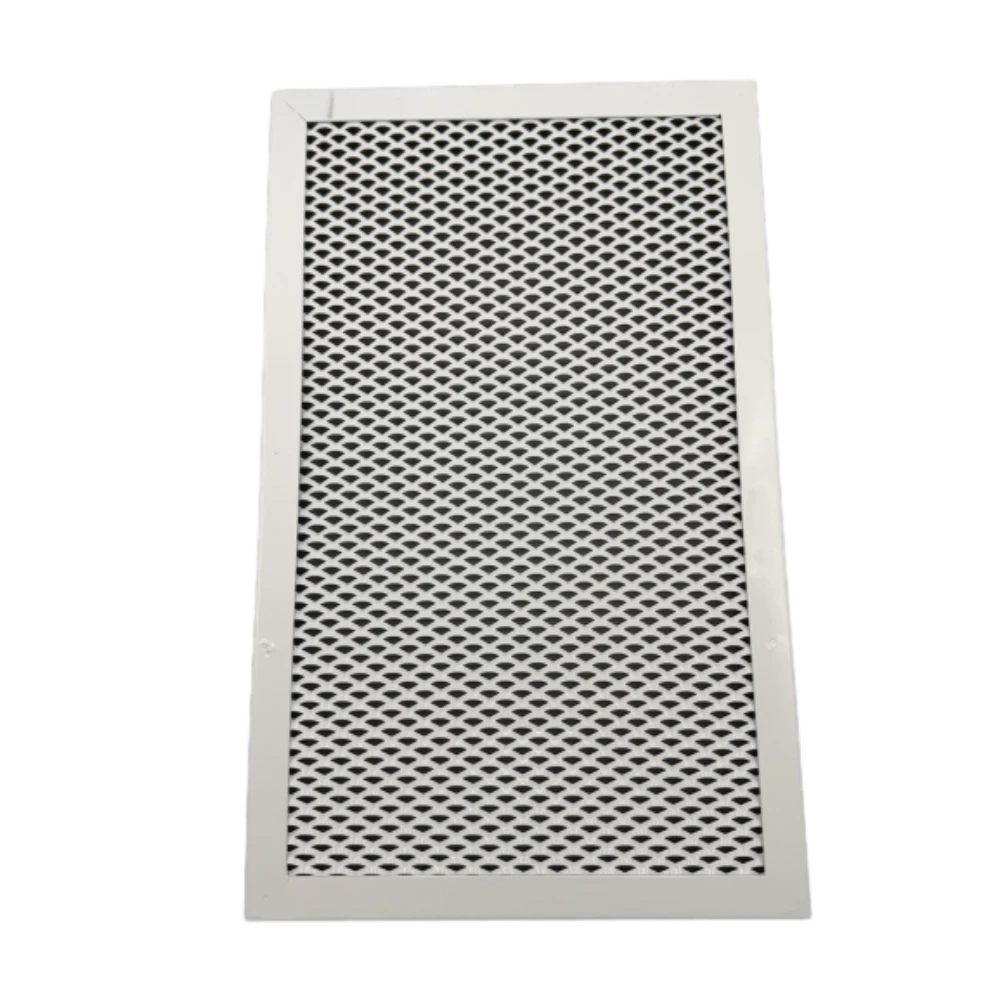
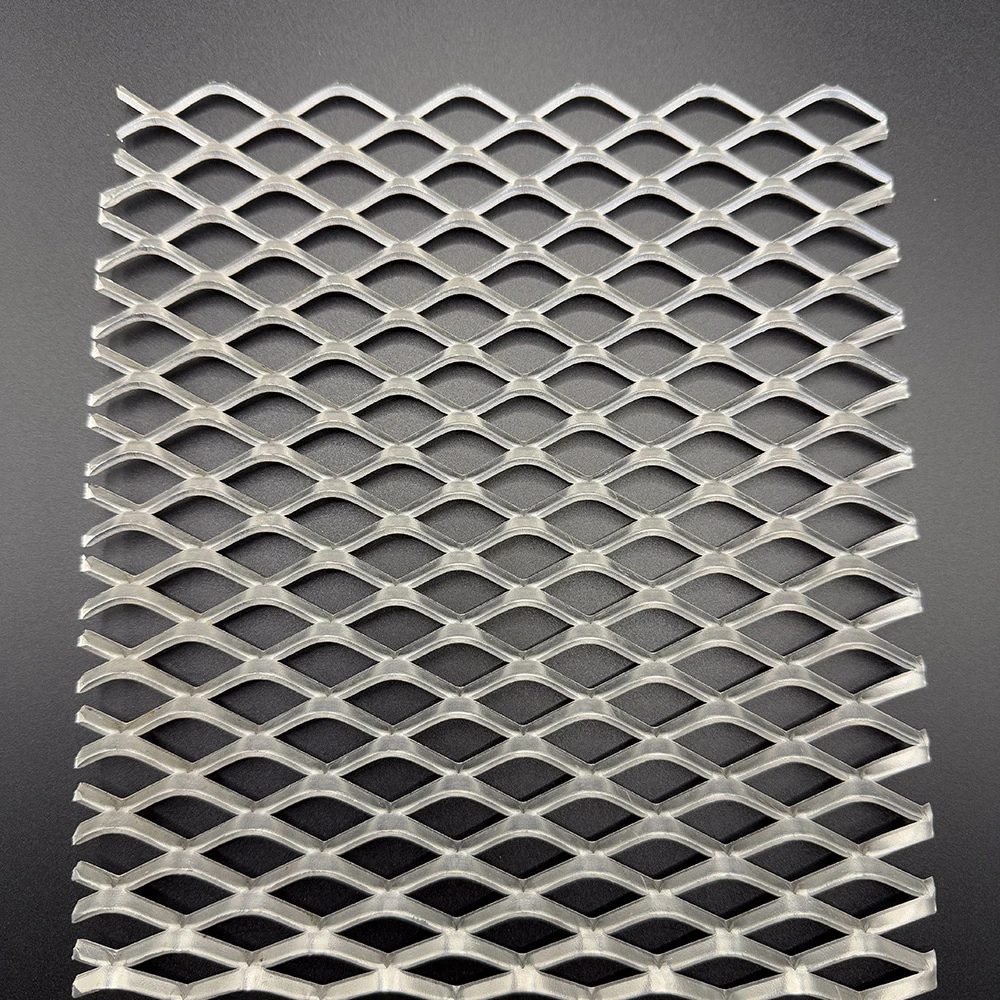
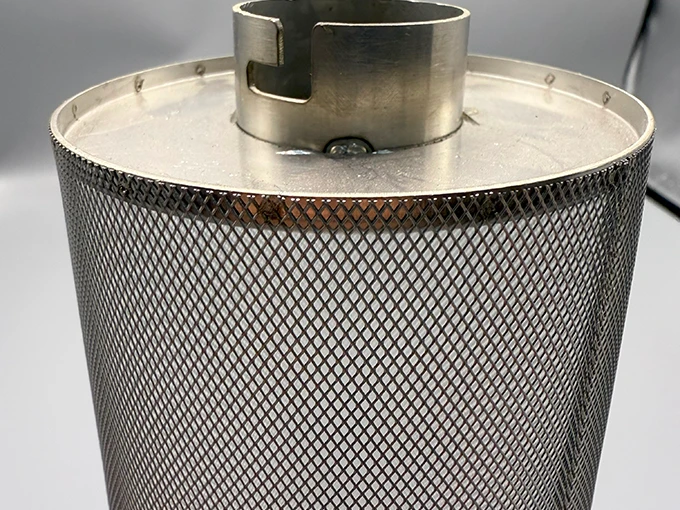
Simply put, expanded metal is a metal sheet that has been slit and stretched to form a mesh. Now, cutting that mesh has to be precise — the plasma cutter uses a high-velocity jet of ionized gas (plasma) to slice through electrically conductive materials, including metals, with speed and accuracy.
This method contrasts with mechanical cutting because it’s cleaner and faster, leaving smooth edges that often require little finishing. Think of it as the Swiss army knife of metal fabrication in modern industry. Whether for complicated machine guards, filters, or even architecture cladding, a plasma cutter makes it manageable.
Expanded metal comes in steel, aluminum, stainless steel, and more. Each has different thermal properties, so plasma cutter settings must be adjusted accordingly to avoid warping or excessive melt zones.
Because the mesh pattern is complex, the plasma cutter’s ability to maintain straight, clean cuts without damaging connecting strands is vital. Many operators swear by CNC-guided plasma systems for this reason.
When it comes to volume production, plasma cutting is a quick method. It can slice sheets rapidly, which is a boon for manufacturers working on tight deadlines.
High temperatures mean operators need to be trained in handling and ventilation procedures. Safety glasses and protective gear aren’t optional here.
Across the globe, plasma cutting expanded metal finds practical application in:
It’s not just about being faster or cleaner. Here’s the emotional and practical truth: reliability is priceless. When you cut expanded metal with a plasma cutter, you gain:
In other words, you’re not just investing in a piece of equipment—you’re investing in trust, innovation, and peace of mind for clients.
| Feature | Specification |
|---|---|
| Cutting Capacity (mild steel) | Up to 25 mm (1 inch) |
| Power Supply | 220–240 V, 50/60 Hz |
| Cutting Speed | Up to 1000 mm/min (varies by thickness) |
| Control Type | CNC Compatible with CAD software |
| Cooling System | Air or water cooled |
| Vendor | Price Range | Cutting Capacity | Automation Features | Warranty |
|---|---|---|---|---|
| HyperCut Pro | $12,000 - $18,000 | Max 25 mm Steel | Full CNC, Remote Diagnostics | 3 Years |
| MetalMaster 5000 | $9,500 - $14,000 | Max 20 mm Steel | Semi-Automatic | 2 Years |
| CutEdge Precision | $15,000 - $22,000 | Max 30 mm Steel | Full CNC, Auto Calibration | 5 Years |
Automation keeps advancing — some systems now integrate AI to optimize cutting paths and reduce energy consumption. There's also a push toward greener cutting systems powered by renewable electricity to shrink their carbon footprint.
Material science is another frontier — plasma cutters will soon be tailored for new lightweight alloys and composite metals that expanded metal suppliers are exploring. It’s kind of exciting to imagine where this will go.
Not every cut is perfect. Challenges include edge dross (rough leftover material), thermal distortion, and initial investment costs. But experts advise:
Cutting expanded metal with plasma cutter isn’t just a niche fabrication technique—it's key to modern efficiency, sustainability, and innovation across numerous sectors. Whether you’re a manufacturer scaling production or an NGO creating fast-deploy shelters, mastering this process pays dividends in cost, quality, and safety.
Curious to learn more or start upgrading your workflow? Visit our website for deeper insights and expert support.
The next time you see a mesh fence or panel, remember—there’s a lot of tech, science, and care that went into just cutting that metal. Plasma cutting expanded metal straddles art and engineering in a pretty neat way.



![$item[alt]](https://images.exportstart.com/images/a1393/cc-7691.webp "$item[title]")