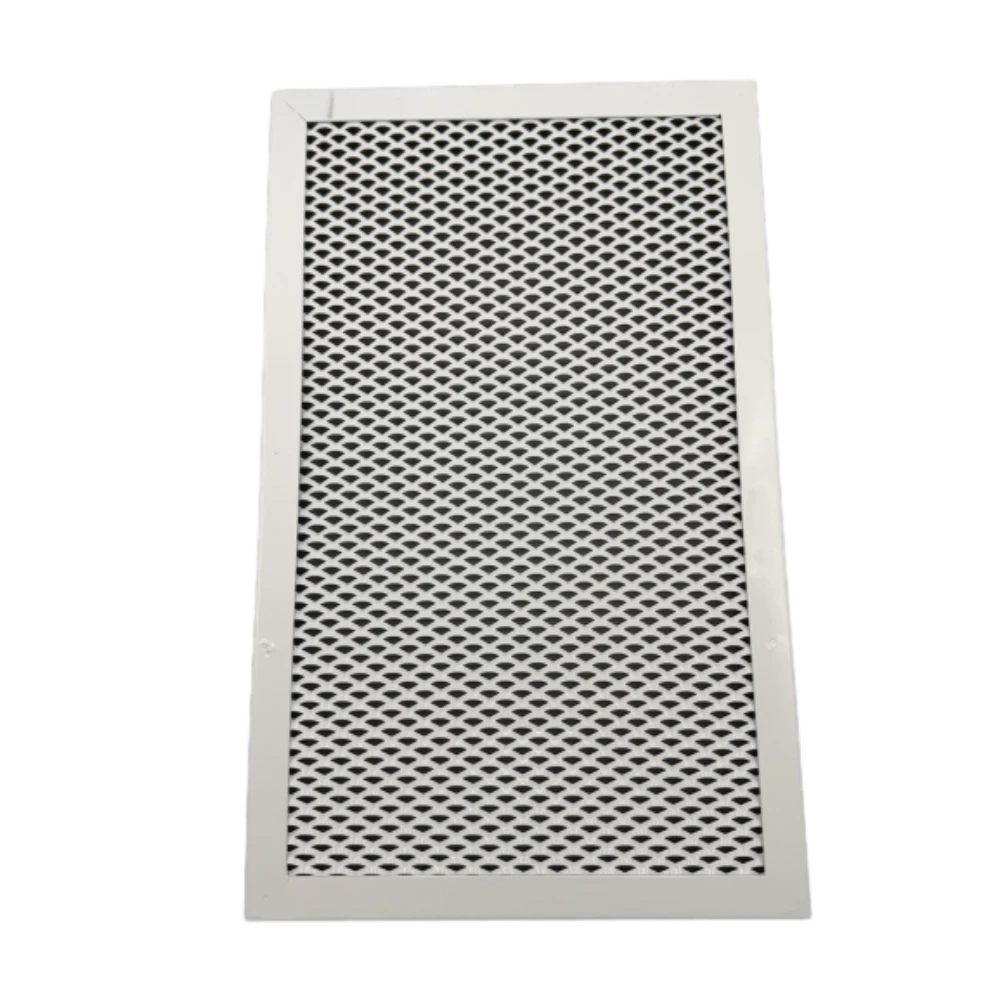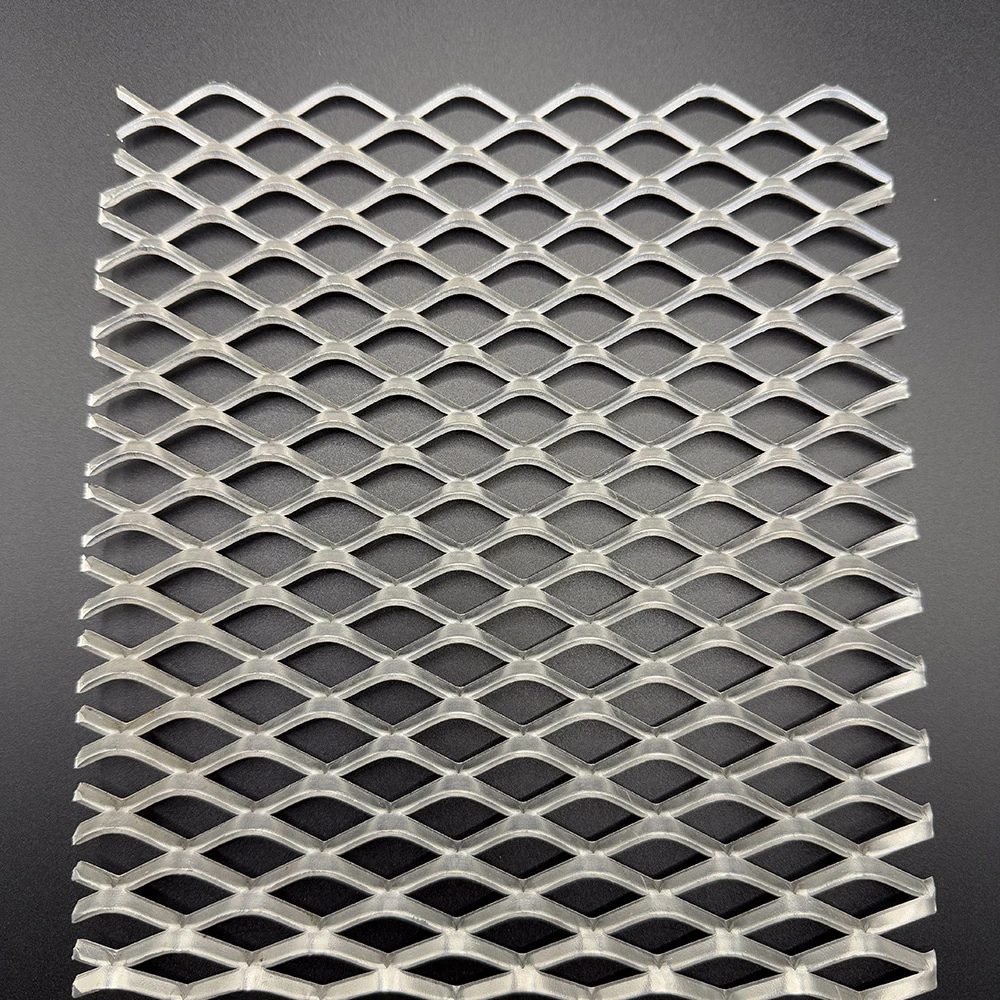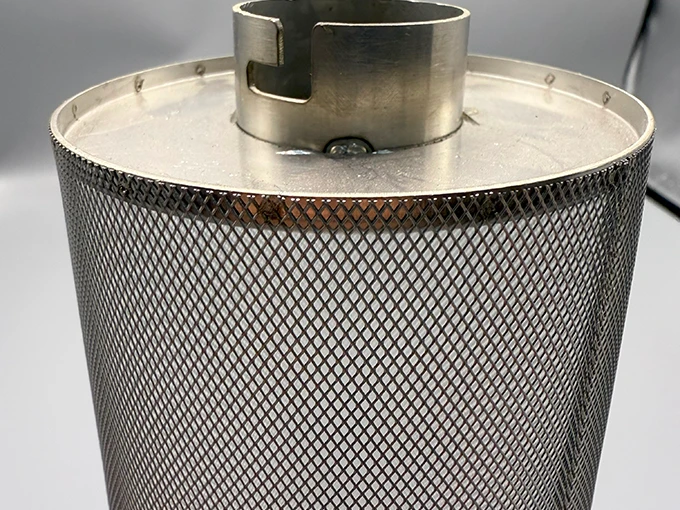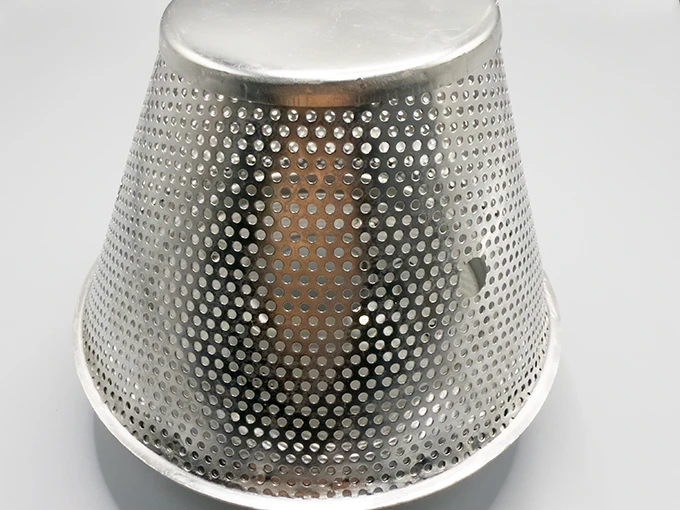
Corrugated Perforated Panel is a key solution in the industry, specifically within manufacturing, construction, and architectural sectors. This article explores how https://www.ccmetalmesh.com supports professionals with durable, high-performance products, and explains why this product is an ideal choice for businesses in these sectors.
At its core, a Corrugated Perforated Panel is a metal sheet thoughtfully engineered with a unique corrugated pattern combined with precise perforations. This combination isn’t just for aesthetics; it significantly enhances strength, airflow, and acoustic properties. Such panels are becoming indispensable across multiple industries due to their adaptability and ruggedness. For example, in soundproofing applications within industrial plants or ventilation systems, these panels strike a balance between durability and functionality.
| Specification | Details |
|---|---|
| Material | Galvanized Steel / Aluminum / Stainless Steel |
| Thickness | 0.5mm – 2.0mm |
| Hole Shape | Round, Square, Slotted |
| Corrugation Depth | 10mm – 30mm |
| Surface Finish | Powder Coated / Painted / Raw |
| Panel Size | Customizable, typically 1000mm x 2000mm |
The versatility of corrugated perforated panels is frankly quite impressive. In industrial settings, they’re widely used for mezzanine platform safety, acoustic panels, and even filtration systems. The corrugation adds structural integrity, allowing thinner gauges to be deployed without sacrificing load-bearing capacity. Oddly enough, this means you get lighter panels that still perform robustly.
| Feature | CC Metal Mesh | Competitor A | Competitor B |
|---|---|---|---|
| Material Options | Aluminum, Galvanized Steel, Stainless | Steel only | Aluminum, Steel |
| Custom Corrugation Depth | Yes (10-30mm) | No | Limited |
| Surface Finish Options | Powder Coating, Painted | Painted only | Raw and Painted |
| Lead Time | 2-3 weeks | 4+ weeks | 3-4 weeks |
| Technical Support | Comprehensive consultation | Basic | Limited |
Looking at the total cost of ownership, corrugated perforated panels stand out by marrying upfront affordability with long-term durability. The galvanized or coated finishes drastically reduce corrosion concerns — a prominent headache in industrial environments. These panels require minimal upkeep, which over time lowers maintenance budgets, saving companies money and hassle.
I’ve heard from several engineering managers who’ve consistently praised these panels for their endurance under harsh conditions – from mining sites to coastal facilities. One client from the petrochemical industry reported a 25% drop in replacement frequency compared to standard flat perforated sheets.
Sustainability isn’t just a buzzword here – manufacturers now have stringent regulations pushing for recyclable and environmentally responsible products. Corrugated perforated panels fit well within this narrative. Mostly made of recyclable metals, these panels support circular economy goals. Plus, their longer life cycle means fewer raw materials consumed across projects.
Market demand is rising, especially in green building designs and energy-efficient installations. Oddly enough, as more companies chase LEED certification or comply with tighter emissions standards, corrugated perforated panels become a logical investment. It's a sort of perfect storm of function and responsibility.
To sum up, the durable design and adaptable functionality of Corrugated Perforated Panel make it a standout choice for B2B decision makers searching for reliable industrial materials. With tailored specifications, proven performance, and the backing of a knowledgeable vendor, investing in these panels means long-term, cost-effective solutions. For companies navigating complex project demands, these panels tick a lot of boxes — so it’s worth looking closer.
Reflecting on the details, it’s clear these panels aren’t just metal sheets; they’re smartly engineered components shaping modern industry standards.
References:
1. Industry applications report, CC Metal Mesh (2023)
2. Noise reduction case study, Manufacturing Weekly (2022)
3. Sustainability trends in metal fabrication, GreenBuild Insights (2023)



![$item[alt]](https://images.exportstart.com/images/a1393/cc-7691.webp "$item[title]")