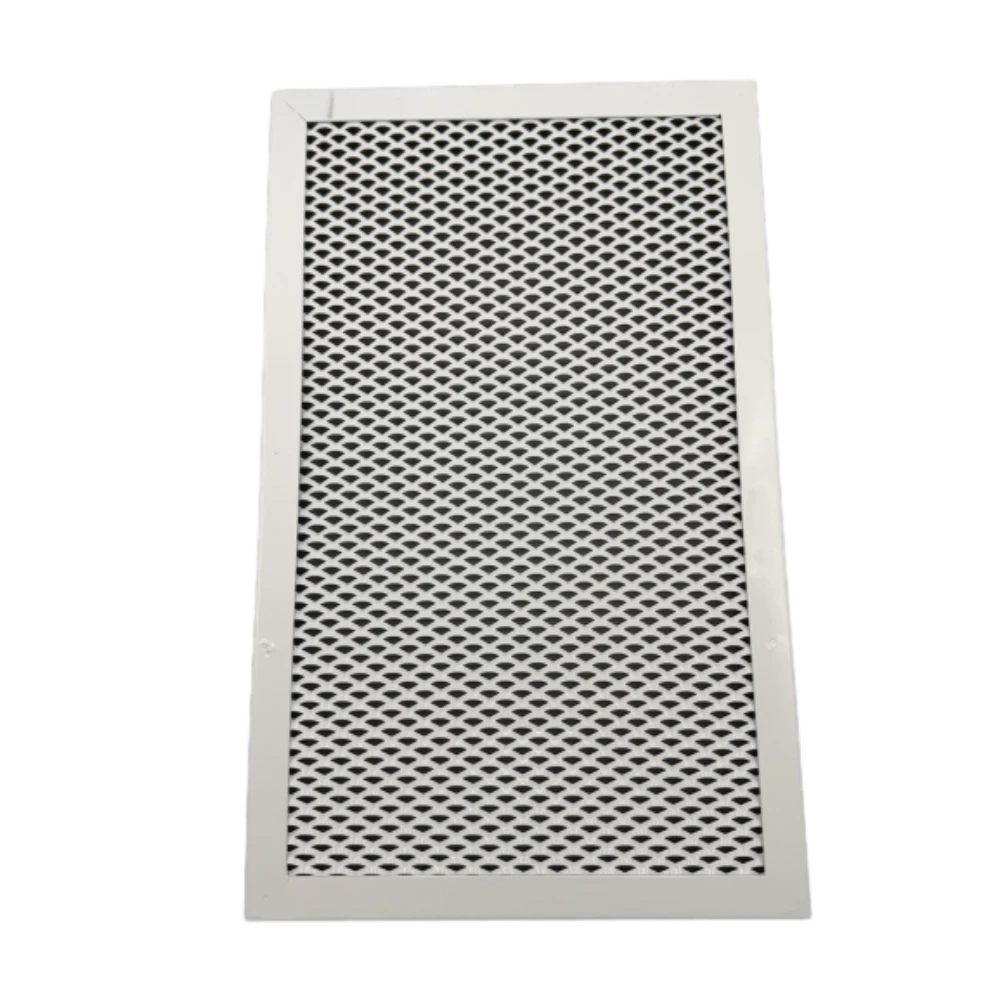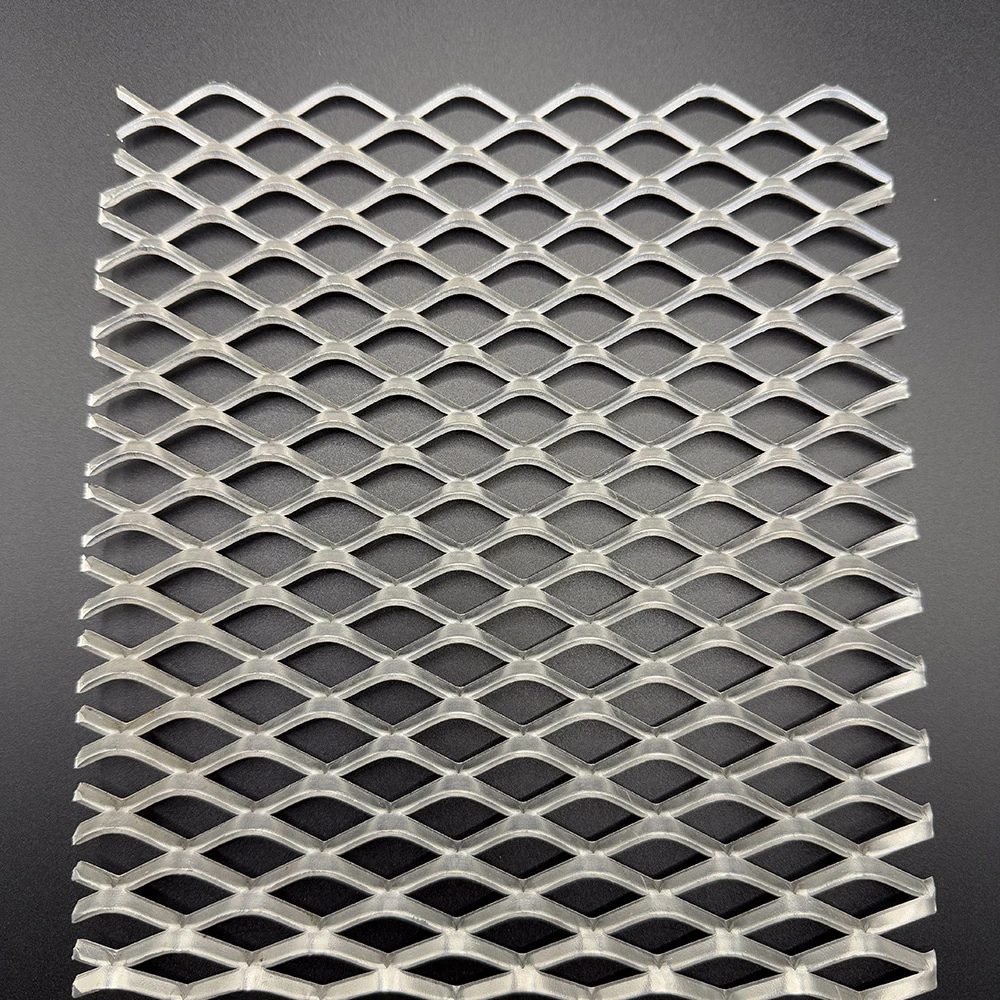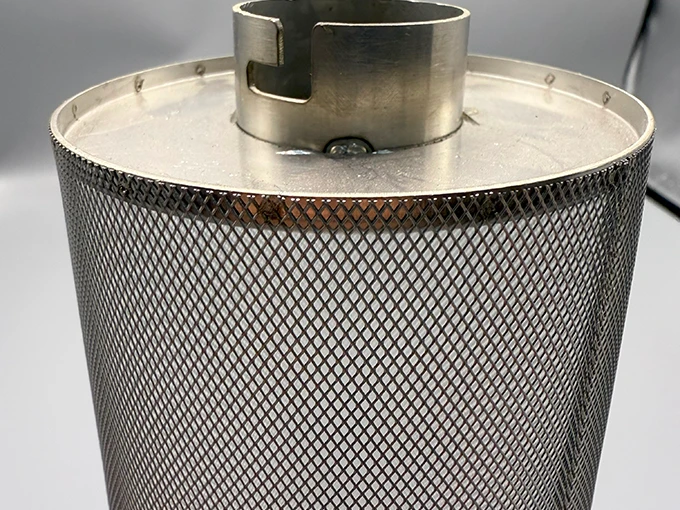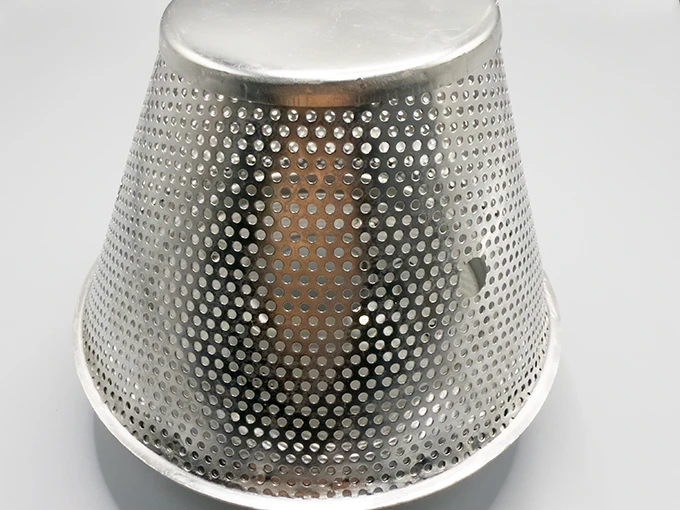

In the modern industrial landscape, precision and versatility are the cornerstones of efficient design. custom perforated sheet metal offers an unparalleled combination of strength, filtration, and aesthetic appeal, making it an essential component across various engineering sectors. Whether you are looking to optimize airflow, create a high-performance filter, or design a striking architectural facade, customization is key. By tailoring the hole size, pattern, and material, businesses can achieve specific functional goals that standard off-the-shelf products simply cannot meet. In this comprehensive guide, we will explore how to choose the right specifications and why a customized approach is superior for long-term durability.
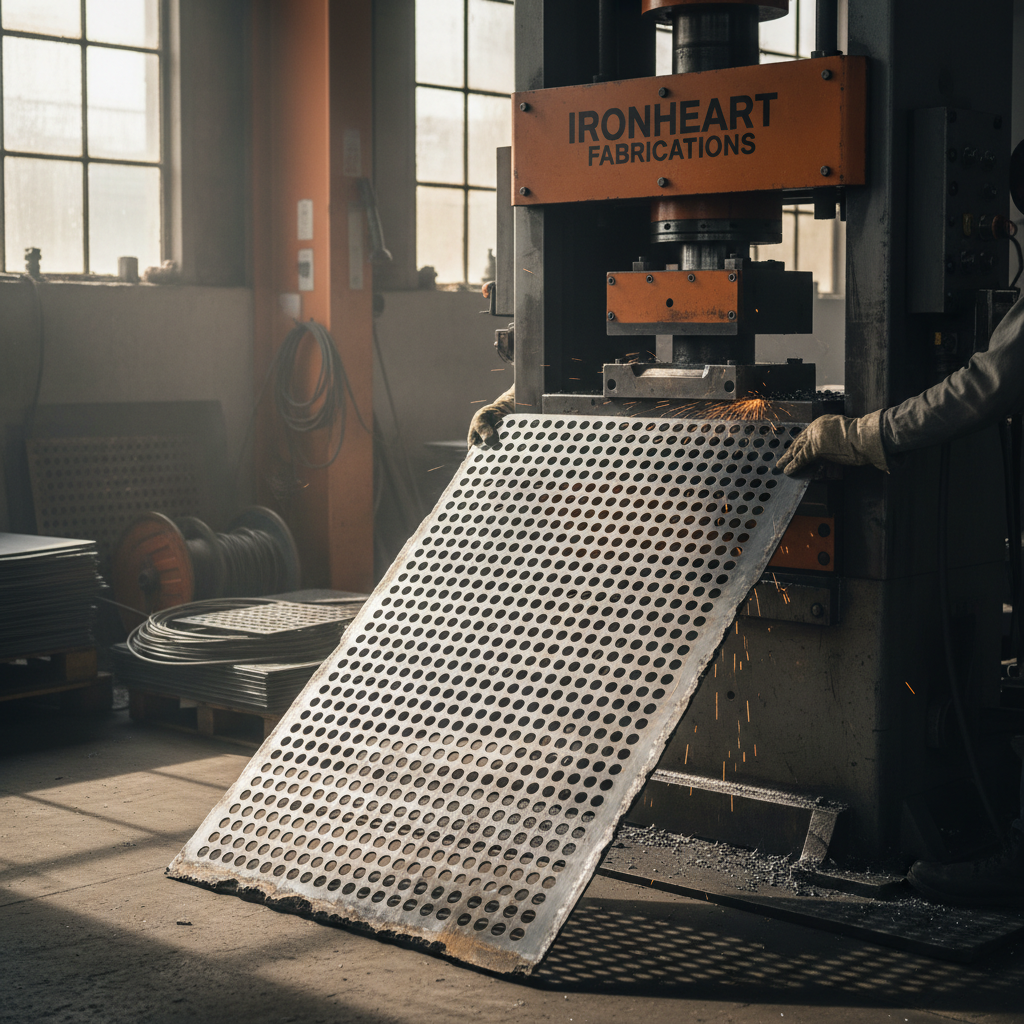
The true value of custom perforated sheet metal lies in its adaptability. Unlike standard sheets, custom perforations allow engineers to control the Open Area Percentage, which directly impacts the flow of air, liquids, or light. For instance, in HVAC systems, a precise open area ensures optimal ventilation without compromising the structural integrity of the panel. Furthermore, the choice of materials—ranging from stainless steel and aluminum to galvanized steel—ensures that the product can withstand specific environmental challenges, such as high humidity or corrosive chemicals. This flexibility makes it a go-to solution for everything from heavy-duty industrial machinery to high-end interior design.
Pro Tip: When requesting a quote, always specify the hole diameter, pitch (center-to-center distance), and the desired open area percentage to ensure the final product meets your precise technical requirements.
Selecting the right material is critical for the longevity of your project. While stainless steel is praised for its corrosion resistance, aluminum offers a lightweight alternative for aerospace or automotive applications. For those working in heavy industrial settings, carbon steel provides the necessary rigidity and strength. The interaction between the material and the perforation process also affects the edge quality and overall finish. By leveraging high-quality custom perforated sheet metal, manufacturers can ensure that their components do not warp or degrade under stress, significantly reducing maintenance costs over the product's lifecycle.
Material Selection Guide:
• Stainless Steel: Best for food processing, medical, and marine environments.
• Aluminum: Ideal for weight-sensitive applications and decorative panels.
• Galvanized Steel: Great for outdoor use and industrial shelving.
• Copper/Brass: Chosen for electrical conductivity and luxury aesthetics.
To achieve the best performance, it is essential to understand the technical parameters involved in the fabrication process. The relationship between the hole size and the bridge width determines the strength of the panel. For high-pressure filtration, a smaller hole size with a tighter pitch is typically required. Conversely, for architectural screening, larger decorative patterns are preferred. Below is a detailed specification table for common custom perforated sheet metal configurations used in industrial projects.
Many procurement managers wonder if the investment in custom perforated sheet metal is justified over standard stock. The answer lies in efficiency. Standard sheets often force a "compromise" design, where the engineer must adjust the rest of the system to fit the available sheet. Custom sheets, however, are designed around the system's needs. This leads to better air distribution, more precise filtration, and a significant reduction in wasted material during installation. Whether it's a specific staggered pattern for maximum strength or a unique slot design for cable management, customization eliminates the need for secondary modifications.
From architecture to heavy industry, the applications are nearly endless. In the automotive industry, perforated sheets are used for speaker grilles and heat shields. In food processing, they serve as sanitary conveyor belts and drainage screens. Architectural firms utilize them for sunshades and interior partitions to create a modern, airy feel. The ability to specify the exact hole geometry allows these industries to optimize for acoustic dampening, weight reduction, or fluid dynamics. By partnering with a professional supplier, you can ensure that your custom perforated sheet metal is manufactured to meet international quality standards, ensuring safety and reliability.
The quality of a perforated sheet is determined by the precision of the punching or laser-cutting process. CNC punching is typically the most cost-effective for large volumes, offering high speed and consistent accuracy. Laser cutting, on the other hand, is ideal for complex, intricate patterns and smaller batches. High-quality custom perforated sheet metal should have clean edges without burrs, which could otherwise cause safety hazards or interfere with the flow of materials. Rigorous quality checks, including dimensional inspection and material certification, are essential to ensure the product performs as expected in the field.
Investing in custom perforated sheet metal is a strategic move for any business prioritizing precision, durability, and performance. By tailoring every aspect of the sheet—from the material choice to the open area percentage—you eliminate inefficiencies and enhance the overall quality of your end product. Whether you are solving a complex engineering challenge or enhancing a building's aesthetic, customization provides the flexibility needed to succeed. Trust in professional fabrication to bring your vision to life with accuracy and strength.
The open area is the percentage of the total sheet area that consists of holes. For round holes in a 60-degree staggered pattern, the formula is typically: Open Area % = (2 π r² / (pitch² cos(30°))) 100. However, calculating this manually can be complex. Most professional suppliers, including those at CC Metal Mesh, provide technical support and calculators to help you determine the exact open area based on your hole diameter and pitch requirements, ensuring your airflow or filtration needs are met precisely.
Punching uses a mechanical press and die to "punch" holes through the metal; it is incredibly fast and cost-effective for large quantities of simple shapes like rounds or squares. Laser cutting uses a high-powered beam to melt through the metal, allowing for extreme precision and the ability to create complex, organic, or non-repeating patterns without the need for expensive tooling. If your project requires millions of identical holes, punching is the way to go. For high-detail architectural art or specialized prototypes, laser cutting is the superior choice.
Yes, absolutely. One of the greatest advantages of custom perforated sheet metal is its compatibility with various finishing processes. Powder coating is highly recommended as it provides a thick, durable layer of protection against corrosion and allows for a wide array of colors. Anodizing is another popular choice for aluminum sheets to enhance surface hardness and corrosion resistance. When ordering, it is best to specify the finish early so the manufacturer can ensure the holes remain clear and the coating is applied uniformly across the entire surface.
For maximum structural integrity, a staggered pattern (where holes in one row are offset from the holes in the next) is generally stronger than a straight grid pattern. This is because staggered patterns distribute stress more evenly across the metal bridges. Additionally, increasing the bridge width (the distance between the edges of the holes) will increase the overall rigidity of the sheet. If your application involves heavy loads, we recommend consulting with a technical expert to find the optimal balance between the required open area and the necessary material strength.



![$item[alt]](https://images.exportstart.com/images/a1393/cc-7691.webp "$item[title]")