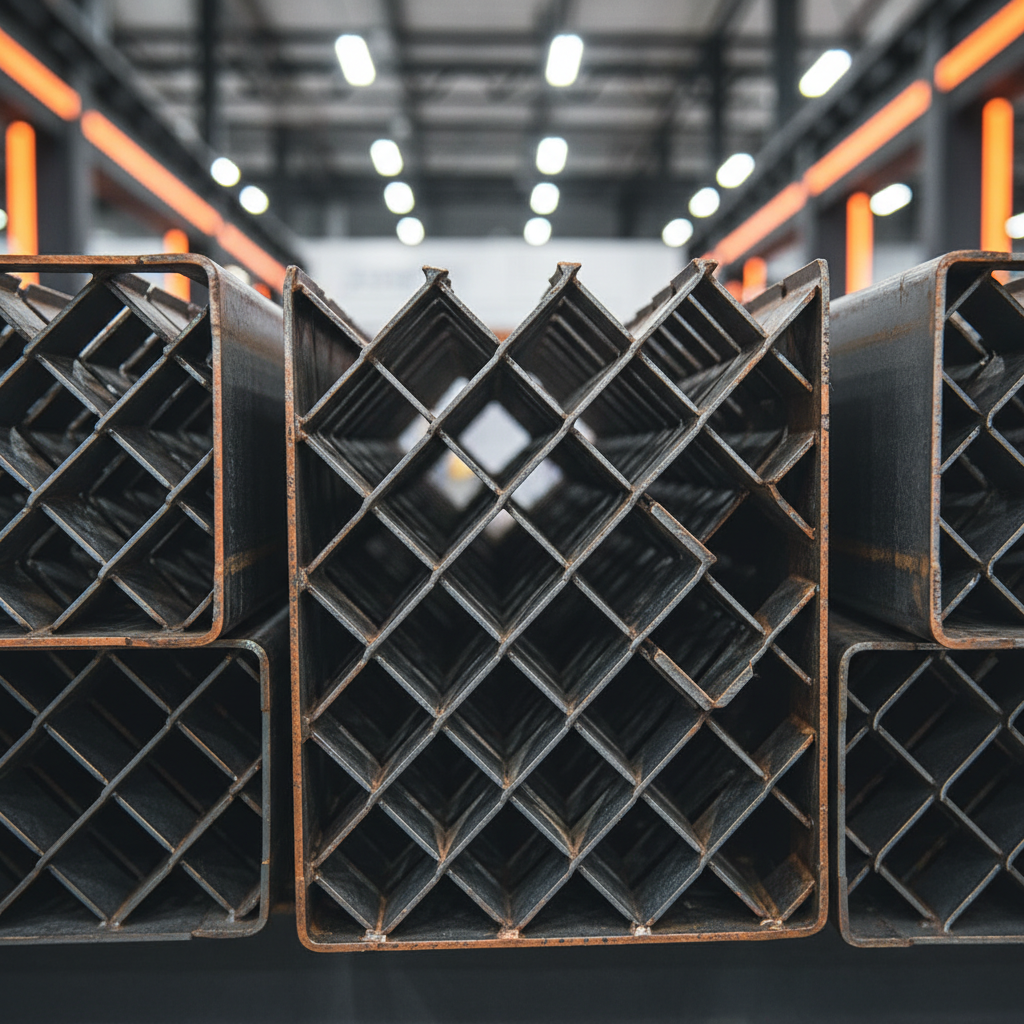
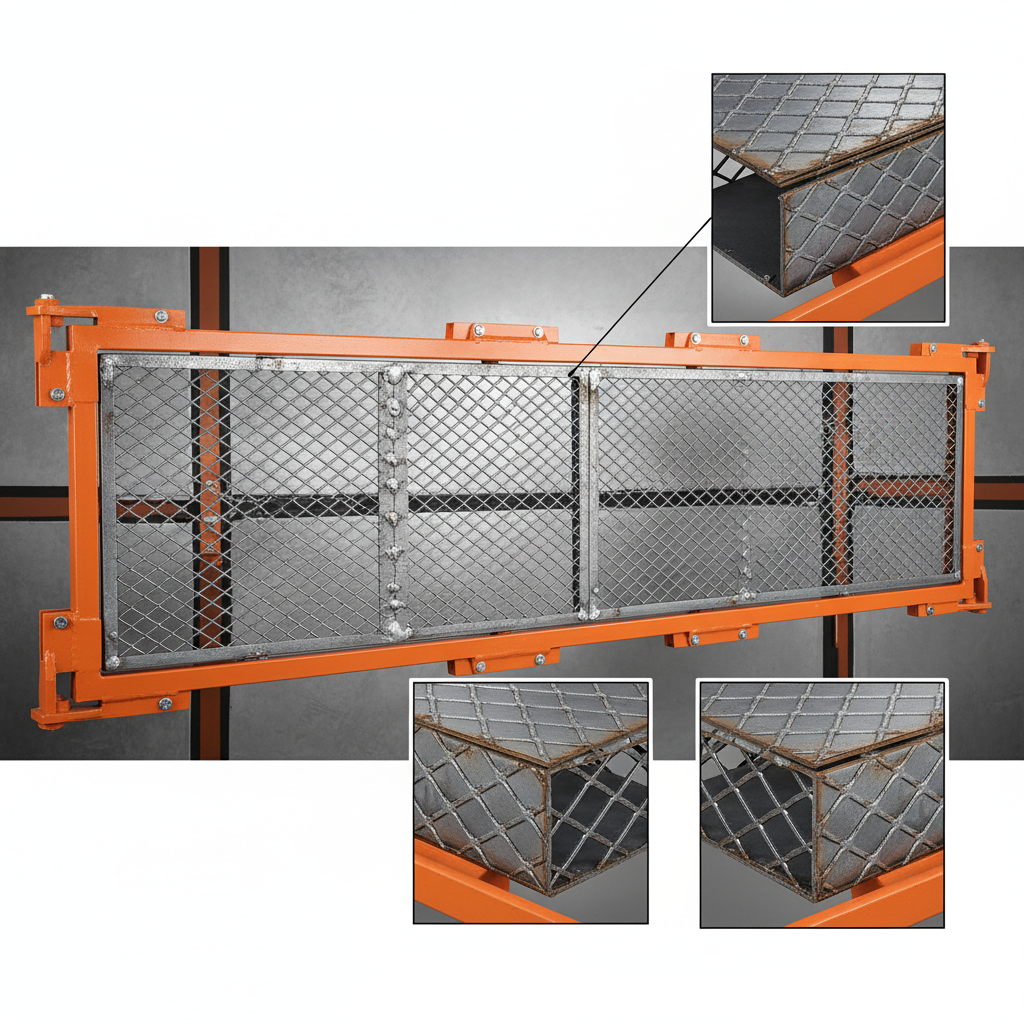
Expanded metal, a versatile material fabricated by slitting and stretching sheet metal, finds widespread application across diverse industries. Its unique open-mesh design provides an excellent strength-to-weight ratio, making it ideal for applications requiring structural support, ventilation, and filtration. The increasing global demand for durable, cost-effective, and customizable materials drives the continued relevance of 1 2 expanded metal.
Understanding the properties and applications of expanded metal is crucial for engineers, architects, and manufacturers seeking innovative solutions. From construction and automotive to security and industrial flooring, its adaptability allows for integration into countless products and systems. The global expanded metal market is projected to grow steadily, fueled by infrastructure development and rising industrial output.
This growth necessitates a thorough understanding of the various types of expanded metal, manufacturing processes, and quality control standards. 1 2 expanded metal offers a practical and efficient solution for a multitude of engineering challenges.
The Fundamentals of 1 2 expanded metal
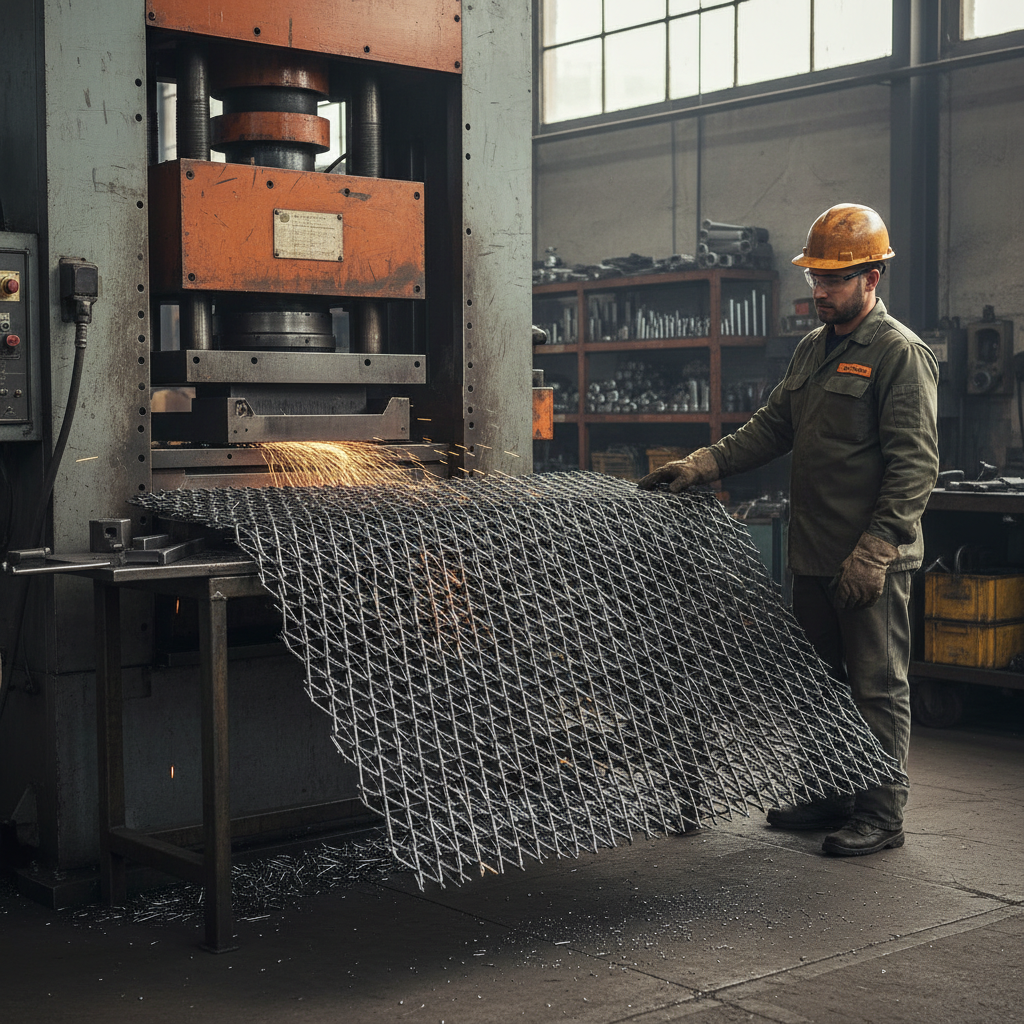
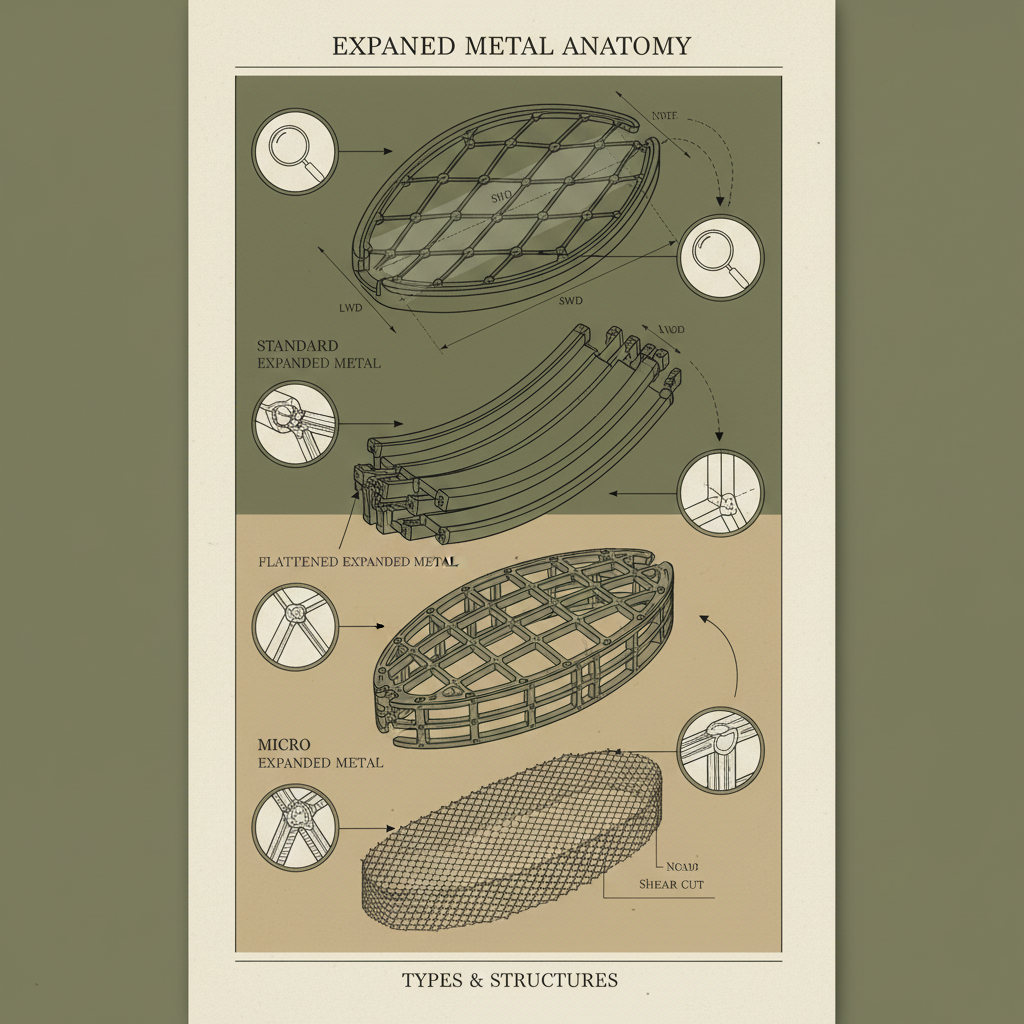
The core principle behind 1 2 expanded metal lies in its unique manufacturing process. Unlike punching or stamping, expanded metal involves slitting the metal sheet and then stretching it, creating a diamond or hexagonal pattern without material loss. This results in a robust, interconnected structure that retains a significant portion of the original metal’s strength.
The resulting product offers inherent advantages in terms of weight reduction and structural integrity. The open grid design allows for excellent airflow and visibility, contributing to its broad applicability in filtration, screening, and architectural applications.
The Global Significance of 1 2 expanded metal
Globally, the demand for 1 2 expanded metal is intimately tied to the growth of infrastructure, construction, and industrial sectors. Emerging economies, particularly in Asia and Africa, are driving significant demand for cost-effective and durable building materials. According to a recent report by the World Steel Association, steel consumption in these regions continues to rise.
Furthermore, stringent safety regulations in industries like oil and gas, transportation, and aerospace contribute to the demand for high-quality expanded metal grating and mesh. These sectors rely on expanded metal for platforms, walkways, and protective barriers. The United Nations Sustainable Development Goals (SDGs), emphasizing sustainable infrastructure and industrialization, are indirectly boosting demand for long-lasting, resource-efficient materials like expanded metal.
The challenge lies in ensuring sustainable production methods and responsible sourcing of raw materials. The global expanded metal market faces increasing pressure to adopt eco-friendly practices and reduce its carbon footprint.
Defining 1 2 expanded metal: A Core Industrial Component
1 2 expanded metal is fundamentally a sheet of solid metal that has been slit and stretched to create a rigid, open mesh. The process involves making a series of cuts into the metal sheet, then mechanically stretching it, which opens up the slits and forms a diamond or hexagonal pattern. This creates a strong, lightweight material that maintains a high proportion of its original strength.
This defining characteristic differentiates expanded metal from perforated metal or woven wire mesh. Perforated metal involves removing material to create holes, while woven wire mesh is created by interlacing individual wires. Expanded metal, by contrast, utilizes the entirety of the original sheet, maximizing material efficiency and structural integrity. Its connection to modern industry stems from this efficient use of resources and resultant durability.
Expanding on its humanitarian relevance, 1 2 expanded metal is increasingly utilized in temporary shelters and disaster relief infrastructure. Its rapid deployment capabilities and inherent strength make it a suitable material for constructing emergency housing and protective barriers in crisis situations.
Key Characteristics of High-Quality 1 2 expanded metal
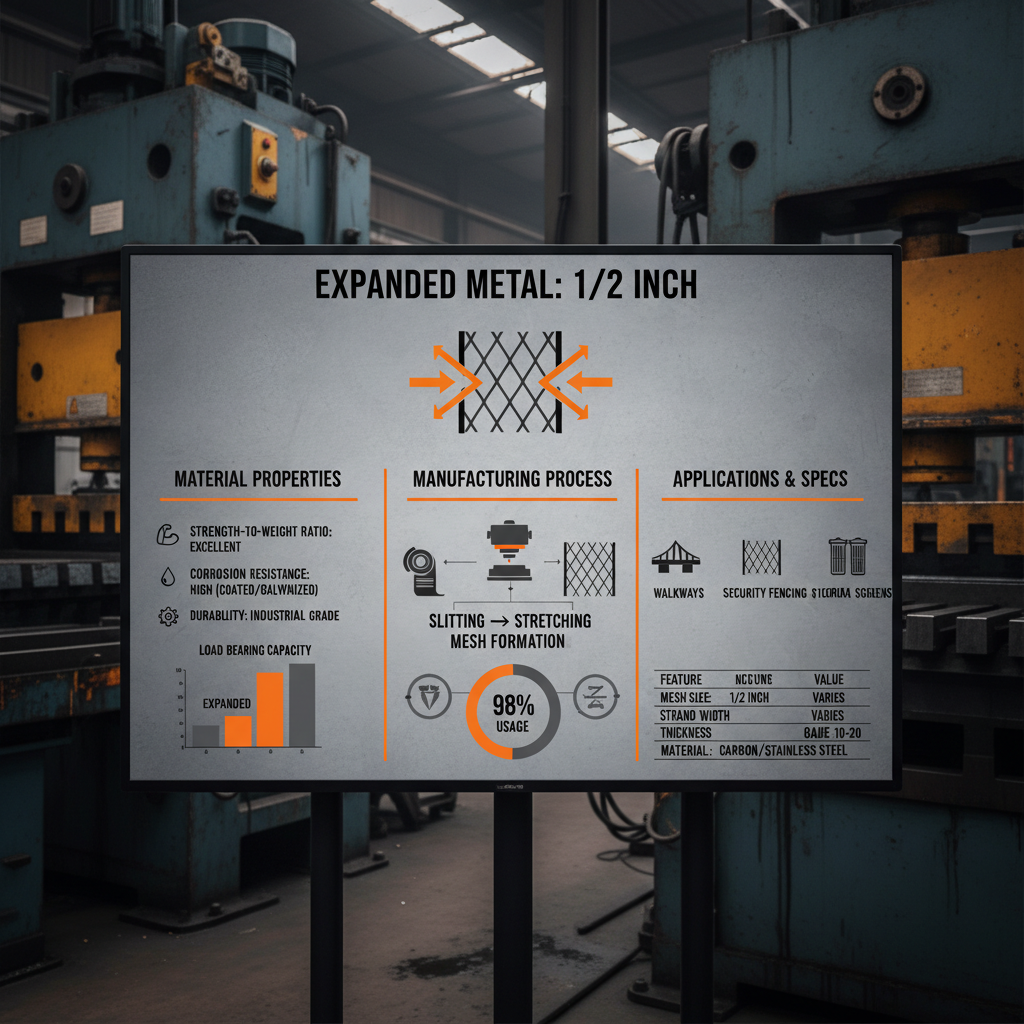
The performance of 1 2 expanded metal hinges on several key characteristics. First and foremost is its Strength-to-Weight Ratio. The stretching process creates a rigid structure while minimizing material usage, resulting in a lightweight yet incredibly strong material.
Secondly, Durability and Corrosion Resistance are crucial. The choice of metal—typically steel, aluminum, or stainless steel—determines the material’s resistance to environmental factors. Stainless steel, in particular, offers exceptional corrosion resistance.
Quality Metrics for 1 2 expanded metal
Diverse Applications of 1 2 expanded metal Worldwide
The versatility of 1 2 expanded metal is evident in its widespread adoption across numerous industries. In the construction sector, it’s utilized for stair treads, walkways, and facade cladding, providing both safety and aesthetic appeal. In Europe, expanded metal is commonly seen in the restoration of historic buildings, where its traditional appearance blends seamlessly with existing architecture.
The automotive industry leverages expanded metal for radiator grilles, speaker covers, and anti-slip surfaces. In North America, it’s extensively used in security fencing and animal enclosures, offering robust protection and visibility. In the oil and gas sector, particularly in the Middle East, expanded metal grating provides safe and reliable walkways on offshore platforms.
Furthermore, expanded metal plays a crucial role in filtration systems, acting as a support matrix for filter media in air and liquid purification processes. In post-disaster relief operations across Southeast Asia, it has been used for constructing temporary shelters and sanitation facilities, demonstrating its rapid deployability and resilience.
Long-Term Value and Advantages of 1 2 expanded metal
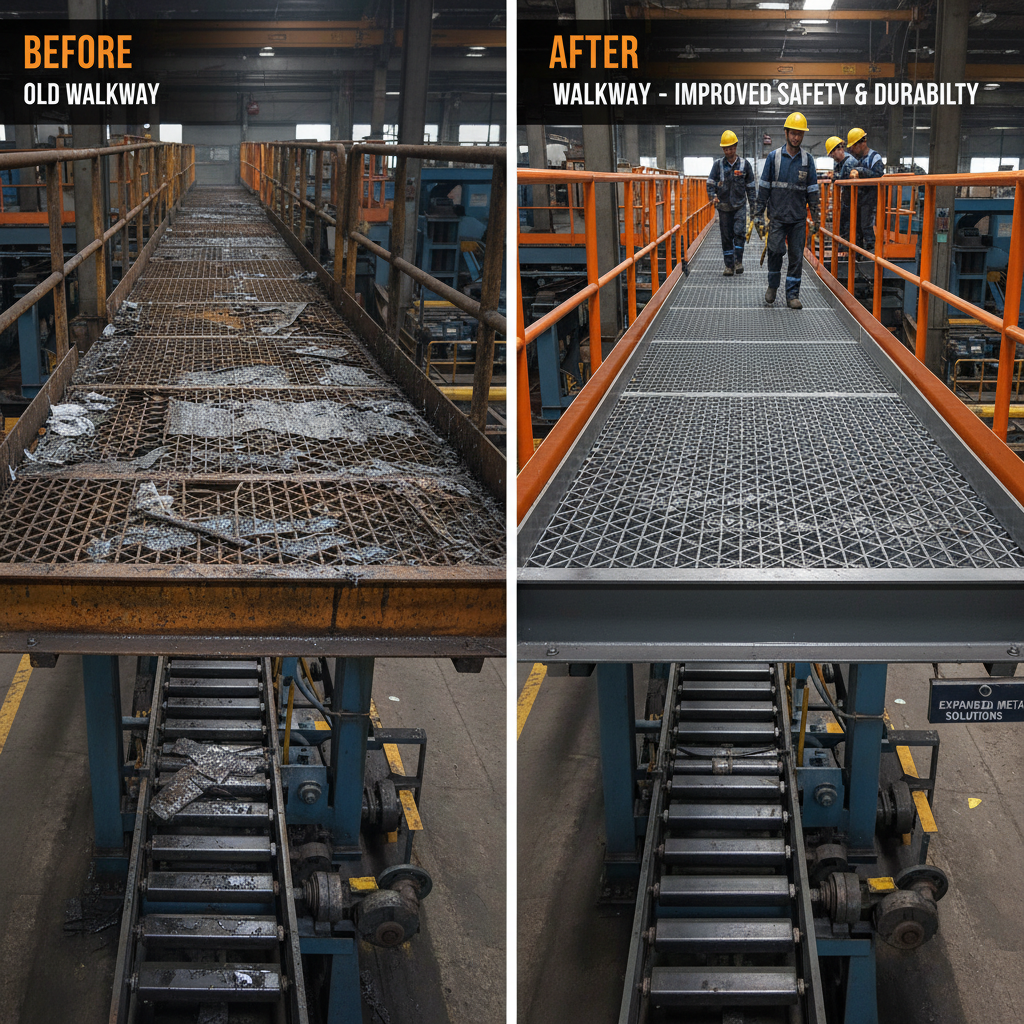
Investing in 1 2 expanded metal offers a multitude of long-term benefits. Firstly, its exceptional durability translates to reduced maintenance costs and an extended service life. This significantly lowers the total cost of ownership compared to materials that require frequent replacement or repair. The inherent strength also enhances safety, reducing the risk of accidents and injuries.
Environmentally, expanded metal contributes to sustainability through its efficient material usage. The process generates minimal waste, aligning with circular economy principles. Its recyclability further minimizes its environmental impact. From a social impact perspective, its use in humanitarian applications enhances safety and provides dignified living conditions in crisis situations.
Future Trends and Challenges in 1 2 expanded metal Production
The future of 1 2 expanded metal is poised for innovation. Research and development efforts are focusing on advanced manufacturing techniques, such as laser cutting and automated stretching, to improve precision and reduce production costs. The exploration of new materials, including high-strength alloys and lightweight composites, aims to enhance performance characteristics.
The integration of digital technologies, like IoT sensors and predictive maintenance algorithms, will enable real-time monitoring of expanded metal structures, optimizing maintenance schedules and extending their service life. The increasing focus on sustainable manufacturing practices will drive the adoption of eco-friendly production processes and responsible sourcing of raw materials.
However, challenges remain, including the rising cost of raw materials and the need to address environmental concerns related to energy consumption during production. Adapting to these challenges will require collaboration between manufacturers, researchers, and policymakers.
Core Challenges and Mitigation Strategies for Expanded Metal Production
| Challenge |
Impact on 1 2 expanded metal Quality |
Mitigation Strategy |
Implementation Cost (1-10) |
| Raw Material Price Volatility |
Increased production costs, potential compromise on material quality. |
Long-term supply contracts, diversification of suppliers, exploring alternative materials. |
6 |
| Energy Consumption During Stretching |
High carbon footprint, increased operational expenses. |
Implementing energy-efficient stretching machinery, optimizing production processes. |
7 |
| Maintaining Dimensional Accuracy |
Compromised structural integrity, increased risk of failure. |
Advanced process control systems, regular quality inspections, precision tooling. |
8 |
| Waste Management and Recycling |
Environmental impact, potential regulatory non-compliance. |
Implementing closed-loop recycling systems, responsible waste disposal practices. |
5 |
| Skilled Labor Shortage |
Reduced production capacity, potential for quality control errors. |
Investing in employee training programs, automation of key processes. |
6 |
| Meeting Evolving Industry Standards |
Risk of non-compliance, reduced market access. |
Continuous monitoring of industry regulations, proactive adaptation of production processes. |
4 |
FAQS
The core difference lies in the manufacturing process. Perforated metal involves punching holes, removing material, and reducing overall strength. 1 2 expanded metal, conversely, is created by slitting and stretching, retaining almost all of the original metal’s strength and structural integrity. This results in a more robust and economical material for many applications.
Carbon steel is the most common and cost-effective option for 1 2 expanded metal. However, stainless steel is frequently used for applications requiring corrosion resistance, while aluminum is favored for its lightweight properties. Other alloys, like copper and titanium, are used in specialized applications demanding specific characteristics.
The '1 2' refers to the ratio of the strand width to the short pitch of the expanded metal. It’s a standardized measurement that defines the mesh size and configuration. A lower number indicates a smaller mesh opening, while a higher number denotes a larger opening. This designation influences the material’s load-bearing capacity and permeability.
Applications requiring robust platforms, walkways, or safety barriers greatly benefit from expanded metal grating. This includes industrial facilities, offshore oil rigs, stair treads, and mezzanine floors. The open grid design provides excellent drainage, ventilation, and visibility, enhancing safety and operational efficiency.
Yes, 1 2 expanded metal is generally considered a sustainable choice due to its efficient use of material, minimal waste generation during production, and recyclability. Choosing durable materials reduces the need for frequent replacements, minimizing environmental impact over the product lifecycle.
Several surface treatments are commonly used to improve the durability of expanded metal. Galvanizing provides excellent corrosion resistance. Powder coating offers a decorative finish and additional protection against the elements. Painting is another option for both aesthetic and protective purposes. The specific treatment depends on the intended application and environmental conditions.
Conclusion
In conclusion, 1 2 expanded metal stands as a remarkably versatile and valuable material across a wide spectrum of industries. Its unique manufacturing process, resulting in a strong, lightweight, and durable product, offers significant advantages over alternative materials. Understanding its properties, applications, and future trends is crucial for professionals seeking innovative and cost-effective solutions.
Looking ahead, the continued development of advanced manufacturing techniques and sustainable production practices will further enhance the appeal of expanded metal. By embracing innovation and prioritizing environmental responsibility, we can unlock its full potential and contribute to a more sustainable and efficient future. Visit our website at www.ccmetalmesh.com to learn more about our expanded metal products and how we can meet your specific needs.