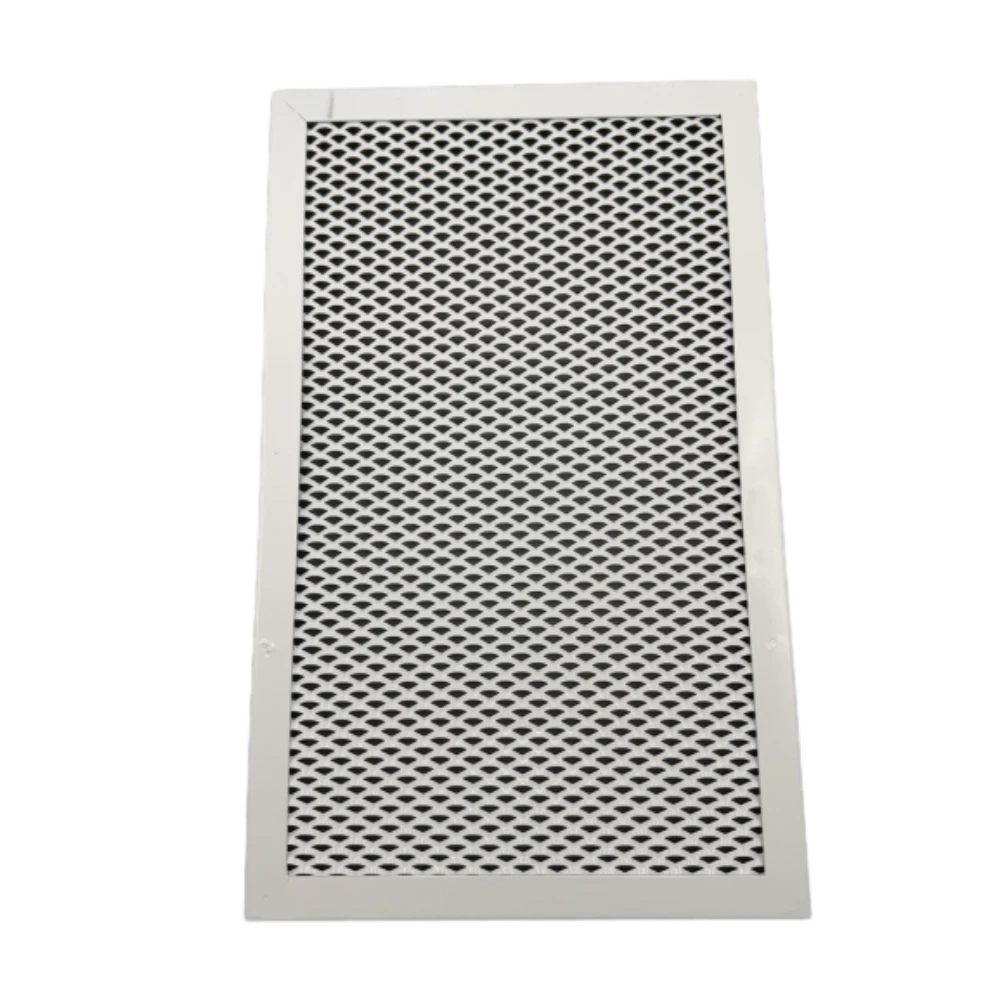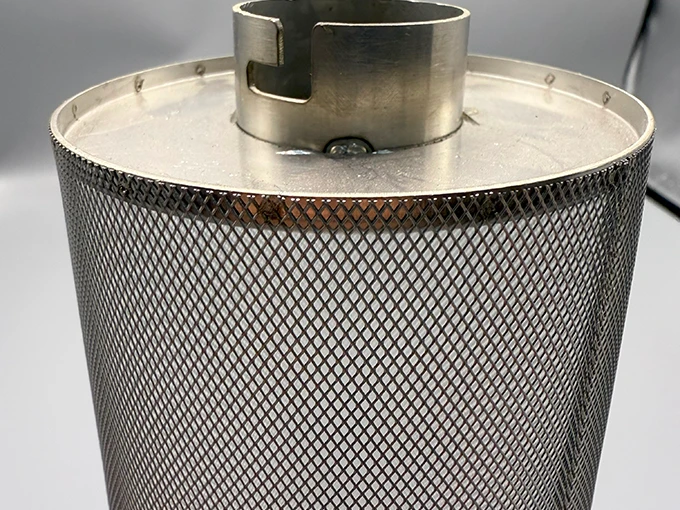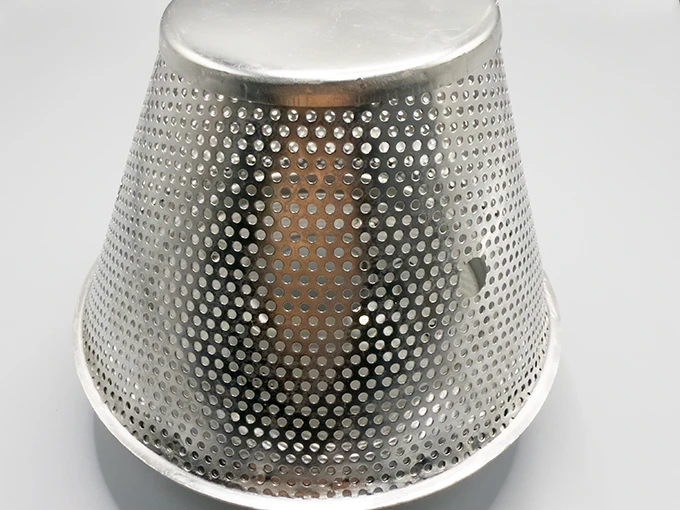

Having been around the industrial equipment block a few times, I can say the 1 4 expanded metal mesh is one of those quietly indispensable materials you don’t always notice — until you desperately need it. It’s oddly satisfying how something so simple can carry the load, quite literally, in conveyor belts, protective screens, and structural reinforcements.
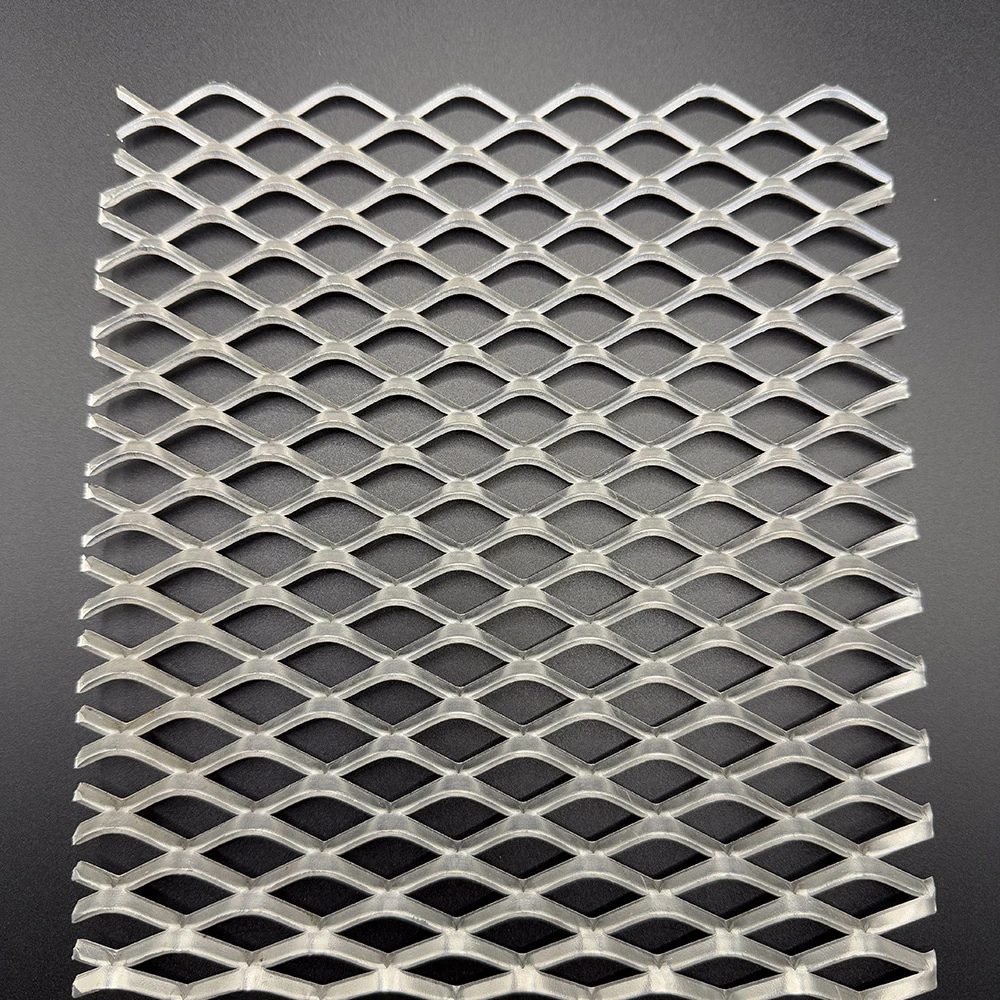
Now, when I say “1 4,” I’m referring to the mesh’s diamond-shaped openings roughly 1/4 inch across. It’s a golden mean that balances strength with openness — not too coarse, not too fine. Engineers swear by it for load distribution and airflow. Oddly enough, I noticed many warehouses retrofit their conveyor sideguards using this mesh; it just fits the bill without heavy cost or extra bulk.
Most of the time, this mesh is made from galvanized steel, stainless steel, or even aluminum for specialized needs. Each material has its quirks. For example, galvanized steel fights rust well, making it popular in damp environments. Stainless steel, on the other hand, resists corrosion with flair but can be pricier — which is why you see it in food processing lines or pharma plants where hygiene matters.
Here’s a thing many folks overlook: the manufacturing method. The metal sheet gets slashed and stretched, creating the diamond pattern — no welding here. This elongation actually improves tensile strength and firmness. The simple process means fewer weak points and a more uniform product.
| Specification | Details |
|---|---|
| Mesh Opening Size | Approx. 1/4 inch (6.3 mm) diamond |
| Material Options | Galvanized steel, stainless steel, aluminum |
| Sheet Thickness Range | 0.8 mm to 3.0 mm (approx. 22 to 11 gauge) |
| Width Options | Typically 1 to 4 feet, custom lengths available |
| Surface Treatment | Galvanization, powder coating, anodizing (aluminum) |
| Common Uses | Machine guards, conveyor belts, filtration, walkways |
After years of fiddling with suppliers, I’ve developed a slight obsession with who delivers consistent quality on expanded mesh. The cheapest option often misses the mark — the mesh might look okay at first glance but lacks uniformity or surface treatment, which means rust or faster wear.
On the other hand, vendors who invest in proper testing — tensile strength, corrosion resistance — tend to command a slight premium but justify it by less maintenance down the line. I always ask: what kind of testing do you perform? There’s nothing worse than having to redo a full guard or conveyor panel a year after installation.
Of course, delivery times, customization options (like custom lengths and coatings), and post-sale support also matter. That’s why I keep a shortlist of three trusted suppliers in mind.
| Vendor | Material Range | Testing Procedures | Customization | Lead Time |
|---|---|---|---|---|
| CC Metal Mesh | Galvanized, stainless steel, aluminum | Tensile, corrosion resistance | Custom sizes & coatings | 2-4 weeks |
| Metro Mesh Inc. | Galvanized only | Basic thickness & strength | Limited customization | 3-5 weeks |
| SteelWorks Ltd. | Stainless steel, aluminum | Extensive lab testing | Excellent customization | 4-6 weeks |
I recall a client from a food packaging plant who initially underestimated the value of 1 4 expanded metal mesh. They wanted to cut costs by opting for a cheaper screen alternative. Six months in, corrosion and mesh deformation meant unexpected downtime for repairs. Switching to a more robust 1 4 mesh from a reliable vendor reduced maintenance visits drastically. It’s a classic example of how the right mesh isn’t just a piece of metal — it’s insurance.
So, sure, you could go for something thinner, cheaper, or “close enough.” But in the industrial world, that 1/4 inch mesh makes a big difference. It’s durable, adaptable, and somehow reassuring — like a good pair of work boots.
All told, if you want reliable performance, look for trusted brands and ask questions about testing and customization. My go-to remains 1 4 expanded metal mesh — solid quality, consistent delivery, and fair support. The little things you sometimes forget matter.



![$item[alt]](https://images.exportstart.com/images/a1393/cc-7691.webp "$item[title]")