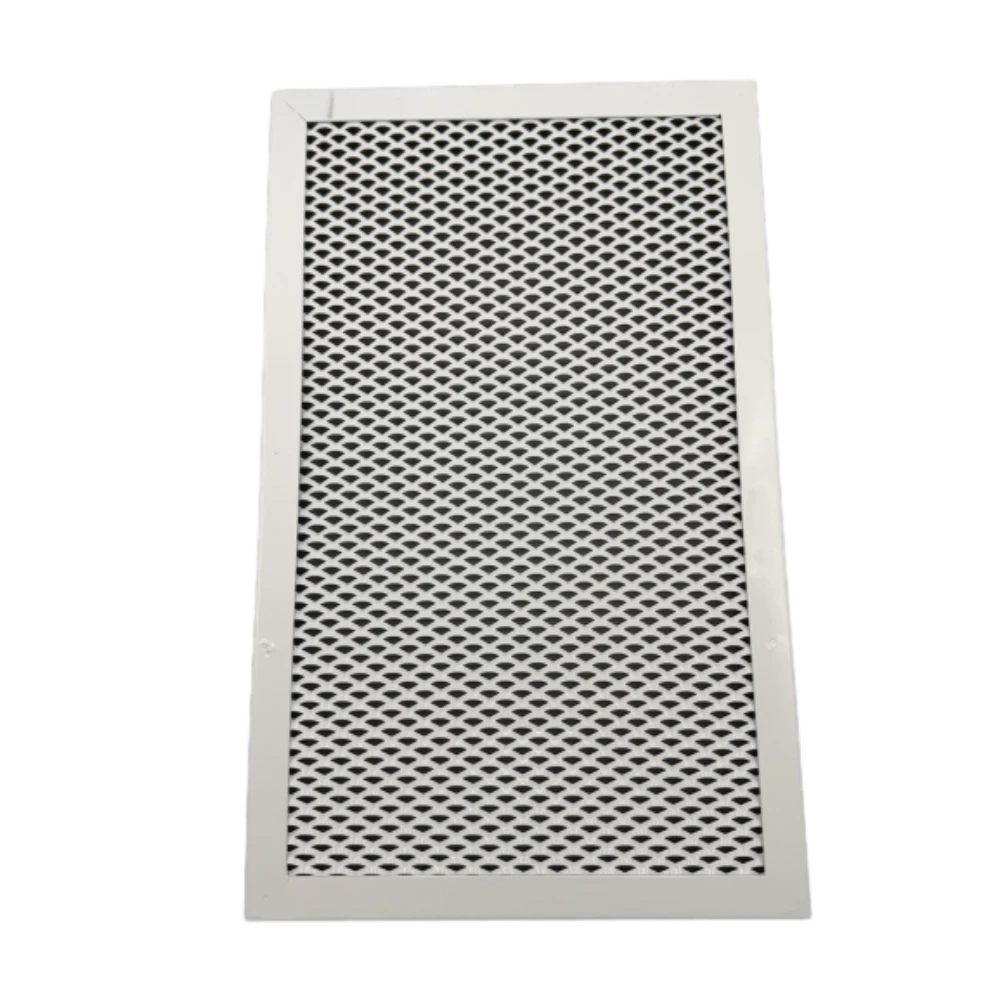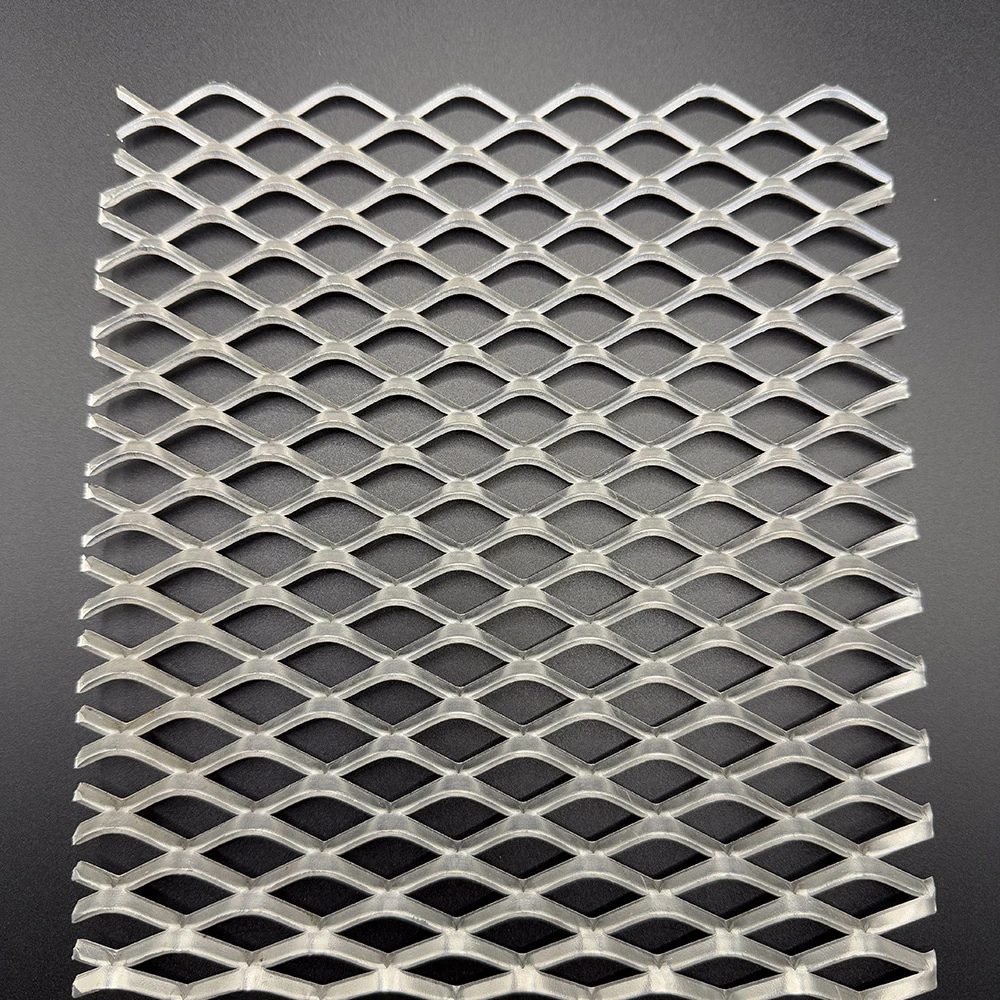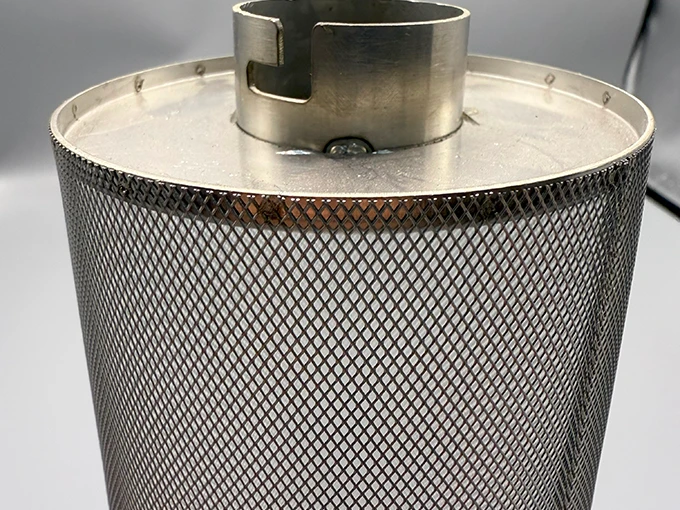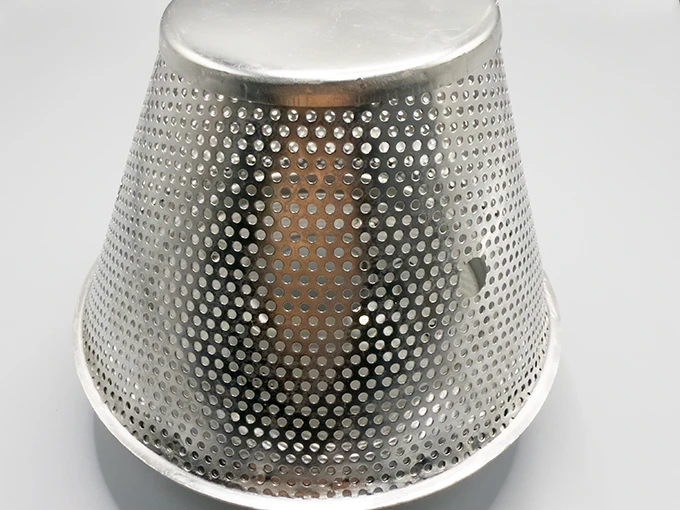

Brass Perforated Metal is a key solution in the industry, specifically within manufacturing, architecture, and filtration sectors. This article explores how https://www.ccmetalmesh.com supports professionals with durable, high-performance products, and explains why this product is an ideal choice for businesses in these sectors.
Brass perforated metal is essentially brass sheets or plates punctured with a patterned array of holes or slots. The fascinating part is its ability to combine strength with aesthetic appeal and functionality. This product finds extensive use in filtration, architectural design, and acoustic panels—sort of like a Swiss army knife in the metal world. The technical specs often range around sheet thicknesses of 0.3mm to 6.0mm, hole diameters from 0.5mm upwards, and a variety of patterns tailored for specific industry needs. For instance, a recent case study by a filtration equipment manufacturer recorded a 20% increase in efficiency after switching to brass perforated metal from traditional steel meshes, likely because of brass’s corrosion resistance and malleability.
| Specification | Details |
|---|---|
| Material Composition | Brass (CuZn30) |
| Sheet Thickness | 0.3mm – 6.0mm |
| Hole Shape & Size | Round, square, slotted; 0.5mm and up |
| Finish Options | Polished, brushed, plated |
Brass perforated metal shines in diverse applications from architectural facades to precision filtration systems. Its natural corrosion resistance makes it particularly suitable for environments where moisture is a concern—think coastal constructions or food processing. Because brass is a softer metal, it’s easier to shape and customize, allowing architects to create visually striking decorative panels without sacrificing structural support. One of the things I find interesting is how many engineers highlight its acoustic properties, using perforated brass panels as sound diffusers in auditoriums. Competitive advantages include excellent thermal and electrical conductivity and an innate antimicrobial quality, making it a versatile choice for hygienic settings (hospitals, labs). You know, it’s sort of the multi-tool of metal materials.
When it comes to total cost of ownership, brass perforated metals might initially seem pricier than aluminum or stainless steel alternatives. However, its superior durability and low maintenance requirements can absolutely tip the scales. Many customers note long-term savings by avoiding frequent replacements and refinishing. Frankly, the ROI often comes wrapped in “less hassle” rather than just pure dollar savings. Data collected from sectors like commercial kitchens show fewer incidents of corrosion or surface degradation over five years compared to traditional stainless steel meshes. While user feedback sometimes highlights that brass requires polishing to maintain luster, many appreciate the natural patina that develops, lending character to installations. It feels like brass products aren't just tools — they grow and age with the business.
Sustainability is no longer optional, and brass perforated metal fits nicely into this evolving landscape. Brass is highly recyclable — you’d be surprised, but it can be melted down repeatedly without degradation of quality. This aligns well with increasing regulations pushing industries towards greener supply chains. Interestingly, market growth for decorative metals is projected to rise steadily due to rising demand in urban architecture and green building certifications. Industry analysts suggest that companies who prioritize eco-friendly materials like brass enjoy enhanced brand reputation and compliance benefits. Oddly enough, brass’s antimicrobial properties also reduce the need for harsh chemical cleaners, providing indirect environmental benefits. So, embracing brass isn’t just a technical decision; it can reflect a company’s values and future readiness.
In real-world terms, brass perforated metal offers a flexible, durable, and sustainable option that bridges function and form for many industries. Whether you prioritize cost-effectiveness, design, or longevity, this material routinely proves its worth. For B2B decision makers looking to elevate their projects, sourcing from reliable manufacturers like those you’ll find at https://www.ccmetalmesh.com ensures quality and service aligned with modern market demands.
| Vendor | Product Range | Customization | Lead Time | Customer Support |
|---|---|---|---|---|
| CC Metal Mesh | Extensive (Thickness & Patterns) | Full bespoke options | 2–3 weeks | Dedicated B2B support |
| Vendor A | Standard designs | Limited | 4–6 weeks | Email only |
| Vendor B | Moderate, mostly standard | Some customization | 3–5 weeks | Phone & email |
Reflecting on brass perforated metal’s role, it really is a rarity to find materials that cater so well both to functional requirements and design aspirations. It’s a nod to how manufacturing innovation gracefully meets aesthetic and sustainability trends, balancing the needs of B2B decision makers and end users alike.



![$item[alt]](https://images.exportstart.com/images/a1393/cc-7691.webp "$item[title]")