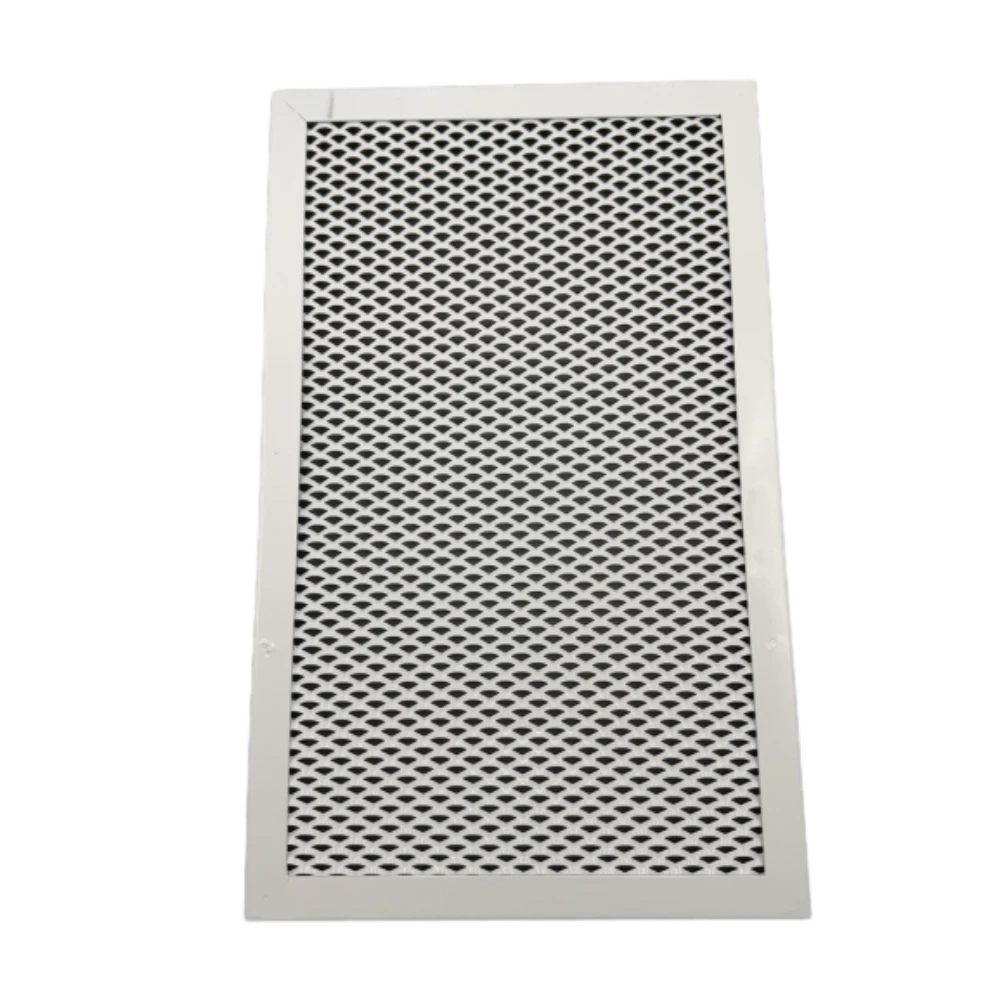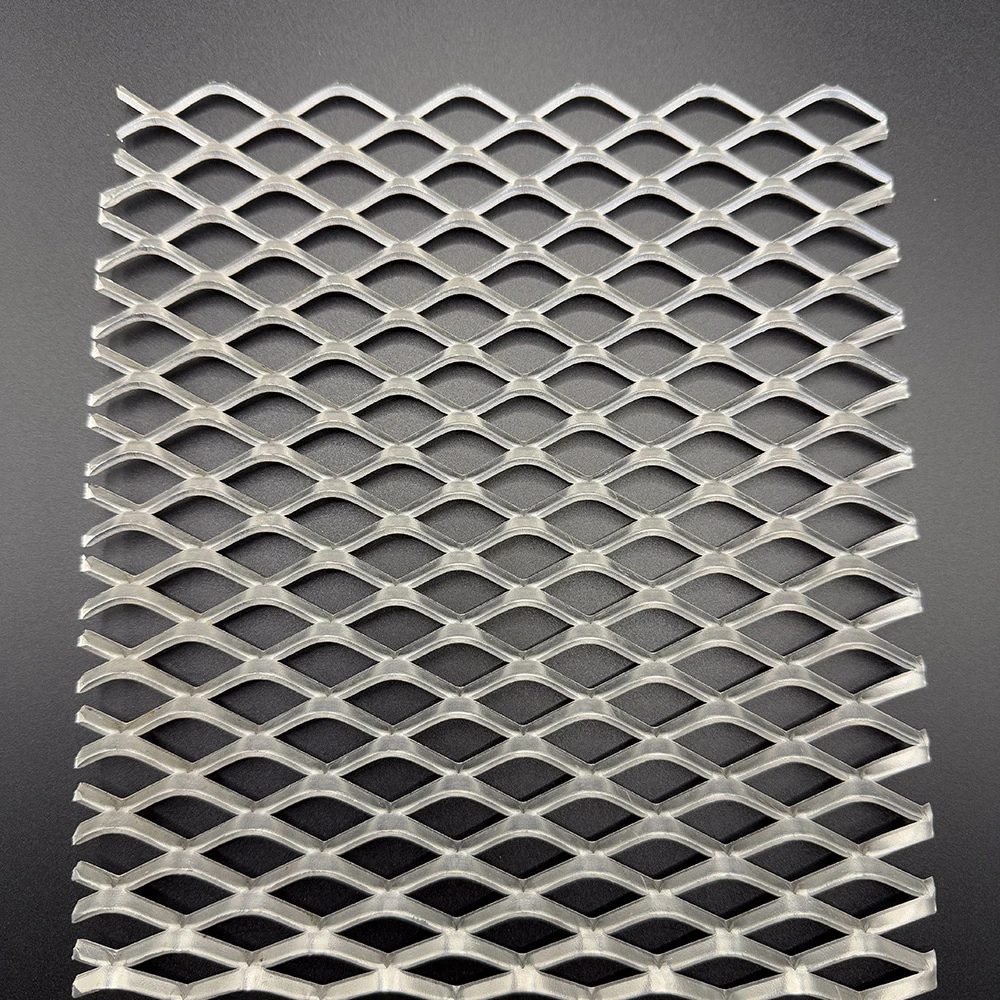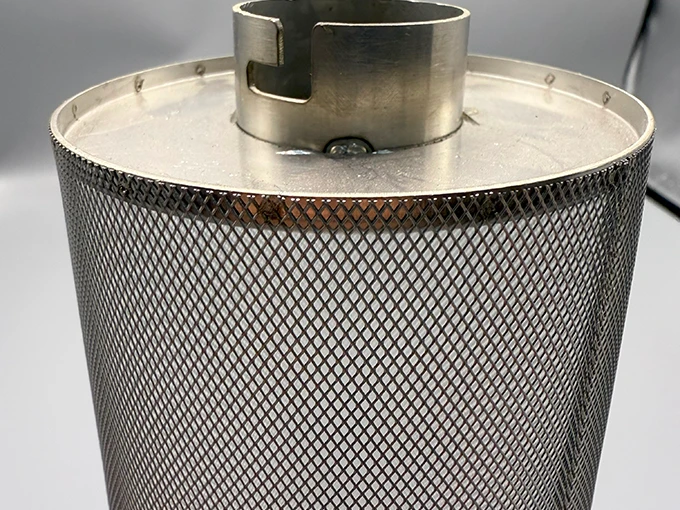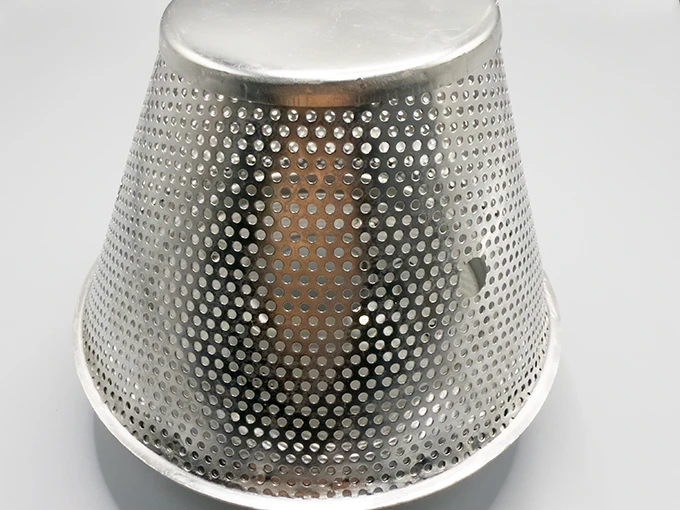
Having spent well over a decade around industrial equipment, I can say that the black perforated metal screen is honestly one of those deceptively simple components that carry a lot more weight in various processes than most people give it credit for. It's one of those materials that’s kind of a quiet workhorse — silently doing the job but rarely stealing the spotlight. Yet, once you start paying attention, you'd notice how often it plays a pivotal role in filtration, ventilation, and even aesthetic applications.
Oddly enough, the black finish isn’t just for show. While the perforated pattern obviously determines airflow and filtering capabilities, the black coating often contributes to corrosion resistance and reduces glare in environments where lighting is harsh or reflective surfaces are a pain. I remember working on a plant retrofit where switching to a black perforated metal screen made an unexpected impact simply by cutting down on glare for operators — small but meaningful.
When I first got into the industry, my introduction to perforated metal screens was mostly galvanized steel or aluminum. However, black perforated metal typically involves powder-coated carbon steel or stainless steel bases. The coating process, as I observed in several factories, must be tightly controlled to ensure adhesion and durability, especially for outdoor or heavy-duty uses.
Perforation patterns range from round holes to slots or even custom shapes. And here’s something many people overlook: the size and spacing of those holes drastically influence both mechanical strength and airflow. Even if you’re not an engineer, if you’ve ever tried to squeeze air or liquid through a mesh, you realize that bigger holes sometimes mean weaker material. So, balancing strength and openness is essential, especially for structural applications.
| Property | Details |
|---|---|
| Material | Powder-coated Carbon Steel / Stainless Steel |
| Hole Diameter | 1 mm to 12 mm (customizable) |
| Thickness | 0.5 mm to 4 mm |
| Pitch (Center-to-Center Spacing) | Typically 3-15 mm |
| Coating | Black Powder Coating (Anti-corrosion) |
| Standard Sheet Sizes | 1000x2000 mm, 1250x2500 mm |
| Common Applications | Filtration, Acoustic Panels, Machine Guards, Architectural Facades |
In the past, I’ve worked with several suppliers, and frankly, not all black perforated metal screens are created equal. Grain size control, coating uniformity, and even delivery timelines can vary widely. Some vendors offer extensive customization (hole size, shape, sheet dimensions) while others stick to pre-set options. For heavy industrial use, well-certified vendors also provide documentation about coating thickness and corrosion testing, which in my experience, can make or break long-term durability.
| Vendor | Material Options | Customization | Coating Quality | Typical Lead Time |
|---|---|---|---|---|
| CC Metal Mesh | Carbon & Stainless Steel | Highly Customizable (holes, sizes) | Premium Powder Coating | 2-3 Weeks |
| Industrial Mesh Co. | Carbon Steel only | Limited hole sizes | Standard Coating | 3-4 Weeks |
| Mesh Solutions Ltd. | Mostly Stainless Steel | Custom shapes available | High-quality coating but pricier | 4-5 Weeks |
You know, one afternoon on a site visit, an engineer mentioned that switching from a standard galvanized screen to a black perforated metal one not only improved filtering efficiency but also simplified maintenance routines because grime and dust accumulation were easier to spot and clean off. That kind of anecdote makes me think these materials have subtle but real operational advantages that aren’t just about specs on paper.
In real terms, whether you're designing HVAC systems, enhancing architectural elements, or simply needing a durable screen for machinery guarding, the black perforated metal screen ticks many boxes. It’s robust, visually unobtrusive, and customizable — so don’t overlook it when planning your next project. Frankly, given its versatility and performance, it’s no surprise this material remains a staple in so many industrial settings.
Before wrapping up, remember that working with reputable vendors who understand your precise specs and application environment is key — and that’s often the difference between a screen that lasts a few months and one that serves reliably for years.
So if you’re after a rugged, adaptable, and sleek perforated metal, I’d say explore your options with expert providers — like black perforated metal screen specialists. It pays off.
Takeaway: Black perforated metal screen is a simple component with complex benefits, worthy of your serious attention in industrial design.
References:
1. Industry Material Handbooks, 2022 Edition.
2. Powder Coating Manufacturers Association, 2023 Guidelines.
3. Personal field experience, industrial site visits 2015–2023.



![$item[alt]](https://images.exportstart.com/images/a1393/cc-7691.webp "$item[title]")