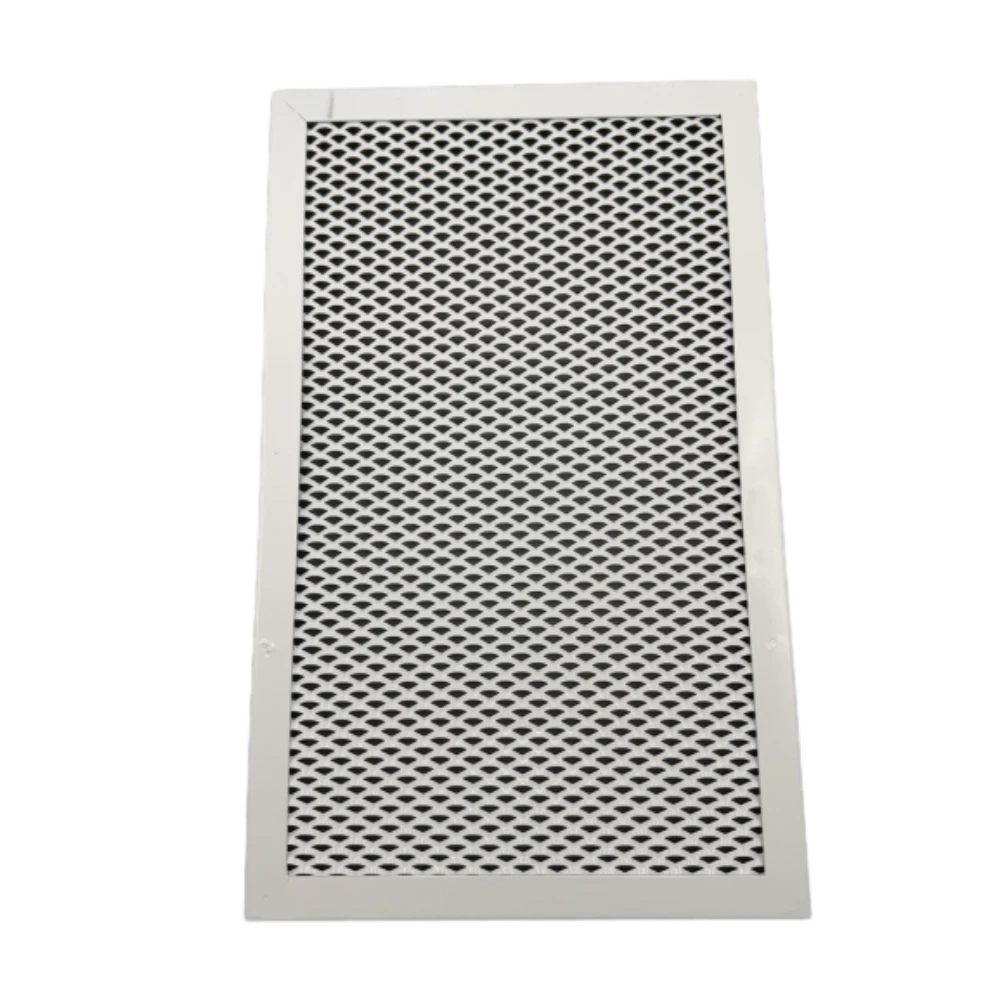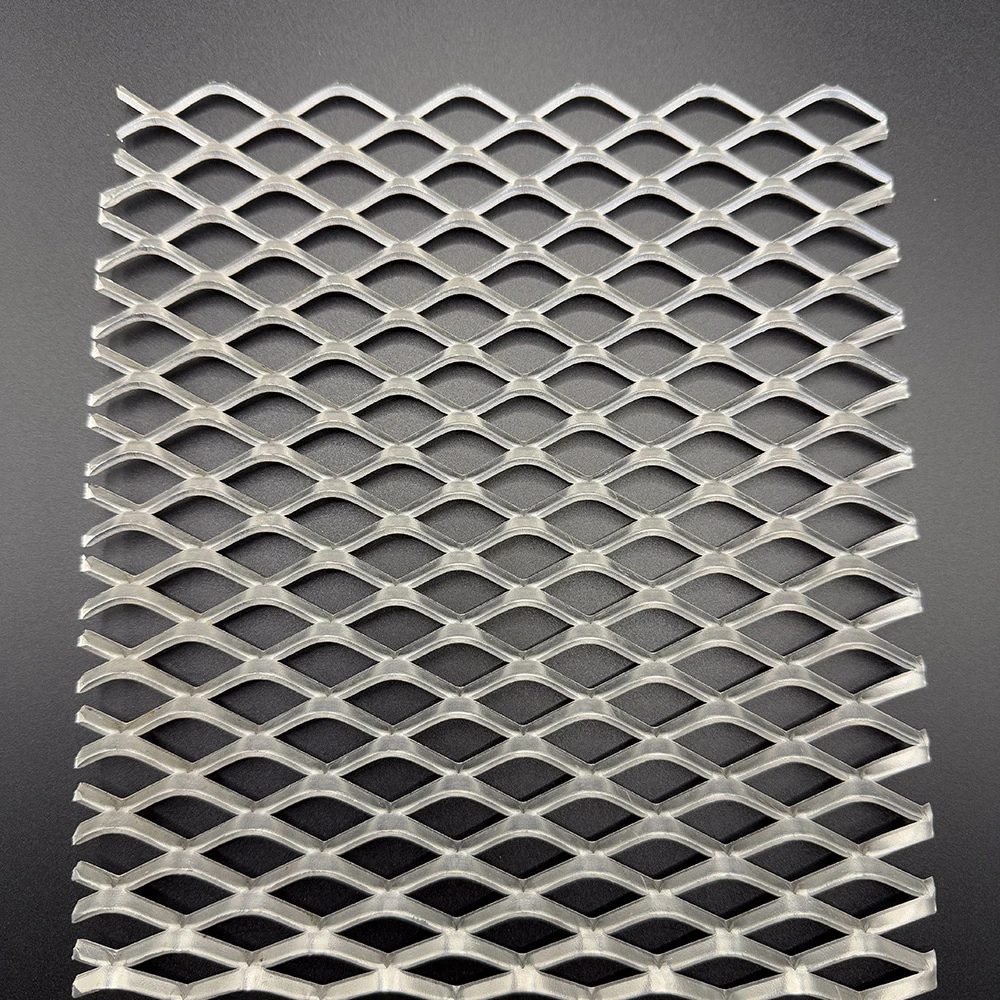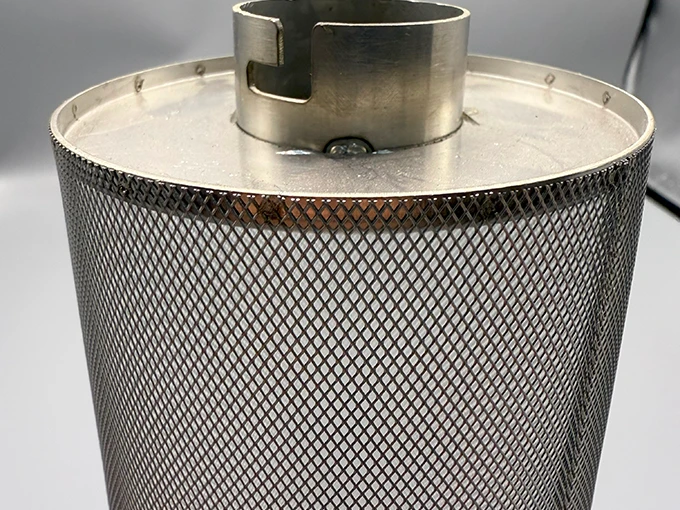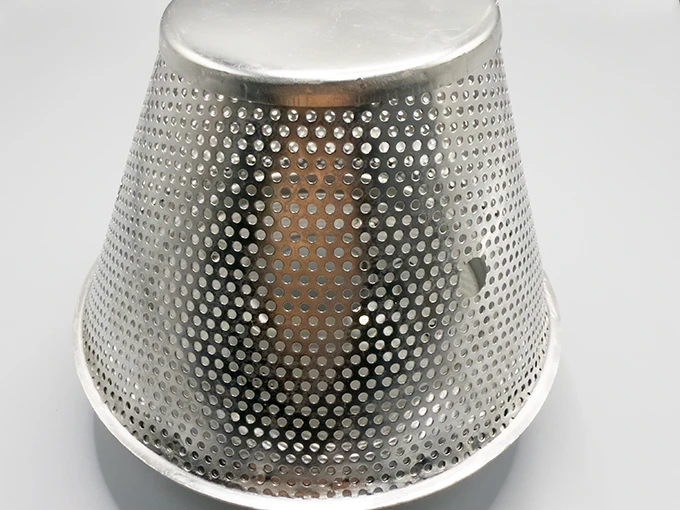
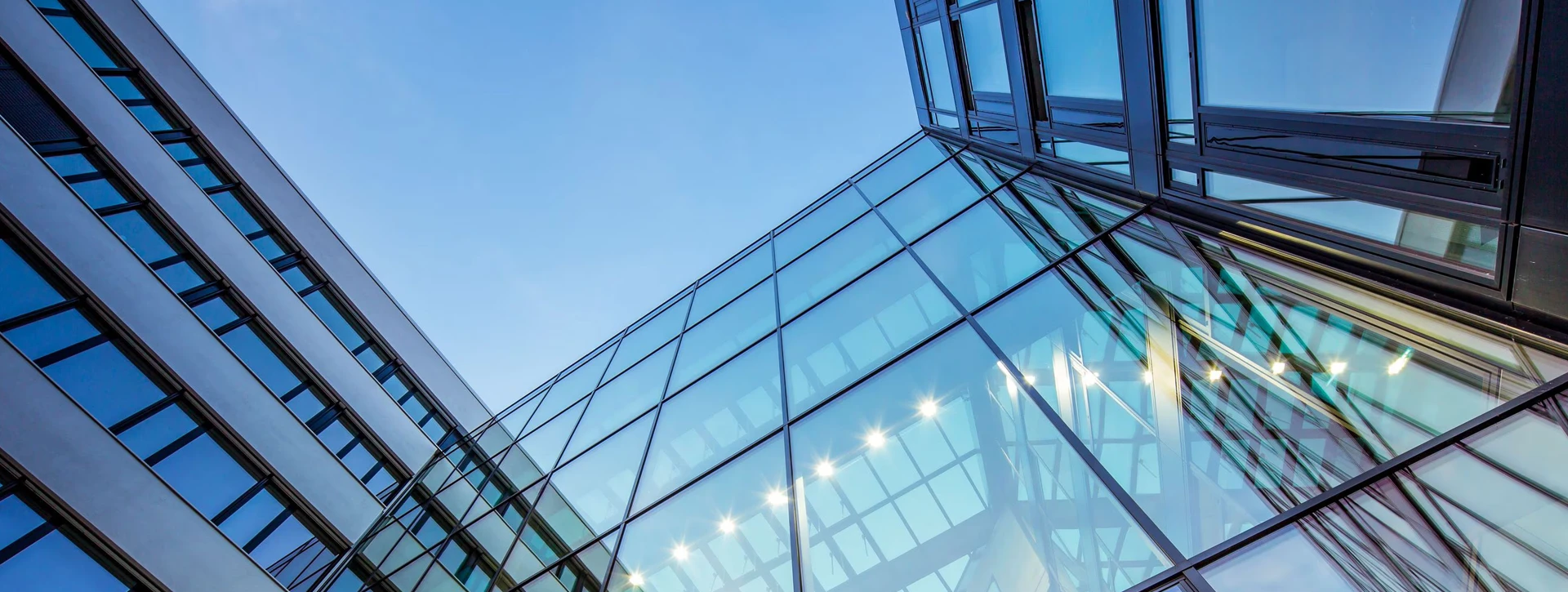
Perforated copper panels are not just a fancy architectural trend or some niche industrial product. They’re quietly becoming an important part of how we build sustainable, durable, and efficient structures across the world. But what exactly are these panels, and why should we pay attention? Simply put, perforated copper panels are sheets of copper metal pierced with a pattern of holes or slots. This design offers a remarkable combination of strength, ventilation, aesthetics, and electromagnetic shielding—benefits that are critical in sectors ranging from construction to communications to environmental engineering.
Globally, as cities grow and industries require better materials that are both functional and environmentally friendly, perforated copper panels provide solutions that matter. Understanding their features means better design choices, longer-lasting infrastructure, and even improved comfort and safety for individuals. Plus, in many cases, these panels can help reduce energy consumption—an increasingly urgent challenge worldwide.
In real terms, the global market for perforated metal products is expanding rapidly, driven by both industrial demand and environmental regulations. According to a recent report by ISO, metal panel usage in building facades and infrastructure has grown by nearly 12% annually in the last five years. Copper, in particular, is prized for its corrosion resistance and antimicrobial properties—a reason why it’s making increased appearances in healthcare facilities, public transport hubs, and even water purification systems.
However, challenges persist—especially in balancing costs and ensuring consistent quality across manufacturing. Additionally, as worldwide carbon reduction targets stiffen, the demand for innovative, recyclable, and long-lasting materials intensifies. Perforated copper panels address this by combining durability with recyclability, helping industries comply with global sustainability goals.
Put simply, perforated copper panels consist of thin sheets of copper punched systematically with holes or shapes—this perforation can vary from round holes to intricate patterns depending on the application. Rather than simply creating visual interest, these openings serve functional purposes: controlling airflow, filtering light, reducing weight, and sometimes even acting as electromagnetic shields in sensitive equipment housing.
They bridge the gap between robust metalwork and responsive design, offering a versatile tool for architects, engineers, and product designers. At a humanitarian level, their antimicrobial copper surface helps in reducing pathogen spread within hospitals or public spaces, an often overlooked but critical benefit.
Copper’s natural resistance to corrosion is one of its core appeals. Unlike steel or aluminum, copper forms an invisible protective layer (patina) that resists weathering over decades — a reason why it’s favored in coastal regions and harsh climates.
Perforated copper panels allow for controlled ventilation, which helps with thermal regulation. They're often used in sunshades or facades to reduce heat gain and manage indoor air quality. Additionally, they possess sound absorption qualities useful in noisy urban environments.
Because copper is highly conductive, perforated panels are excellent at shielding electronic equipment from electromagnetic interference (EMI), especially if the perforation pattern is tuned correctly.
Designers love that copper can be shaped, patinated, and perforated to produce unique visual effects. Whether it’s a sleek contemporary facade or a traditional ornamental screen, its appeal is both functional and artistic.
Copper is 100% recyclable without losing quality—this circularity aligns well with increasing environmental standards worldwide, making these panels a wise choice for green building projects.
| Specification | Details |
|---|---|
| Material Thickness | 0.5 mm – 3 mm |
| Hole Diameter | 1 mm – 10 mm (customizable) |
| Panel Size | Maximum 1500 mm x 3000 mm |
| Perforation Pattern | Round, square, custom |
| Finish Options | Natural, patinated, lacquered |
From skyscrapers in Dubai to ventilation systems in Scandinavian data centers, perforated copper panels find use worldwide. Here are some concrete examples:
Oddly enough, you often find these panels in places you wouldn’t expect—like luxury yachts or museum displays—just due to their unique combo of function and form.
The benefits here are real and multifaceted:
In fact, when owners of buildings constructed with copper panels inform me how their structures have held up for decades with minimal upkeep, it really drives home the long-term trustworthiness of the material.
| Supplier | Material Quality | Customization | Sustainability Certifications | Typical Lead Time |
|---|---|---|---|---|
| CopperCraft Inc. | 99.9% Pure Copper, ASTM B370 | Full pattern and size customization | LEED, ISO 14001 | 4–6 weeks |
| Metallum Panels | High-grade Copper Alloy | Limited customizable options | ISO 9001 Certified | 3–5 weeks |
| Global Mesh Solutions | Electrolytic Copper Sheets | Custom patterns, limited sizes | RoHS Compliant | 5–7 weeks |
Looking ahead, perforated copper panels will evolve alongside green energy policies and digital building management. For instance, some companies are experimenting with integrating photovoltaic cells directly behind perforated panels, combining solar capture with passive cooling. Meanwhile, advancements in laser perforation allow for more precise, intricate patterns reducing waste and cutting lead times.
Automation in metal fabrication opens doors to larger custom projects at scale, and improved coatings will potentially reduce patina formation for when a polished look is preferred. Oddly enough, the industry is also exploring copper composites with other metals to blend flexibility with copper’s benefits—a development that could change install techniques altogether.
Of course, not everything comes without hurdles. Copper's higher upfront cost and weight compared to other metals like aluminum can deter some projects. Also, inconsistent patina can affect aesthetics negatively if not managed carefully.
Experts suggest thorough pre-application treatments and using protective coatings to prolong desired finishes. Furthermore, modular panel designs and improved supply chains help reduce lead times and costs—allowing even smaller projects to benefit from high-quality perforated copper panels.
All told, perforated copper panels represent a smart investment for anyone focused on durability, sustainability, and multifunctional design. From reducing environmental impact to enhancing building aesthetics, their benefits endure well beyond the initial installation. If you’re considering next-level solutions for your project, it’s worth looking into high-quality perforated copper panels. To explore suitable options and learn from experts, do visit our website for more information.
In closing, it feels like copper panels are quietly reshaping modern infrastructure, one perforation at a time.
Mini takeaway: Perforated copper panels merge technical perfection with sustainable beauty—making them an underappreciated hero in today’s built environment.
References:



![$item[alt]](https://images.exportstart.com/images/a1393/cc-7691.webp "$item[title]")