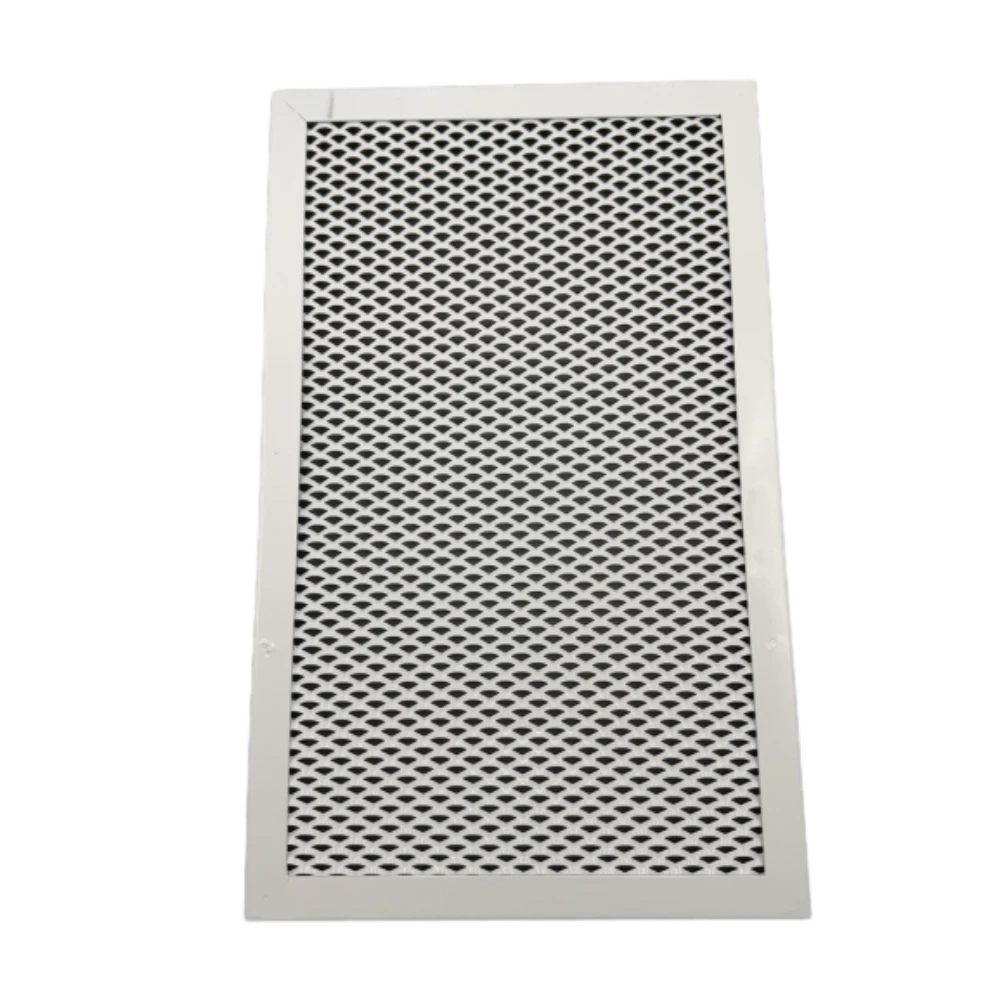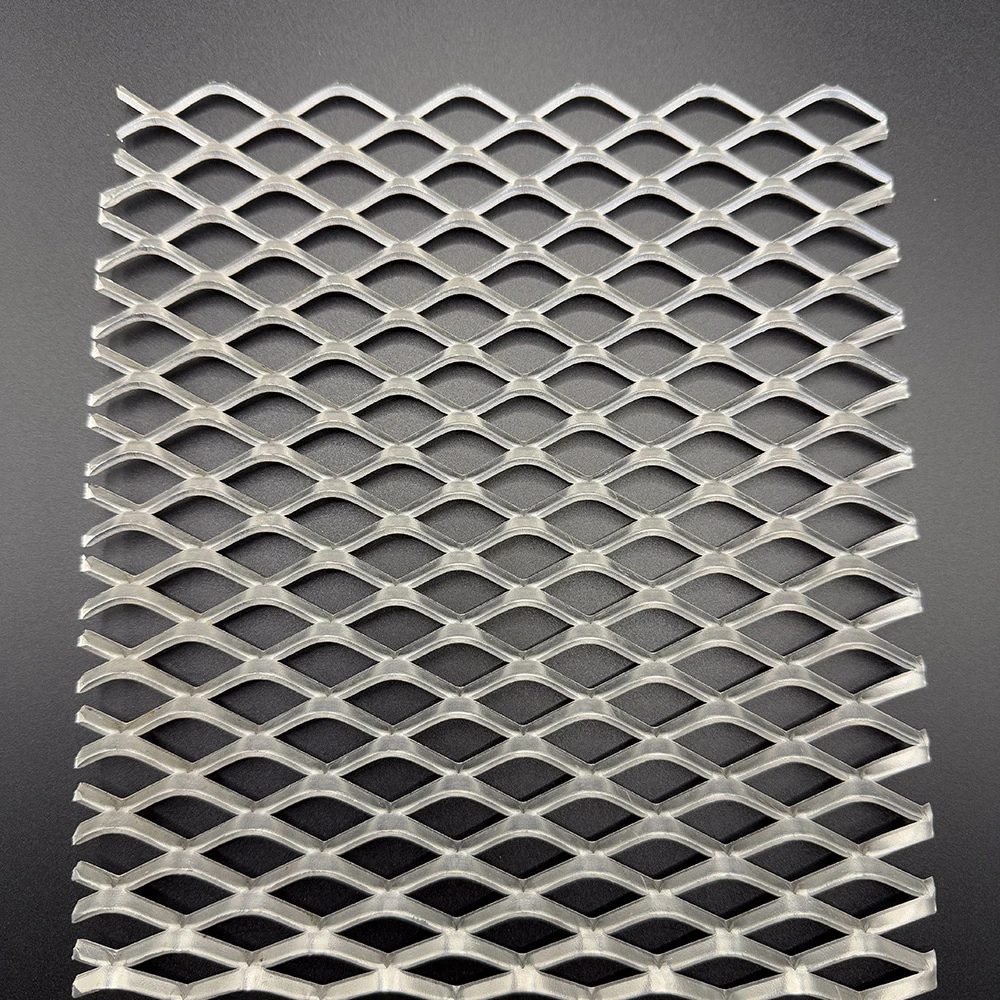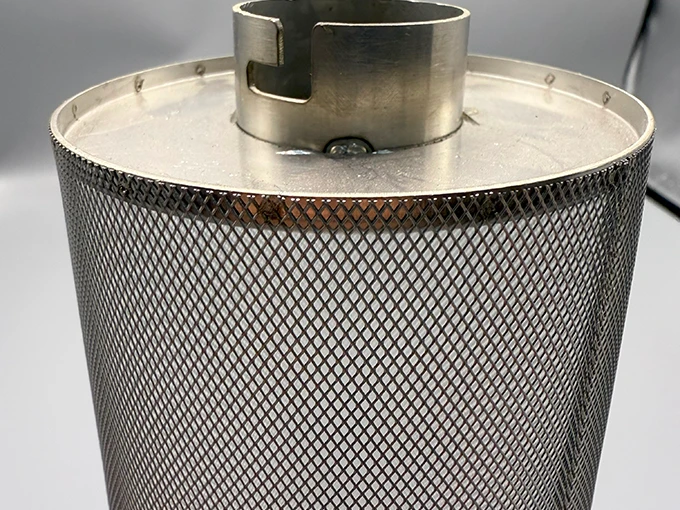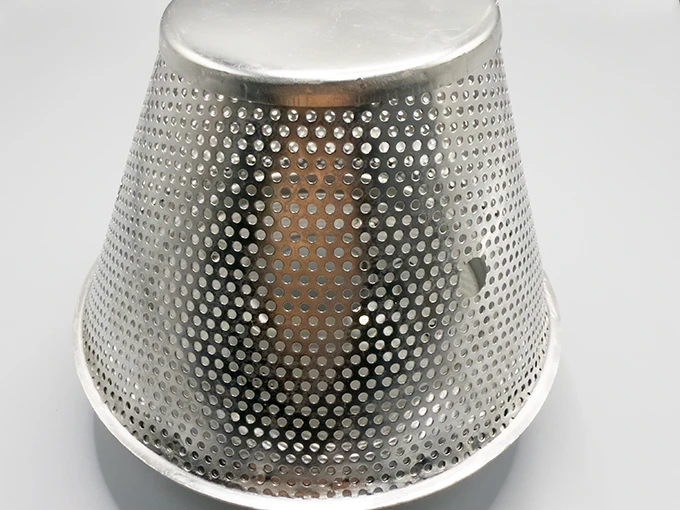

Perforated sheet metal with a square hole pattern is a versatile material used across numerous industries, from filtration and screening to architectural design and soundproofing. Its unique combination of strength and permeability makes it ideal for a diverse range of applications. This article provides an in-depth look at perforated sheet square hole, covering its manufacturing process, common materials, applications, and factors to consider when selecting the right sheet for your specific needs. Understanding these factors will ensure you choose the optimal solution for your project.
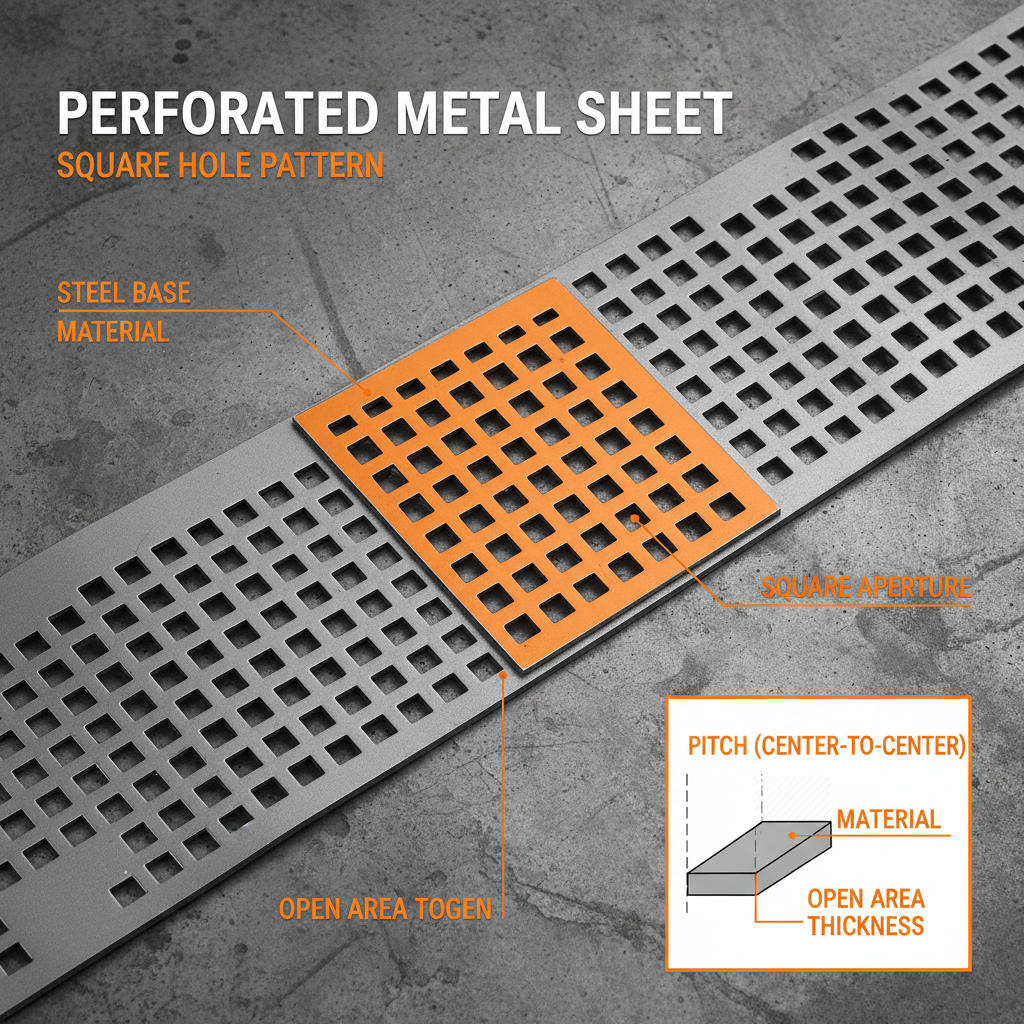
The creation of perforated sheet with square holes typically involves several key steps. The process begins with selecting the base metal, which can range from stainless steel and aluminum to carbon steel and copper. Once the material is chosen, it's fed into a perforating machine equipped with specialized dies that create the square openings. The holes are meticulously arranged in a grid pattern, with parameters like hole size, spacing, and stagger carefully controlled. After perforating, the sheet may undergo additional processes such as deburring, leveling, and surface treatment to enhance its quality and performance. Precision and quality control are paramount throughout the manufacturing process to ensure the sheet meets stringent industry standards.
Key Highlights: The manufacturing process emphasizes precision and control of parameters like hole size, spacing, and stagger to meet specific application requirements.
A variety of materials are utilized to produce perforated sheet with square holes, each offering unique properties suited to different applications. Stainless steel provides excellent corrosion resistance and is commonly used in food processing, chemical industries, and marine environments. Aluminum is lightweight, corrosion-resistant, and easy to fabricate, making it ideal for architectural applications and lightweight structures. Carbon steel offers high strength and durability at a lower cost, suitable for general industrial uses. Other materials like copper and brass are chosen for their aesthetic appeal and conductivity in specialized applications. The selection of the appropriate material depends on the project's specific requirements regarding strength, corrosion resistance, weight, and cost.
Material Comparison:
• Stainless Steel: Excellent corrosion resistance, high strength.
• Aluminum: Lightweight, corrosion-resistant, easy to fabricate.
• Carbon Steel: High strength, durable, cost-effective.
• Copper/Brass: Aesthetic appeal, conductivity.
The versatility of perforated sheet with square holes leads to its adoption in a wide array of industries. In the architectural sector, it's used for facades, sunshades, and decorative panels, providing both aesthetic appeal and functional benefits like shading and ventilation. The food and beverage industry utilizes it for strainers, filters, and drying racks due to its hygienic properties and ease of cleaning. Industrial applications include machine guards, speaker grills, and air diffusers. Furthermore, it's found in automotive parts, pharmaceutical filtration, and even noise reduction barriers. The diverse applications demonstrate the material's adaptability and its importance across various sectors.
Selecting the right perforated sheet requires careful consideration of several factors. Hole size and pattern directly impact airflow, filtration efficiency, and structural integrity. The material must be compatible with the operating environment and resistant to corrosion or other degradation. Sheet thickness influences strength and rigidity, while the open area (percentage of perforation) affects permeability and weight. The desired aesthetic appearance and budget constraints also play a role in the decision-making process. It’s crucial to consult with a reputable supplier like CC Metal Mesh to discuss your specific needs and ensure you select the optimal product.
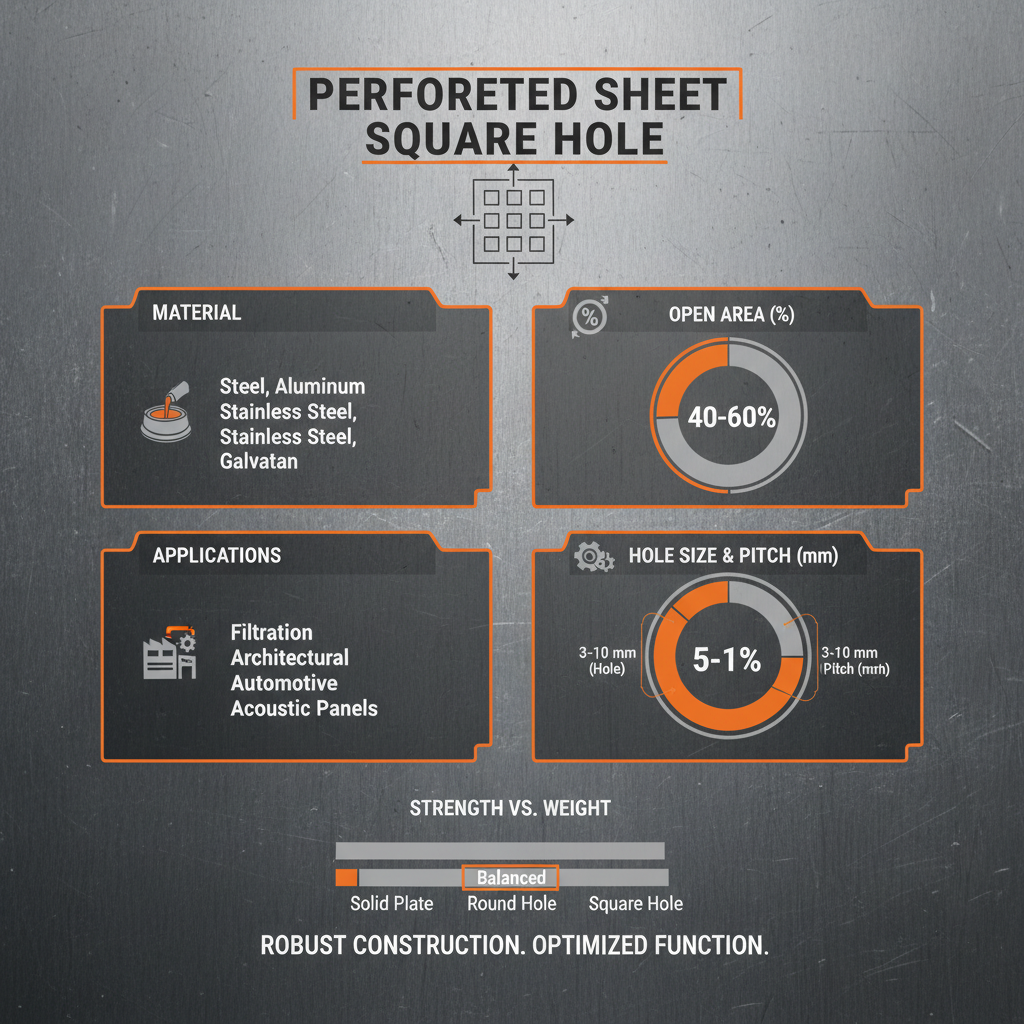
At CC Metal Mesh, we offer a wide range of perforated sheet square hole products with various specifications to meet diverse client needs. We provide customization options for hole size, pattern, sheet thickness, and material. Below is a sample specification table:
Selecting the appropriate perforated sheet with square holes is essential for achieving optimal performance and longevity. By carefully considering factors like material, hole size, and sheet thickness, and by partnering with a trusted supplier like CC Metal Mesh, you can ensure you receive a product tailored to your specific requirements. Investing in quality perforated sheet translates to enhanced efficiency, durability, and overall project success.
Lead times vary depending on the complexity of the order, material availability, and current production schedule. Generally, standard orders can be processed and shipped within 7-10 business days. Custom orders requiring specialized materials or intricate perforation patterns may take 2-4 weeks. We at CC Metal Mesh pride ourselves on efficient production and clear communication regarding project timelines. We provide estimated lead times with every quote and keep our clients informed of any updates.
Yes, perforated sheet can be readily cut to size using various methods such as shearing, sawing, or laser cutting. Shearing is a cost-effective option for straight cuts, while laser cutting allows for more intricate shapes and precise dimensions. It's important to consider the material and thickness when selecting a cutting method to avoid distortion or damage. We offer cutting services at CC Metal Mesh to deliver sheets precisely to your specifications.
Several surface treatments can enhance the properties and appearance of perforated sheet. These include polishing, passivation (for stainless steel), galvanizing (for carbon steel), powder coating, and painting. Polishing provides a smooth, aesthetically pleasing finish. Passivation improves corrosion resistance. Galvanizing protects against rust. Powder coating and painting offer both protection and a wide range of color options. The choice of surface treatment depends on the intended application and environmental conditions.
Stainless steel perforated sheet offers exceptional corrosion resistance, making it ideal for harsh environments. Its high strength and durability ensure a long service life. Stainless steel is also hygienic and easy to clean, making it suitable for food processing and medical applications. Additionally, it possesses an appealing aesthetic appearance and can be polished to a high shine.



![$item[alt]](https://images.exportstart.com/images/a1393/cc-7691.webp "$item[title]")