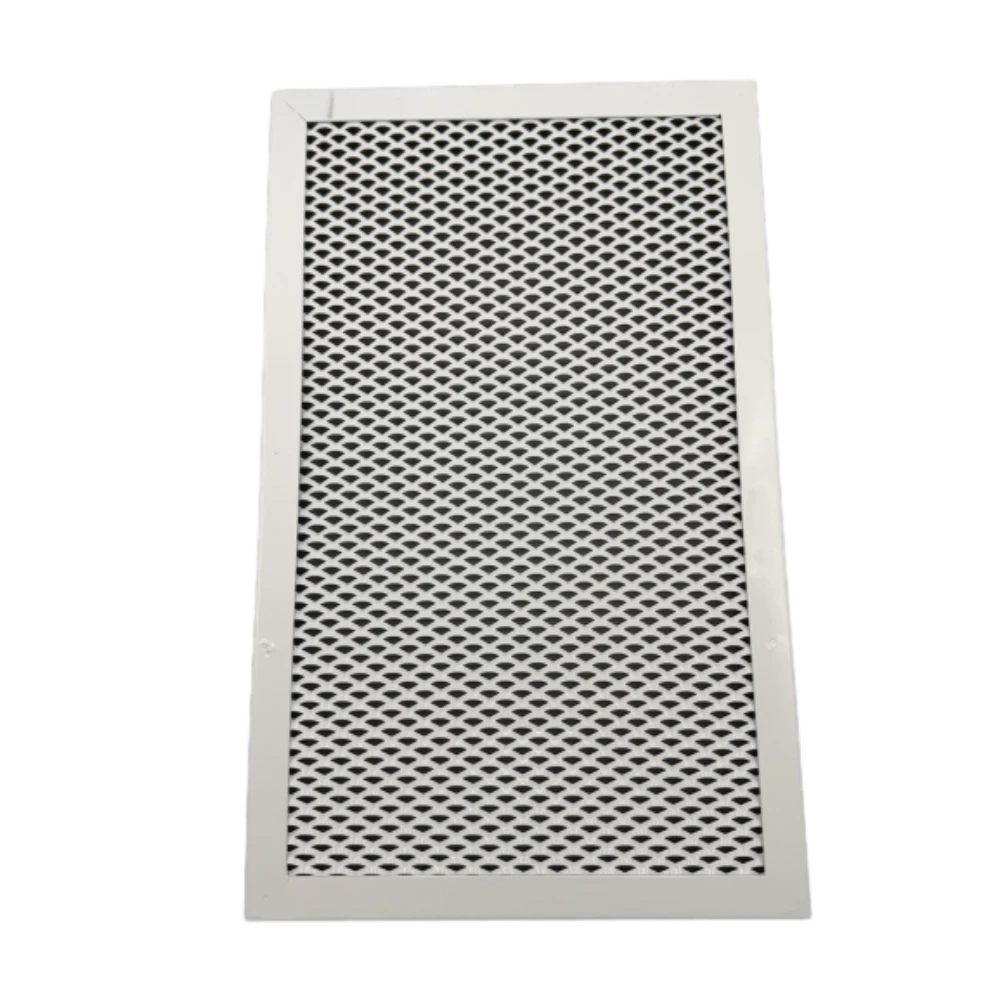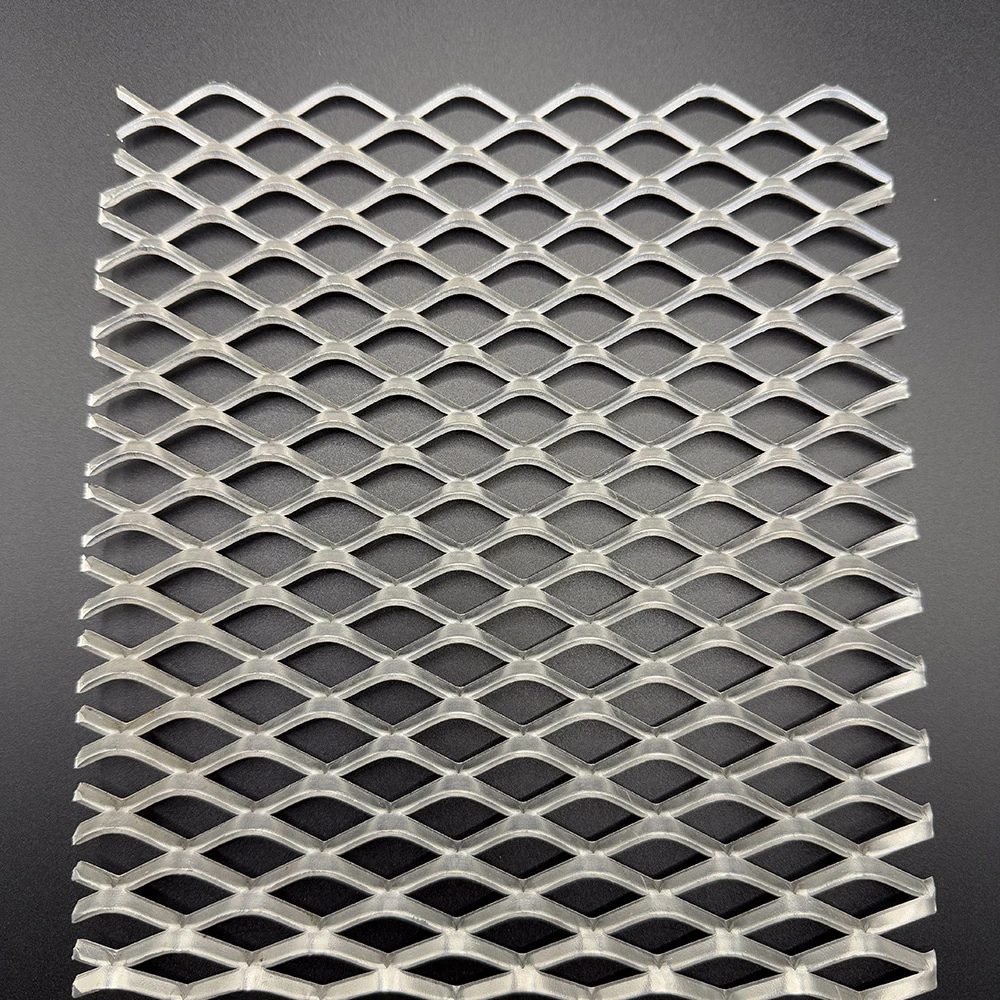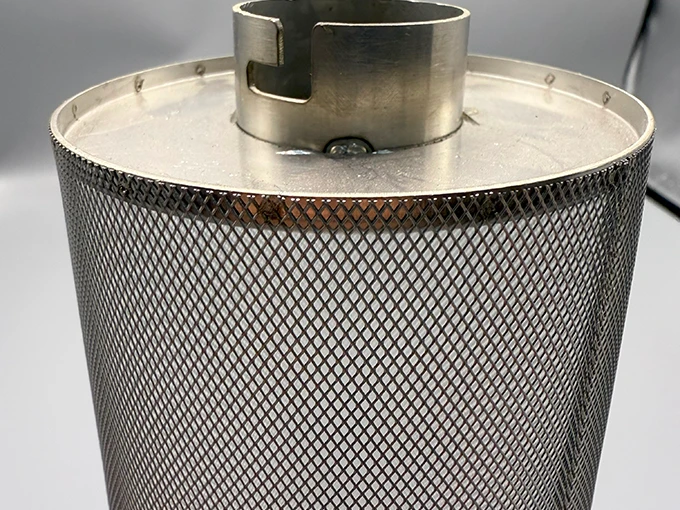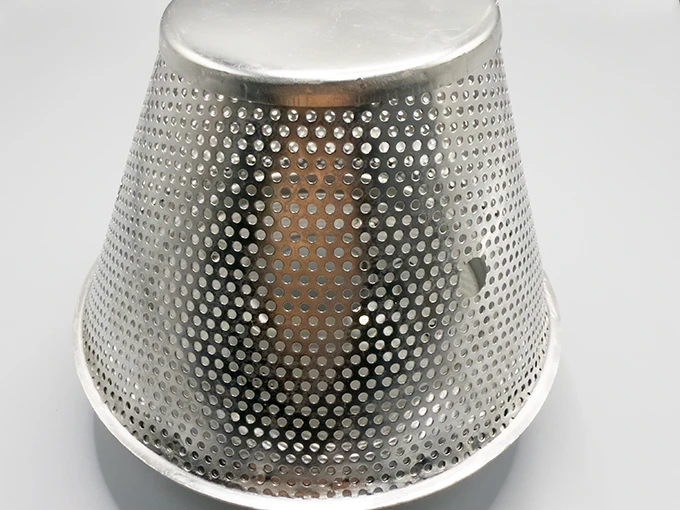

Square hole perforated metal is a versatile material with a wide range of applications across numerous industries. Its precise square openings offer unique advantages over other perforation patterns, making it ideal for filtration, sound dampening, architectural features, and much more. This article will delve into the specifics of square hole perforated metal, exploring its properties, manufacturing processes, common uses, and factors to consider when selecting the right product for your needs. Choosing the correct perforation pattern is crucial for achieving optimal performance and longevity. We'll help you navigate the key considerations and understand why CC Metal Mesh is a trusted supplier of high-quality perforated metal.
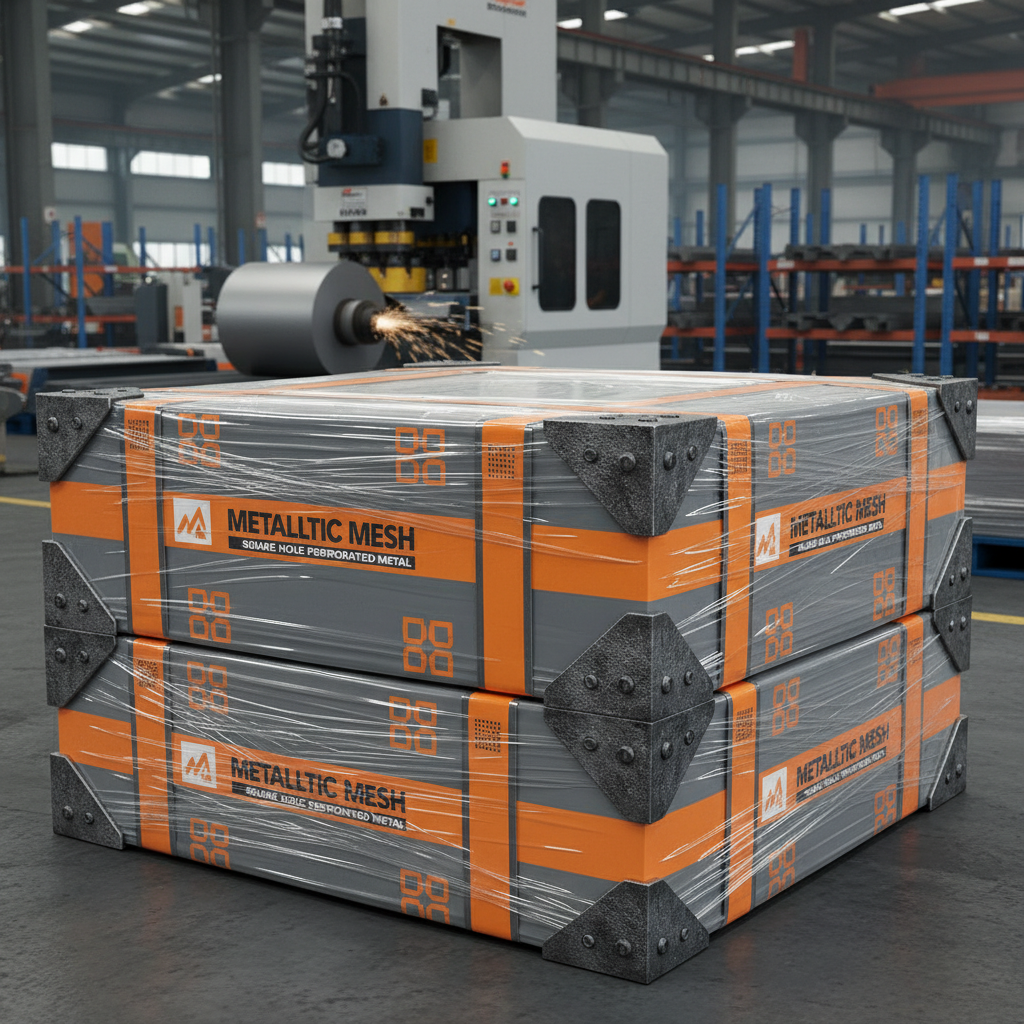
Square hole perforated metal is created by punching square-shaped holes into a metal sheet. The metal can range from stainless steel and aluminum to carbon steel, galvanized steel, and more. This process creates a consistent and uniform pattern, offering predictable airflow, filtration, or aesthetic results. The key parameters defining square hole perforated metal include hole size, hole spacing (pitch), sheet thickness, and the metal type. These parameters are all customizable to meet specific project requirements. CC Metal Mesh specializes in providing custom perforated metal solutions tailored to diverse industry applications.
Key Highlights: Customizable hole size, spacing, and material options. Provides consistent and uniform patterns for predictable results. Durable and long-lasting solutions for various applications.
The applications for square hole perforated metal are incredibly diverse. In the architectural sector, it's used for facades, sunshades, and decorative panels, providing both aesthetic appeal and functional benefits like shading and ventilation. Industrially, it's commonly found in filtration systems, speaker grills, machine guards, and acoustic panels. Food processing relies on it for strainers and diffusers. The consistent square openings contribute to efficient and uniform filtering or sound distribution. Its strength and durability also make it suitable for high-stress environments. From aerospace to automotive, the versatility of square hole perforated metal continues to drive innovation.
Application Examples:
• Architectural Facades & Sunshades
• Filtration Systems (Liquid & Air)
• Speaker Grills and Acoustic Panels
• Machine Guards and Safety Screens
Choosing between square and round hole perforated metal depends on the application. Square holes generally provide a higher open area percentage for a given hole diameter, leading to greater airflow or filtration capacity. They also offer a more modern and geometric aesthetic. Round holes are often more cost-effective to produce and can be more structurally sound in certain applications. However, square holes provide more predictable and consistent distribution of airflow or fluid, which is crucial for applications like HVAC systems and diffusers. The following table highlights key differences:
Several factors influence the selection of the optimal square hole perforated metal for your project. These include the intended application, the material required for corrosion resistance and strength, the desired hole size and spacing, and the sheet thickness. Consider the environment the metal will be exposed to – stainless steel is ideal for corrosive environments, while aluminum offers a lightweight solution. The hole size and spacing should be determined based on the required airflow, filtration rate, or aesthetic appearance. CC Metal Mesh provides expert guidance to help you navigate these considerations.
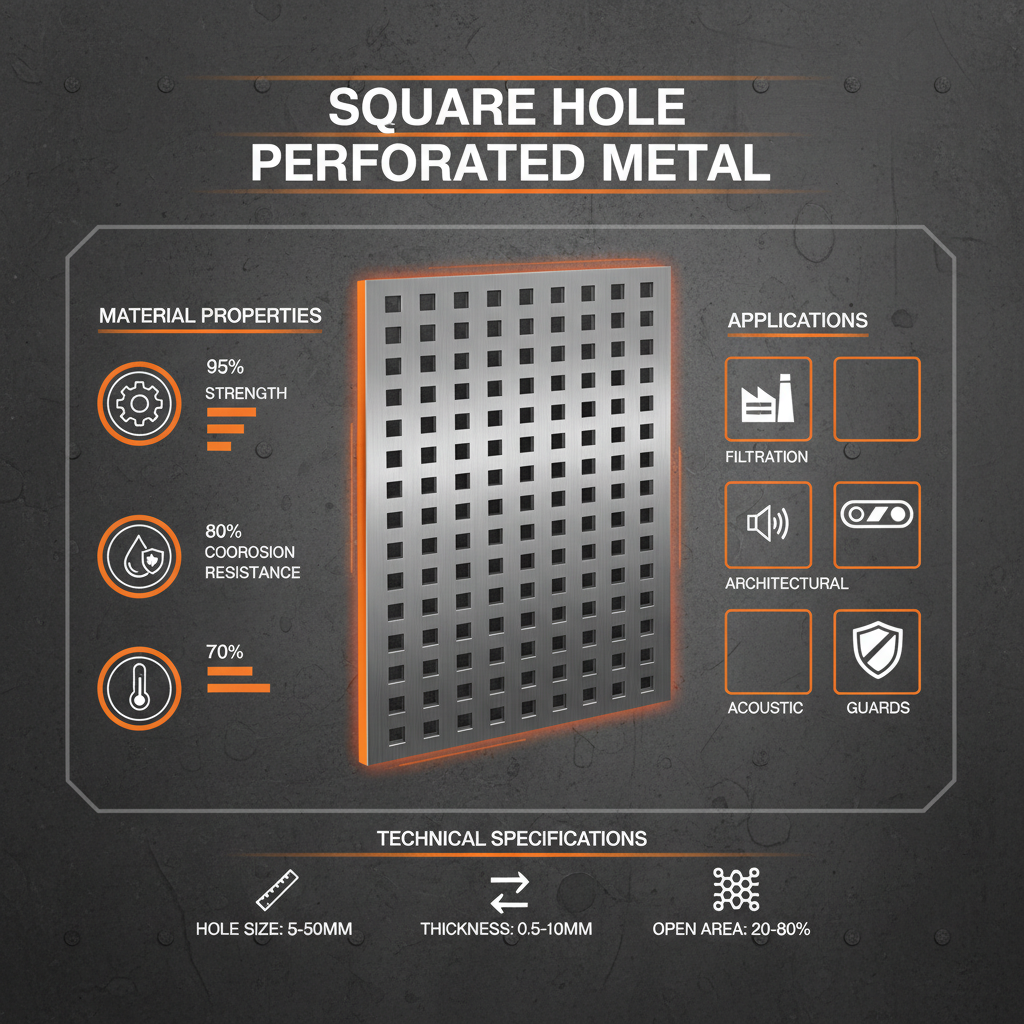
At CC Metal Mesh, we are dedicated to providing high-quality, custom-engineered perforated metal solutions. We offer a wide range of materials, hole sizes, and configurations to meet your specific needs. Our experienced team provides expert consultation, precise manufacturing, and fast turnaround times. We are committed to exceeding customer expectations with superior products and exceptional service. We cater to all order sizes, from small prototypes to large-scale production runs.
CC Metal Mesh is your trusted source for high-quality square hole perforated metal. We combine expert knowledge, advanced manufacturing techniques, and a commitment to customer satisfaction to deliver solutions that meet your exact specifications. Contact us today to discuss your project and receive a competitive quote.
We offer a wide range of materials including stainless steel (304, 316, etc.), aluminum, carbon steel, galvanized steel, and copper. The best material depends on the application's requirements. Stainless steel is ideal for corrosion resistance, aluminum for lightweight applications, and carbon steel for strength. We can also work with other specialized alloys to meet specific needs. The material selection also impacts the cost, so we provide guidance to help you choose the most cost-effective option without sacrificing performance.
Lead times vary depending on the quantity, material, and complexity of the order. For standard materials and sizes, we typically offer lead times of 1-2 weeks. Custom orders with specialized materials or intricate patterns may require 3-4 weeks. We strive to provide accurate lead time estimates during the quoting process and will keep you informed of any changes. We also offer expedited shipping options to meet urgent deadlines.
Yes, our team of experienced engineers can assist with design and engineering to ensure the perforated metal meets your exact requirements. We can help optimize hole size, spacing, and pattern to achieve desired airflow, filtration, or acoustic properties. We also offer CAD drawings and prototyping services to visualize the final product. We work closely with our clients throughout the design process to ensure complete satisfaction.
We maintain rigorous quality control procedures throughout the entire manufacturing process. This includes material inspection, dimensional checks, and visual inspections. We utilize state-of-the-art equipment and follow industry best practices to ensure consistent quality and accuracy. All products are carefully packaged to prevent damage during shipping. We are committed to providing products that meet the highest standards of performance and reliability.



![$item[alt]](https://images.exportstart.com/images/a1393/cc-7691.webp "$item[title]")