
If you’ve been hunting for a reliable custom perforated sheet, you already know the market looks crowded from the outside. Inside the factories, though, it’s pretty straightforward: tolerances, consistency, and finish quality decide everything. I’ve walked production floors where a 0.2 mm drift in punch alignment killed a whole run; on good lines, that simply doesn’t happen.
| Materials | SS304/316, Aluminum 1100/3003/5052, Mild Steel (CR), Hot-dip Galvanized |
| Thickness | ≈ 0.3–6.0 mm (real-world use may vary by pattern and tooling) |
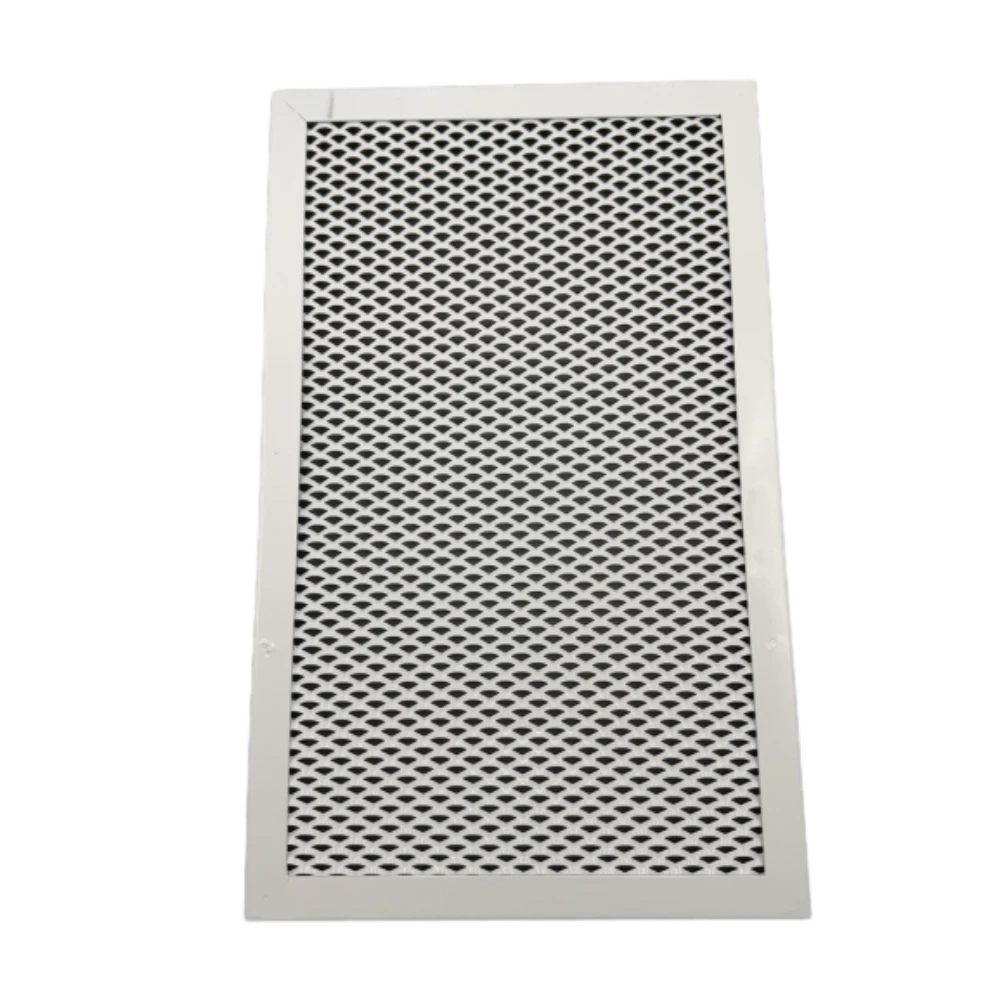
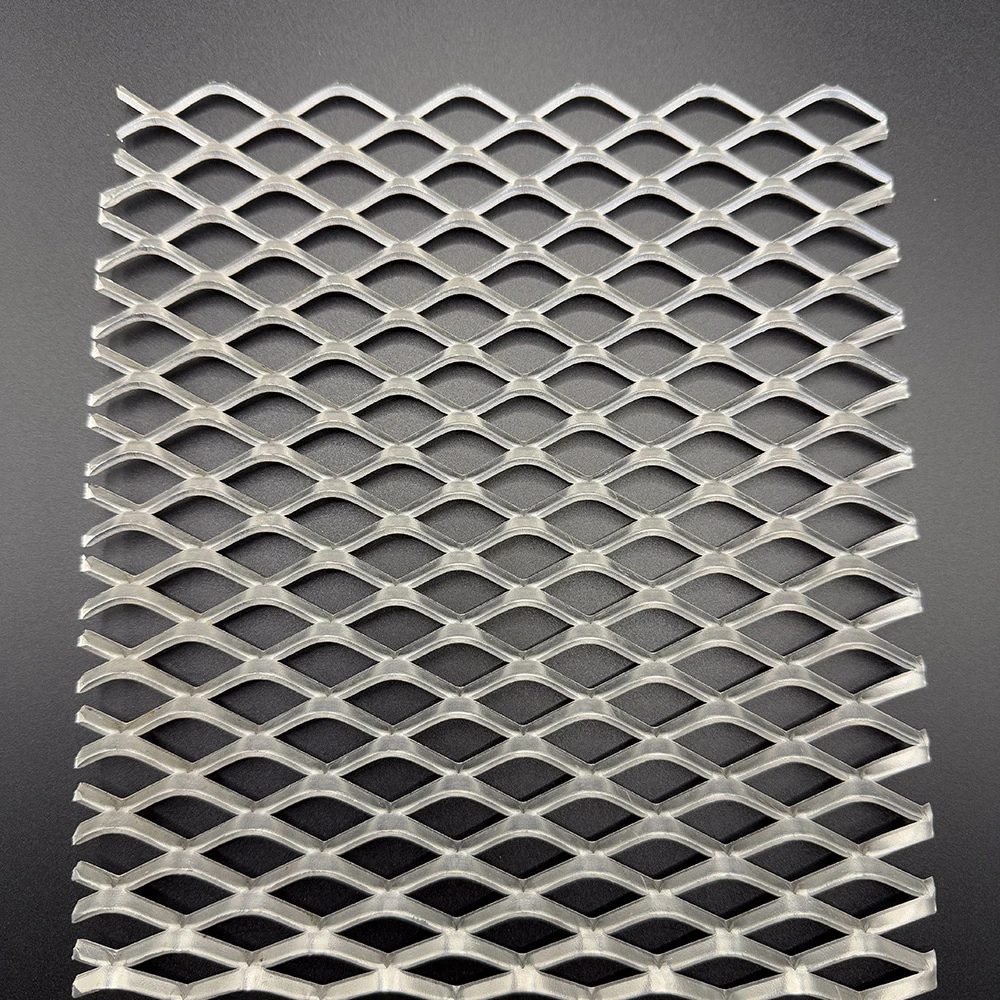
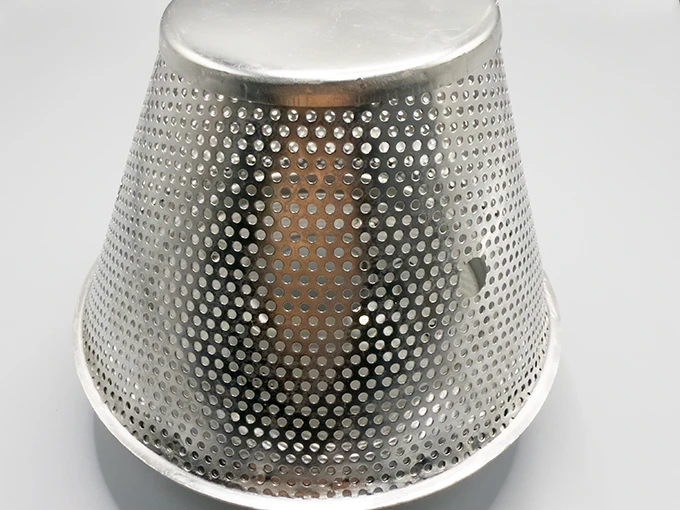
| Hole Types | Round, Square, Slotted, Hex, Decorative patterns; staggered or straight pitch (DIN 24041-like layouts) |
| Open Area | 8%–60% typical; acoustic builds: 12%–23% sweet spot |
| Sheet Size | 1000×2000 mm, 1220×2440 mm, 1250×2500 mm; custom on request |
| Finishes | Mill, Anodized (Al), Powder-Coated, Hot-Dip Galv, Passivated SS |
| Certs & Standards | ISO 9001:2015; ASTM A480 (SS), EN 10346 (galv), ISO 2768 (tolerances), ASTM B117/ISO 9227 (salt spray) |
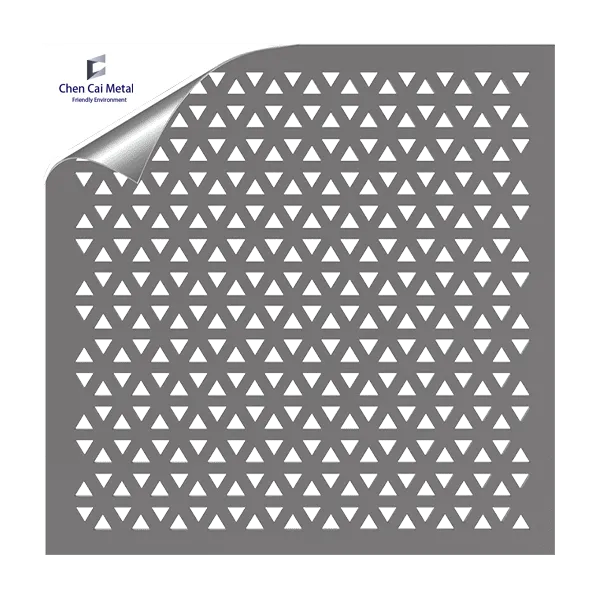
Materials are chosen (SS, Al, MS), leveled, then punched via CNC turret or fiber laser. For architectural custom perforated sheet, I prefer turret punching—repeatability is excellent. Steps: tool setup → pilot run → full run → de-burring → flattening/leveling → finish (anodize/powder/galv) → QC.
Testing: dimensional checks to ISO 2768-m, hardness (ASTM E18, steel), coating thickness (ISO 2808), salt spray where relevant (ASTM B117/ISO 9227). Typical results: powder coat 60–80 μm; HDG shows 480–720 h red-rust resistance; SS316 survives coastal cycles without red rust in lab conditions—practical life depends on cleaning cycles.
| Criteria | CC Metal Mesh (Anping, CN) | Generic Trader A | Local Fab B |
|---|---|---|---|
| Tolerances | Consistent; turret-based; ISO 9001 audited | Varies (outsourced) | Good, but limited on micro-perf |
| Lead Time | Fast for standard tools; moderate for custom punches | Unpredictable | Quick locally; capacity-limited |
| Finish Options | Powder, anodize, HDG, passivation | Depends on partner | Powder mostly |
- Coastal façade, UAE: 2.0 mm Al 5052, 18% open area, PVDF coat. Site dust was brutal; panels washed quarterly—finish still glossy after 30 months.
- Food plant guards, EU: SS304, 1.2 mm, 3 mm round on 5 mm pitch. Inspectors loved the deburr; zero glove snags reported in first year.
SS316: 15–25 yrs coastal; SS304: 10–20 yrs urban; HDG steel: 5–15 yrs; powder-coated Al: 10–20 yrs. Routine cleaning extends it—no magic here.
Origin: Hou Zhuang Industry Zone, Anping County, 053600, Hebei Province, China. Many customers say the communication is refreshingly direct; I’d agree.



![$item[alt]](https://images.exportstart.com/images/a1393/cc-7691.webp "$item[title]")