
If you draw water from a private well, you already know the stakes: sand, fines, iron flakes—one gritty rush and your impellers are toast. The Pump Guard Filter, produced in Hou Zhuang Industry Zone, Anping County, 053600, Hebei Province, China, has been making quiet waves in the trade. To be honest, I like it because it solves the boring problems (clogging and cavitation) that actually ruin pumps.
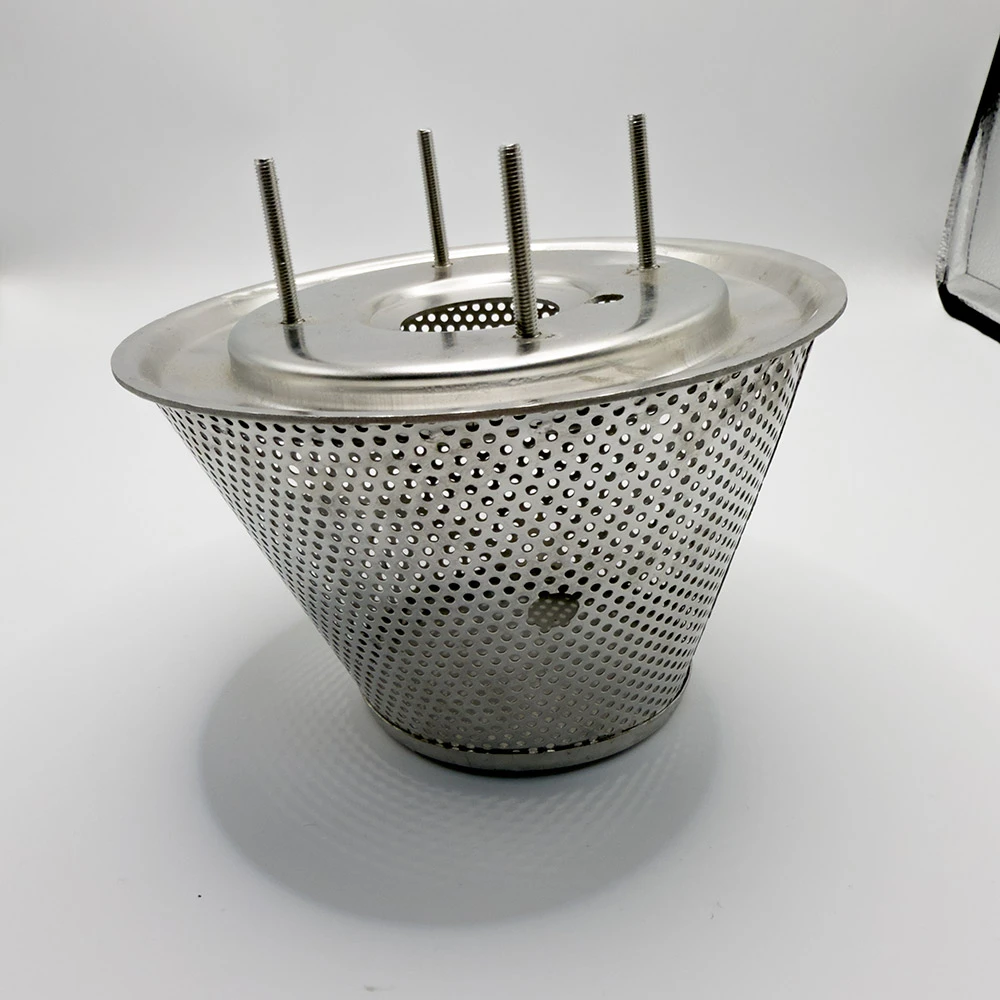
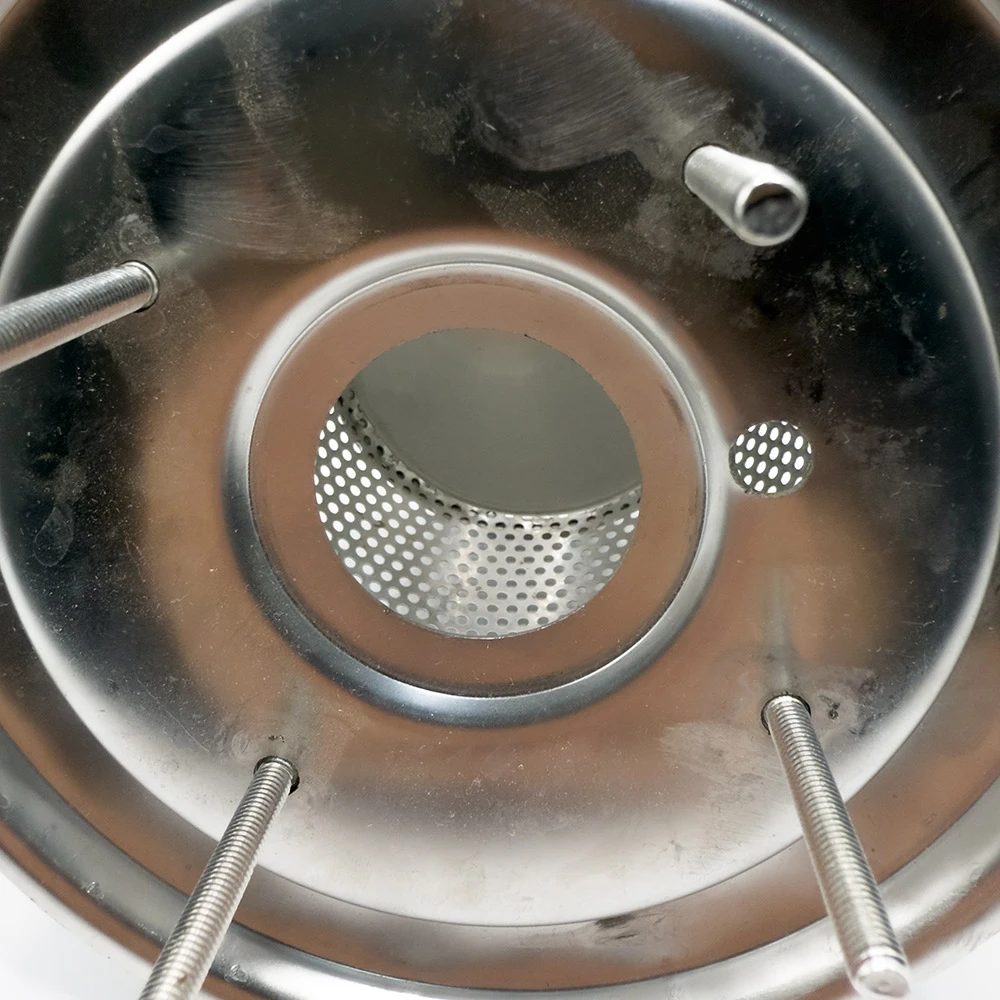
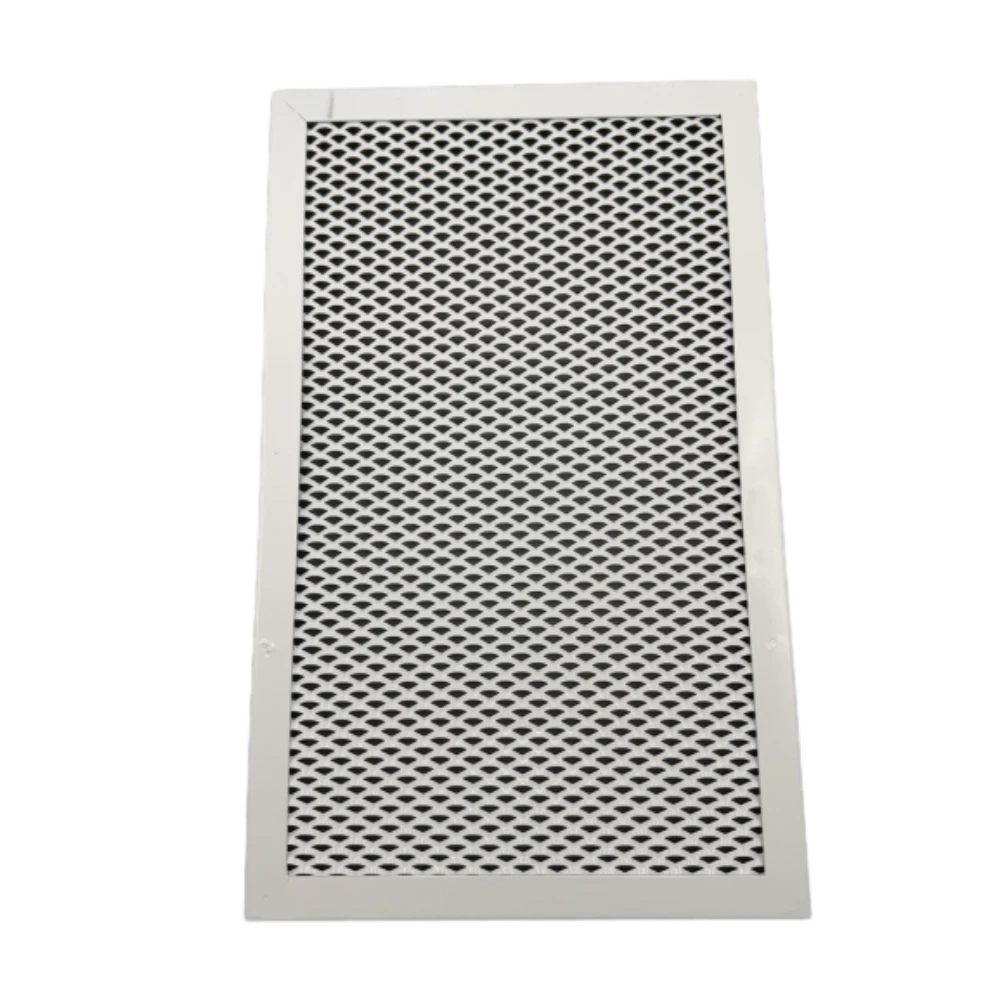
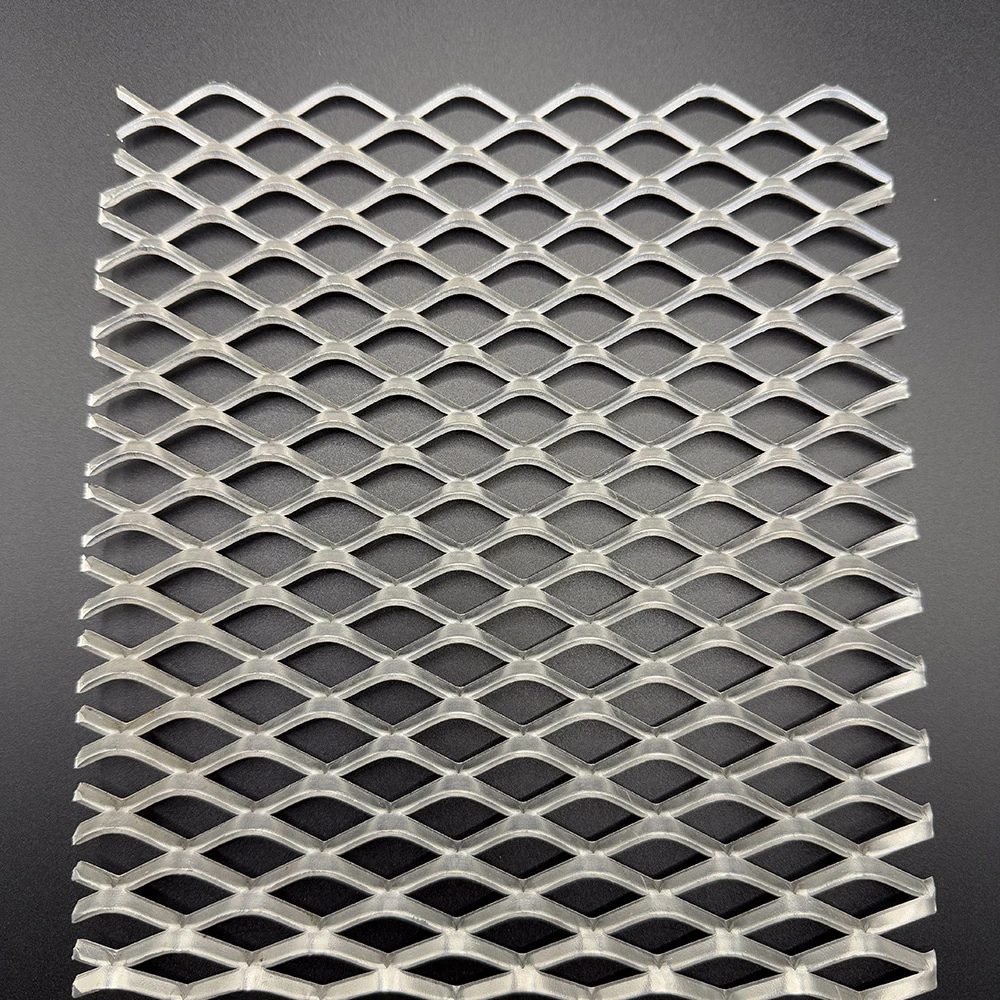
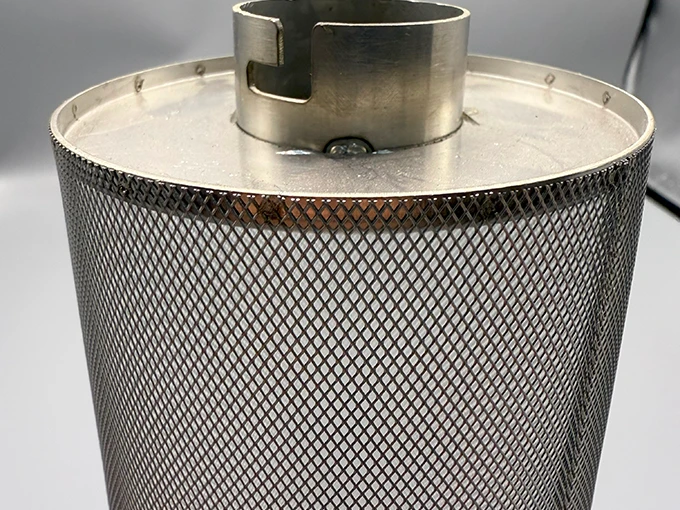
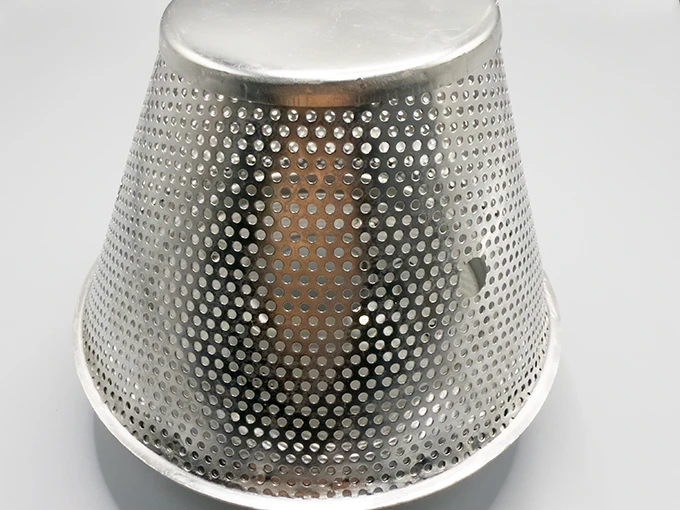
The Pump Guard Filter is a stainless assembly designed to sit upstream of the pump intake. In fact, many customers say it cut their maintenance calls in half. Here’s a condensed spec sheet—real-world use may vary:
| Material | Stainless Steel 304 / 316 (wire cloth or wedge wire) |
| Micron rating | ≈50–500 μm (custom 20–800 μm) |
| Outer diameter | ≈50–120 mm (2–5 in) to match pump intake |
| Length | ≈150–600 mm |
| Connections | Threaded NPT/BSP, clamp, or custom flange |
| Pressure/flow | Tested to ≈1.5× working pressure; flow drop ≈0.1–0.3 bar at 5–8 m³/h (ASTM F316 pore test guidance) |
| Finish | Passivated (ASTM A967) to stabilize chromium layer |
| Service life | ≈5–10 years in typical groundwater; up to 15 with 316 and proper cleaning |
| Certifications | ISO 9001 plant; NSF/ANSI 61 compatibility on request |
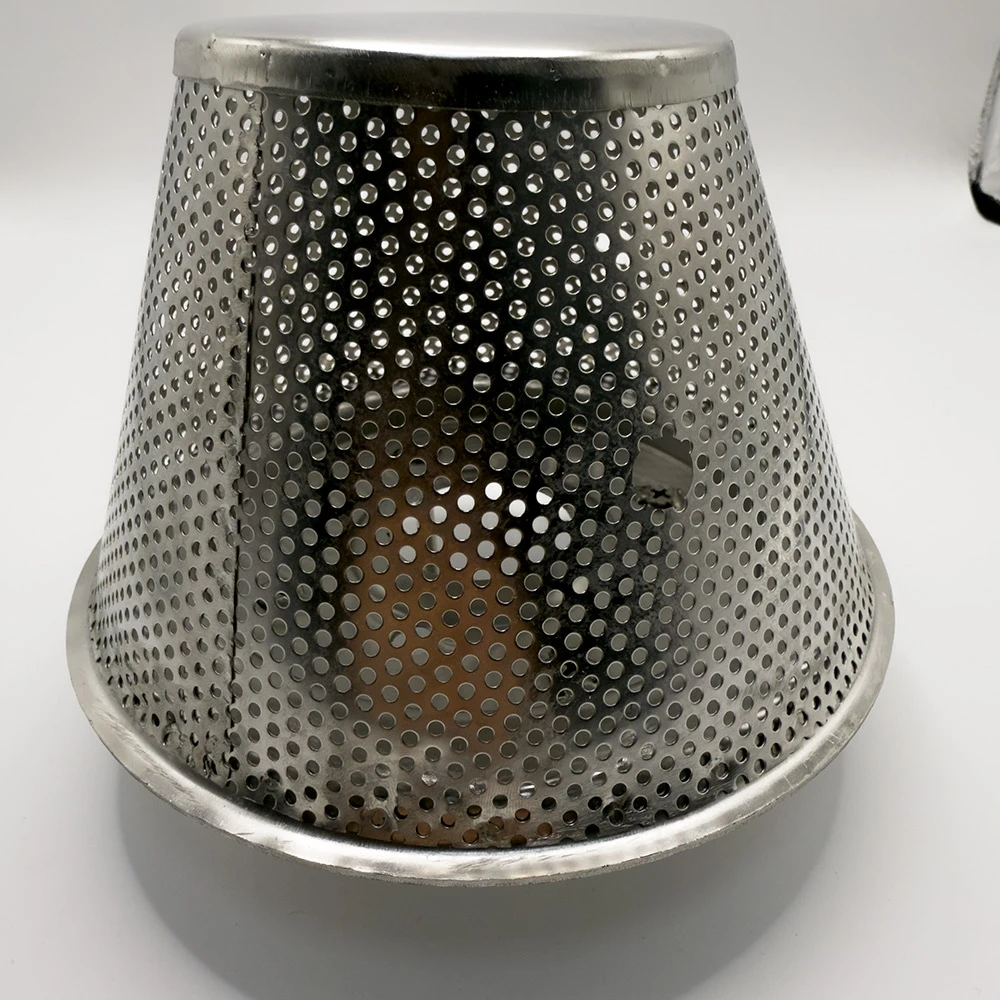
Use a well pump filter screen when you see sand in the pressure tank, frequent cartridge clogs, or wear scars on impellers. Scenarios: rural homes on 4–6 in wells, farm irrigation headers, dewatering pumps on construction sites, even small geothermal loops. Advantages: low profile, robust metal media, simple backwash (hose + bucket, five minutes tops).
| Vendor | Lead time | Customization | Certs | Typical price |
|---|---|---|---|---|
| CCMetalMesh (Pump Guard Filter) | 7–15 days | High (micron, OD, threads) | ISO 9001; NSF support | $$ |
| Generic import | 15–30 days | Medium | Varies | $ |
| Local fabricator | 3–10 days | High (one-offs) | Shop-specific | $$$ |
Indicative, around-market ranges only.
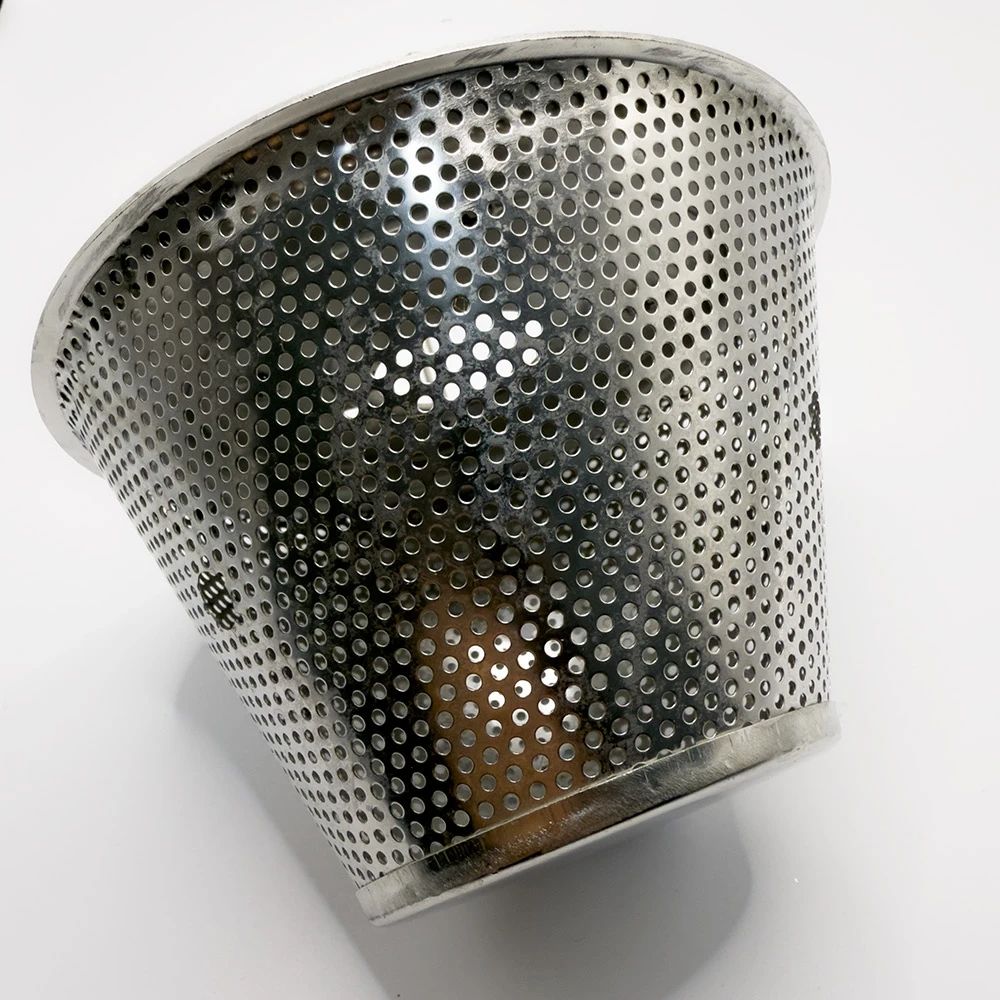
Common tweaks: 316L for high chlorides, 80 μm media for fine sands, BSP threads for legacy pumps. One farm installer told me they swapped to a well pump filter screen with wedge wire and cut silt carryover by ≈70% at the pivot. Another homeowner reported quieter starts—less air/sand mixing—after moving to 200 μm.
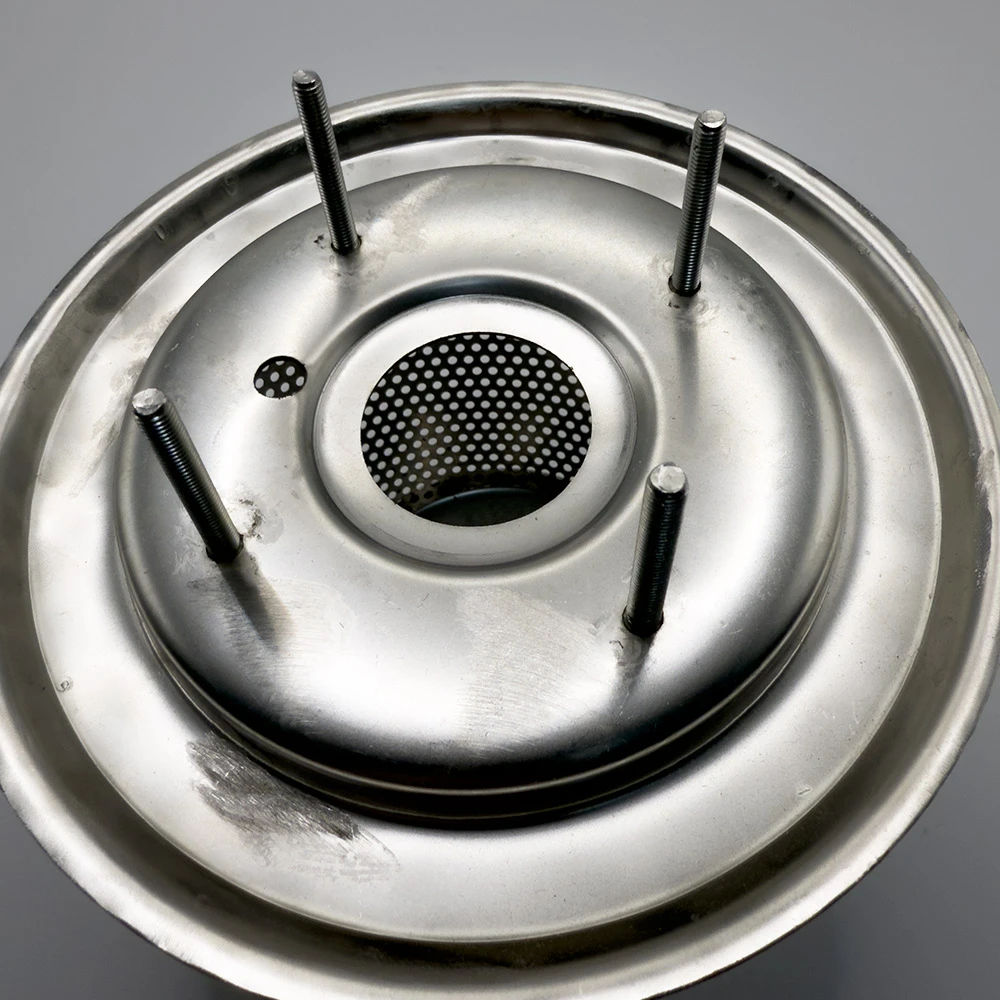
Bottom line: a robust well pump filter screen is cheap insurance. The Pump Guard Filter hits the sweet spot—durable stainless, sane lead times, and boringly reliable performance, which is what you want downhole.



![$item[alt]](https://images.exportstart.com/images/a1393/cc-7691.webp "$item[title]")