If you’ve ever come across those sturdy, mesh-like metal sheets used in everything from construction scaffolding to safety grating, you’re likely looking at some form of expanded metal. Among these, the 24 x 24 expanded metal specification stands out for its versatility and global demand. Why does it matter so much? Well, as urbanization swells and industrial applications become more sophisticated, materials that provide strength, airflow, and durability without bulk are more crucial than ever.
Expanding your understanding of such metal products isn’t just about hardware – it’s about the backbone of infrastructure, safety, and efficiency worldwide.
To appreciate the reach of 24 x 24 expanded metal, consider this: According to the World Bank, over 55% of the global population now lives in cities, driving construction, transportation, and industrial needs sky-high. Places from sprawling industrial parks in Asia to emergency housing projects in Africa require tough, lightweight, and affordable materials.
But with supply chains becoming unpredictable and sustainable solutions in high demand, how do manufacturers meet these conflicting needs? Expanded metal’s design provides unique answers – it’s about efficiency in material use, open-area for airflow, and adaptability. Plus, organizations such as the International Organization for Standardization (ISO) have helped standardize specs, making global trade easier.
One problem often overlooked is how to balance strength and openness – something that dense materials can’t deliver without weight penalties. This is exactly where 24 x 24 expanded metal plays its distinct role.
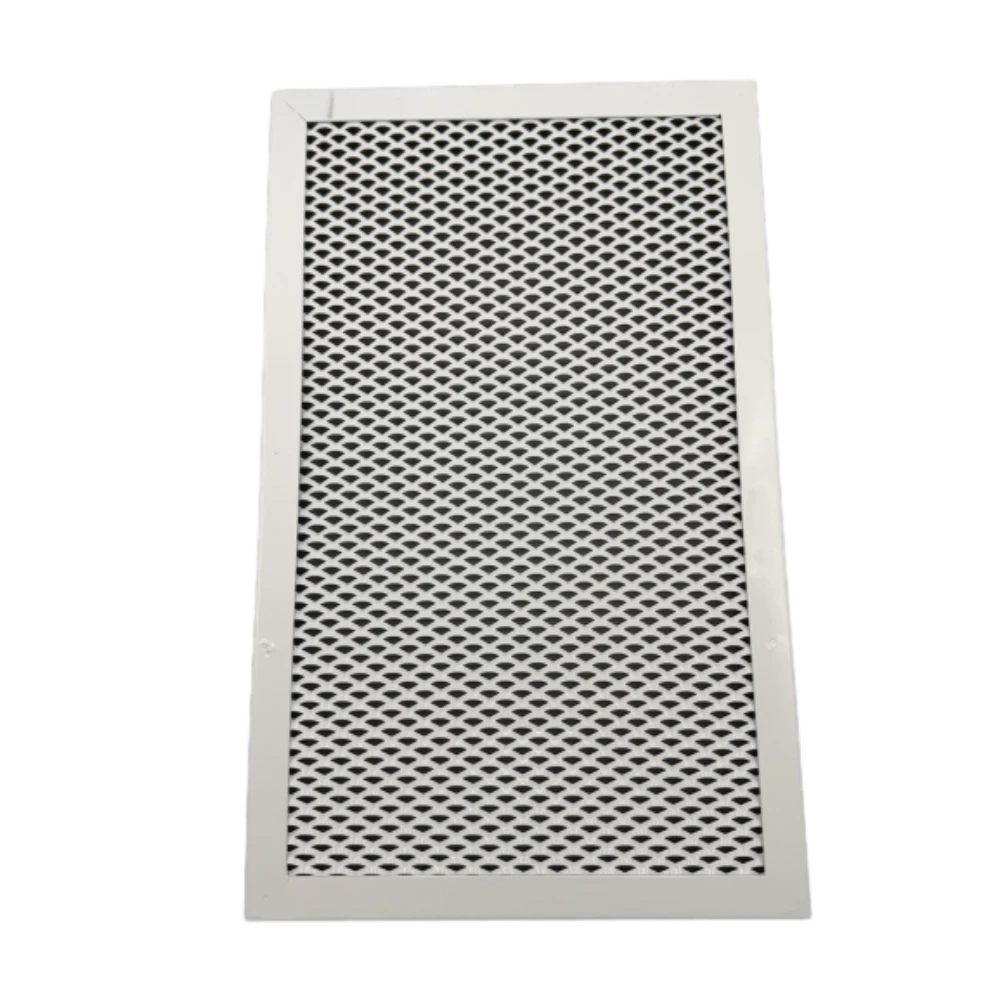
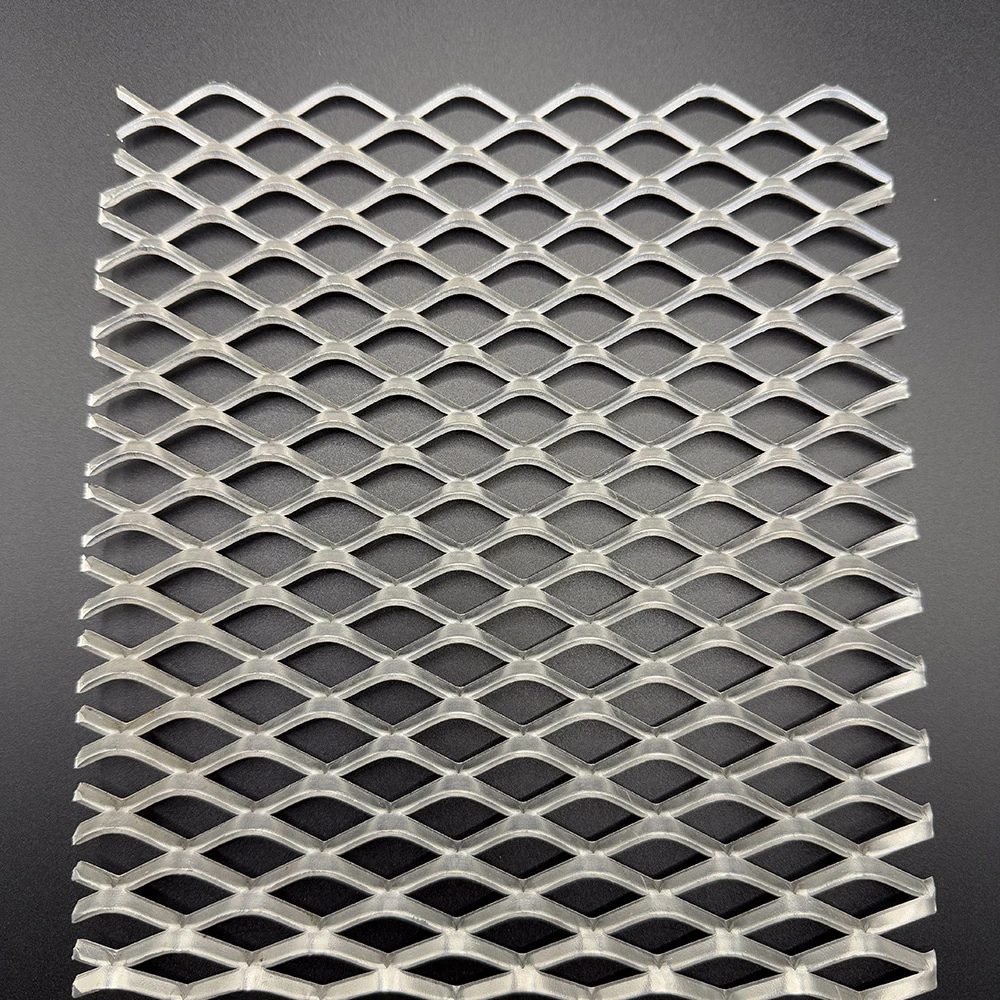
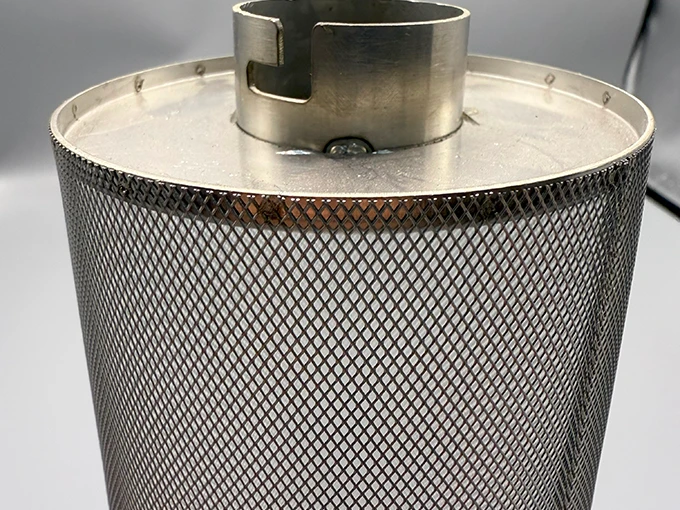
Put simply, 24 x 24 expanded metal is a metal sheet that has been cut and stretched to form diamond-shaped openings, each roughly 24 mm by 24 mm. This expansion process doesn’t use any welding or weaving – the metal is literally ‘opened up’ from a solid sheet, preserving material strength while providing permeability.
Imagine a single sheet becoming a mesh but stronger and lighter than welded wire grids. This combination is why industries, from construction and agriculture to security fencing and transportation, find it invaluable. Plus, it serves humanitarian needs for things like rapid shelter frameworks, allowing airflow and light to pass while ensuring safety.
The process of expanding metal actually strengthens it. Without any welding points (which can be weak spots), the mesh resists tearing and deformation under load. Engineers often praise how this supports long-lasting structures – it’s common in walkways, factory floors, and vehicle reinforcement panels.
Oddly enough, by opening up the solid sheet into 24x24 mm apertures, you get ventilation and a reduction in weight without compromising performance. This lightweight property simplifies transportation and installation – lowering both cost and the environmental footprint.
Depending on material choice (usually galvanized steel or stainless steel), these sheets endure humid climates, chemicals, and outdoor exposure with surprisingly low maintenance. This fits perfectly with sustainable building guidelines, as products last longer and reduce need for replacements.
Compared to perforated metal or welded meshes, expanded metal leverages raw material better while providing similar or better performance. So builders and contractors like it since it straddles the line between premium and budget options.
Not every job needs the exact size or thickness — manufacturers can customize expanded metals in various gauges and mesh sizes close to 24 x 24, accommodating different load-bearing or aesthetic needs. This versatility is a boon in rapidly changing construction sites or industrial setups.
The diversity of use cases is, frankly, astonishing. Across continents and industries you’ll find this product essential:
It’s worth pointing out that some NGOs and international bodies specify this exact product size due to its standardization and ease of procurement.
While a sheet of metal might not feel revolutionary, the advantages ripple out much further.
| Specification | Value |
|---|---|
| Mesh Size (Aperture) | 24 mm x 24 mm |
| Material | Galvanized Steel / Stainless Steel |
| Sheet Thickness | 1.5 mm – 6 mm (customizable) |
| Weight | Approx. 4.5 – 16 kg/m² depending on thickness |
| Open Area Percentage | ~40% – 50% |
| Finish Options | Hot-dip galvanized, powder-coated, polished stainless |
| Vendor | Material Quality | Customization | Price Range | Lead Time |
|---|---|---|---|---|
| CC Metal Mesh | Premium galvanized & stainless | High — gauges, finishes, sizes | Mid-range | 2–4 weeks |
| MetalWorks Inc. | Standard galvanized steel | Medium — limited finishes | Budget | 1–3 weeks |
| SteelSolutions Ltd. | Stainless steel only | Low — standard catalog items | High | 3–5 weeks |
Looking ahead, two themes dominate conversation. First, sustainability: manufacturers are exploring eco-friendly coatings and recycled metals to reduce carbon and waste. Second, digital design integration: architects and engineers use BIM (Building Information Modeling) systems to optimize mesh patterns for light, airflow, and strength, sometimes tweaking the classic 24x24 to hybrid forms.
Automation in production lines lets custom orders scale fast — so no longer are you stuck with generic sizes. Also, green energy platforms are investigating expanded metal in solar panel mounting or wind turbines, owing to its strength and ventilation.
No material is magic. Expanded metal can rust if coatings fail or face damage during transport. Some users complain about sharp edges requiring additional finishing labor.
Yet, innovations abound. Enhanced galvanizing methods and polymer coatings now boost corrosion resistance dramatically. Robot-assisted deburring reduces injury risk and speeds installation. Vendors are aware that flexible supply chains and local warehouses make a big difference – ironically, closer proximity reduces damage and costs.
In the end, understanding 24 x 24 expanded metal feels like seeing the skeleton behind many of our built environments. It’s a humble hero stretching from sophisticated industrial uses to life-saving humanitarian efforts. Durable, adaptable, and cost-efficient, this product responds to real-world pressures and, frankly, doesn’t get enough credit in everyday conversations.
If you want to explore quality options, customization, or learn how this material can fit your next project, visit our website. You might just find a surprisingly strong partner in what looks like... just a sheet of metal.



![$item[alt]](https://images.exportstart.com/images/a1393/cc-7691.webp "$item[title]")