If you’ve ever passed by a construction site or peeked behind an industrial fence, chances are you’ve seen 18 gauge expanded metal without even realizing it. This material, though seemingly simple, plays a surprisingly crucial role worldwide—from protecting infrastructures to enabling innovation in architecture and manufacturing. Its widespread use is driven by a combo of strength, lightness, and versatility. Globally, industries rely on it to solve challenges like security, ventilation, and durability, which increasingly matters as urban areas expand and supply chains demand cost-effective yet resilient materials.
Understanding expanded metal, especially the 18 gauge variety, is about more than just metal sheets with holes. It's about grasping how a traditional material adapts to modern needs while fitting into sustainability goals, economic pressures, and even humanitarian aid. So buckle up; this is going to be a bit of a ride through industry, design, and real-world application.
So, why all the fuss? Well, let’s put it in perspective. According to the International Organization for Standardization (ISO), manufacturing materials that optimize weight and strength ratios are increasingly prioritized, especially in developing economies. The World Bank reports that infrastructural materials with enhanced durability reduce maintenance costs substantially over time, freeing up resources for better living standards.
Expanded metal fits right into this narrative. Globally, as infrastructure projects and urban developments accelerate, the need for cost-efficient, durable, and lightweight materials grows. But here’s the catch: traditional sheets are heavy, expensive, and can be limiting in airflow or visibility applications. 18 gauge expanded metal offers a smart answer—strong enough but not cumbersome, easy to install but adaptable.
Think about challenges like securing remote industrial sites in sub-Saharan Africa or constructing ventilated facades in Southeast Asia’s humid climate. That’s where this metal steps in. The ability to modify hole sizes, patterns, and thicknesses means it’s more than a fence; it’s a multi-tool for structural and environmental performance.
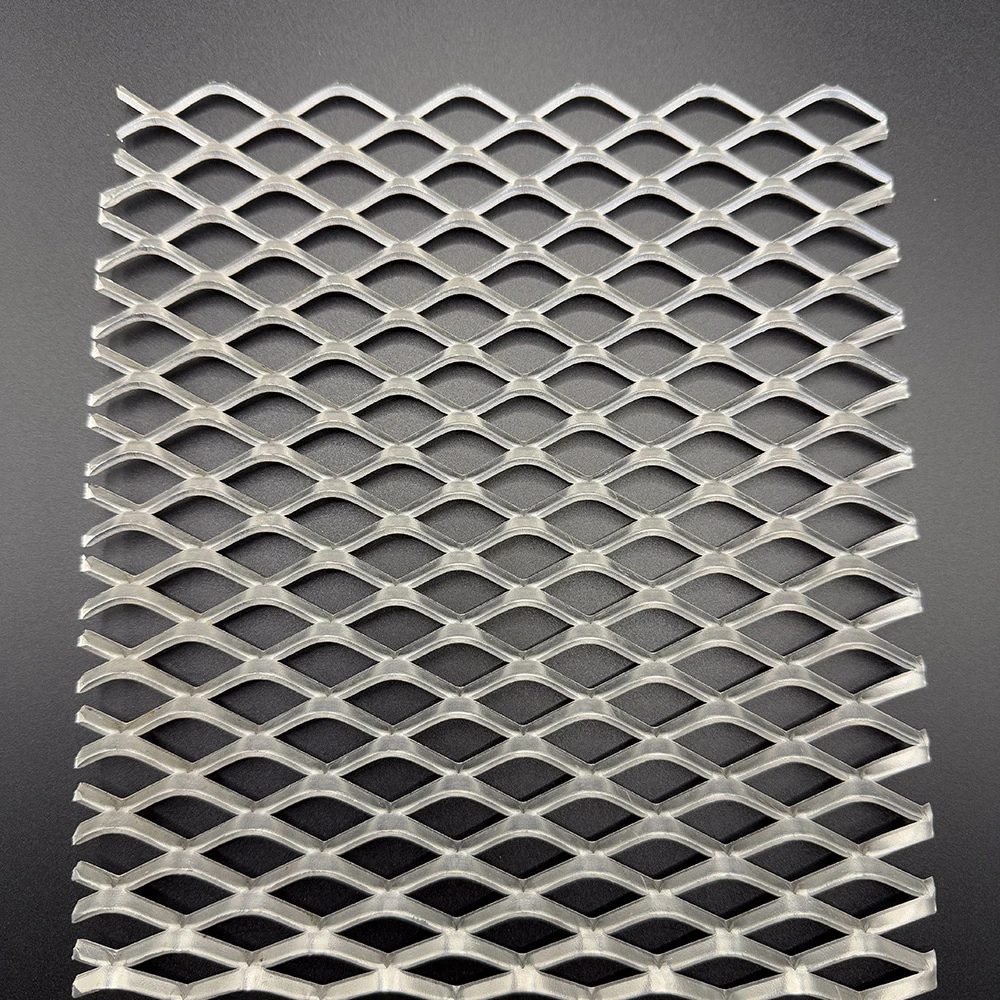
Simply put, 18 gauge expanded metal is a sheet of metal (most often steel or aluminum) that’s been simultaneously slit and stretched, creating a diamond-shaped mesh pattern. "18 gauge" refers to the metal’s thickness—about 0.0478 inches or 1.214 mm. This moderate gauge strikes a balance: thin enough to remain lightweight but thick enough for better durability and security than lighter gauges.
It sounds straightforward, but the growing popularity ties into how well it fits modern demands. For industrial users, it means less weight on frames and easier transport. For architects and designers, it’s a sustainable and visually appealing alternative to perforated panels. For humanitarian efforts—well, in some post-disaster scenarios, robust temporary fencing or shelter facades made from expanded metal prove invaluable. It’s flexible, durable, and reusable.
Manufactured mainly from steel or galvanized steel, the 18 gauge variant is known for resisting corrosion, wear, and heavy physical stresses. Many engineers point out that this thickness layer withstands daily abuse in industrial environments far better than thinner meshes.
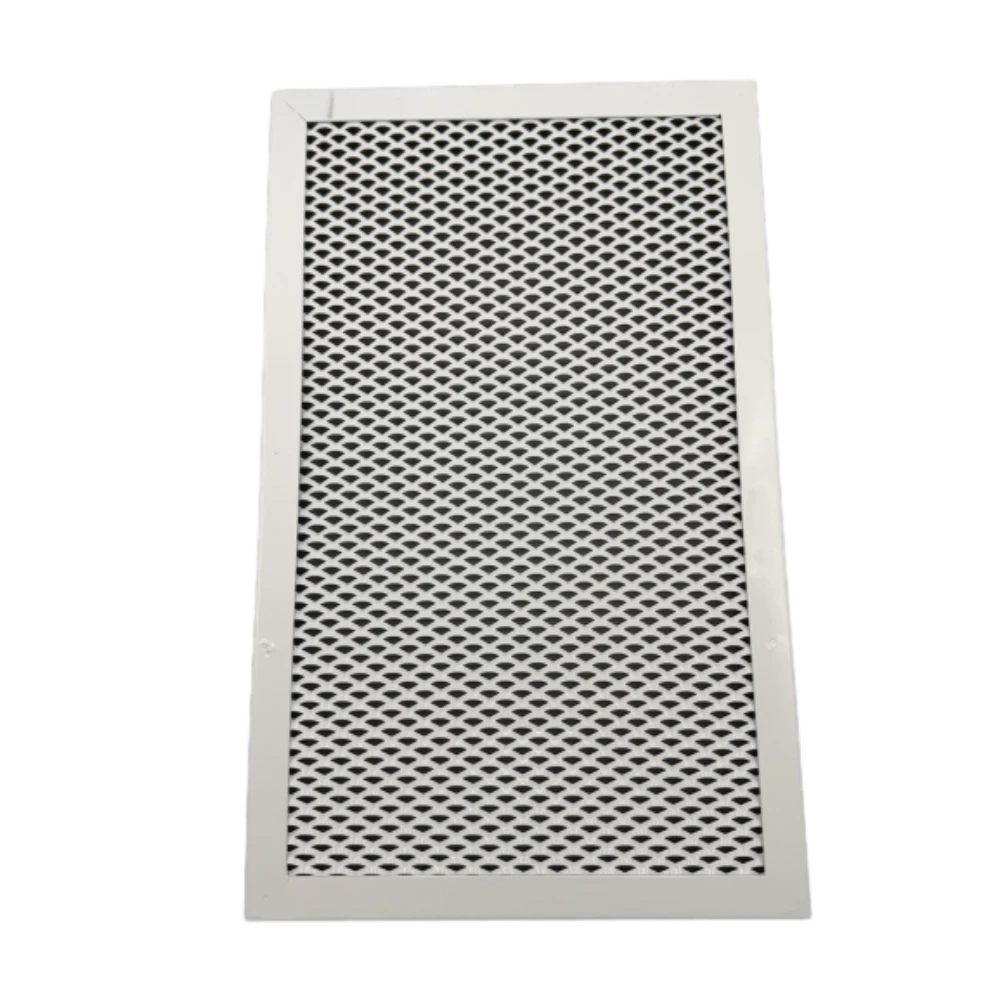
The mesh design ensures excellent air and light passage—a vital feature in HVAC systems, window guards, or machinery covering. It lets spaces breathe without compromising security.
While heavier metals burn a hole in budgets and lighter metals might underperform, 18 gauge expanded metal hits a sweet spot. It’s affordable, easy to fabricate, and often comes with minimal waste since the process uses the original metal sheet efficiently.
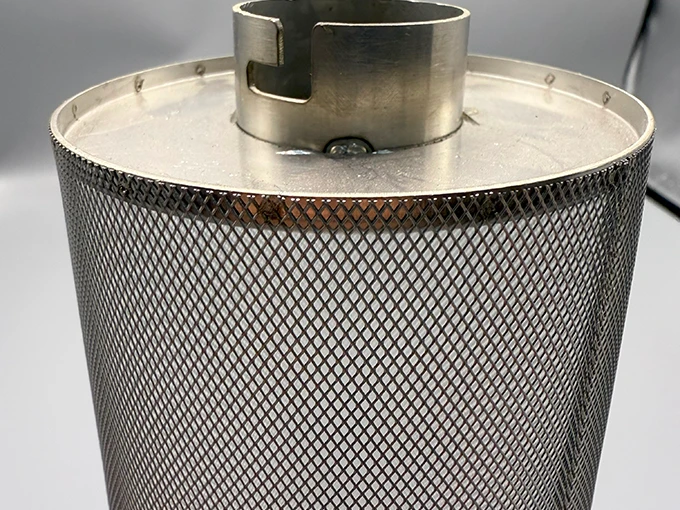
From tight diamond patterns for fine filtration to open weaves for safety fencing, customizing the mesh width or strand thickness fits hundreds of applications. This makes it ideal for both industrial and aesthetic jobs.
Many manufacturers apply eco-friendly coatings or use recycled steel, keeping the carbon footprint lower than alternatives like welded wire mesh or perforated metal sheets.
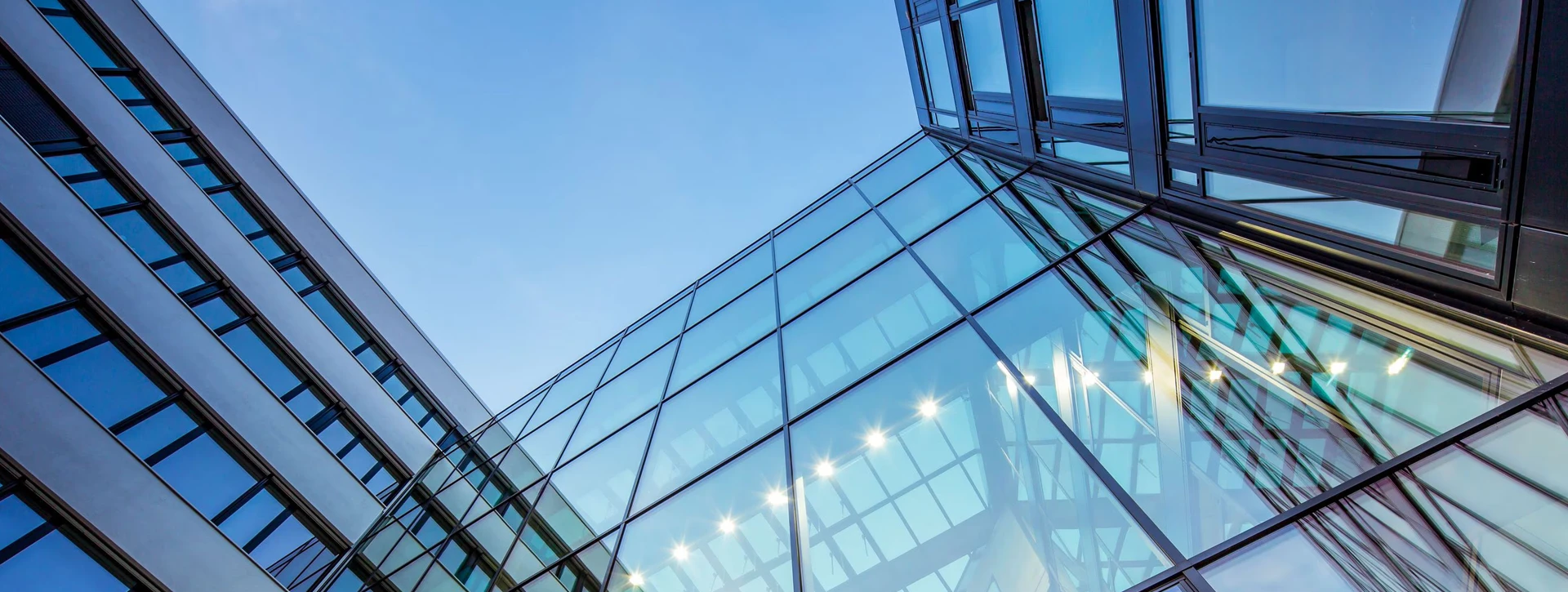
The practical roles of 18 gauge expanded metal often surprise newcomers. In Australia, for example, this metal covers machinery guards in mining operations, where robustness and ventilation are non-negotiables. In parts of Europe, it’s a staple for elegant yet functional facade panels in urban architecture.
In humanitarian circles, organizations working with disaster relief have employed panels made from this metal to create secure perimeters around temporary camps. Its lightweight nature speeds setup, and its durability guards against wildlife and intruders, bringing not just security but peace of mind.
Moreover, in the Americas’ agricultural sector, 18 gauge expanded metal is used for animal enclosures, where weather resistance and visibility are critical. Also, it frequently appears in transportation infrastructure — like walkways, stair treads, or barrier systems — where slip resistance and sturdiness count.
| Property | Value | Units |
|---|---|---|
| Gauge Thickness | 18 | Gauge / 1.21 mm |
| Material | Galvanized Steel / Aluminum | |
| Overall Sheet Size | 48" x 96" | inches |
| Mesh Opening Size | 1.5" x 0.5" | inches |
| Weight | 2.7 | lbs/sq. ft. |
| Surface Treatment | Hot-Dip Galvanized / Powder Coat |
| Vendor | Material Options | Customization | Lead Time | Price Range |
|---|---|---|---|---|
| MetalWorks Inc. | Steel, Aluminum | Hole sizes, sheet sizes | 2-3 Weeks | $$$ |
| ExpanMet Solutions | Galvanized Steel only | Standard meshes only | 1 Week | $$ |
| Innovate Mesh Co. | Steel, Aluminum, Stainless Steel | Full customization available | 3-4 Weeks | $$$$ |
Anyone who’s spent time analyzing material gains knows that value isn’t just about price per pound; it’s about what the material delivers long-term. Using 18 gauge expanded metal can slash maintenance costs thanks to its resistance to wear and corrosion—imagine not having to replace fencing or panels every few years.
Socially, using such resilient metal improves safety and helps maintain dignity in temporary shelters or secure zones. Logically, it’s an investment in trust—knowing you have a durable, reliable mesh that handles exposure to weather and abuse.
On the environmental side, the ability to recycle or repurpose metal sheets fits well with circular economy principles. Plus, lower weight means less transport fuel and carbon emissions. So there’s a lot packed into that gauge thickness.
Looking ahead, the trends are fascinating. With digital fabrication and automated cutting emerging, 18 gauge expanded metal is becoming more customizable and affordable. Integrating it into smart building systems for security and energy efficiency is also gaining ground.
Material science advances—like corrosion-resistant coatings combined with green manufacturing processes—are making this metal an eco-friendlier choice than ever. And as industries push toward greener, smarter infrastructures, expect expanded metals to appear in solar panel supports, advanced filtration systems, and even 3D-printed hybrid structures.
Despite its many perks, 18 gauge expanded metal isn’t free from challenges. For example, installation can be tricky due to sharp edges, requiring careful handling and safety gear. Some users find lead times frustrating, especially for highly customized orders.
Smart suppliers now address these issues with pre-finished edges, protective packaging, and digital ordering platforms that speed customization. Training field crews and developing modular installation kits also reduce onsite problems.
All things considered, 18 gauge expanded metal stands out as a reliable, versatile, and cost-effective solution for modern industry and infrastructure. It meets the demands of durability, airflow, safety, and even aesthetics in a way few materials can match. Its global applications—from construction to disaster relief—show it’s not just a passing trend but a proven material with a bright future.
For those looking to explore or integrate top-grade expanded metals into their projects, I’d recommend checking out trusted sources online. There’s no substitute for quality and responsiveness when it comes to materials that shape tomorrow’s infrastructure.
So next time you see a fence or panel, maybe you’ll pause and think—behind those diamond holes is a whole story of engineering, sustainability, and global utility.



![$item[alt]](https://images.exportstart.com/images/a1393/cc-7691.webp "$item[title]")