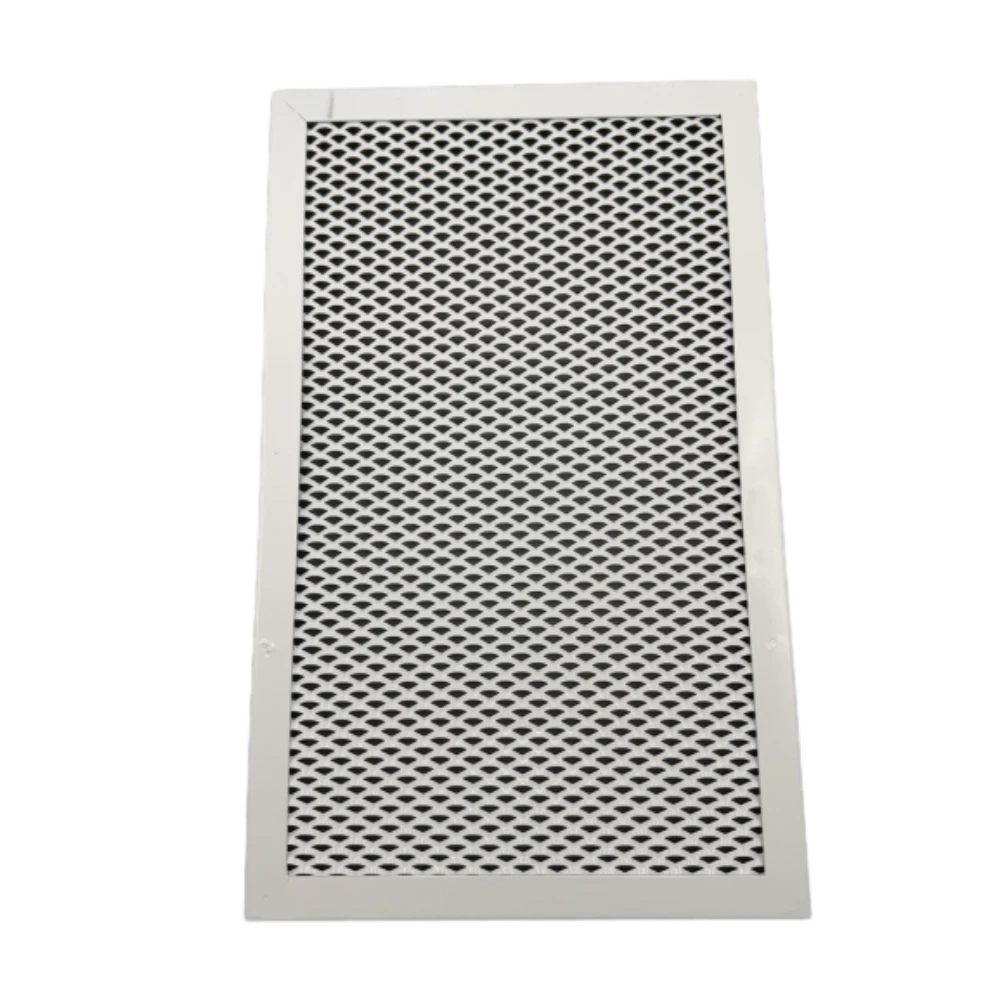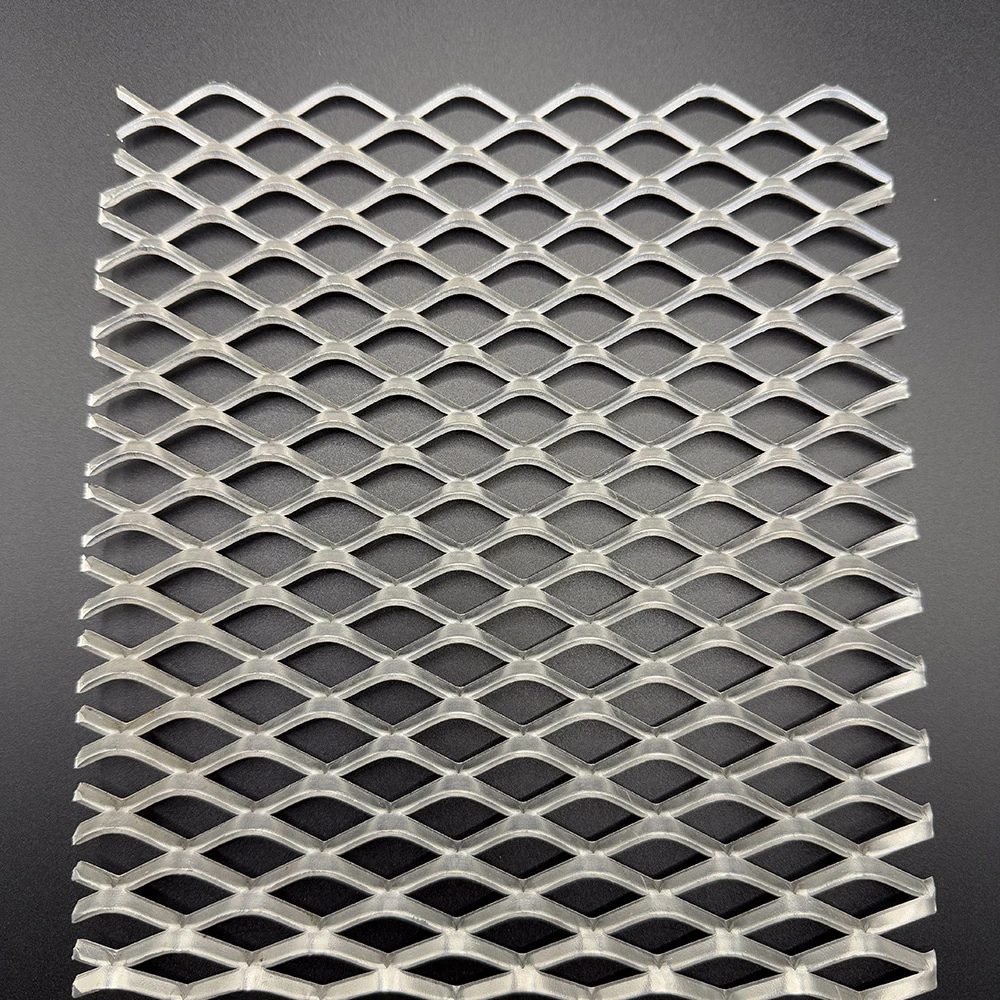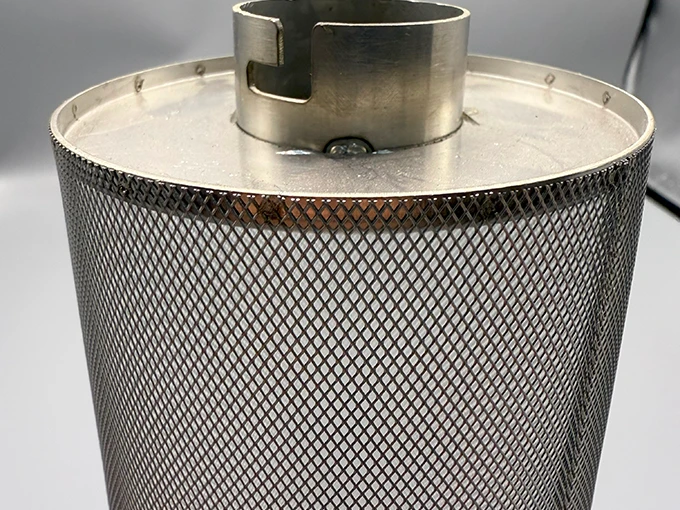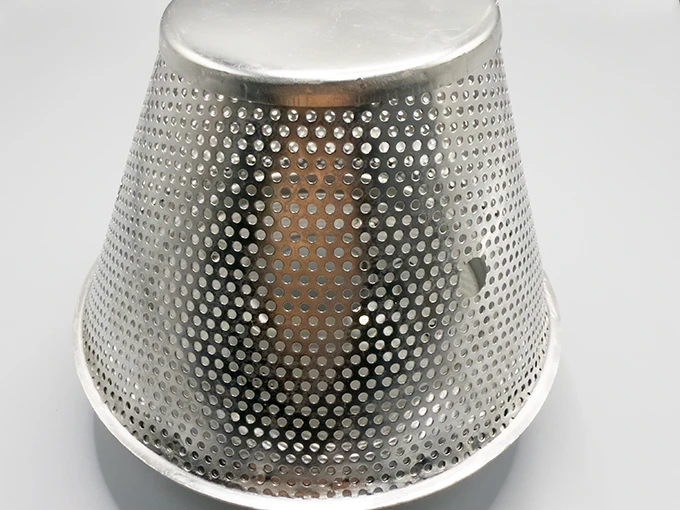
Having been around industrial equipment and construction materials for over a decade, I’ve learned that certain products just quietly do their job without fuss—but with excellence. Black perforated metal panels definitely fall into that category, though oddly enough, they're often overlooked despite their versatility. Frankly, they are one of those materials that seem simple on the surface but have a depth of application and customization that makes them invaluable if you dig a little deeper.
In industrial settings, these panels are everywhere—from soundproofing enclosures to ventilation grilles. The “black” finish serves more than just an aesthetic purpose; it enhances corrosion resistance and absorbs light, reducing glare—a small but critical detail in some machinery rooms I’ve inspected. Many engineers I know appreciate how these panels combine toughness with style, which is why they’re increasingly used in modern architectural façades and design features, too.
The material itself is usually steel or aluminum, perforated with patterned holes—round, square, or even custom shapes—to meet airflow or screening needs. In practical terms, the perforation percentage and hole size dictate both strength and air passage, which often requires balancing acts that only experienced suppliers understand well. Speaking of suppliers, black perforated metal panels from trusted vendors undergo rigorous testing to ensure durability under harsh conditions—something you want if your project is anything beyond decorative.
| Parameter | Details |
|---|---|
| Material | Cold-rolled steel or aluminum alloy |
| Thickness | 0.5 mm to 3.0 mm (customizable) |
| Hole shapes | Round, square, slotted, custom |
| Hole diameter | 0.5 mm to 25 mm |
| Perforation rate | 10% to 60% open area |
| Finished color | Matte/Gloss Black (Powder coated) |
| Panel size | Standard 4x8 ft or customizable |
I remember a project where we needed panels that combined a sleek black finish with precise ventilation specs for an industrial sound enclosure. The tricky part wasn’t just picking the right perforation but finding a supplier who could deliver consistently. Quite frankly, many don’t want to tweak their production lines for smaller custom jobs, but black perforated metal panels here made it happen with great customer service. That kind of flexibility is worth its weight in steel… pun intended.
| Supplier | Material Options | Customization Level | Lead Time | Typical Pricing |
|---|---|---|---|---|
| CC Metal Mesh | Steel, aluminum, stainless steel | High (hole size, pattern, finish) | 2-3 weeks | Moderate |
| Generic Supplier A | Steel only | Low (standard patterns only) | 1-2 weeks | Low |
| Supplier B | Steel, aluminum | Medium (limited custom sizes) | 3-4 weeks | High |
One thing industry vets often notice is how the black finish on these panels not only looks great but can extend panel life significantly—especially in outdoor or humid environments. Powder coating is the usual go-to, offering both style and protection. Over the years, I’ve seen what happens when people skip this step: rust, peeling, and in the worst cases, failure in critical equipment covers.
In conclusion, black perforated metal panels might seem straightforward but there’s something about their balance of form, function, and customization that makes them a quiet hero in so many fields. It takes a bit of expertise to get it right, and I suppose that’s why I appreciate suppliers who understand both the specs and the end use so thoroughly.
Takeaway: For those who want performance and durability with a sleek look, these panels are often the unsung workhorses you didn’t realize you needed.
References:
1. Industry standards on perforated metals, Metal Construction Assoc.
2. Customer feedback from various industrial projects, 2018-2023.
3. Powder coating durability studies, Coatings Journal, 2022.



![$item[alt]](https://images.exportstart.com/images/a1393/cc-7691.webp "$item[title]")