Rubber coated expanded metal – it’s not just a material, it’s a solution. I’ve spent the last fifteen years walking construction sites, seeing what works and, more importantly, what doesn’t. And what I've learned is that durability, safety, and smart engineering are the keys to success. This isn’t some lab-created wonder material; it's a practical response to real-world problems, providing a robust and versatile solution across a huge range of applications. It's about keeping projects on schedule, budgets in check, and, frankly, people safe.
You see a lot of materials come and go, but rubber coated expanded metal consistently delivers. From scaffolding platforms that need to withstand punishing conditions to noise barriers on highways, the combination of metal strength and rubber resilience makes it a standout choice. I've seen it used in everything from architectural facades to secure fencing, and it always stands up to the challenge. It’s about more than just raw strength; it’s about a system that can handle the stresses and strains of everyday use.
What really sets it apart is its adaptability. We’re not just talking about a single product; it’s a customizable system. You can vary the metal gauge, the rubber coating thickness, and the expanded mesh pattern to perfectly suit the application. That flexibility, combined with its inherent safety features and long-term cost effectiveness, is why it’s become a go-to material for projects I’ve been involved with for years.
The Core Attributes of rubber coated expanded metal
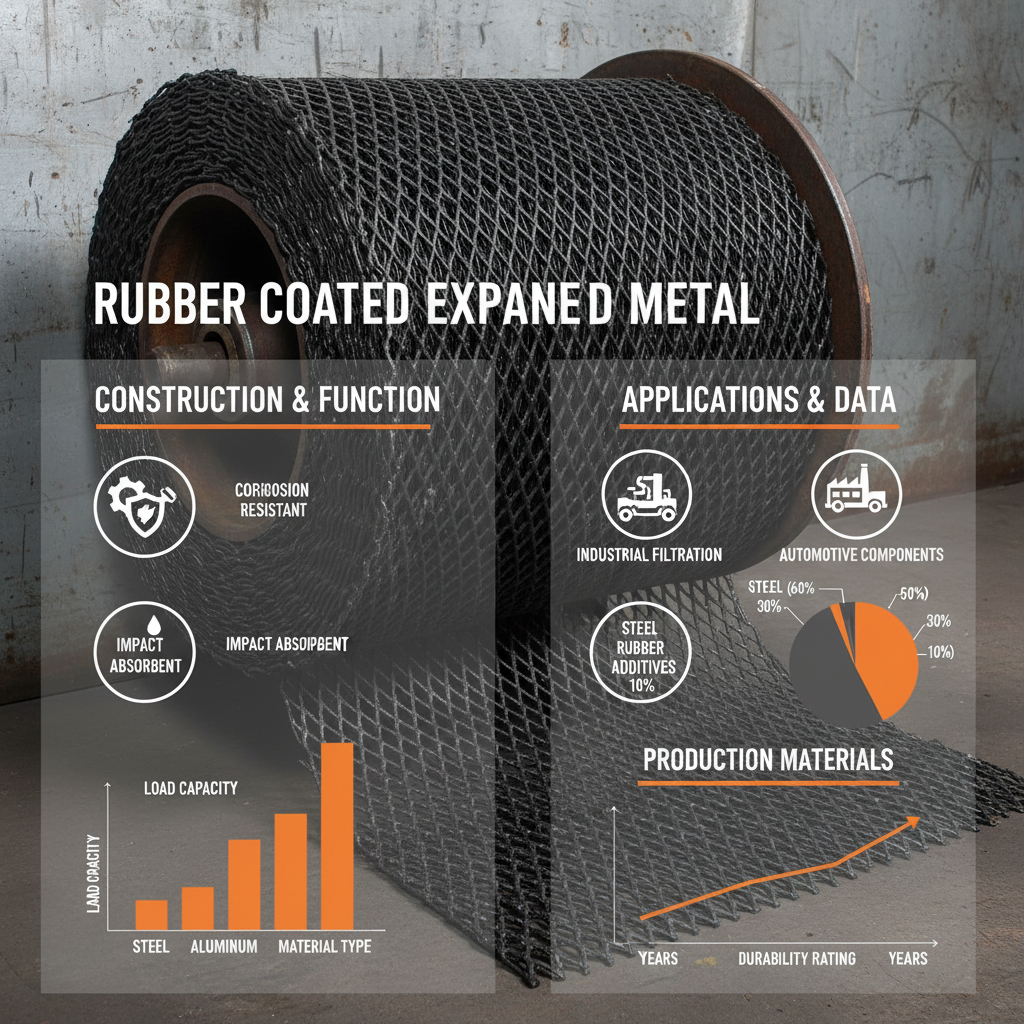
The core of rubber coated expanded metal lies in its synergy. You've got the structural integrity of expanded metal, meaning it’s strong and lightweight, offering a high strength-to-weight ratio. Then, you add the protective qualities of a rubber coating - it’s non-slip, dampens vibrations, and offers excellent corrosion resistance. It’s a simple concept, but the execution is where the real value lies. We’ve seen it outperform traditional materials in demanding environments time and again.
Think about a walkway on an oil rig. You need something that’s going to withstand constant exposure to saltwater, rough weather, and heavy foot traffic. Stainless steel alone can be slippery when wet. Rubber coated expanded metal provides that grip, that corrosion protection, and that long-lasting performance, making it the obvious choice. It’s a material built for the toughest jobs.
Global Significance and Industry Impact
Rubber coated expanded metal isn’t just important in construction; it's a global material. The UN, for example, often calls for robust and rapidly deployable infrastructure solutions for disaster relief, and this is where it really shines. We’re talking about building temporary shelters, walkways, and even helicopter landing pads quickly and efficiently. The World Bank invests heavily in infrastructure projects in developing nations, and the long-term cost savings provided by durable materials like this are crucial.
The demand for safer, more sustainable infrastructure is driving innovation in this area. ISO standards for material performance are constantly evolving, and rubber coated expanded metal consistently meets and exceeds those requirements. The need for noise reduction along highways and railways is also a major driver. It's about mitigating the impact of infrastructure on surrounding communities and creating a better quality of life.
What’s important to understand is that this isn't just a trend; it's a necessary shift. We need materials that can do more with less, that are built to last, and that minimize environmental impact. Rubber coated expanded metal addresses all of those concerns.
Defining rubber coated expanded metal: A Practical Overview
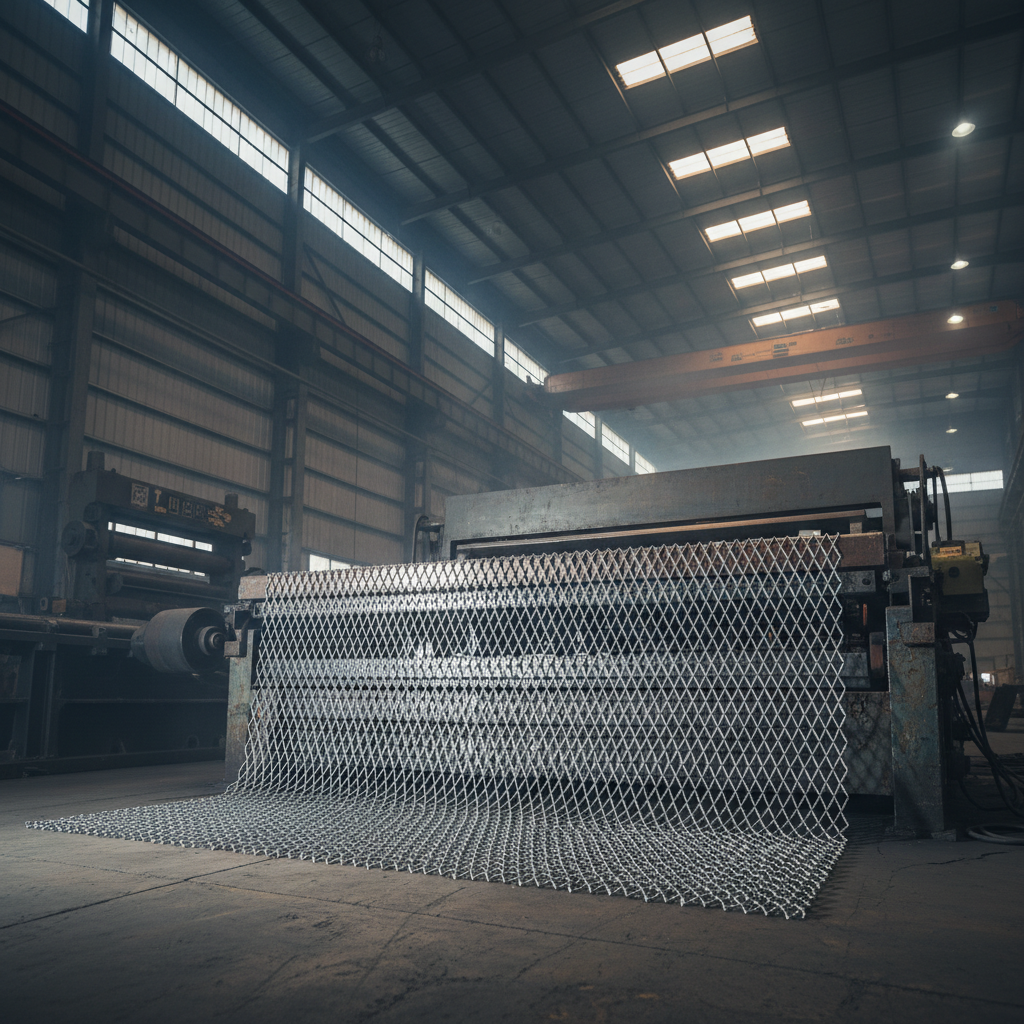
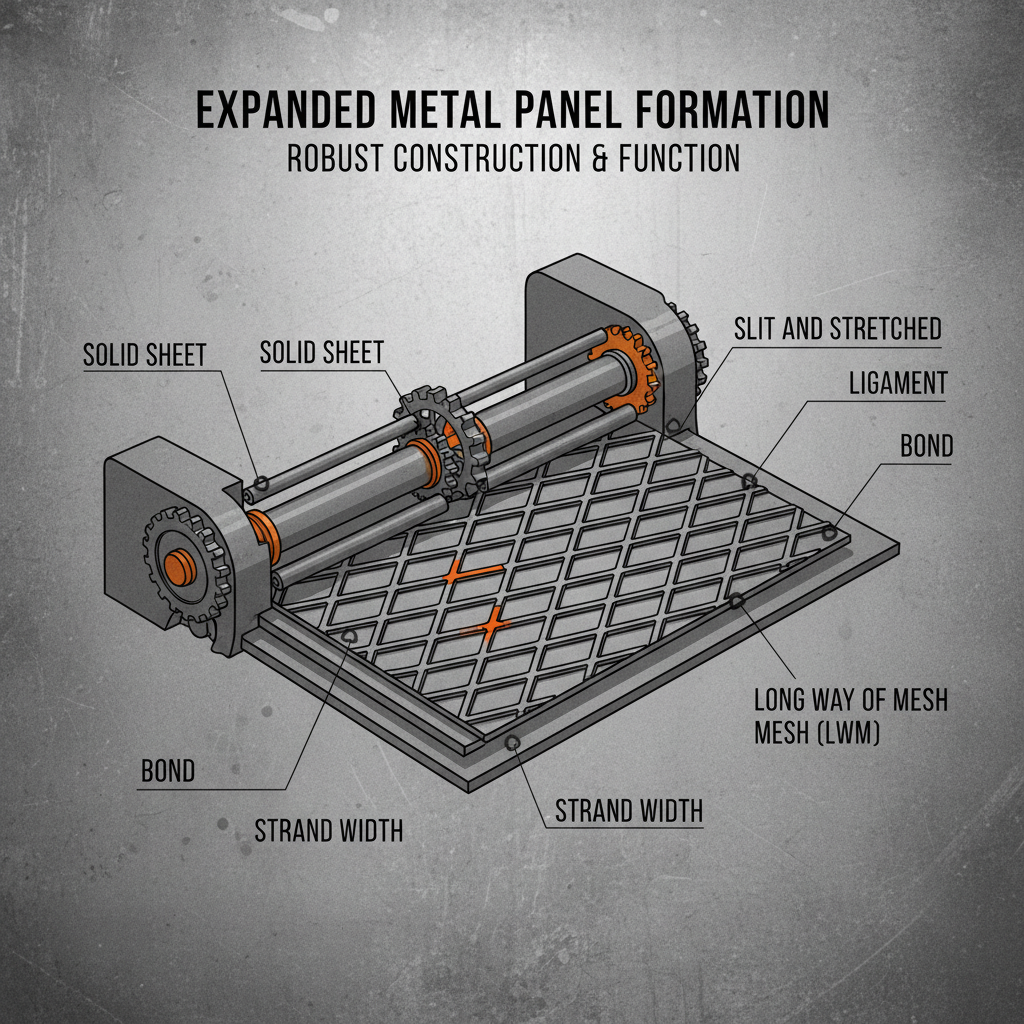
Simply put, rubber coated expanded metal is created by taking a sheet of metal—usually steel or aluminum—and slitting it, then stretching it to create an open, diamond-shaped mesh. This mesh is then coated with a layer of rubber, typically EPDM, neoprene, or SBR, depending on the specific application. The process creates a material that's both strong and provides excellent grip and cushioning.
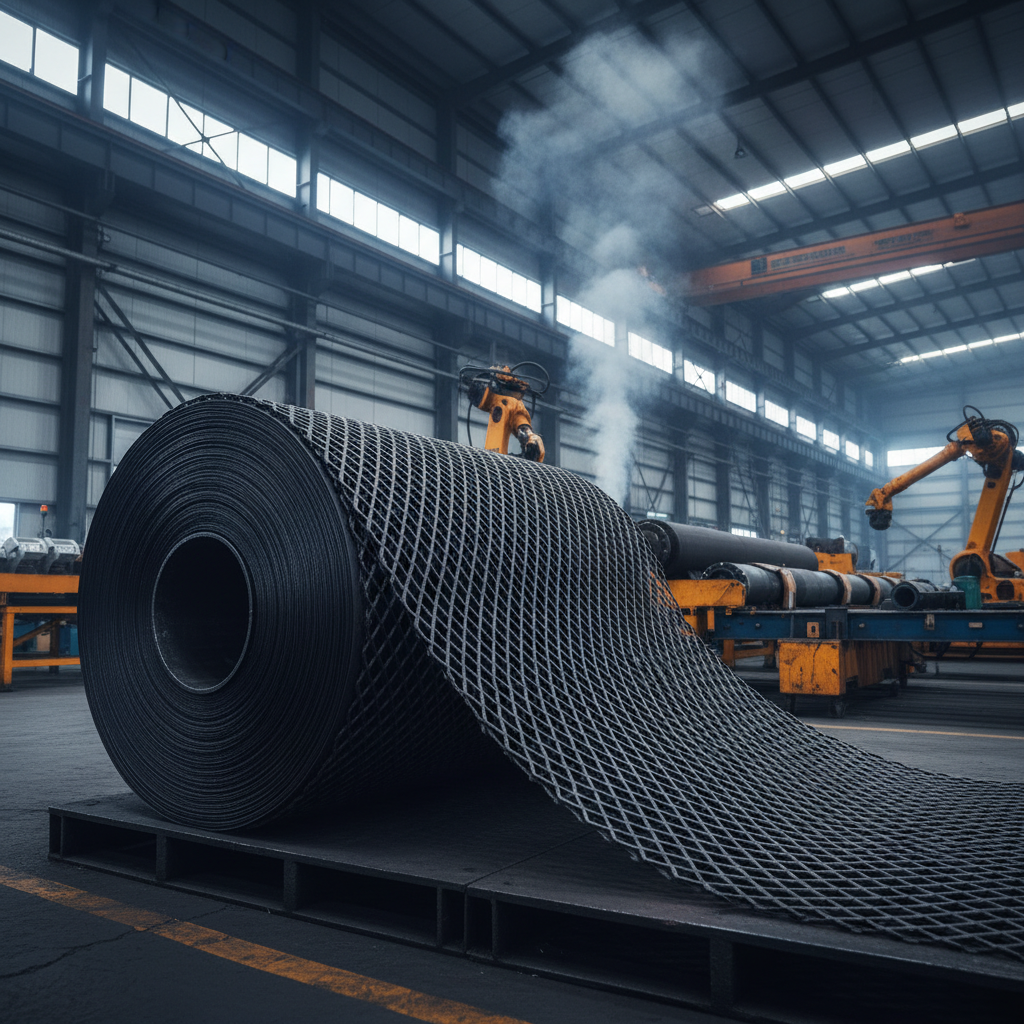
It’s a fascinating process to watch in a fabrication shop. The metal is strategically cut and stretched without actually breaking, creating a very stable and durable structure. The rubber coating isn’t just painted on; it’s bonded to the metal, creating a permanent, protective layer. That bonding process is critical to the material’s performance.
Its connection to modern industry is significant because it provides a versatile solution to a wide range of challenges. From industrial safety to architectural aesthetics, it's a material that's adaptable and reliable. It’s not just about replacing existing materials; it’s about opening up new possibilities.
Key Factors Driving Performance
There are several key factors that contribute to the exceptional performance of rubber coated expanded metal. First, Durability is paramount. The metal provides structural strength, while the rubber protects against corrosion, UV damage, and physical impacts. Second, Safety is built-in with the non-slip surface. It’s a crucial feature in any application where workers or the public are at risk of falls.
Then you have Cost-Effectiveness. While the initial cost may be slightly higher than some alternatives, the long lifespan and reduced maintenance requirements translate to significant savings over time. Versatility is huge; it can be fabricated into a variety of shapes and sizes to meet specific project needs. Finally, Environmental Resistance means it can hold up in harsh climates – from scorching deserts to freezing arctic conditions.
Performance Metrics of Different rubber coated expanded metal Methods
Real-World Applications & Global Use Cases
I've seen rubber coated expanded metal used in everything from offshore oil platforms in the North Sea to pedestrian walkways in bustling city centers. In post-disaster relief operations, it’s invaluable for creating temporary access routes and safe walkways. It’s a critical component of many modern airport designs, used for runway edge lights and safety walkways.
In remote industrial zones like the Australian outback, where materials need to withstand extreme conditions and require minimal maintenance, it’s the go-to choice for grating and flooring. Across Europe, it’s commonly used for noise barriers along highways and railways, reducing noise pollution for nearby communities. The versatility really shines through.
Long-Term Benefits & Sustainable Value
The tangible benefits are clear: reduced maintenance costs, a longer lifespan compared to traditional materials, and improved safety for workers and the public. But it goes beyond that. There’s a real sustainability aspect to using a durable material that requires less frequent replacement. It minimizes waste and reduces the overall environmental footprint of a project.
From a social impact perspective, the improved safety features contribute to a more secure work environment. From a business standpoint, the reliability of the material fosters trust and reduces the risk of costly delays or repairs. It’s a material that builds confidence.
Future Trends & Emerging Innovations
We’re starting to see some really exciting developments. Researchers are exploring new rubber compounds that offer even greater resistance to extreme temperatures and chemicals. There’s a growing trend towards incorporating recycled materials into both the metal and rubber components, further enhancing the sustainability profile.
Digital fabrication techniques, like laser cutting and waterjet cutting, are allowing for more complex and customized designs. And with the rise of smart infrastructure, we’re seeing the integration of sensors into rubber coated expanded metal structures to monitor stress levels and predict maintenance needs. It's all about building smarter, more resilient infrastructure.
Automation in the manufacturing process will also likely drive down costs and improve consistency. The future is about leveraging technology to optimize performance and expand the applications of this already versatile material.
Summary of Challenges and Solutions in rubber coated expanded metal Implementation
| Challenge |
Impact on Project |
Proposed Solution |
Implementation Cost |
| Initial Material Cost |
Can strain project budgets. |
Life-cycle cost analysis demonstrating long-term savings. |
Low (analysis cost) |
| Rubber Degradation in Harsh UV |
Reduced lifespan, increased maintenance. |
Using UV-resistant rubber compounds (EPDM). |
Medium (compound upgrade) |
| Difficult Fabrication for Complex Shapes |
Limits design flexibility. |
Employing CNC cutting and forming technologies. |
High (equipment investment) |
| Bonding Failure Between Metal and Rubber |
Compromised performance and safety. |
Strict quality control during bonding process. |
Low (process improvement) |
| Supply Chain Disruptions |
Project delays and cost increases. |
Diversifying suppliers and building buffer stock. |
Medium (inventory and sourcing costs) |
| Lack of Standardized Installation Procedures |
Inconsistent performance and potential safety hazards. |
Developing and disseminating best practice installation guides. |
Low (documentation and training) |
FAQS
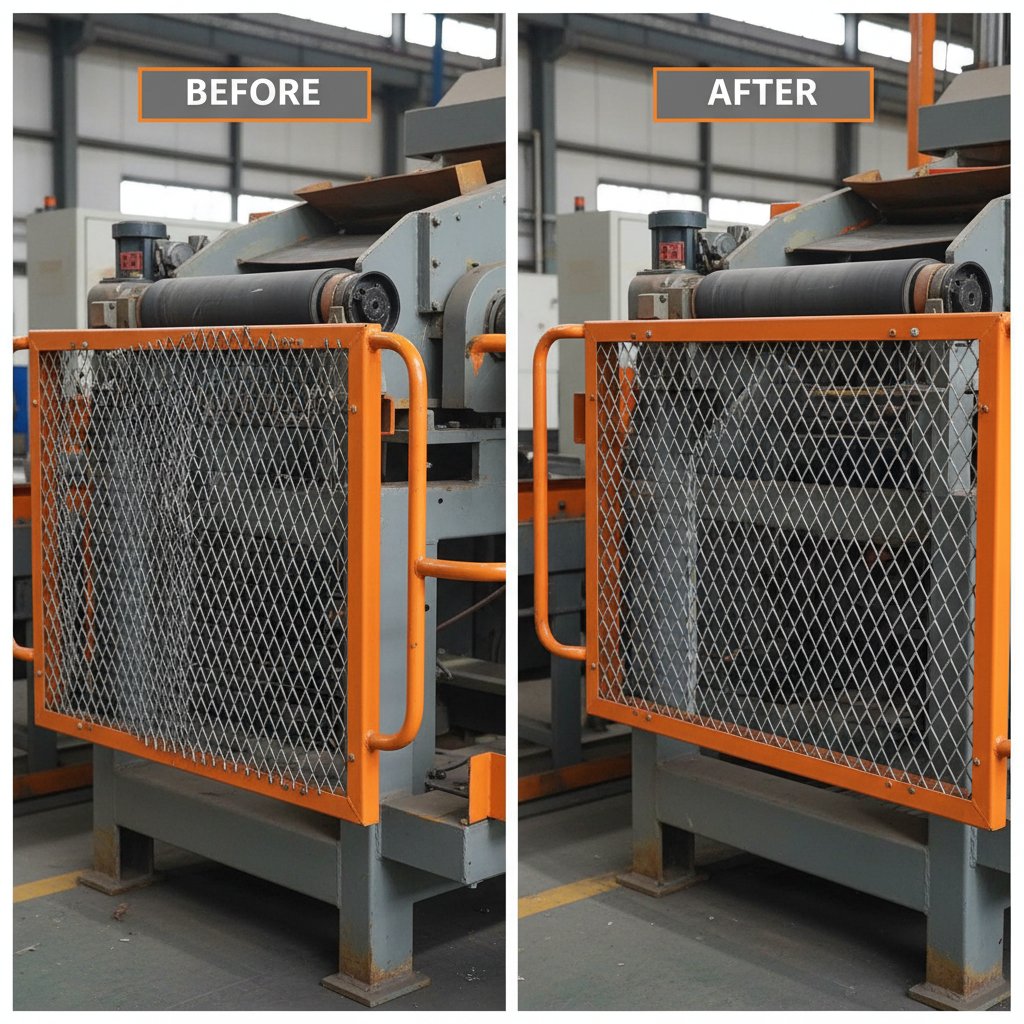
Rubber coated expanded metal excels in industrial settings where safety, durability, and noise reduction are critical. It's widely used for walkways, stair treads, platforms, gratings, and machine guards. The non-slip surface significantly reduces the risk of accidents, while the corrosion resistance ensures a long lifespan in harsh environments. It's also excellent for noise dampening in factories and around heavy machinery, improving worker comfort and safety.
Compared to fiberglass, rubber coated expanded metal offers superior structural strength and impact resistance. While fiberglass is lightweight, it can be brittle. Plain steel, while strong, can be slippery and prone to corrosion. Rubber coated expanded metal provides the best of both worlds – high strength, excellent grip, and robust corrosion protection. The added benefit of noise reduction is another significant advantage over steel.
The lifespan of rubber coated expanded metal can exceed 20 years, depending on the environment and level of use. With proper installation and minimal maintenance, it can provide decades of reliable service. Routine inspections are recommended to check for any damage to the rubber coating. Periodic cleaning with mild soap and water will help maintain the non-slip surface and extend its lifespan.
Yes, rubber coated expanded metal is well-suited for outdoor use in extreme weather conditions, provided the appropriate rubber compound is selected. EPDM rubber offers excellent resistance to UV radiation, ozone, and temperature extremes. Neoprene provides superior resistance to oil and chemicals. The metal substrate itself is also designed to withstand harsh environmental conditions, making it a durable and reliable choice for outdoor applications.
Common rubber coating options include EPDM, neoprene, and SBR. EPDM offers excellent UV resistance and is ideal for outdoor applications. Neoprene provides superior resistance to oil, chemicals, and abrasion. SBR is a more cost-effective option suitable for less demanding environments. The choice of rubber compound depends on the specific application requirements and the expected environmental conditions.
Proper installation is crucial for maximizing the lifespan and performance of rubber coated expanded metal. Ensure the substrate is clean, dry, and free of sharp edges. Use appropriate fasteners that are compatible with both the metal and the rubber coating. Follow the manufacturer's recommendations for spacing and torque. Proper drainage should also be considered to prevent water accumulation and potential corrosion.
Conclusion
Rubber coated expanded metal isn’t just a material; it’s a comprehensive solution addressing critical needs across a diverse range of industries. Its combination of strength, safety, durability, and cost-effectiveness makes it a standout choice for any project demanding long-term performance and reliability. It consistently delivers on its promises, reducing maintenance, enhancing safety, and contributing to a more sustainable future.
Looking ahead, ongoing innovation in rubber compounds, fabrication techniques, and smart infrastructure integration will only expand the possibilities for this versatile material. If you're serious about building robust, safe, and sustainable infrastructure, consider rubber coated expanded metal. Visit our website at www.ccmetalmesh.com to learn more about how we can help you with your next project.