Look, I've spent the last fifteen years walking steel toes across job sites, breathing concrete dust, and talking shop with the folks actually building things. And let me tell you, when it comes to versatile, reliable materials, expanded mesh sheets consistently deliver. They're not glamorous, they won’t win any design awards, but they’re the workhorse that keeps projects moving, from reinforcing structures to providing safety barriers. It's about functionality, longevity, and getting the job done right – and that's where expanded metal shines.
We're facing a global construction boom, but also increasingly stringent safety regulations and a need for more sustainable practices. Traditional materials often fall short in one area or another. Expanded mesh sheets offer a compelling solution, providing strength and durability while often requiring less material than solid alternatives. Think about the impact on material costs, transport, and overall project timelines.
What I've seen firsthand is a growing demand for materials that are adaptable and can solve multiple problems on-site. These aren’t just for fancy facades anymore; they're integral to infrastructure, security, and even temporary solutions during critical construction phases. It's a material that’s quietly becoming indispensable, and understanding its applications is critical for anyone in this industry.
The Practicality of expanded mesh sheets
Let’s be straight: I don't get excited about fancy materials. I care about whether something will hold up under pressure, how easy it is to work with, and if it's going to save us time and money. Expanded mesh sheets consistently checks those boxes. It’s incredibly versatile. You can cut it, bend it, weld it – it plays well with other materials.
What I also appreciate is its inherent openness. That's not just about reducing weight; it's about allowing airflow, visibility, and drainage. Simple things that make a huge difference on a busy job site. It’s a material that's genuinely designed for the realities of construction, not just the blueprints.
Global Relevance and Industry Needs
You look at global infrastructure spending – the UN estimates trillions are needed to upgrade existing systems and build new ones, particularly in developing nations. That's a massive demand for materials, and cost-effectiveness is paramount. Expanded metal provides a high strength-to-weight ratio, reducing transportation costs and simplifying installation.
We’re also seeing a push for more sustainable building practices, driven by ISO standards and growing environmental awareness. Using less material, reducing waste, and choosing durable, long-lasting components all contribute to a smaller carbon footprint. Expanded metal, because it often requires less raw material than solid alternatives, fits that bill.
The challenge is scaling production and ensuring consistent quality across different regions. Supply chain disruptions, like we’ve seen recently, highlight the need for reliable and diverse sourcing of essential building materials. This is where establishing partnerships with trusted manufacturers becomes crucial.
Defining expanded mesh sheets: Beyond the Basics
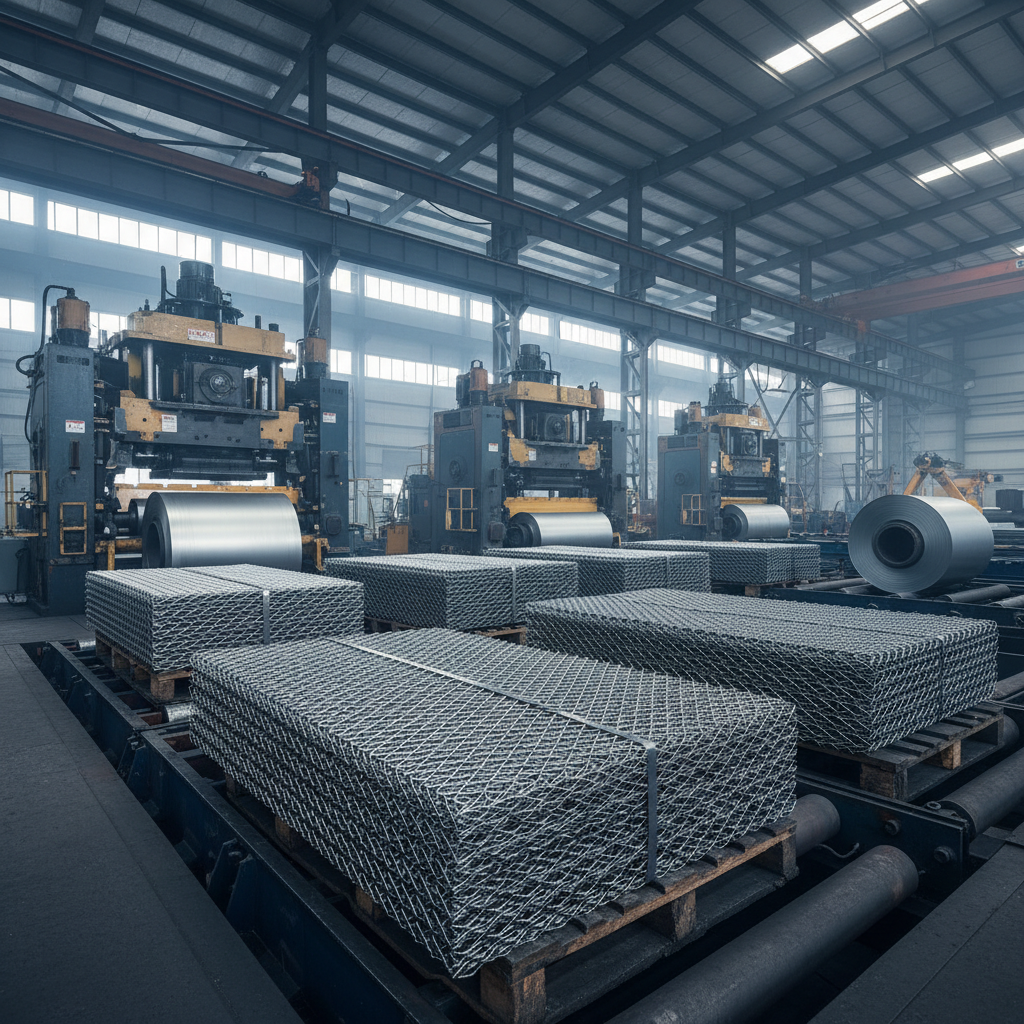
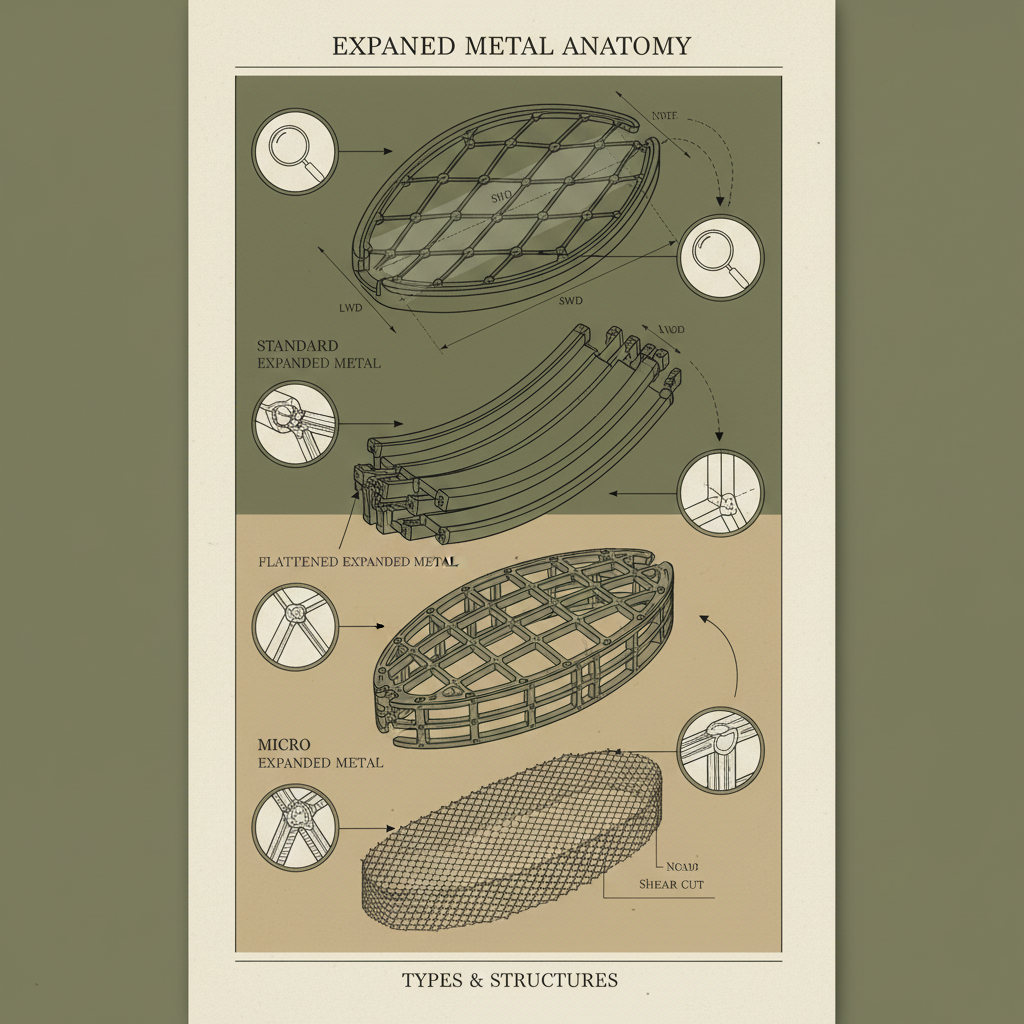
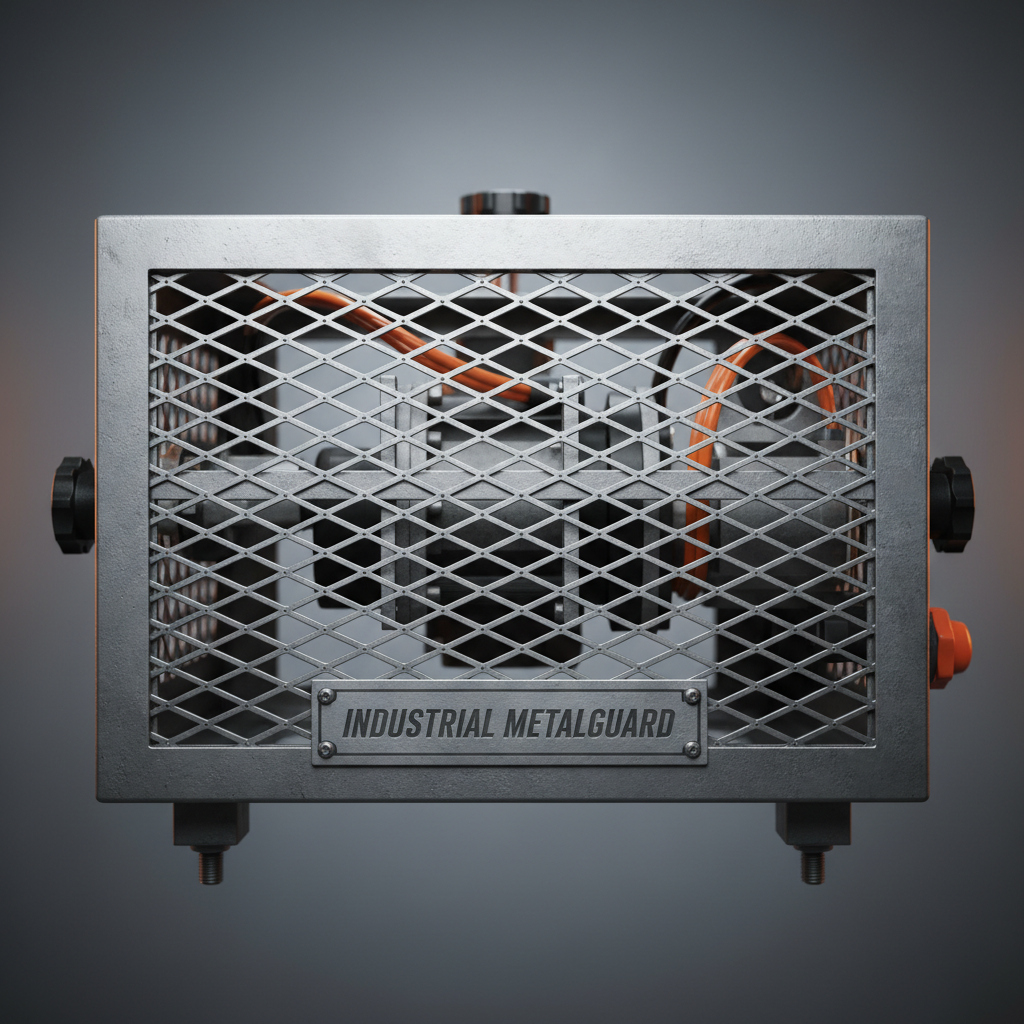
Okay, so what is it? It’s not just a perforated sheet of metal. Expanded mesh sheets are created by slitting and stretching metal, creating a diamond-shaped, interconnected pattern. This process maintains a high percentage of the original metal’s strength, meaning you get a robust material without sacrificing structural integrity.
It differs from welded wire mesh, which uses separate wires joined together. That welded connection is a potential point of failure. Expanded metal is a single piece of material, eliminating those weak spots. Think about it – if you're building a security barrier or a structural component, that single-piece construction is a huge advantage.
That inherent strength and open design connect directly to modern industry needs. It’s not just about building something; it’s about building something that’s safe, durable, and efficient, minimizing long-term maintenance and maximizing lifespan.
Core Strengths: What Makes it Work
Let’s break down what makes expanded metal a go-to choice for so many projects. First, Durability. It’s resistant to wear and tear, corrosion (especially when galvanized or stainless steel), and can withstand significant loads. I've seen it holding up in harsh environments for decades.
Second, Versatility. As I mentioned before, you can adapt it for almost any application. From walkways and stair treads to screens and filters, the possibilities are vast. Third, Cost-Effectiveness. Using less material reduces costs, and its long lifespan minimizes replacement needs.
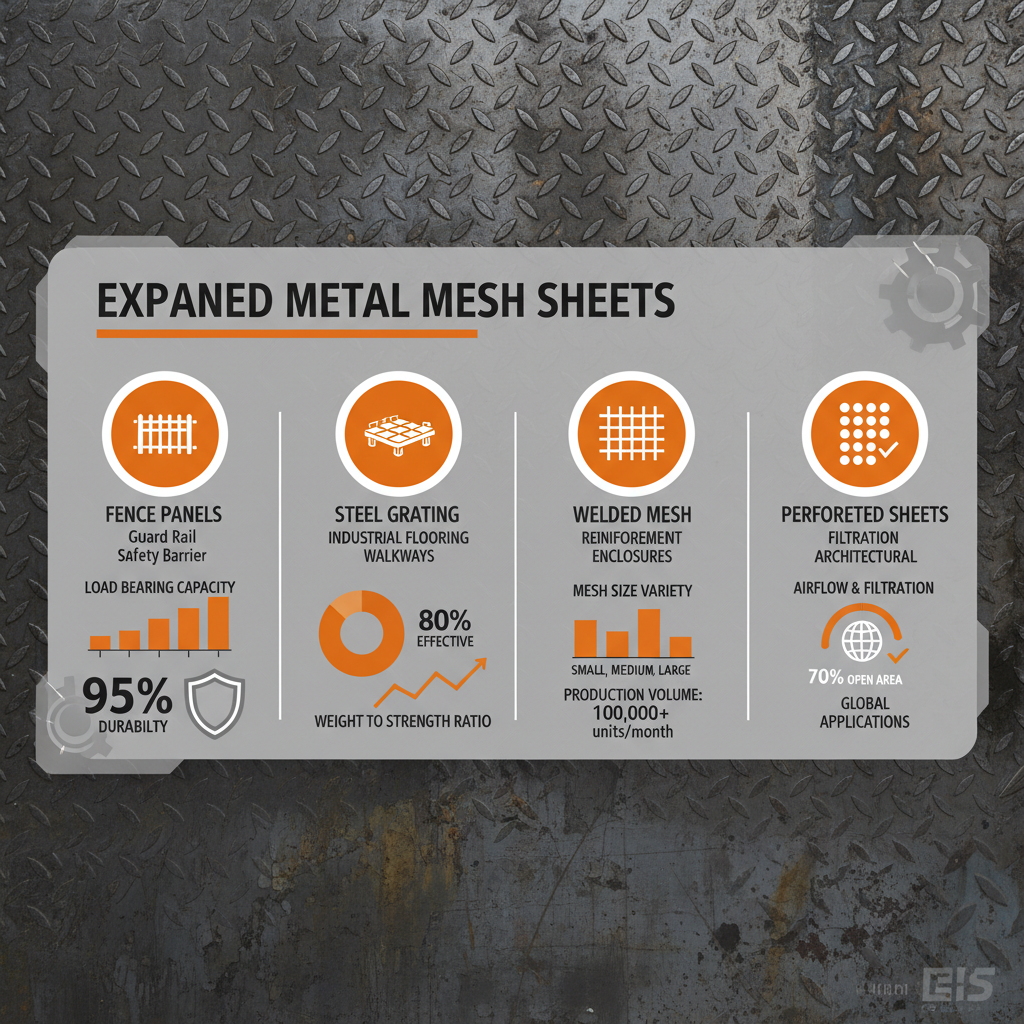
expanded mesh sheets Performance Metrics
Real-World Applications: From Sites to Cities
You see it everywhere, once you start looking. Security fencing around construction sites – it's a common sight. Walkways and stair treads in industrial facilities – providing a safe, non-slip surface. Even architectural features on buildings, adding texture and visual interest.
In post-disaster relief operations, it's used for temporary shelters and reinforcement of damaged structures. In remote industrial zones, where access and maintenance are challenging, its durability and low-maintenance requirements are critical. From oil rigs to mining operations, it holds up under the harshest conditions.
Long-Term Value and Tangible Benefits
The initial cost might be slightly higher than some alternatives, but the long-term savings are significant. Reduced maintenance, longer lifespan, and lower replacement costs add up. Think about the labor involved in repeatedly repairing or replacing cheaper materials – that’s where the real money is lost.
Beyond the financial benefits, there's a safety aspect. A reliable, durable material reduces the risk of accidents and injuries. That’s not just good for morale; it’s good for business. And increasingly, clients are demanding sustainable solutions. Choosing expanded metal demonstrates a commitment to responsible building practices.
Future Trends and Innovations in expanded mesh sheets
We're starting to see developments in coatings that further enhance corrosion resistance and aesthetic appeal. There's also research into using recycled materials in the manufacturing process, reducing the environmental impact.
Digital fabrication techniques, like laser cutting, are allowing for more complex and customized designs. And as automation increases on construction sites, we'll see a greater demand for pre-fabricated components incorporating expanded mesh sheets, streamlining the building process.
The integration of smart sensors within the mesh itself—for structural monitoring or environmental data collection—is another area to watch. It's about turning a passive material into an active component of a building's intelligent infrastructure.
Key Performance Indicators for expanded mesh sheets Applications
| Application Type |
Material Grade |
Durability Score (1-10) |
Cost Efficiency (1-10) |
| Security Fencing |
Galvanized Steel |
8 |
7 |
| Walkways & Platforms |
Stainless Steel |
9 |
6 |
| Architectural Facades |
Aluminum |
6 |
8 |
| Filtration Systems |
Carbon Steel |
7 |
9 |
| Reinforcement Materials |
High-Strength Steel |
10 |
5 |
| Temporary Shelters |
Light Gauge Steel |
5 |
10 |
FAQS
Expanded mesh sheets are incredibly versatile in construction. You’ll find them used for safety grating on walkways and stairways, scaffolding components, security fencing, reinforcing mesh in concrete, and even decorative architectural panels. Their open grid design allows for light and air circulation, reduces weight, and provides a secure surface.
Expanded metal generally boasts superior strength and durability compared to welded wire mesh. That’s because it's formed from a single piece of metal, eliminating the weak weld points inherent in welded wire. This makes it better suited for applications requiring high load-bearing capacity and resistance to fatigue.
Carbon steel is the most common, offering a good balance of strength and cost. Stainless steel provides excellent corrosion resistance, ideal for harsh environments. Aluminum is lightweight and suitable for architectural applications. Galvanized steel provides a protective coating against rust, extending its lifespan in outdoor applications.
Expanded metal offers several advantages. It's lighter weight, reducing structural load and material costs. The open grid design allows for airflow, drainage, and visibility. It also provides a non-slip surface, enhancing safety. Plus, it often requires less raw material than solid sheets.
Mesh size, defined by the dimensions of the openings, is critical. Smaller mesh sizes provide greater support and containment, while larger mesh sizes allow for more airflow and visibility. Consider the load requirements, the size of objects that need to be contained, and the desired level of transparency.
Common surface treatments include galvanizing for corrosion resistance, powder coating for aesthetic appeal and added protection, and painting for color customization. You can also get brushed or polished finishes for architectural applications. The best option depends on the environment and desired appearance.
Conclusion
Expanded mesh sheets might not be the most glamorous material, but they are a fundamental building block of modern construction and infrastructure. Their combination of durability, versatility, cost-effectiveness, and sustainability makes them an indispensable component in a wide range of applications, from safety grating to architectural facades. Understanding these benefits is key to making informed decisions on any project.
Looking ahead, continued innovation in materials science and manufacturing processes will only expand the possibilities for expanded metal. Investing in high-quality materials and partnering with reliable suppliers, like CC Metal Mesh, is essential for ensuring long-term success and building a more resilient and sustainable future.