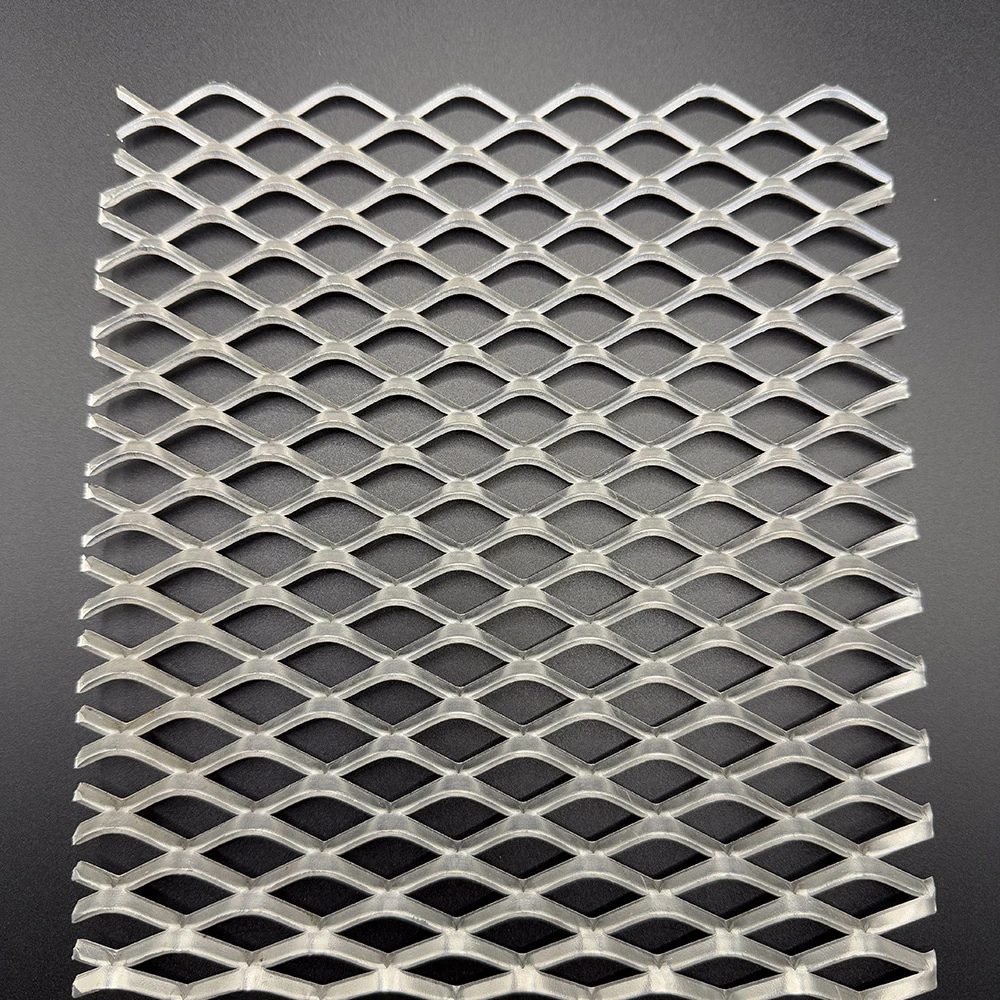

Sintered wire mesh is a high-performance filtration material created by bonding multiple layers of metal wire mesh under heat and pressure without melting the metal completely. This sintering process results in a porous, rigid, and durable structure with excellent mechanical strength and chemical resistance.
Unlike woven or welded meshes, sintered wire mesh combines the filtration precision of fine meshes with the stability of solid materials. The pore size can be precisely controlled by selecting wire diameters and mesh counts before sintering, making it highly versatile for demanding filtration tasks.
Its outstanding properties include superior corrosion resistance, high temperature tolerance, and resistance to clogging, which make it ideal for use in aggressive chemical environments, high-pressure systems, and industrial filtration processes.
Common metals used for sintered wire mesh include stainless steel (304, 316), nickel, bronze, and other alloys, each chosen based on specific application needs.
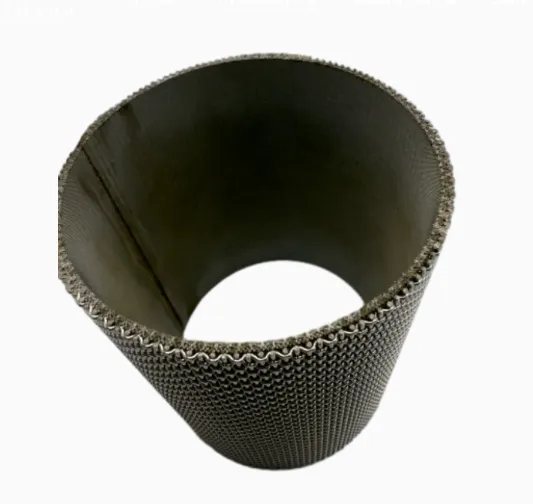
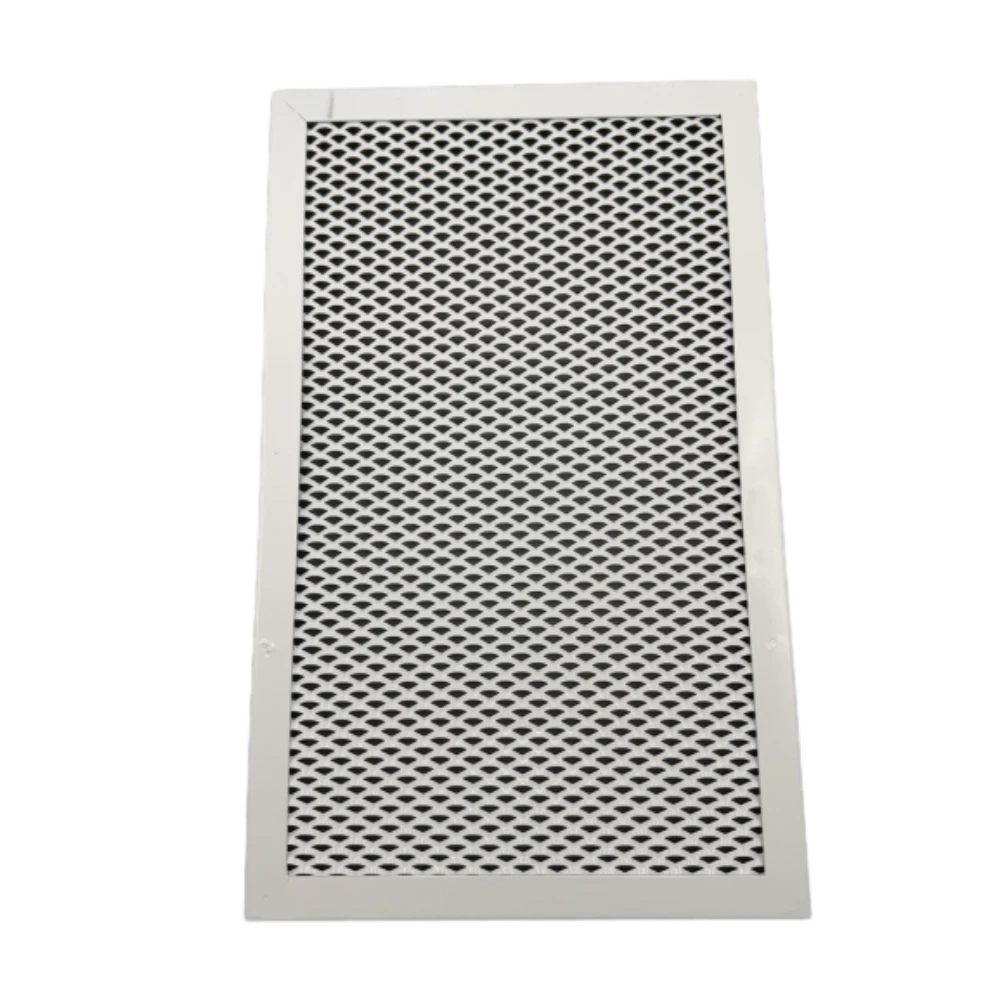
A sintered mesh screen finds extensive use in industries requiring precision filtration combined with durability. These screens serve in fluid filtration, gas filtration, solid particle separation, and as support media for catalysts and membranes.
In petrochemical and chemical processing, sintered mesh screens handle harsh chemicals and high temperatures while maintaining filtration accuracy. In pharmaceuticals, they ensure contaminant-free liquids and powders. The food and beverage industry uses them for hygienic filtration without sacrificing flow rates.
Sintered mesh screens also excel in environmental protection applications such as wastewater treatment and air pollution control, where durability and chemical stability are essential.
The sintering process prevents mesh deformation during use, allowing longer service life and less frequent replacements. The rigid structure resists mechanical wear and tear, and the layered design reduces clogging by distributing particles more evenly.
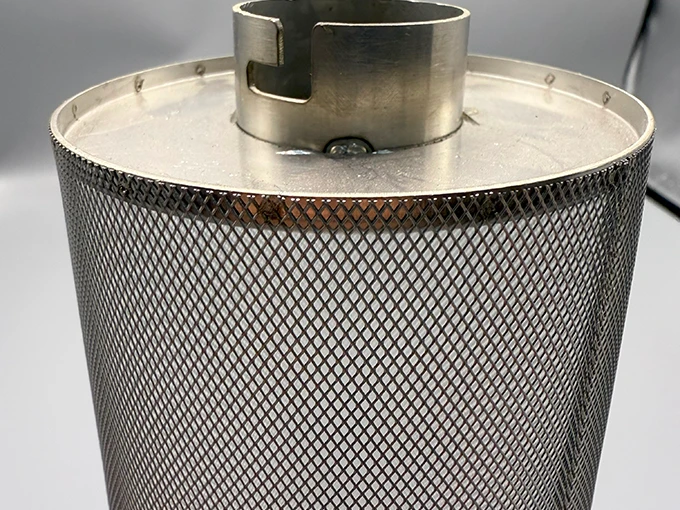
A sintered filter tube is a cylindrical filtration element made from sintered wire mesh layers wrapped and bonded into a tubular shape. This design combines filtration efficiency with structural strength and ease of installation.
These tubes are widely used in filtration housings, separators, and chemical reactors. The tubular form provides a large filtration surface area while maintaining compactness, which is ideal for space-constrained applications.
Advantages include:
High filtration precision with customizable pore sizes.
Excellent resistance to corrosion, heat, and mechanical stress.
Ease of cleaning and maintenance due to robust construction.
Longevity under continuous operation in demanding environments.
Typical applications range from hydraulic fluid filtration, compressed air purification, chemical solvent filtering to food-grade liquid processing.
Sintered wire mesh filters represent an advanced class of filtration media designed to meet stringent industrial requirements. Their layered structure, created by sintering multiple wire mesh layers, offers:
Enhanced filtration accuracy through graded porosity.
Resistance to clogging thanks to a tortuous flow path.
Mechanical robustness against impact and vibration.
Chemical stability across a wide range of aggressive fluids.
Industries such as aerospace, automotive, pharmaceuticals, and power generation benefit from these filters, where precision and reliability are paramount.
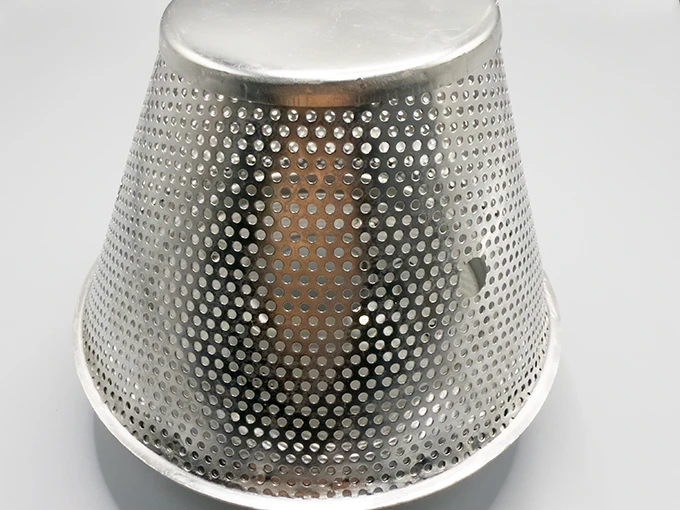
Sintered wire mesh filters can be fabricated into various shapes including discs, sheets, cartridges, and tubes, fitting diverse filtration systems and applications.
Selecting the right sintered wire mesh product involves considering:
Material compatibility with filtered media.
Required filtration rating (micron size).
Operating temperature and pressure conditions.
Physical configuration (tube, screen, filter element).
Cleaning and maintenance capabilities.
Routine inspection and cleaning extend the life of sintered wire mesh filters. Cleaning methods include backflushing, ultrasonic cleaning, chemical soaking, or mechanical brushing depending on contamination type.
Regular maintenance prevents clogging and pressure drops, ensuring consistent filtration efficiency.
Professional suppliers offer customization and technical consultation to help choose the optimal sintered mesh solution tailored to your needs.
Stainless steel (304, 316), nickel, bronze, and other corrosion-resistant alloys are commonly used.
Sintered mesh is bonded under heat and pressure, providing a rigid, durable structure, while woven mesh is flexible and can deform under stress.
Yes, they are designed for cleaning and long-term reuse with appropriate methods.
Pharmaceuticals, chemical processing, petrochemical, food and beverage, automotive, and aerospace industries.
It depends on the particle size to filter and flow rate; consult with suppliers for application-specific recommendations.
Ready to upgrade your filtration with durable, efficient sintered wire mesh products? Visit our website to explore our range of sintered mesh screens, filter tubes, and custom solutions. Our experts are ready to assist you in selecting and customizing products tailored to your industrial filtration needs.



![$item[alt]](https://images.exportstart.com/images/a1393/cc-7691.webp "$item[title]")