What exactly is expanded galvanized metal lath, and why should anyone outside the construction trade really care? Fair question, but here’s the thing — whether you’re walking through a growing city skyline, passing by a new hospital, or even curious about sustainable building practices, this humble product is everywhere, quietly supporting structures and innovations that shape our global landscape.
Understanding this material goes beyond knowledge of metalworking; it touches on global infrastructure resilience, scalability of housing, and even disaster relief efforts. Let me take you on a quick exploration of why expanded galvanized metal lath matters globally, and how knowing about it might just give you an edge in your next project — or at least spark some appreciation.
In 2023, global urban population surpassed 4.5 billion people, according to the United Nations (UN). Rapid urbanization demands robust, flexible building solutions that can scale fast and stand the test of time. The World Bank also reports that developing nations are bumping up billions into new infrastructure annually, including low-cost housing and critical facilities.
But here’s the challenge: How do builders ensure strength and longevity without blowing budgets or stretching timelines? Expanded galvanized metal lath answers that call by providing a lightweight yet durable framework that’s corrosion-resistant and easily adaptable across climates and applications.
In simple terms, it supports walls, plaster, stucco, and concrete, helping structures resist cracks, weathering, and other stressors.
Expanded galvanized metal lath is a globally relevant, cost-effective solution that addresses the pressing infrastructure needs arising from population growth and urban expansion.
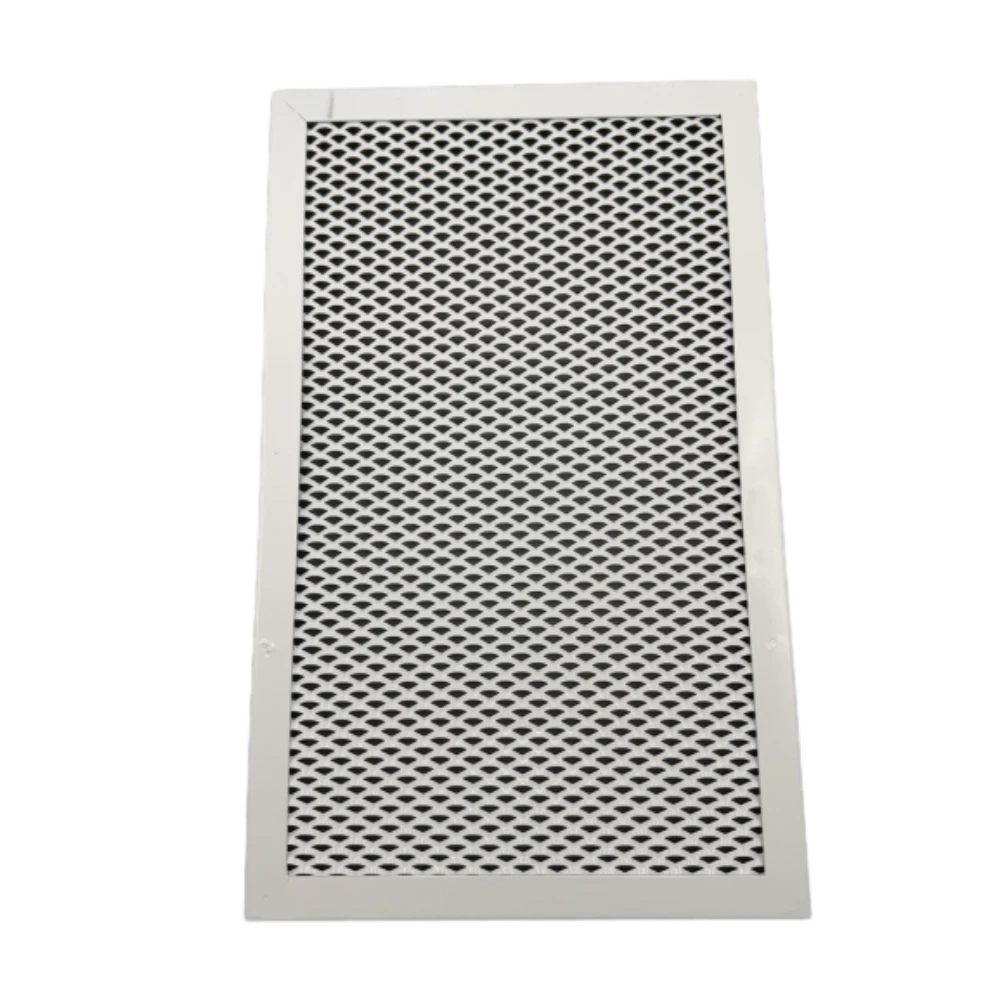
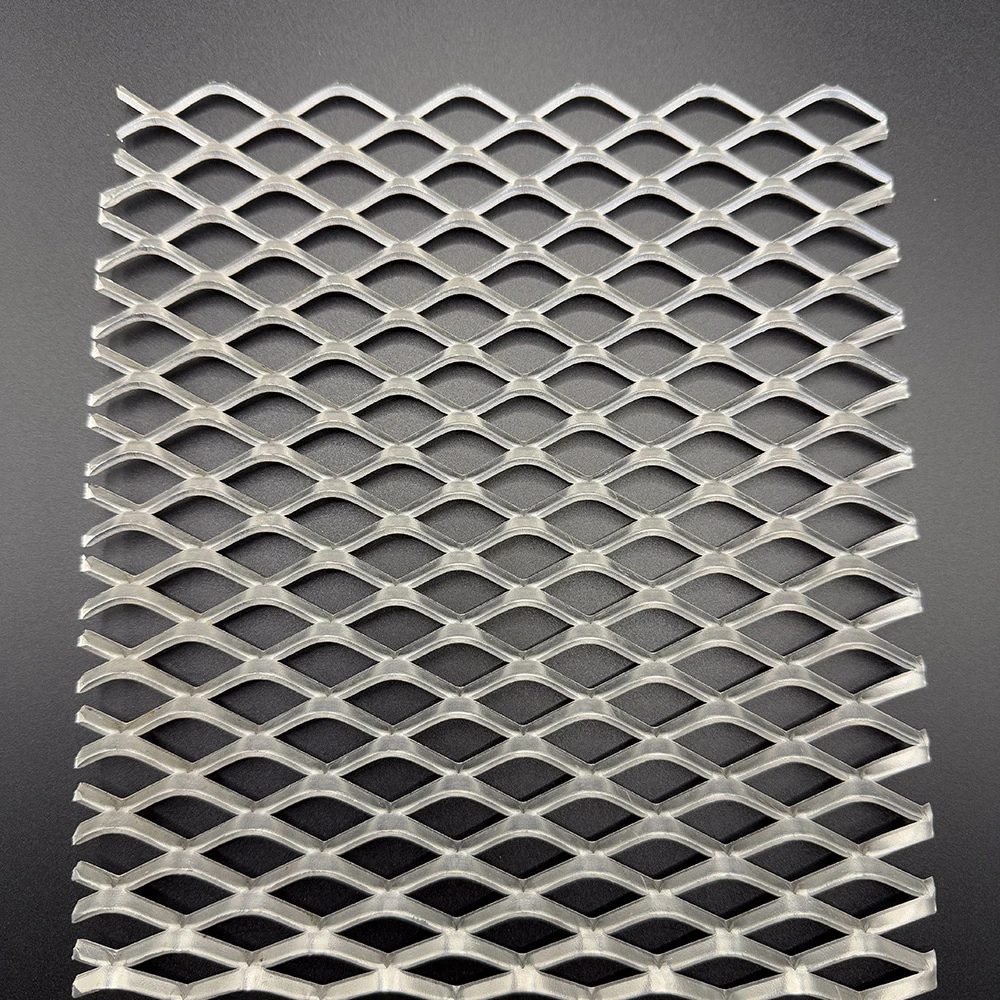
At its core, expanded galvanized metal lath is a sheet of metal that’s been slit and stretched (expanded) to create a mesh-like pattern. The galvanized coating means it's dipped in zinc to resist rust and corrosion, which is critical for longevity especially in moist or harsh environments.
Unlike welded wire mesh, this expansion process gives it a continuous web of interconnected strands — making it stronger and better at binding materials like plaster and concrete. For industries, it’s a go-to when you need reinforcement that won't add heavy weight or drag costs sky-high.
It’s also a small but vital cog in modern humanitarian and industrial projects — especially when robust, quickly deployable, and corrosion-resistant frameworks are priorities.
Expanded galvanized metal lath blends structural strength with weather resistance — a blend that’s essential across construction sectors worldwide.
The zinc galvanization layer acts as a guardian against rust. This is crucial in environments exposed to salts, humidity, or pollutants. Several ISO standards govern galvanization thickness (like ISO 1461) to ensure consistent protection.
The expanded pattern reduces weight while maintaining structural integrity. This makes it easier and faster for workers to handle and transport — saving on labor and logistics.
Compared to heavier reinforcement options, it’s budget-friendly. The material itself costs less, but the savings on reducing maintenance and failure risks add up over time.
It adapts to multiple applications: from small residential renovations to massive industrial plants. It forms an excellent base for plaster and stucco, and also supports insulation systems.
Because it’s recyclable and promotes long-lasting builds, it fits nicely into sustainable construction practices, increasingly favored by global green policies.
Balanced durability, cost-effectiveness, and sustainability make expanded galvanized metal lath a staple for builders who want reliability without breaking the bank.
Let’s talk specifics — from Asia's booming metropolitan skylines to Africa’s post-disaster relief efforts, expanded galvanized metal lath is everywhere.
Its global use spans multiple industries and social sectors — demonstrating flexibility and trustworthiness under diverse conditions.
Cost savings, check. Environmental friendliness, check. But the advantages go deeper.
Pragmatically, it translates into buildings and shelters lasting decades, holding firm through weather, time, and human use.
| Specification | Detail |
|---|---|
| Material | Steel, galvanized with zinc coating |
| Thickness | 0.4mm to 1.0mm |
| Sheet size | Typically 1.2m x 2.4m or customizable |
| Weight | 2.5 – 6.0 kg/m² |
| Coating standard | Typically 60-150 g/m² zinc (ISO 1461) |
| Mesh opening | Approx. 25mm x 50mm (varies by product) |
| Vendor | Product Range | Lead Time | Customized Options | Global Shipping |
|---|---|---|---|---|
| CC Metal Mesh | Wide (various thickness & sizes) | 2-4 weeks | Yes | Yes, worldwide |
| MetalCo Solutions | Standard sizes | 3-5 weeks | Limited | Regional only |
| Global MeshWorks | Wide range plus specialty | 1-3 weeks | Yes | Selective countries |
We’re seeing some exciting developments in the expanded galvanized metal lath arena. For instance, new coatings that combine galvanization with polymer layers are emerging to tackle even more corrosive industrial environments. Digital fabrication — thanks to CNC and robotic cutting — is allowing more customized mesh patterns that optimize strength while minimizing waste.
Green building standards (like LEED and BREEAM) increasingly prefer recycled steel content and lifecycle transparency — pushing vendors toward cleaner, more sustainable production lines.
Frankly, I find it fascinating how this “old school” material is adapting to high-tech trends and green mandates simultaneously.
True, expanded galvanized metal lath isn’t perfect. One common issue is ensuring uniform zinc coating thickness especially with large batches, since inconsistent galvanization can lead to premature corrosion.
Some manufacturers now employ inline thickness monitoring with X-ray technology to control this precisely. Another hurdle is installation in extreme climates, where rapid temperature shifts cause expansion and contraction, risking mesh warping.
Solution? Pairing with flexible sealants and adjustable fastening systems helps accommodate changes without compromising structure.
Expanded lath offers a continuous, interconnected pattern that generally provides better bonding for plaster or concrete. It also weighs less and can be more flexible, making it easier to shape for irregular surfaces. Welded mesh, while stronger in some cases, is heavier and less adaptable for certain finishing applications.
Typically yes, the galvanization protects against rust and corrosion outdoors. However, in extremely harsh environments like marine or chemical plants, extra coatings or polymer overlays are recommended to extend lifespan.
Absolutely. Steel products like expanded galvanized metal lath are highly recyclable and often contain recycled content, making them a sustainable building choice.
Many suppliers, such as CC Metal Mesh, offer tailored thickness, sheet sizes, and coating weights to match project needs. Lead times and pricing vary accordingly.
Expanded galvanized metal lath quietly powers a vast range of essential structures worldwide — from disaster relief shelters to complex industrial frameworks. Its blend of durability, flexibility, and affordability meets pressing global demands amidst urbanization and climate challenges.
If you’re seeking reliable, versatile reinforcement materials, it’s worth exploring expanded galvanized metal lath options that suit your scope and scale.
Take the leap to stronger, smarter construction. Visit our website https://www.ccmetalmesh.com and discover how these meshes can transform your projects.



![$item[alt]](https://images.exportstart.com/images/a1393/cc-7691.webp "$item[title]")