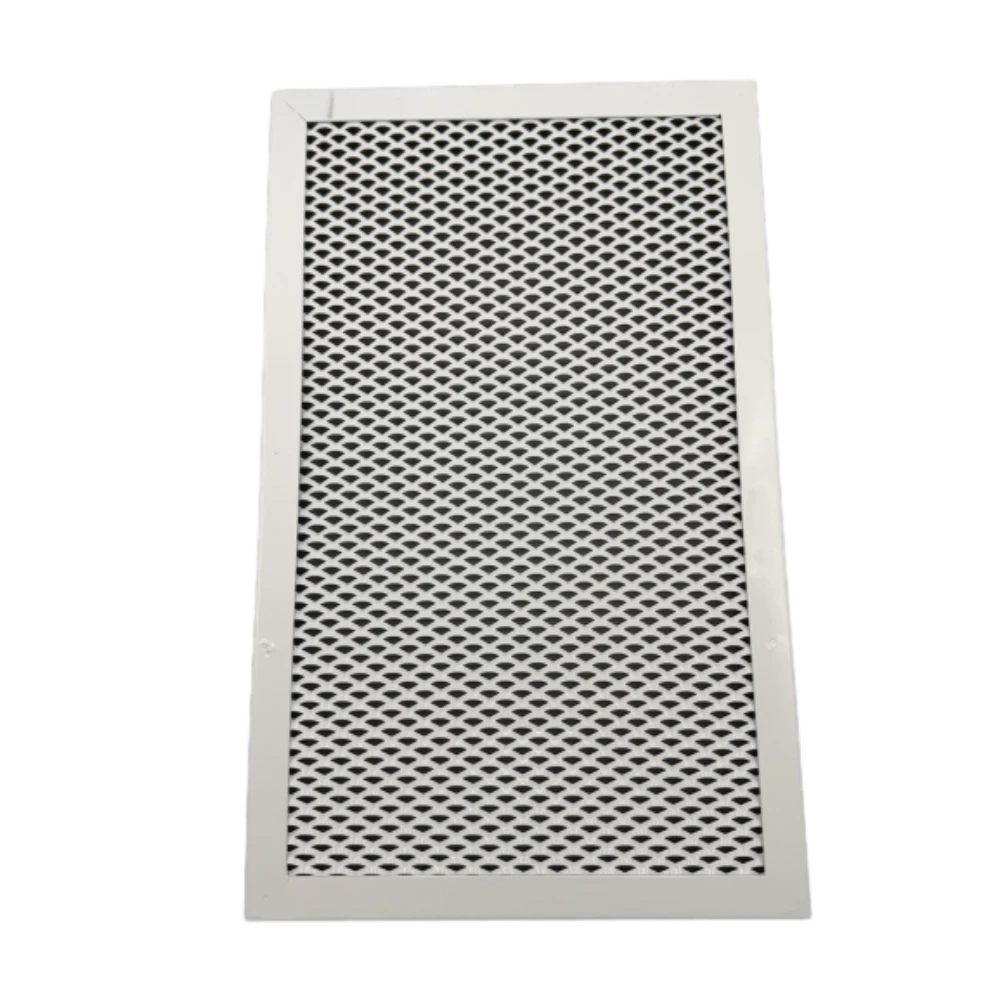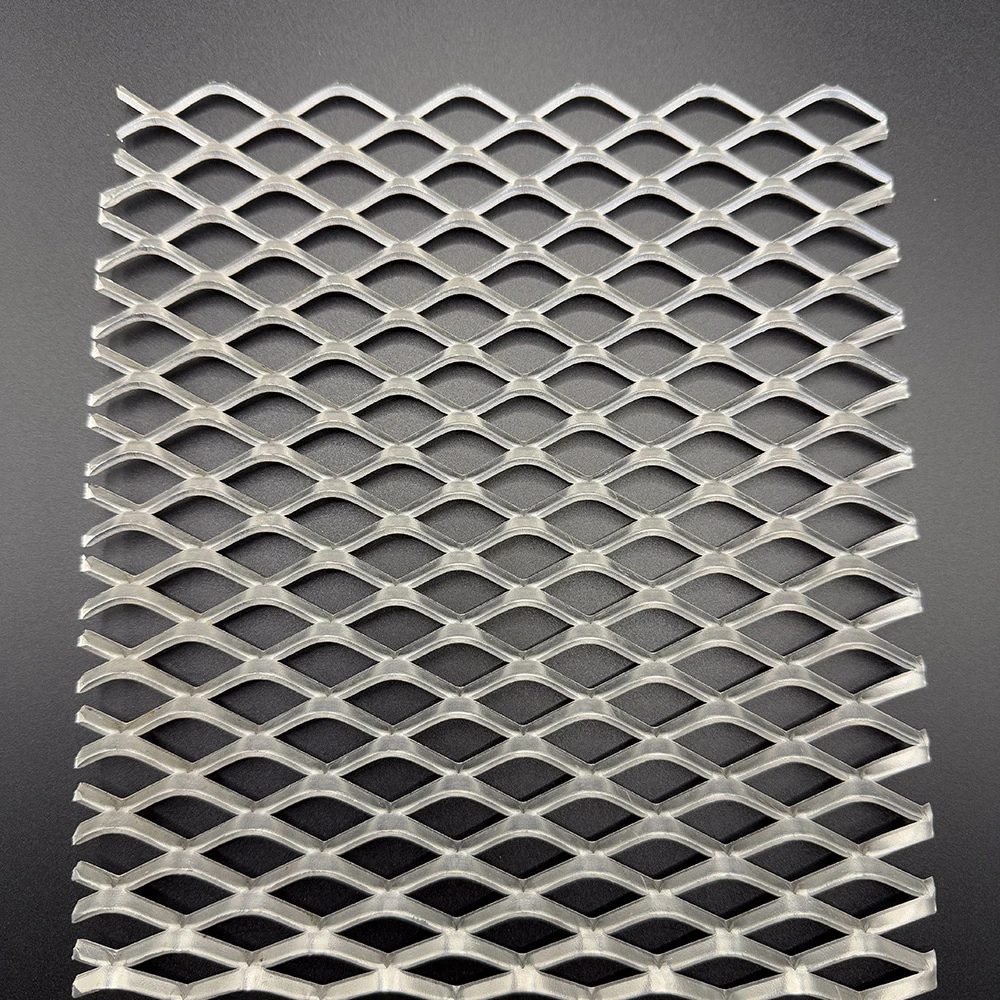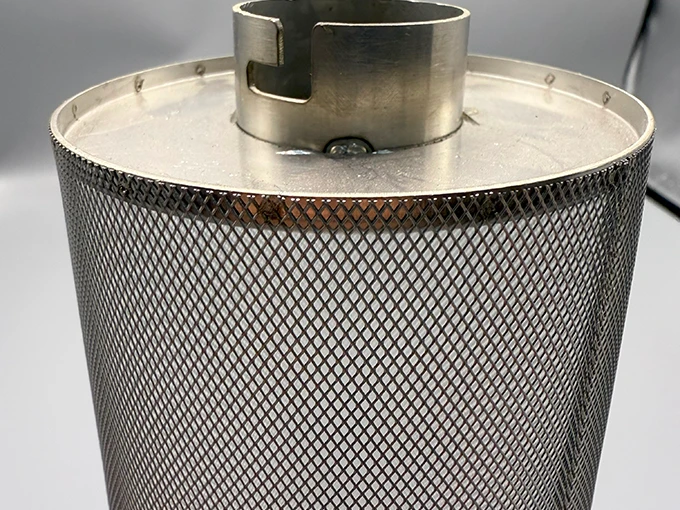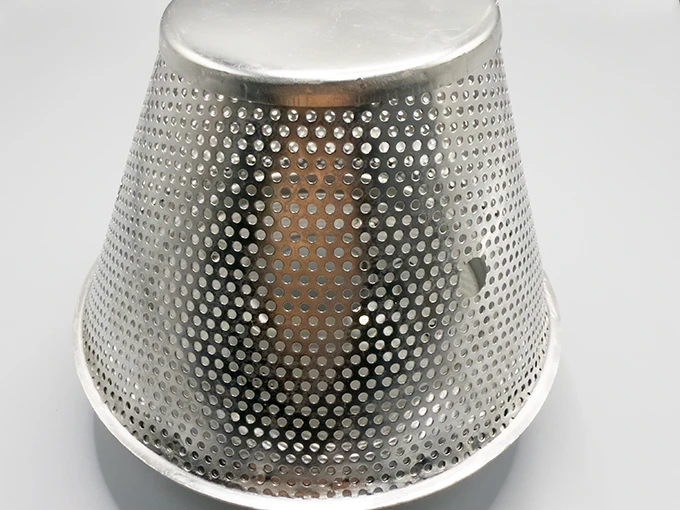
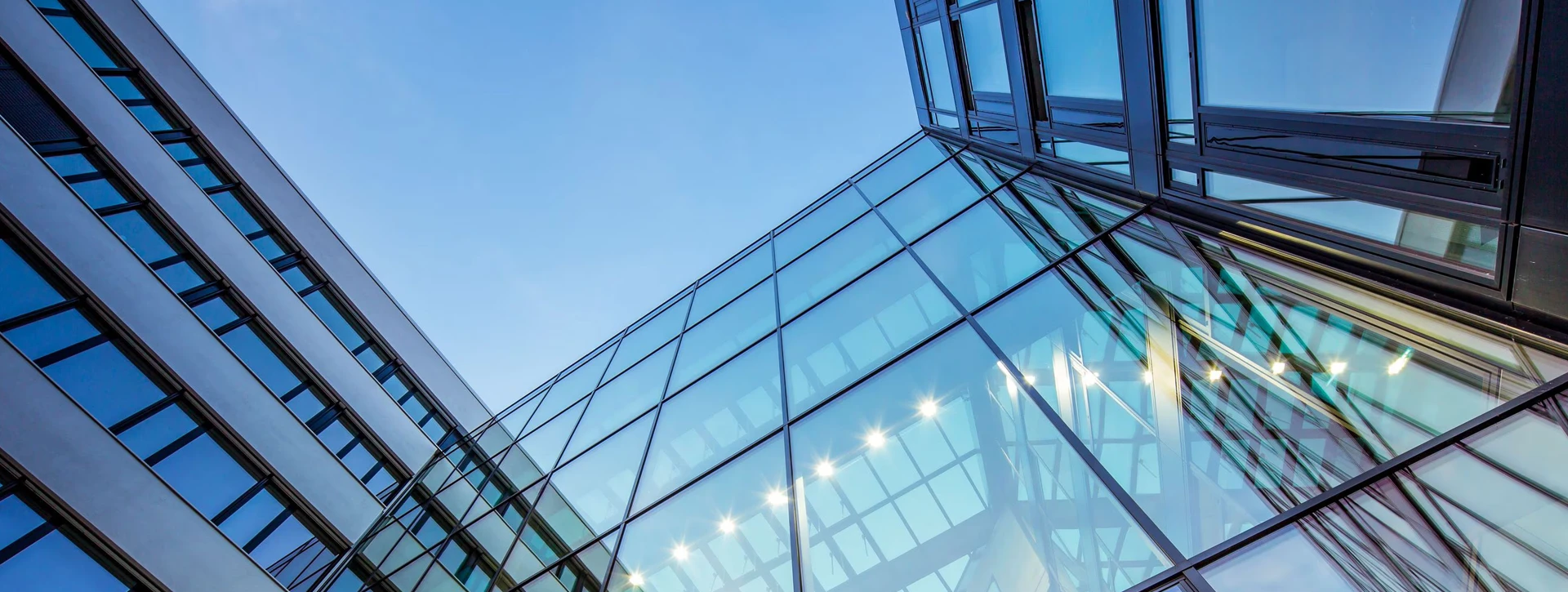
Walk into a new terminal, a clever co-working hub, or a hospitality lobby and you’ll notice it: the airy, geometric shimmer overhead. If you’re weighing options for expanded metal ceiling tiles, here’s the candid rundown I share with architects and GCs who call me on a Friday afternoon when decisions finally become real.
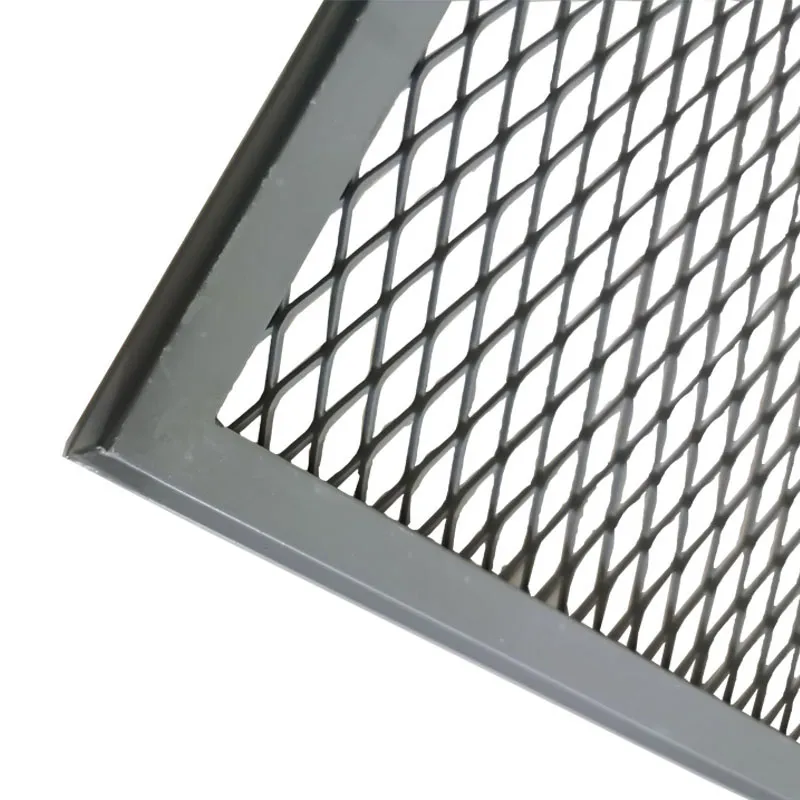
The appeal is practical and a little poetic: high open area for airflow and concealment of MEP, crisp shadows, easy access for maintenance, and—surprisingly—solid acoustics when paired with fleece or mineral wool. Sustainability pressure is also nudging teams toward aluminum alloys and powder coatings with low VOCs. Many customers say they like the “tech-forward but warm” vibe; I get that.
Product: Ceiling System Expanded Metal (OEM NO. CC-007), made in Hou Zhuang Industry Zone, Anping County, 053600, Hebei Province, China. Mini order quantity: 1 piece—useful for mockups or phased rollouts.
| Spec | Detail (≈ real-world use may vary) |
|---|---|
| Base metals | Aluminum 3003/5052, galvanized steel, or 304/316 stainless |
| Thickness | 0.6–2.0 mm typical |
| Pattern (SWD × LWD) | SWD 5–20 mm × LWD 10–40 mm; strand width 1–3 mm |
| Open area | 25%–60% |
| Panel size | 300×300 to 1200×2400 mm; custom framing/tegular options |
| Finish | Powder coat (AAMA 2604), anodized, PVDF; RAL/NCS colors |
| Fire & smoke | ASTM E84 Class A; EN 13501-1 A1/A2-s1,d0 options |
| Acoustics | With fleece/backer: NRC up to ≈0.70 (ISO 354) |
| Coating durability | Salt spray 1,000 h (ASTM B117); adhesion 0–1 (ISO 2409) |
| Service life | 15–25 years interior, with routine cleaning |
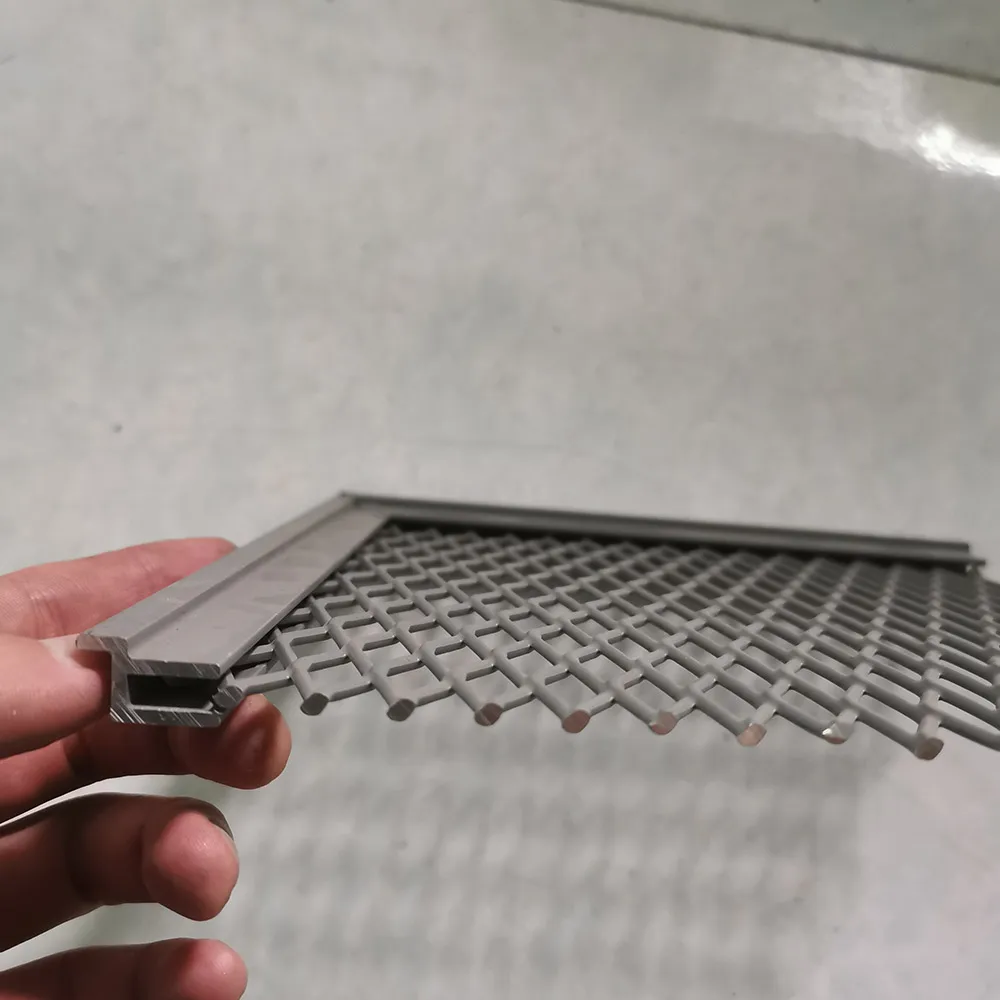
Coil selection → slitting → precision expanding (die-controlled SWD/LWD) → leveling and flattening → edge forming/framing → powder coating or anodizing → ISO 9001 QC → packaging. Mechanical checks include strand integrity, flatness ≤2 mm/m, dimensional tolerance ±0.5 mm, coating thickness 60–90 μm. Fire testing to ASTM E84/EN 13501-1; corrosion to ASTM B117; acoustic verification to ISO 354. To be honest, the leveling step is where better vendors stand out—less oil-canning on site.
| Vendor | Pattern range | Coating warranty | Lead time | MOQ | Certs | Notes |
|---|---|---|---|---|---|---|
| CC Metal Mesh (CC-007) | Wide; custom SWD/LWD | Up to 10 yrs (indoor) | 3–6 weeks ≈ | 1 piece | ISO 9001, E84 | Strong OEM; flexible colors |
| Vendor A | Medium | 5–7 yrs | 6–8 weeks | 50+ pieces | E84 | Good for standard grids |
| Vendor B | Wide | 10 yrs | 4–10 weeks | Project-based | EN 13501-1 | Premium pricing likely |
Dial in SWD/LWD for openness (lighting reveal vs. concealment), strand width for stiffness, and consider a matte RAL close to your ductwork so the ceiling reads clean. For higher NRC, add black acoustic fleece. For coastal installs, I usually nudge teams toward 5052 aluminum with PVDF.
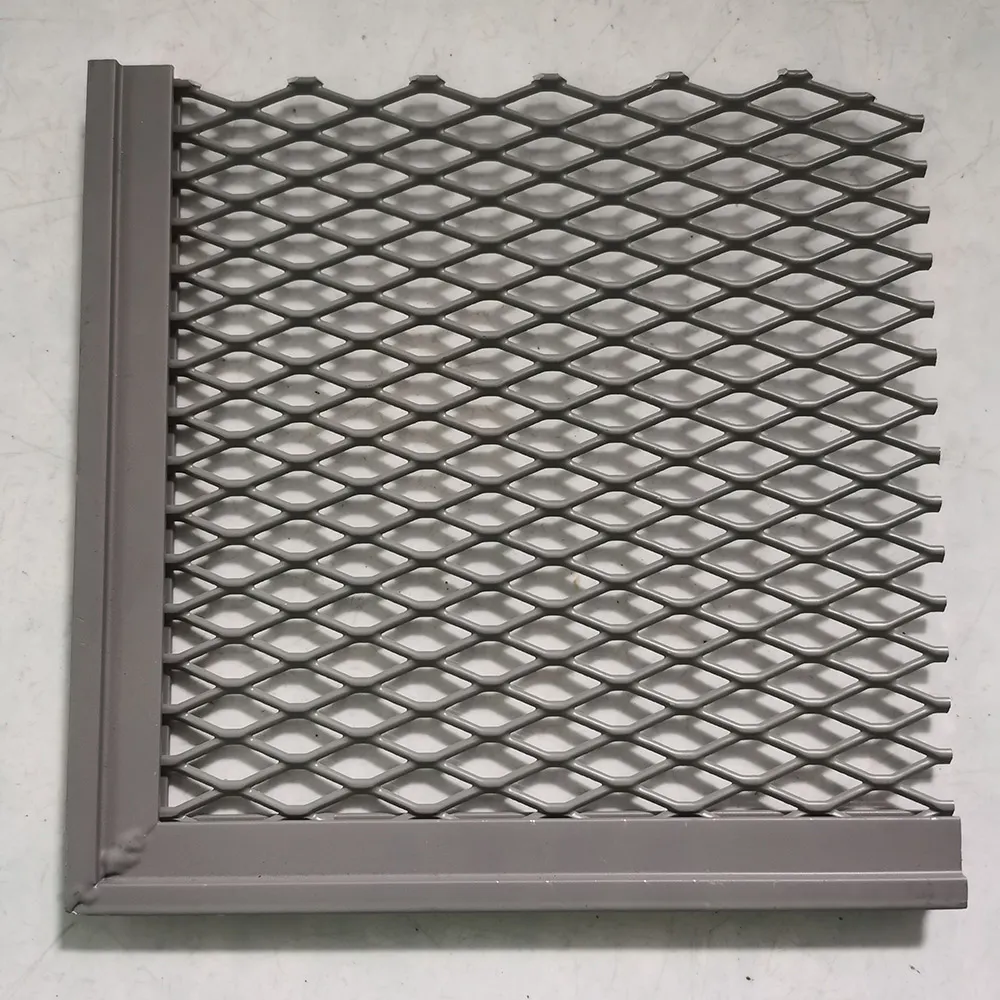
Airport concourse, 4,500 m²: aluminum 5052, LWD 30 mm, open area 45%, black RAL 9005. E84 Class A achieved; install rate hit 180 m²/day thanks to pre-framed cassettes. Client feedback: “Maintenance access is a breeze.”
Boutique office, 600 m²: galvanized steel panels with white powder coat; fleece-backed for NRC ≈0.65. Tenants mentioned “calmer soundscape without losing the industrial look.”
Final thought: expanded metal ceiling tiles aren’t just an aesthetic move; they’re a systems decision—airflow, access, acoustics, and durability in one. Actually, that’s why they keep winning on modern jobs.



![$item[alt]](https://images.exportstart.com/images/a1393/cc-7691.webp "$item[title]")