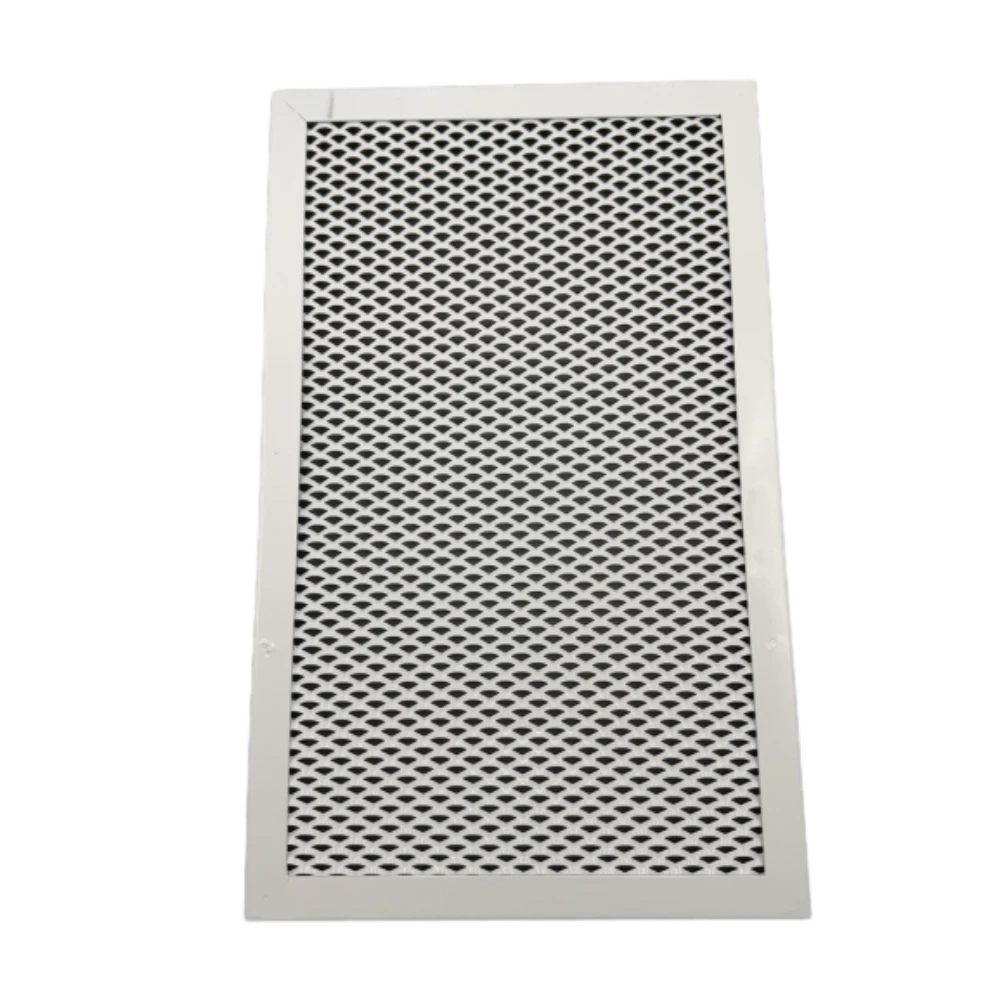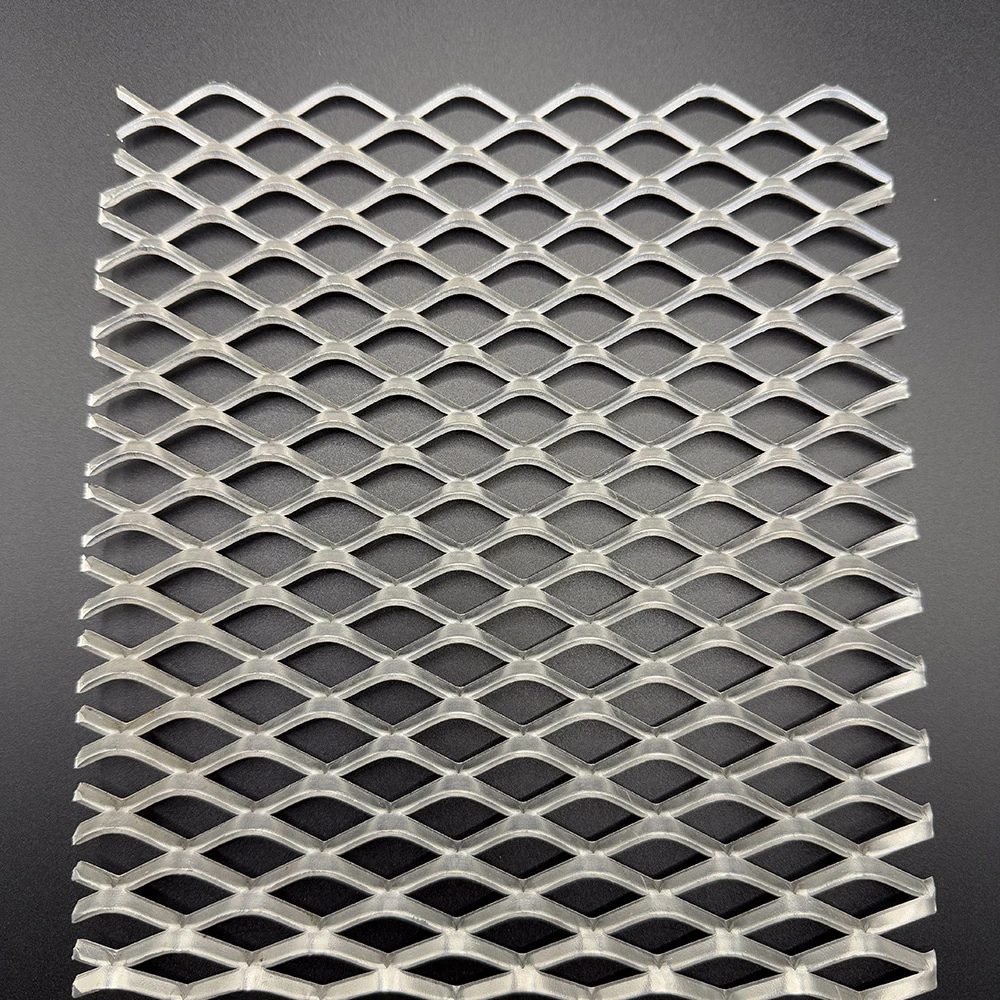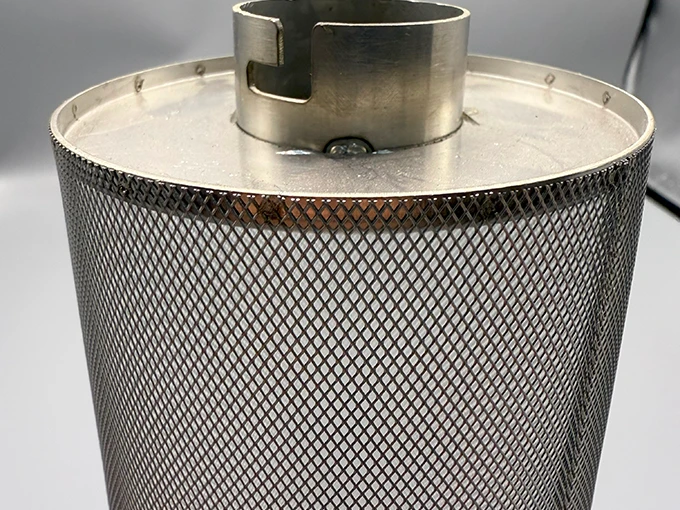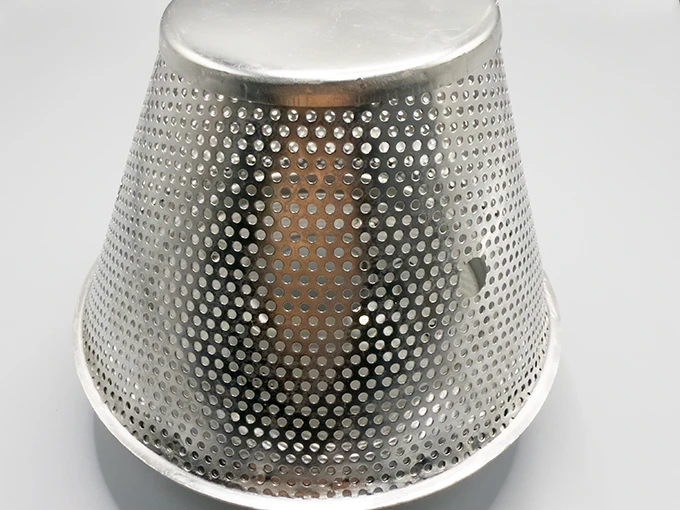

If you’ve been hunting for a slot hole perforated sheet that balances airflow, screening accuracy, and clean aesthetics, you’re not alone. I’ve been on factory floors in Hou Zhuang Industry Zone, Anping County, 053600, Hebei Province, China, watching punch presses hum through stainless coils—and the details matter more than the brochures suggest.
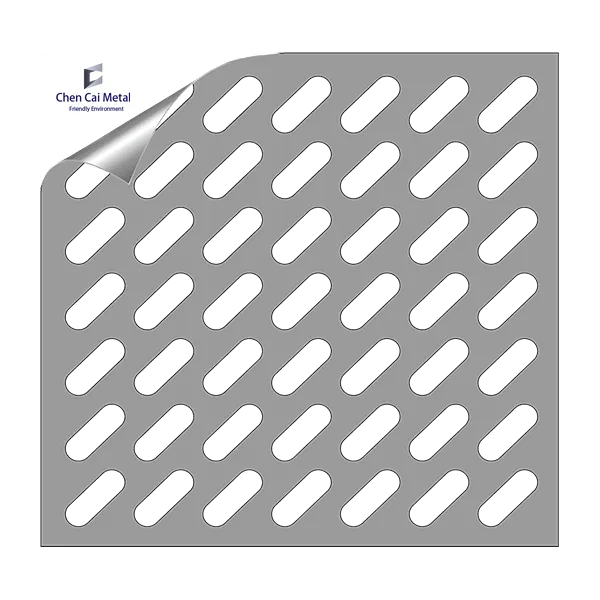
Architects want seamless shadows; process engineers want repeatable flow and easy cleaning. Lately, staggered slot patterns are taking over because they hit both. The long axis promotes directional airflow and drainage, while staggered rows reduce moiré and boost open area. In food equipment and acoustic baffles, that combo is gold—honestly, it’s the most common request I hear.
Product Name: Staggered Slot Perforated Sheet. Materials usually include SS304/SS316, pre-galvanized steel, aluminum 3003/5052, and occasionally copper for specialty façades.
| Slot a × b (mm) | Pitch c × (mm) | Open Area (%) | Typical Thickness (mm) | Common Sheet Size | Material |
|---|---|---|---|---|---|
| 1 × 15 | 6 × 24 | ≈20.5% | 0.6–2.0 | 1000 × 2000 mm | SS304/Alu |
| 1 × 15 | 6 × 20 | ≈24–26% (real-world use may vary) | 0.8–2.5 | 1219 × 2438 mm | Galv. steel |
- Acoustic panels (slots dampen high-frequency chatter). - Intake screens and HVAC plenums. - Food de-watering trays (easy to spray clean). - Agricultural sieving. - Facades and sunscreens—nice light diffusion without feeling “industrial.” Many customers say cleaning is faster than with round-hole sheets.
| Vendor | Lead Time | Standards / Certs | Tolerance | Notes |
|---|---|---|---|---|
| CC Metal Mesh (Anping) | 7–15 days | ISO 9001; materials per ASTM/EN | ±0.15 mm slot width (typ.) | Good on custom dies; fair MOQ. |
| Regional Fabricator | 10–20 days | ISO 9001 (varies) | ±0.2–0.3 mm | Flexible small batches, higher unit cost. |
| Global Brand A | 3–6 weeks | Extensive cert packages | ±0.1 mm (premium) | Price premium; tight QA. |
Ask for slot corners (sharp vs. radiused), stagger offset, and scrap strip width. For corrosive sites, SS316 plus passivation performs better than thick paint—counterintuitive, but true.
Origin: Hou Zhuang Industry Zone, Anping County, 053600, Hebei Province, China.
Materials and testing commonly reference: ASTM A240 (SS plate), ASTM B209 (aluminum), EN 10346 (galvanized), ISO 9227/ASTM B117 (corrosion), ISO 9001 (quality), and DIN 24041 for perforated nomenclature.



![$item[alt]](https://images.exportstart.com/images/a1393/cc-7691.webp "$item[title]")