Expanded metal F2028 might sound like just a technical specification reserved for engineers and architects, but in reality, it relates to a product whose applications ripple far beyond construction sites and factory floors. At its core, this type of expanded metal offers a unique combination of strength, flexibility, and cost-efficiency that supports industries worldwide — from sustainable infrastructure to disaster relief efforts. Grasping its significance means appreciating how materials shape not only buildings but also communities and economies globally.
According to data from the United Nations and ISO standards, industrial development and urbanization continue at an unprecedented pace. The demand for materials that are lightweight, durable, and versatile is skyrocketing, especially in regions where infrastructure resilience becomes a matter of safety and longevity. Expanded metal F2028 fits right into the solution space by providing an adaptable structural medium that can be rapidly deployed or customized. Expanded metal f2028 directly addresses challenges like cost-effective building in remote areas, mitigating environmental impact, and fast-tracking recovery after natural disasters — issues of pressing global importance.
Expanded metal F2028 isn’t just a specification; it’s a material innovation answering real-world challenges in developing and developed regions alike.
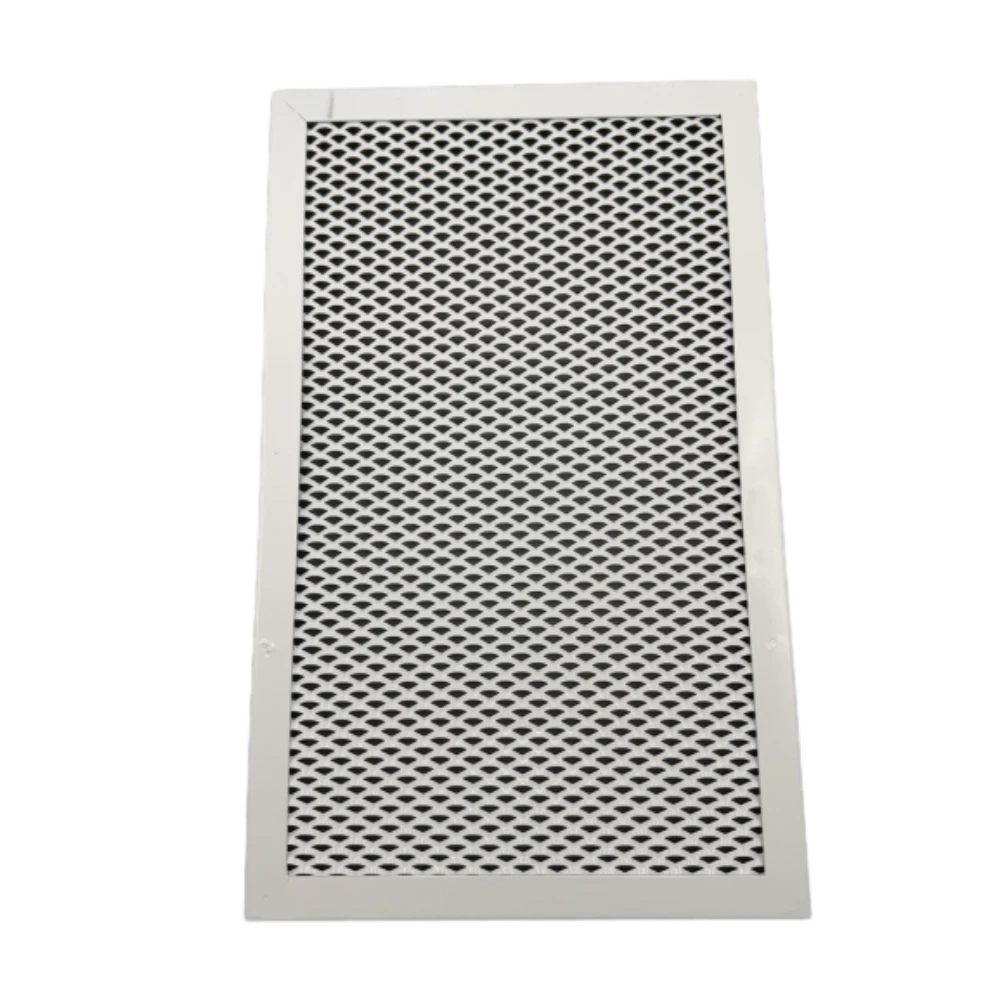
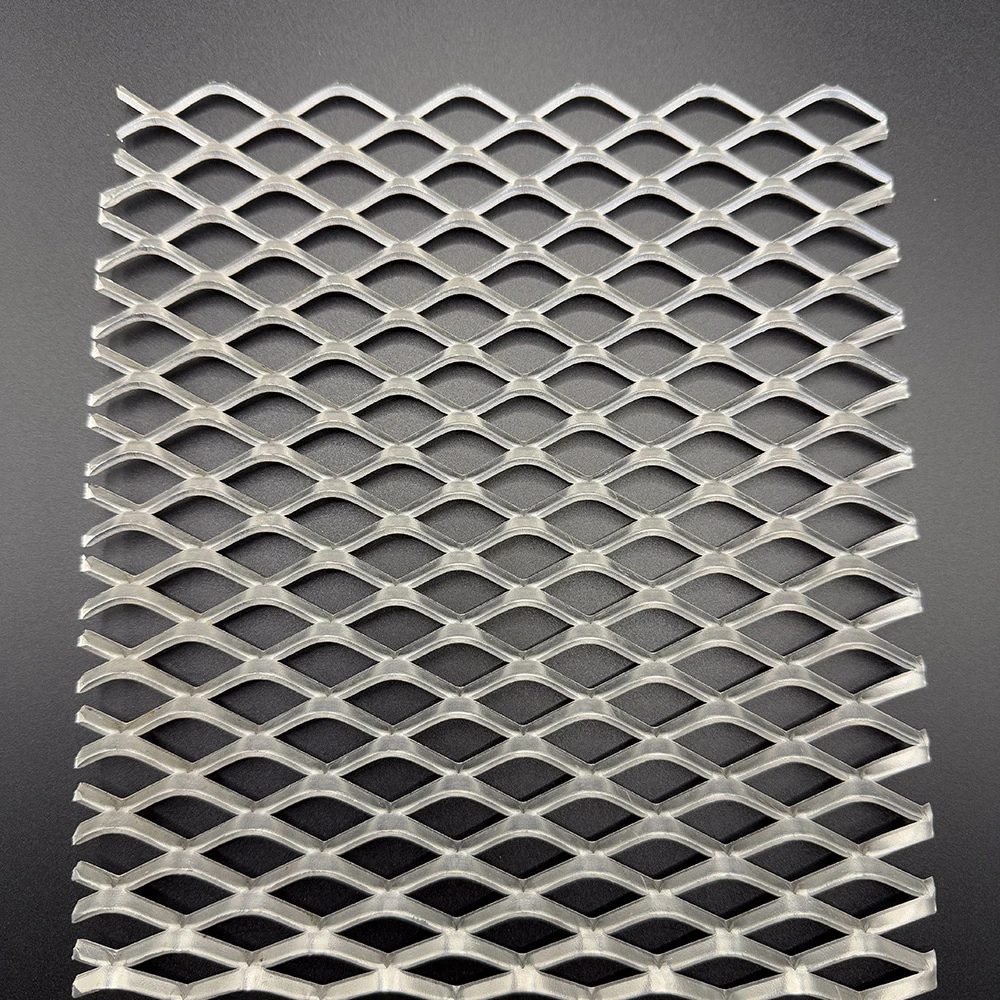
Put simply, expanded metal F2028 describes a sheet of metal that has been slit and stretched to form a mesh with a specific pattern, standardized under the designation "F2028" which details the dimensions and strand size. Rather than welding or weaving, the metal is mechanically expanded, which enhances its strength-to-weight ratio while allowing air and light passage. This makes it an ideal choice across modern industries — from fencing and safety grilles to architectural facades — and humanitarian use, such as quick-to-build shelters or secure cargo containment.
A seemingly simple product, expanded metal F2028 combines functional design with practical engineering principles that support many sectors.
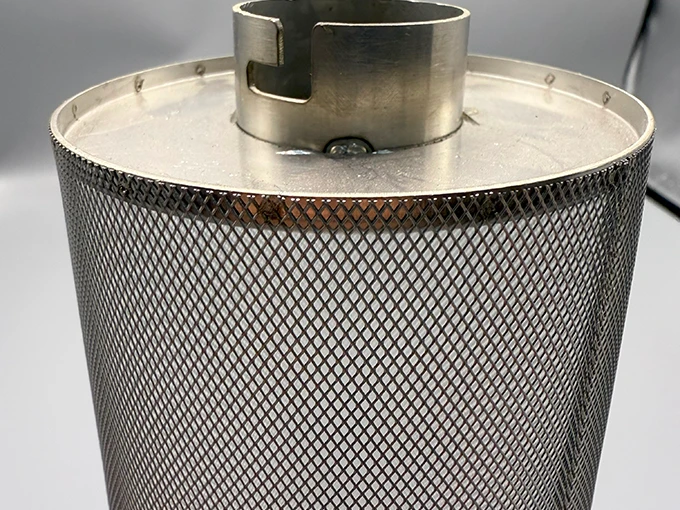
Crafted typically from steel or aluminum, F2028 expanded metal resists wear, corrosion, and mechanical stress. This makes it reliable for outdoor and industrial environments, where weather and rough handling could otherwise degrade performance.
The manufacturing process allows for large sheets or smaller panels, adaptable to projects of all sizes. Whether it’s a large-scale factory safety screen or a small ventilation mesh, the sizes and shapes can be customized easily.
Because it’s produced from a single sheet of metal without welds or joints, waste is minimized, and labor costs drop. The savings often get passed along, making it an economical choice without compromising strength.
The expanded structure reduces material weight while preserving its structural integrity, which helps reduce transportation and installation costs significantly.
The open mesh allows air, light, and sound to pass through — critical for applications where airflow or transparency matters, like security fencing or architectural cladding.
Durability, efficiency, and versatility make expanded metal F2028 a top pick for engineers wanting maximum function with minimal fuss.
From the steel factories of Germany to remote African villages, expanded metal F2028 finds uses in diverse environments. In post-disaster relief efforts — say after typhoons or earthquakes in Southeast Asia — quickly erected shelters or protective grids made from expanded metal ensure safety and dignity for displaced families.
Industrial zones in North America use F2028 mesh for machinery guards and conveyor belts; these elements maintain smooth operation while safeguarding workers. Meanwhile, architects in Europe apply the mesh for eco-friendly building facades that reduce energy costs by improving ventilation.
Years ago, I stumbled upon a small NGO in South America using F2028 mesh panels to create secure, inexpensive fences for schools in rural areas — a straightforward yet powerful example of how the material delivers long-term impact on community security and peace of mind.
Expanded metal F2028’s global footprint spans multiple industries and social efforts, proving its versatility and universal appeal.
| Specification | Details |
|---|---|
| Material | Steel, Aluminum, or Stainless Steel |
| Strand Width | 2.0 - 3.0 mm (varies by supplier) |
| Mesh Opening Size | 20 x 28 mm (typical for F2028) |
| Sheet Thickness | 0.8 - 2.5 mm |
| Weight | Approximately 4 - 7 kg/m² (depends on thickness) |
| Surface Treatment | Galvanized, Powder Coated, or Plain |
| Vendor | Material Range | Customization Options | Lead Time | Pricing |
|---|---|---|---|---|
| Global Mesh Co. | Steel, Aluminum | Size, Thickness, Coating | 2-3 weeks | Mid-range |
| EcoMetal Supplies | Recycled Steel, Stainless | Custom Patterns, Finishes | 4-5 weeks | Premium |
| Rapid Expansion Ltd. | Aluminum, Steel | Standard Sizes Only | 1 week | Budget Friendly |
What really sets expanded metal F2028 apart isn’t just the specs on paper, but how it translates to practical value. Its cost-efficiency saves projects serious cash over time — from less material wasted during production to easier installation on-site. Meanwhile, because the structure is inherently sustainable (often recyclable and requiring less raw input), it appeals to green building standards and circular economy principles.
Socially, the material supports safer workspaces and community developments, which fosters trust and innovation. Honestly, when workers feel protected by reliable machinery guards or shelters stand strong during storms, it builds a sense of dignity and trust in infrastructure — a sometimes overlooked but crucial factor.
Expanded metal F2028 delivers a blend of financial, social, and sustainable advantages over the long haul — quite the combo.
Looking ahead, several exciting developments hint at a bright future for expanded metal F2028. Green coatings and surface treatments will enhance corrosion resistance without harmful chemicals. Digital design and automation will drive ultra-precise cutting and patterns, allowing architects and engineers to dream bigger with less waste.
Moreover, as off-grid renewable energy installations arise, expanded metal panels could serve as lightweight, ventilated frames for solar or wind technologies in harsh climates. It's a kind of transformation where a humble metal mesh might just become a silent hero of sustainable infrastructure.
Despite the many perks, expanded metal F2028 isn’t without hiccups. Sometimes, inconsistent quality between suppliers creates installation delays or durability issues. Also, the open mesh design might not fit all security applications without secondary barriers.
But many engineers recommend partnering with experienced vendors who provide rigorous testing and certification. New composite hybrid materials that combine expanded metal with polymers or resins are also gaining traction—offering improved impact resistance and weatherproof qualities.
The long-term value of expanded metal F2028 is clear — it’s the kind of product that balances strength, affordability, and sustainability with a global footprint that spans industries and communities. Whether you’re in construction, industrial safety, or humanitarian efforts, investing in this material means choosing resilience and innovation.
Interested in exploring options or customizing your order? Visit our website: https://www.ccmetalmesh.com and discover how expanded metal can transform your next project.



![$item[alt]](https://images.exportstart.com/images/a1393/cc-7691.webp "$item[title]")