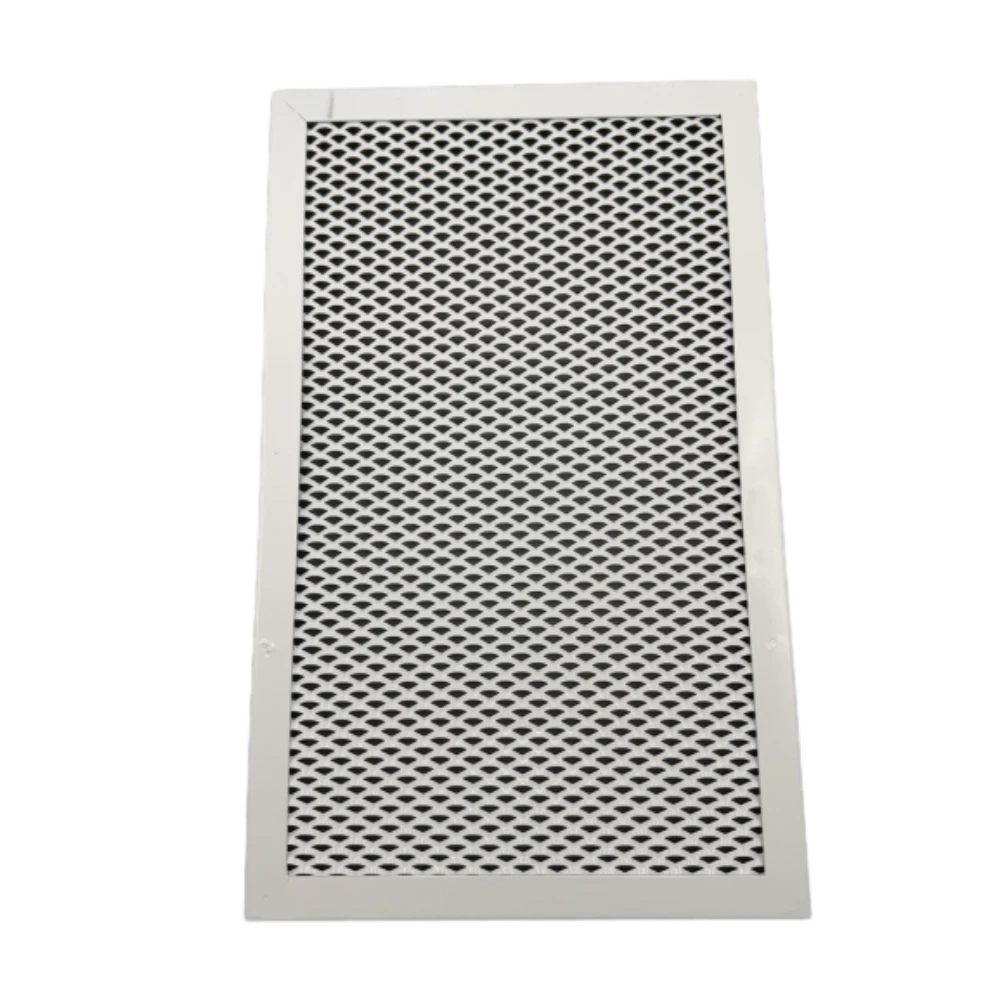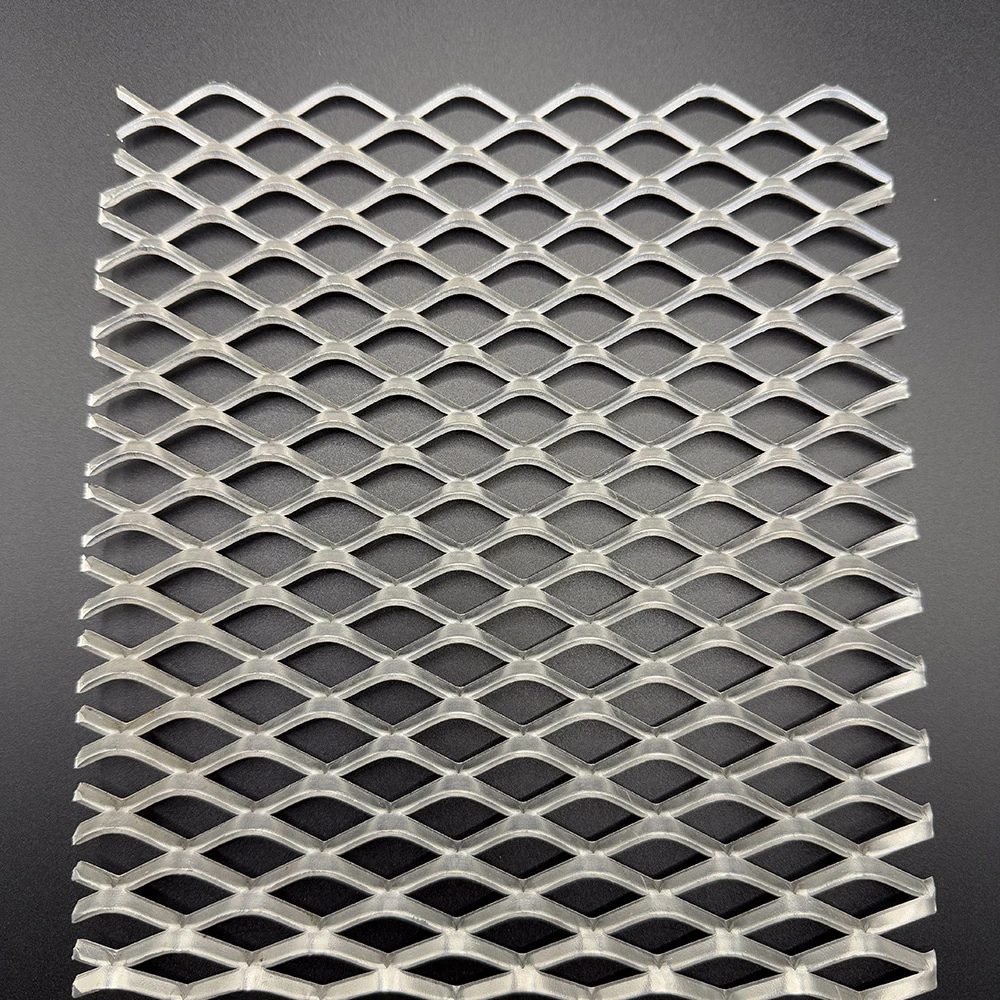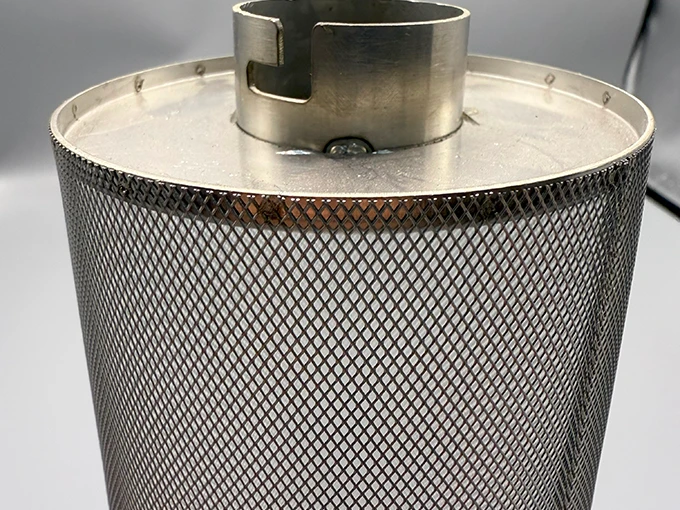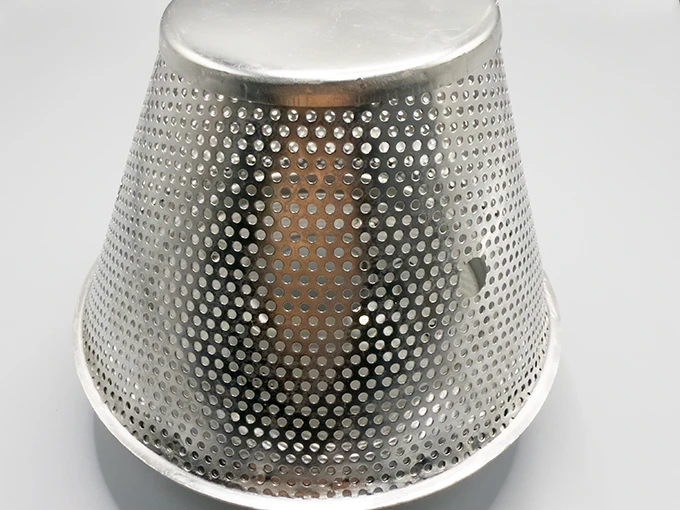
Introduction to Expanded Metal Expanded metal is a versatile and cost-effective material formed by simultaneously slitting and stretching metal sheets to create a mesh-like pattern. It offers excellent strength-to-weight ratio, making it suitable for both structural and decorative applications. The open mesh design provides superior ventilation, light transmission, and drainage, while maintaining a secure and durable barrier. Expanded metal is available in various materials including carbon steel, stainless steel, and aluminum, offering resistance to corrosion, chemicals, and environmental stress. It can be easily fabricated, welded, and finished for custom installations. Its anti-slip surface and rigidity make it ideal for walkways, fencing, machine guards, and architectural facades. The design flexibility allows for different mesh sizes, thicknesses, and strand widths to suit diverse industrial and aesthetic needs. Lightweight yet strong, expanded metal reduces material waste during production, making it an eco-friendly choice.
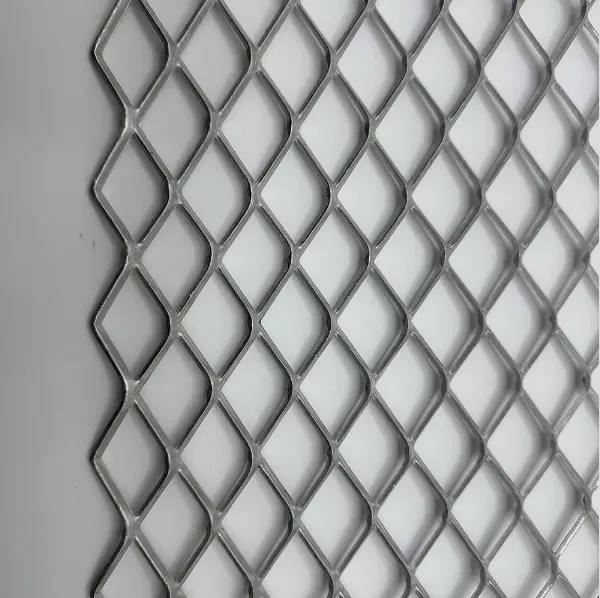
Extruded metal mesh is designed by stretching metal into a seamless pattern without welding. This design ensures maximum structural integrity, making it highly suitable for use in industrial screens, filters, and partitions. The pattern of extruded metal mesh enhances airflow and visibility, which is ideal for architectural facades and machinery safety enclosures.
1 4 expanded metal refers to expanded metal with a specific opening size (typically 1/4 inch), providing a perfect balance between strength and visibility. It is commonly used in security panels, window guards, and ventilation grilles. The uniformity and precision of 1 4 expanded metal make it a preferred choice in applications requiring aesthetics with robustness.
Expanded metal walkway products are engineered to provide a secure, anti-slip surface in industrial and public settings. These walkways are often used in factories, bridges, and rooftop access platforms. The durability and open structure of the expanded metal walkway allow for effective drainage and debris management, improving safety and cleanliness in high-traffic zones.
Stainless steel expanded metal mesh offers enhanced resistance to corrosion, making it ideal for harsh and wet environments. From marine applications to food processing facilities, stainless steel expanded metal mesh maintains its integrity and appearance over time. It is also used in decorative architecture and art installations due to its modern, sleek finish.
Expansion metal is widely used across industries for its adaptability and structural strength. It serves in fencing, reinforcement in concrete, and even as support for plaster or stucco. Due to its manufacturing process, expansion metal retains material strength while reducing waste, contributing to sustainable building practices.
Expanded metal is used for walkways, fences, machine guards, architectural facades, and ventilation screens due to its strength and open mesh design.
Extruded metal mesh offers seamless construction with no welds, providing higher integrity and durability, especially for heavy-duty and safety-critical applications.
1 4 expanded metal has consistent opening sizes that offer both visibility and strength, making it ideal for security applications.
Yes, stainless steel expanded metal mesh resists corrosion and environmental wear, making it perfect for outdoor and marine applications.
Expansion metal is produced through a process that reduces scrap waste, utilizes less raw material, and often incorporates recyclable content, making it a sustainable choice.



![$item[alt]](https://images.exportstart.com/images/a1393/cc-7691.webp "$item[title]")