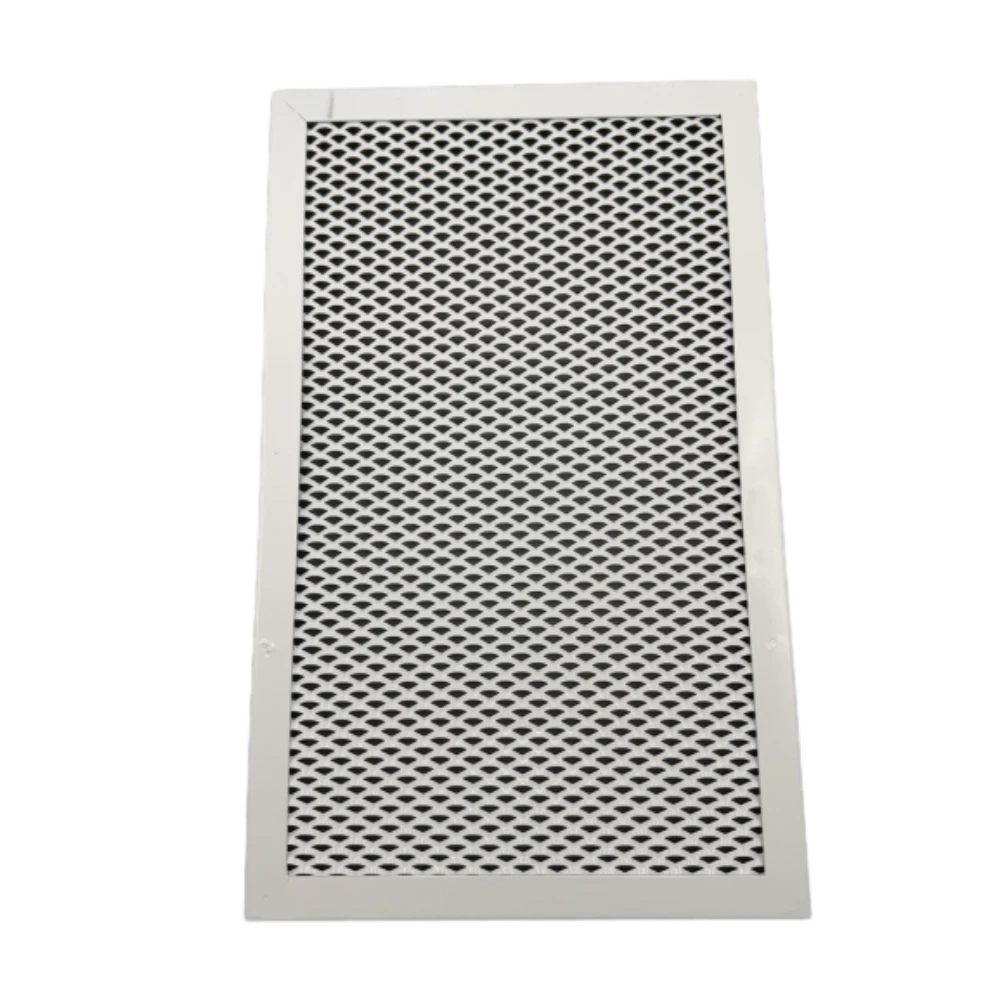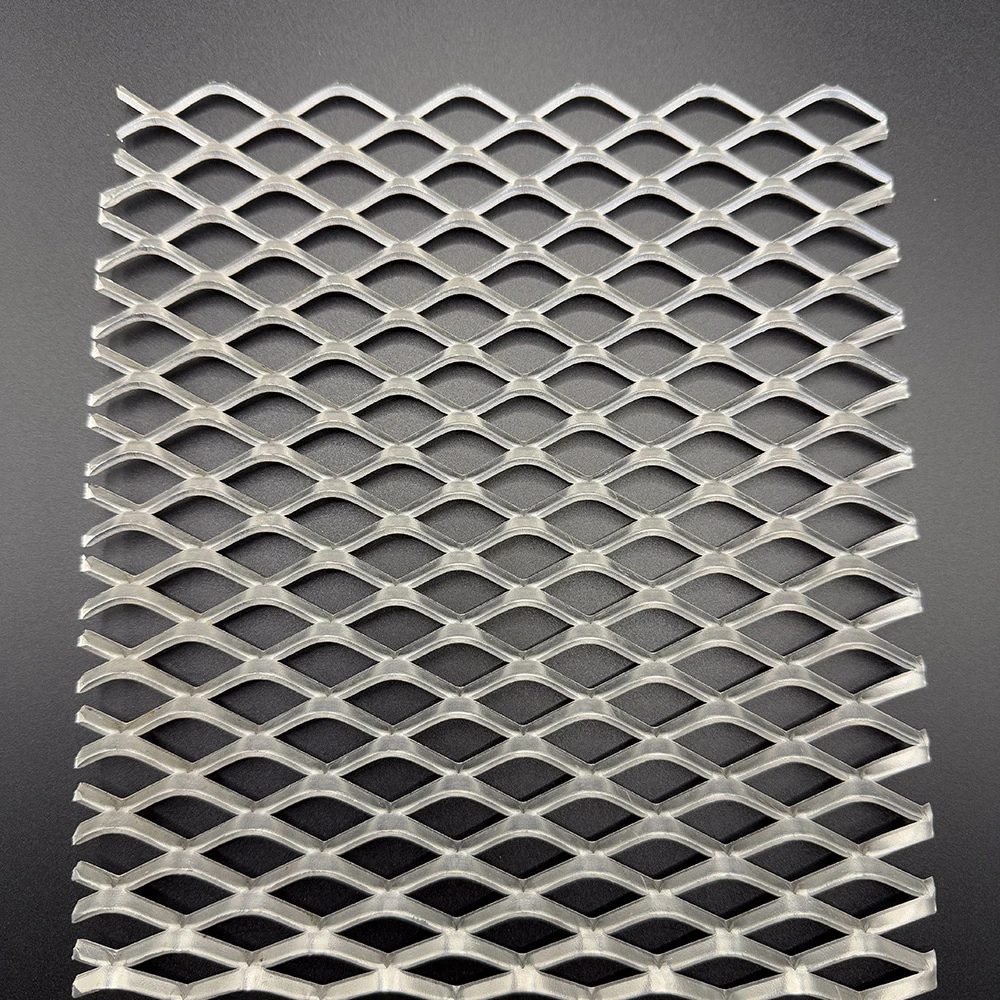
Flat expanded metal is a unique type of metal sheet created by slitting and stretching the material, then flattening it to produce a smooth, uniform surface with an open mesh pattern. Unlike standard expanded metal, flattening removes the raised texture, making it easier to handle and better suited for applications requiring a flat profile.
This process keeps all the benefits of expanded metal — excellent strength-to-weight ratio, durability, and ventilation — while creating a sheet that lies flat, ideal for projects like roofing panels, machine guards, and decorative architectural elements.
Manufacturers often use carbon steel, aluminum, or stainless steel to produce flat expanded metal. Each material offers specific advantages: steel provides durability and strength, aluminum adds lightweight corrosion resistance, and stainless steel ensures superior rust protection in harsh environments.
The flattened structure simplifies installation and finishing operations such as painting or powder coating, ensuring a consistent and attractive appearance.
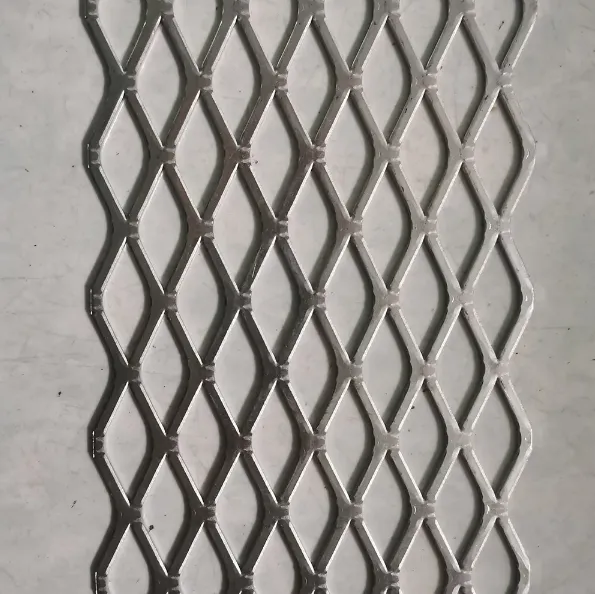
The steel expanded metal sheet flattened variant is favored in industrial settings for its combination of toughness and smooth surface. Flattening improves contact area and load distribution, making it suitable for heavy-duty flooring, platforms, and walkways where users demand both safety and comfort.
Thanks to its uniform thickness, flattened steel expanded metal fits well in applications requiring close tolerances or direct contact with other materials, like conveyor belts or protective covers.
Often galvanized or coated to prevent corrosion, these steel sheets resist wear and environmental damage, maintaining strength over years of use in factories, warehouses, or outdoor facilities.
The flattened design also allows for easier cutting and welding, supporting custom fabrication without compromising the mesh's structural integrity.
Flattened expanded aluminum offers a great blend of strength, corrosion resistance, and lightweight properties. Aluminum's natural resistance to oxidation makes it an excellent choice for outdoor applications, including siding, sunscreens, and ventilation panels.
Flattening aluminum expanded metal ensures a smooth surface that can be painted or anodized for additional protection and aesthetic appeal.
This type of sheet is popular in marine, transportation, and architectural industries due to its durability and minimal maintenance requirements.
Its lightweight nature simplifies installation and reduces overall structure weight, contributing to energy efficiency and cost savings.
Flat expanded metal sheets come in a variety of mesh sizes, thicknesses, and materials. One common specification is the 1 2 13 flat expanded metal or 1 2 13 flattened expanded metal, which refers to particular strand widths and mesh opening sizes designed for specific load and airflow requirements.
The choice of size depends heavily on the intended application. Smaller mesh openings offer better security and fine filtration, while larger openings provide improved ventilation and reduced weight.
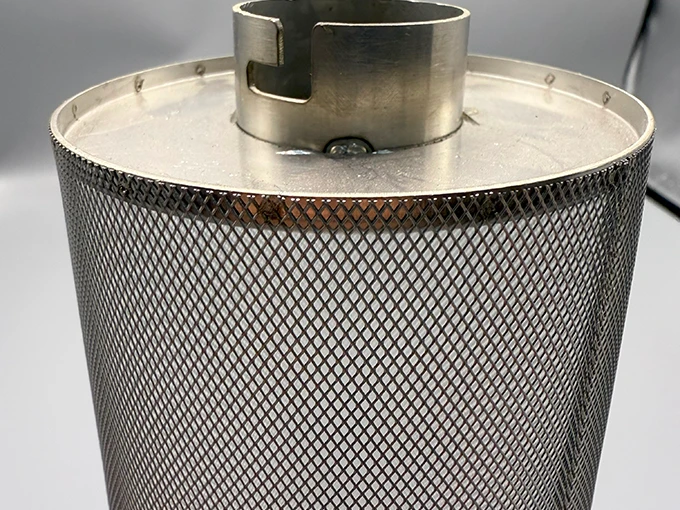
Custom orders can be accommodated with varied strand thicknesses and sheet dimensions, ensuring perfect fits for architectural panels, safety guards, or industrial filters.
Surface treatments like galvanizing, powder coating, or PVC coating are often applied to enhance durability and match environmental needs.
The flat expanded metal is widely used in construction, manufacturing, and design industries. Its open mesh promotes excellent airflow and light transmission while its flat surface ensures compatibility with various mounting and finishing processes.
Applications include fencing, protective machine guards, walkways, ceiling panels, and decorative elements. The smooth finish also reduces snagging risks and facilitates cleaning, which is important in food processing or pharmaceutical environments.
Besides functionality, flat expanded metal adds an industrial aesthetic popular in modern architecture, blending practicality with style.
Environmentally, its efficient production reduces metal waste, and the material is often recyclable, supporting green building initiatives.
Flat expanded metal is processed further to remove the raised texture, resulting in a smooth, uniform surface, while standard expanded metal has a raised diamond pattern.
Common materials include carbon steel, stainless steel, and aluminum, each offering different benefits regarding strength, corrosion resistance, and weight.
Yes, they can be made in various thicknesses, mesh sizes, and with different surface treatments based on project requirements.
Typical uses include flooring, machine guards, architectural facades, fencing, ventilation panels, and decorative features.
You can find quality products and customization options from specialized expanded metal suppliers. Visit their websites or contact their sales teams for detailed information and quotes.



![$item[alt]](https://images.exportstart.com/images/a1393/cc-7691.webp "$item[title]")