The global industrial landscape relies heavily on versatile materials that balance structural integrity with functionality. Among these, the plain expanded metal sheet stands out as a critical component in modern engineering, offering a unique combination of strength, transparency, and ventilation. By utilizing a cold-pressing process that slits and stretches metal, this material creates a consistent diamond-shaped mesh without the waste associated with traditional punching or weaving.
Understanding the technical nuances of these sheets is essential for architects, industrial designers, and procurement specialists. From providing secure walkways in oil rigs to creating sophisticated acoustic panels in urban skyscrapers, the application of expanded metal has evolved. Its ability to be customized in terms of strand width, bond size, and material grade makes it an indispensable asset in the global supply chain.
Ultimately, opting for a high-quality plain expanded metal sheet is not just about choosing a mesh; it is about optimizing the longevity and safety of an infrastructure project. This guide explores the technical dimensions, global industrial context, and innovative trajectories of expanded metal to help professionals make informed material selections.
Global Industrial Context of Plain Expanded Metal Sheet
On a global scale, the demand for high-strength screening solutions has surged as industrialization accelerates in Southeast Asia and Africa. According to trends aligned with ISO quality standards, the shift toward lightweight yet durable construction materials has placed the plain expanded metal sheet at the forefront of the metal fabrication industry. The challenge for many industries has been finding a material that offers high airflow and visibility without compromising the structural load-bearing capacity.
This global demand is driven by the need for cost-effective security and filtration solutions. Unlike woven mesh, which can unravel if a wire is cut, the monolithic structure of expanded metal ensures that the sheet remains intact under extreme stress. This characteristic is vital for infrastructure projects in remote industrial zones where maintenance is difficult and material reliability is non-negotiable.
Defining the Plain Expanded Metal Sheet Architecture
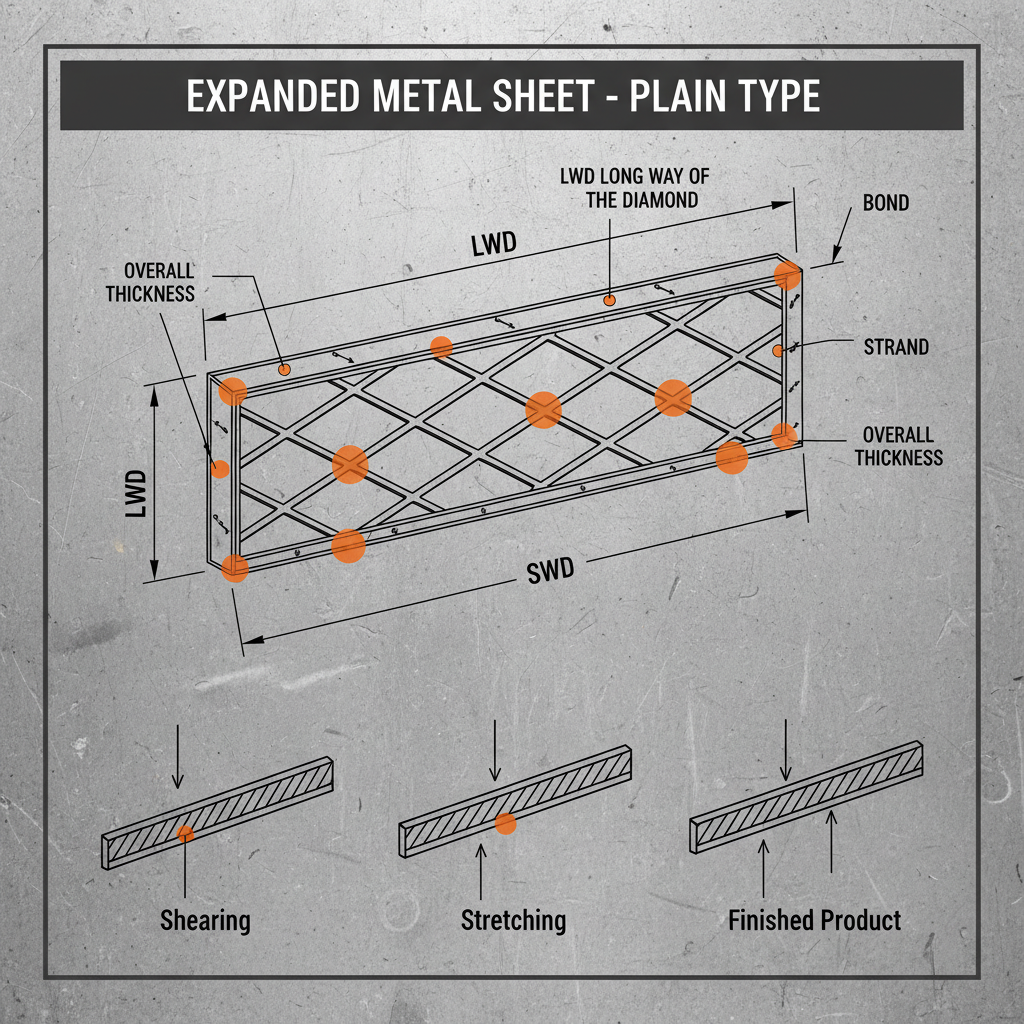
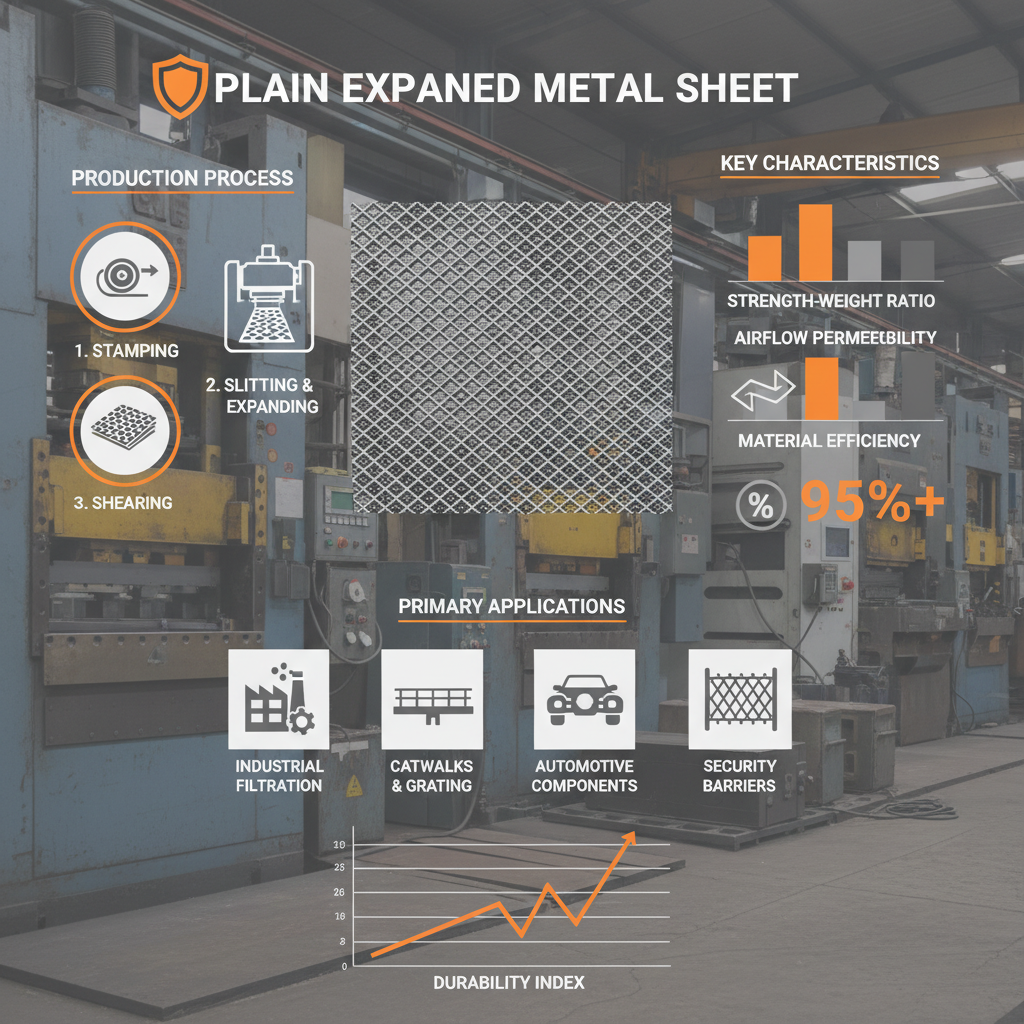
In simple terms, a plain expanded metal sheet is created by shearing a metal strip and stretching it simultaneously. This process transforms a solid sheet into a mesh of interconnected diamond openings. Because the metal is not punched or welded, there is no material waste, making it a more sustainable and economical choice than perforated sheets for many general-purpose applications.
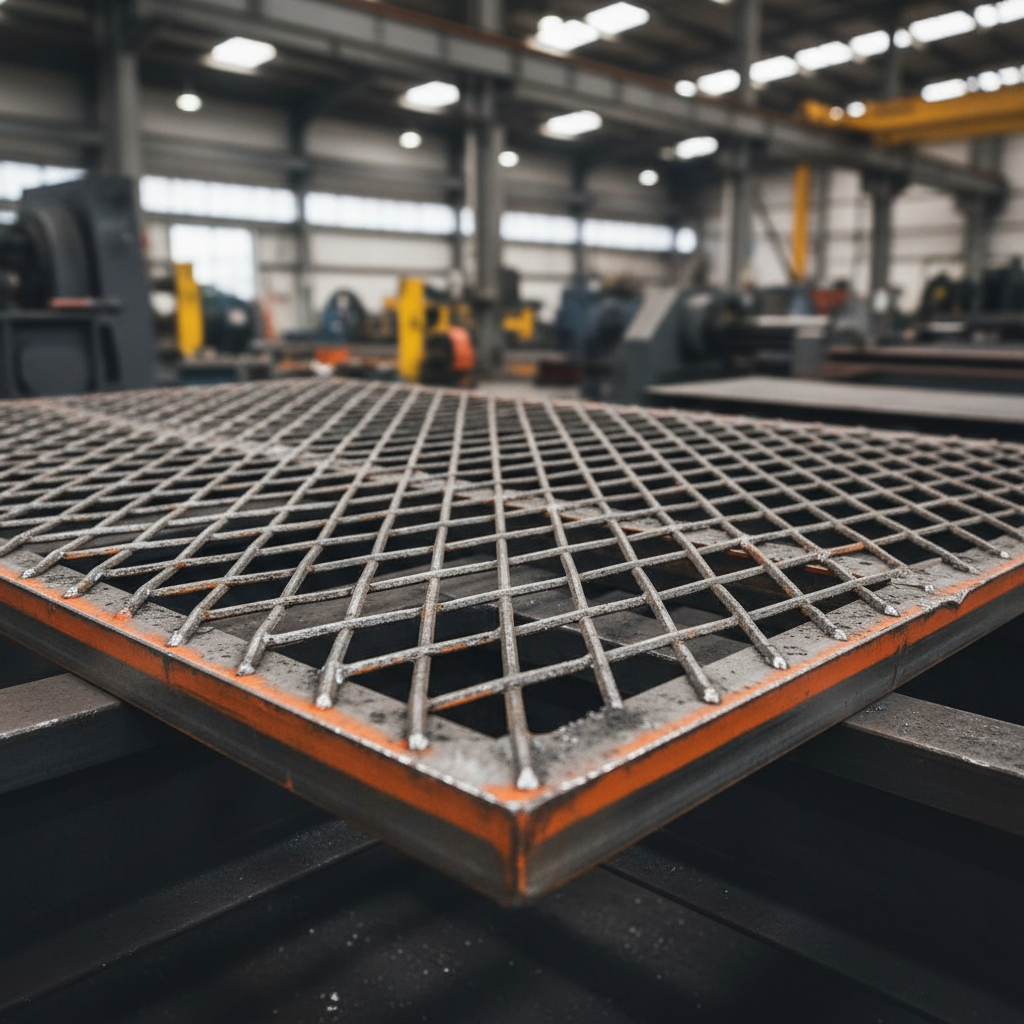
The "plain" designation refers to the standard diamond geometry, as opposed to "raised" expanded metal, where the strands are flattened after stretching. This architectural difference is crucial; plain expanded metal maintains a natural angle to the strands, which provides superior grip and stiffness, making it ideal for anti-slip flooring and heavy-duty guarding.
In the context of modern humanitarian and industrial needs, this material bridges the gap between heavy steel plating and lightweight fabrics. It allows for the rapid deployment of security fencing, temporary shelters, and filtration systems in disaster-relief zones, where the speed of installation and the resilience of the material can literally save lives.
Core Technical Factors for Performance
Durability is the cornerstone of the plain expanded metal sheet. Depending on the base material—be it carbon steel, aluminum, or stainless steel—these sheets can withstand corrosive environments. The chemical composition of the metal, combined with protective coatings like galvanization, ensures that the mesh resists oxidation in salt-heavy coastal regions.
Scalability in design is another key factor. By adjusting the "Long Way of Opening" (LWO) and "Short Way of Opening" (SWO), manufacturers can calibrate the plain expanded metal sheet to meet specific transparency and strength requirements. This flexibility allows a single material type to serve as both a fine filter and a heavy-duty security barrier.
Cost-efficiency is realized through the zero-waste manufacturing process. Because the metal is stretched rather than cut, the raw material utilization is nearly 100%. For large-scale industrial procurement, this leads to a significant reduction in the cost per square meter compared to woven or perforated alternatives, without sacrificing the mechanical properties of the metal.
Global Applications and Industrial Use Cases
The versatility of the plain expanded metal sheet is evident across diverse sectors. In the architectural realm, it is frequently used as a facade cladding for modern buildings in Europe and North America, providing solar shading while maintaining a sleek, industrial aesthetic. In industrial plants, these sheets serve as machine guards, protecting operators from moving parts while allowing for easy visual inspection.
Furthermore, in high-stress environments like offshore oil platforms or mining sites in Australia and Canada, expanded metal is the gold standard for grating and catwalks. Its inherent slip-resistance and high strength-to-weight ratio ensure worker safety in slippery or hazardous conditions, proving that the material's value extends beyond simple filtration to critical life-safety applications.
Industrial Performance Metrics for Plain Expanded Metal Sheet Variants
Long-Term Value and Sustainability Benefits
The long-term value of investing in a plain expanded metal sheet lies in its lifecycle sustainability. Because it is produced from recyclable metals and generates zero scrap during the expansion process, it aligns perfectly with the "Circular Economy" principles. This makes it a preferred choice for LEED-certified building projects and eco-conscious industrial developments.
Beyond the environmental impact, there is a profound emotional and logical angle to its use: trust. When a facility manager installs expanded metal walkways or security cages, they are investing in the safety and dignity of their workforce. The reliability of the material reduces the anxiety associated with equipment failure, fostering a culture of innovation where safety is a baseline, not an afterthought.
Future Trends in Metal Mesh Innovation
As we move toward Industry 4.0, the production of the plain expanded metal sheet is being revolutionized by automation and precision engineering. Computer-controlled stretching machines now allow for hyper-accurate diamond dimensions, enabling the mesh to be used in high-precision filtration systems for green hydrogen production and carbon capture technologies.
Additionally, the integration of smart coatings—such as self-healing polymers or antimicrobial surfaces—is expanding the use of expanded metal in healthcare and food processing environments. These innovations ensure that the material not only provides structural support but also actively contributes to the hygiene and longevity of the facility.
The trend is also shifting toward lightweight alloys. By experimenting with titanium and advanced aluminum composites, the industry is creating plain expanded metal sheet options that are virtually immune to corrosion while being significantly lighter, which is essential for the aerospace and electric vehicle (EV) sectors.
Overcoming Implementation Challenges
Despite its advantages, implementing plain expanded metal sheet can present challenges, particularly regarding the sharpness of the edges. In high-traffic areas, raw expanded metal can be hazardous. The expert solution is "banding" or "flattening," where the perimeter is treated or a frame is welded to ensure user safety without compromising the mesh's functionality.
Another common limitation is the difficulty in achieving perfectly flat surfaces for certain aesthetic applications. To overcome this, engineers employ a secondary rolling process that flattens the strands while maintaining the diamond pattern. This hybrid approach allows the material to be used as a sleek architectural panel while retaining the inherent strength of expanded metal.
Lastly, selecting the wrong material grade for a specific environment can lead to premature failure. We recommend a detailed environmental audit—considering humidity, chemical exposure, and load requirements—before finalizing the specification. Using a stainless steel 316 grade for marine environments, for instance, is a non-negotiable requirement for long-term success.
Analysis of Plain Expanded Metal Sheet Material Performance by Environment
| Material Grade |
Corrosion Resistance |
Load Capacity |
Cost-Effectiveness |
| Stainless Steel 304 |
High |
Very High |
Medium |
| Stainless Steel 316 |
Excellent |
Very High |
Low |
| Galvanized Steel |
Medium |
High |
High |
| Aluminum 5052 |
High |
Medium |
Medium |
| Mild Steel |
Low |
High |
Excellent |
| Titanium Alloy |
Extreme |
High |
Very Low |
FAQS
The primary difference lies in the manufacturing process. Perforated sheets are created by punching holes out of a solid sheet, which results in material waste (slugs). A plain expanded metal sheet is created by slitting and stretching the metal, meaning no material is removed. This makes expanded metal generally stronger and more cost-effective, as there is zero raw material waste during production.
Selection depends on the balance between strength and transparency. For heavy-duty flooring, wider strands and thicker gauge metal are required to support the load. For filtration or decorative facades, thinner strands and smaller openings are preferred. We recommend analyzing the maximum expected load and the required airflow/light percentage to determine the ideal LWO and SWO specifications.
Yes, but material choice is critical. Standard carbon steel will corrode rapidly. For saltwater or marine applications, we strongly recommend using Stainless Steel 316 or a high-grade aluminum alloy. These materials form a protective oxide layer that prevents chloride-induced pitting and stress corrosion cracking, ensuring the mesh remains structurally sound for decades.
In many cases, yes. Because a plain expanded metal sheet is a single, continuous piece of metal, it does not have welds that can be snapped or wires that can be unraveled. To create a hole in expanded metal, one must cut through the actual strand of the metal, which requires more effort and tools than breaking a weld point in traditional wire mesh.
Safety is a priority. The most common solutions include adding a flat metal border (banding) around the perimeter of the sheet or using a specialized flattening process. For architectural applications, the edges are often tucked into a U-channel frame or welded to a support beam, ensuring that no sharp strands are exposed to end-users.
The lifespan varies based on the environment. In a dry, indoor industrial setting, a galvanized plain expanded metal sheet can last 20-30 years. In outdoor environments with moderate rain, it typically lasts 10-15 years before the zinc coating degrades and the base steel begins to oxidize. For extreme environments, upgrading to stainless steel provides a virtually indefinite lifespan.
Conclusion
The plain expanded metal sheet represents a perfect marriage of geometric efficiency and material strength. From its zero-waste production process to its wide array of applications in security, architecture, and filtration, it offers a sustainable and high-performance alternative to traditional mesh. By focusing on the critical factors of material grade, strand dimensions, and edge treatment, engineers can leverage this material to enhance both the safety and the longevity of their projects.
Looking forward, the integration of advanced alloys and smart coatings will continue to push the boundaries of what expanded metal can achieve. As industries pivot toward greener building practices and more resilient infrastructure, the role of this versatile material will only grow. We encourage professionals to explore customized specifications to fully unlock the potential of expanded metal in their next innovation. Visit our website: www.ccmetalmesh.com