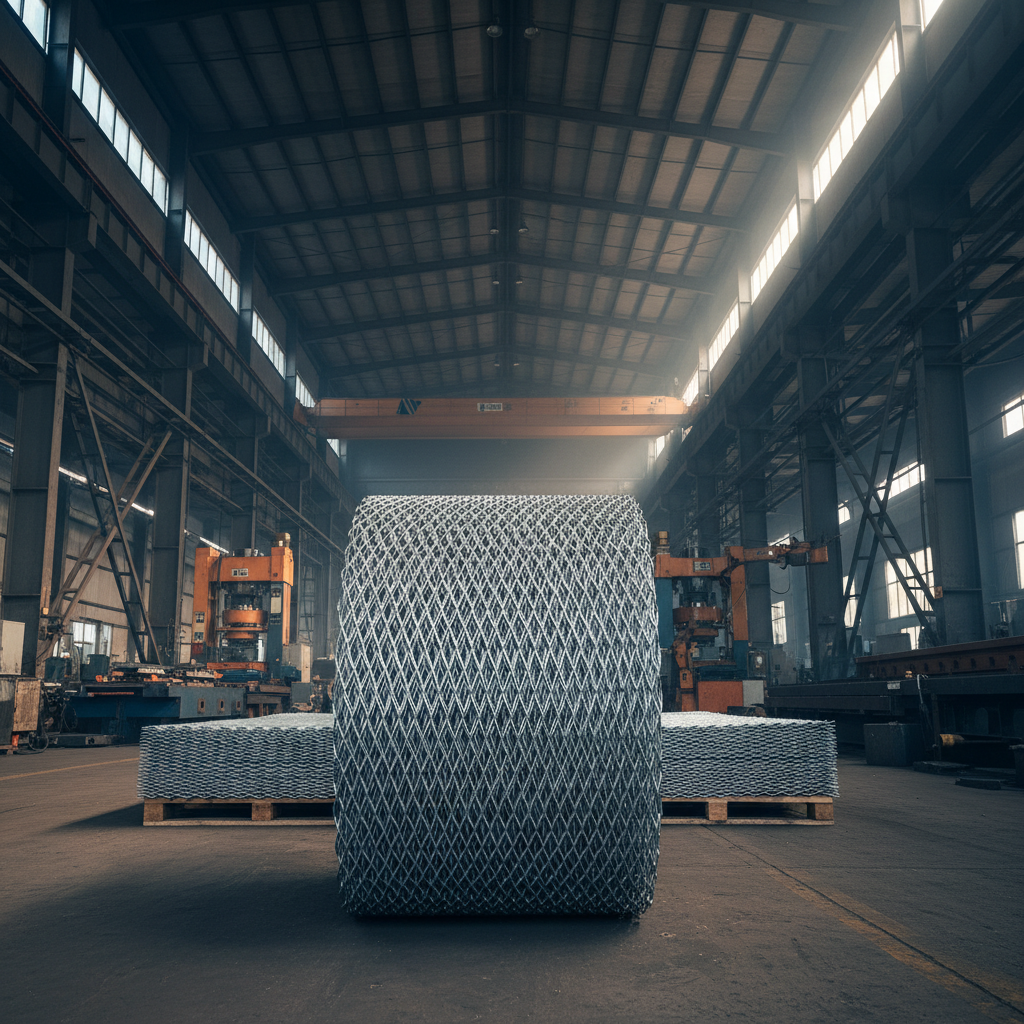
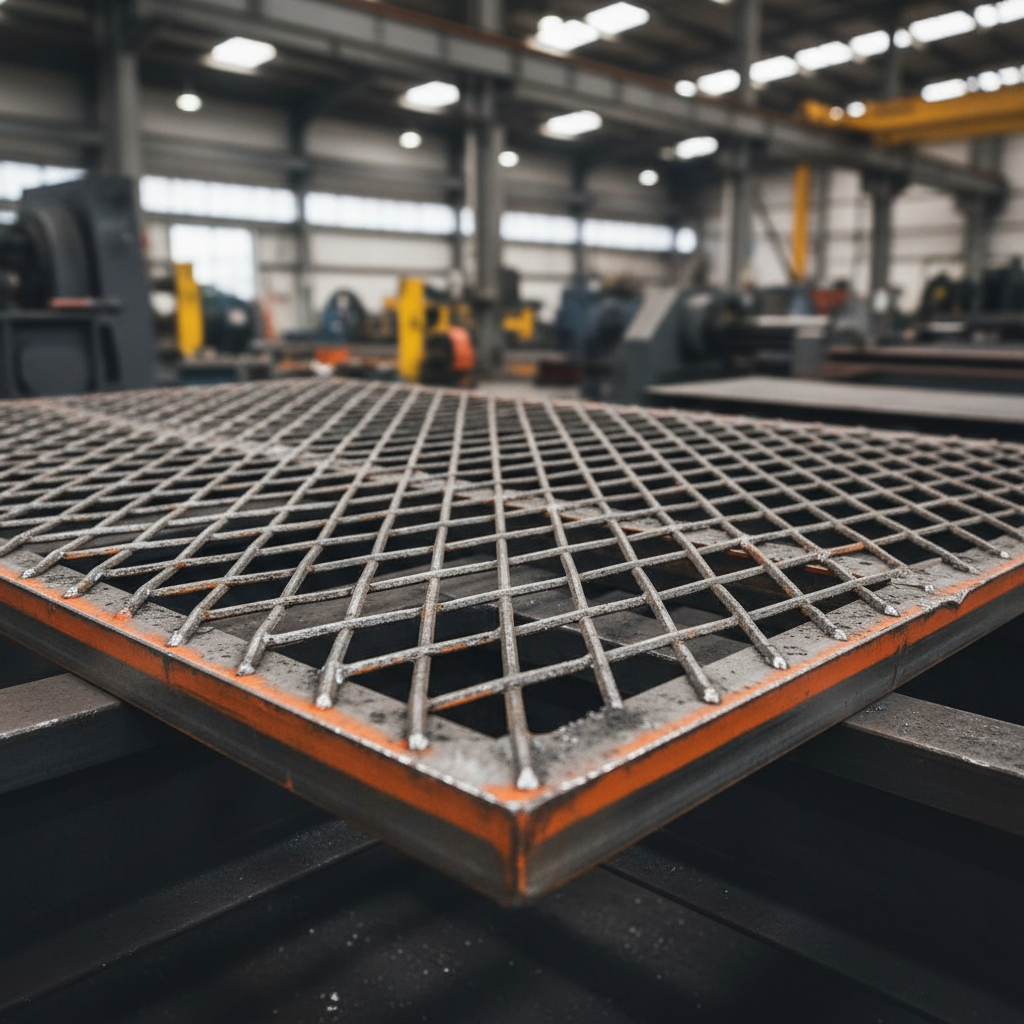
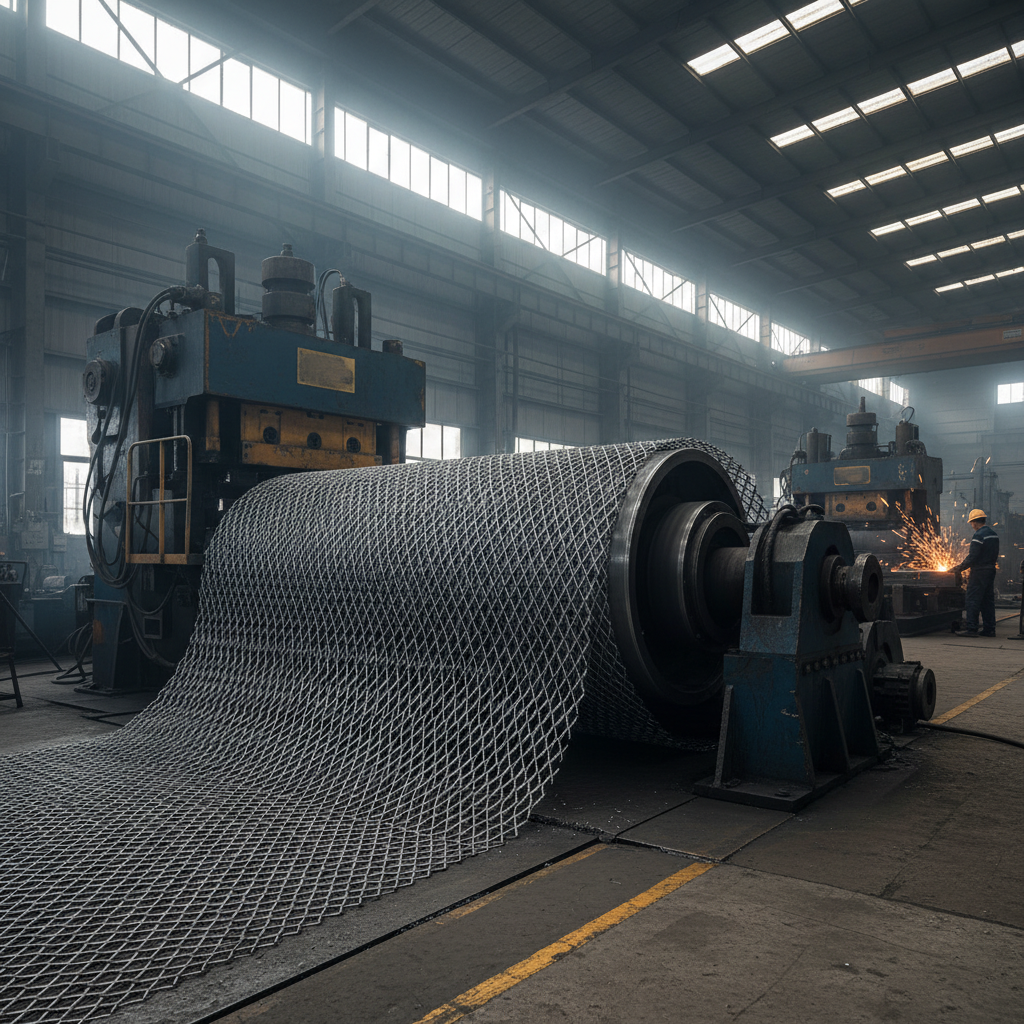
The utilization of 3 4 expanded metal represents a sophisticated intersection of material science and structural engineering, offering a unique combination of strength, transparency, and versatility. In the modern industrial landscape, the demand for materials that can provide security without sacrificing airflow or visibility has led to the widespread adoption of expanded metal solutions. By understanding the specific geometries and mechanical properties of the 3 4 specification, engineers can optimize their designs for both performance and cost-efficiency.
Globally, the shift toward sustainable construction and high-performance industrial filtration has placed 3 4 expanded metal at the forefront of architectural and mechanical innovation. Whether it is used in heavy-duty walkways or precision screening, this material addresses the critical challenge of balancing structural integrity with weight reduction. As industries strive to meet ISO standards for safety and durability, the precise shearing process used to create expanded metal ensures a consistent pattern that traditional perforated sheets often struggle to match in terms of sheer strength.
Ultimately, mastering the application of 3 4 expanded metal allows businesses to reduce material waste while increasing the lifespan of their installations. Because it is created from a single sheet of metal without the need for welding or braiding, it maintains a monolithic structure that is inherently more stable under stress. This guide explores the technical nuances, global applications, and future trajectories of this essential industrial component.
Global Industry Context of 3 4 Expanded Metal
The global market for metal products has seen a significant surge in the adoption of 3 4 expanded metal, particularly within the infrastructure and energy sectors. According to industrial trends aligned with ISO quality management systems, the move toward "lean" materials—those that provide maximum strength with minimum weight—has made expanded metal a preferred choice over traditional solid plating or heavy-gauge meshes. This shift is driven by the need to lower transportation costs and reduce the carbon footprint of large-scale construction projects.
In regions experiencing rapid urbanization, such as Southeast Asia and North America, the demand for secure yet breathable architectural elements has skyrocketed. The challenge often lies in finding a material that can withstand harsh environmental conditions while remaining cost-effective. The 3 4 expanded metal specification provides the ideal equilibrium, offering a rigid geometry that prevents sagging in long spans and resists deformation under heavy loads, making it indispensable for modern urban planning.
Defining the Technicality of 3 4 Expanded Metal
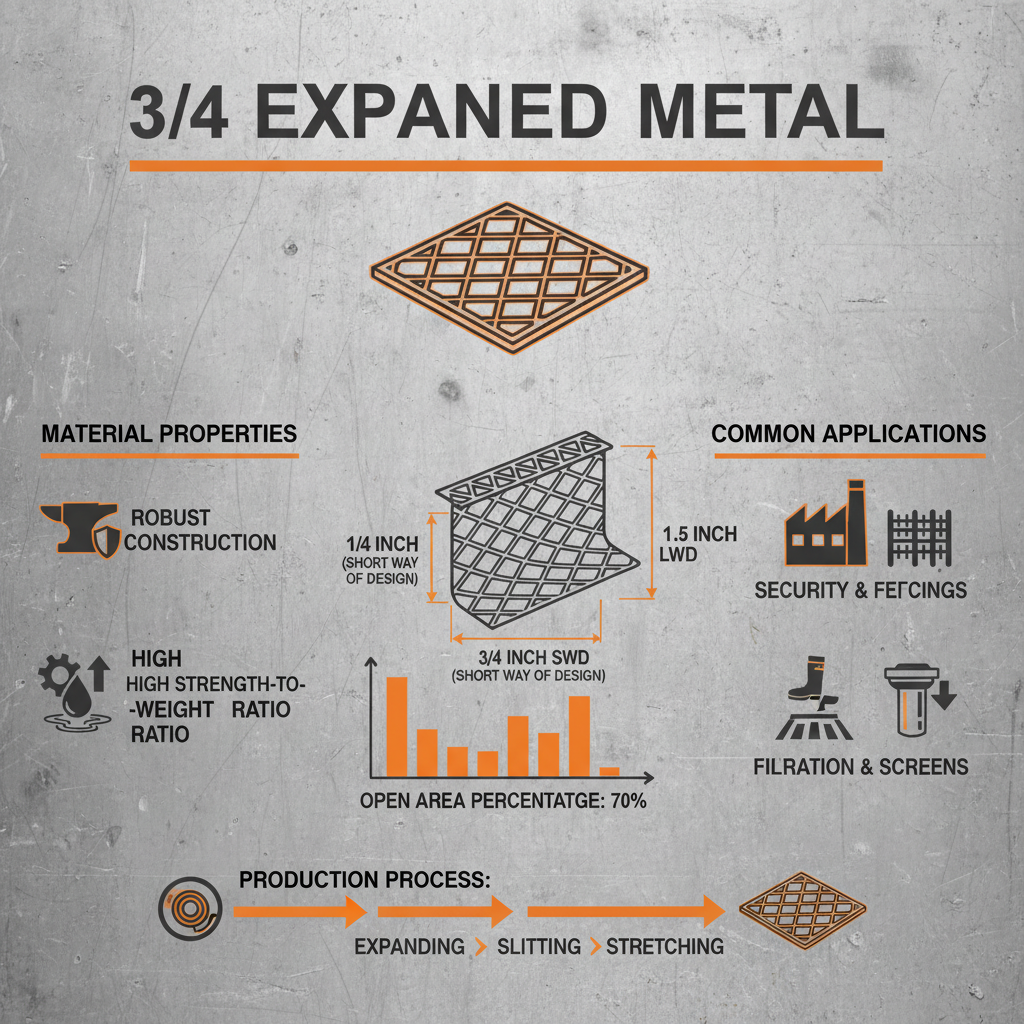
At its core, 3 4 expanded metal is produced through a simultaneous slitting and stretching process. Unlike perforated metal, where material is removed as waste "slugs," expanded metal is sheared and stretched, meaning no material is lost during production. The "3 4" designation typically refers to the specific ratio of the opening size (SW) and the strand width, ensuring a precise open-area percentage that is critical for ventilation and filtration applications.
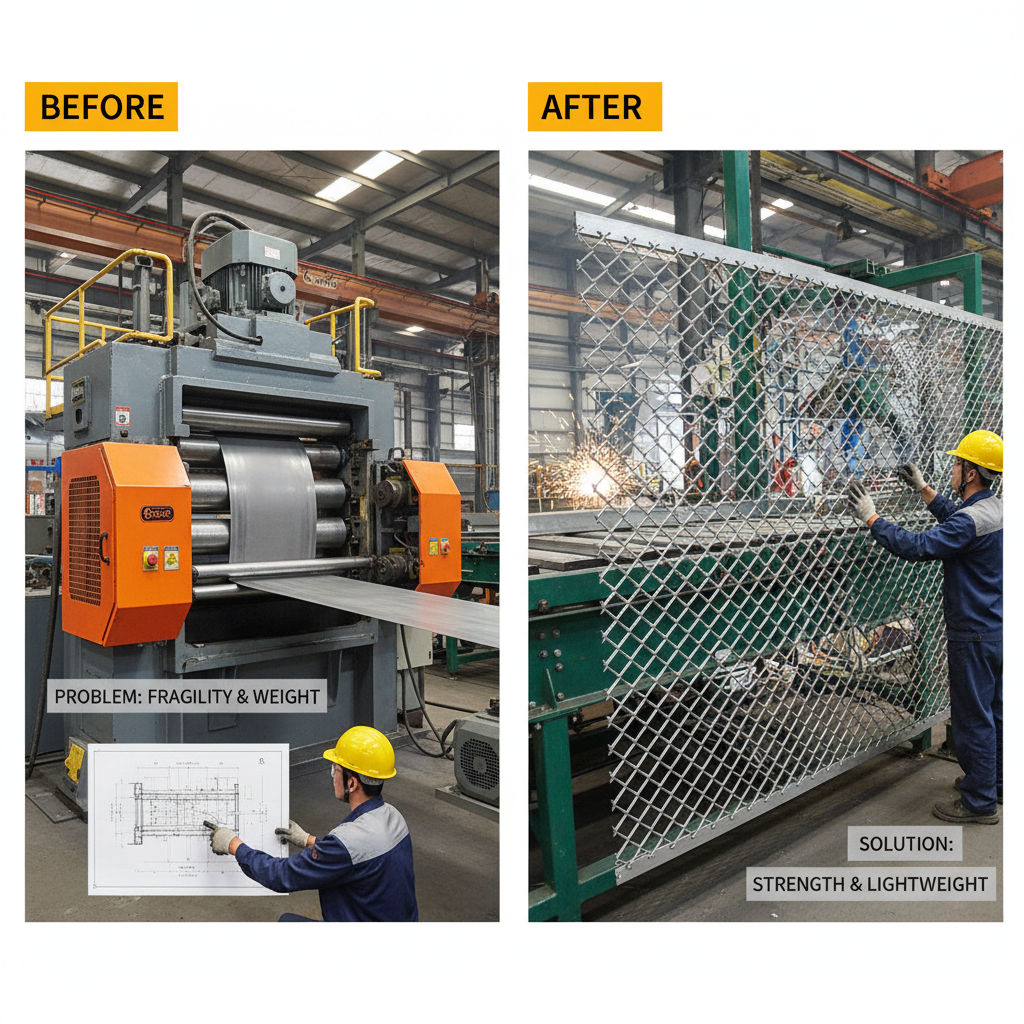
This manufacturing method creates a three-dimensional structure that adds inherent stiffness to the base metal. This geometry is what allows the material to behave as a structural beam in multiple directions, providing superior load-bearing capabilities compared to flat sheets of the same gauge. This makes it a primary choice for industrial gratings, security screens, and machine guards where safety and durability are non-negotiable.
Beyond the technical dimensions, this material bridges the gap between heavy industrial needs and humanitarian applications. For instance, in rapid-deployment infrastructure for disaster relief, the lightweight nature of expanded metal allows for the quick setup of temporary fencing and flooring, providing dignity and safety to affected populations without the need for heavy machinery for installation.
Core Components of Material Performance
One of the most critical factors in the performance of 3 4 expanded metal is its exceptional durability. Because the strands are integrated and not welded, there are no "weak points" or joints that can fail under thermal expansion or mechanical stress. This monolithic integrity ensures that the material can withstand extreme temperature fluctuations and high-impact loads without cracking.
Scalability and versatility further define the value of 3 4 expanded metal. It can be manufactured from a wide array of alloys, including aluminum for corrosion resistance, galvanized steel for industrial toughness, and stainless steel for sterile environments. This allows the same basic geometry to be adapted for everything from decorative facades to heavy-duty oil and gas filtration systems.
Finally, cost efficiency is realized through the zero-waste production process. By eliminating the scrap material associated with punching or drilling, manufacturers can offer 3 4 expanded metal at a more competitive price point while maintaining higher structural strength per pound. This economic advantage, combined with low maintenance requirements, ensures a high return on investment for long-term industrial projects.
Global Applications and Use Cases
The versatility of 3 4 expanded metal is evident in its wide range of real-world deployments. In the mining industry of Australia and Canada, it is frequently used for heavy-duty catwalks and safety barriers, where its slip-resistant surface and high load capacity are essential for worker safety in hazardous environments. The open weave allows debris and liquids to fall through, preventing the accumulation of slippery materials on walking surfaces.
In the architectural realm of Europe and Asia, designers are increasingly utilizing expanded metal as a "second skin" for buildings. This application provides solar shading and privacy while allowing natural ventilation to permeate the structure, significantly reducing energy costs for cooling. Furthermore, in the automotive and aerospace sectors, smaller-scale iterations of this metal are used for lightweight heat shields and electromagnetic interference (EMI) shielding.
Performance Comparison of 3 4 Expanded Metal Variants
Long-Term Value and Sustainable Advantages
The long-term value of investing in 3 4 expanded metal extends beyond initial cost savings. From a sustainability perspective, the zero-waste manufacturing process aligns perfectly with circular economy goals. Because the material is 100% recyclable at the end of its lifecycle, it offers a green alternative to composite materials that often end up in landfills.
Moreover, the reliability of expanded metal reduces the frequency of replacement cycles. In harsh chemical environments, the use of high-grade stainless steel 3 4 expanded metal ensures that structural integrity is maintained for decades. This reliability fosters trust between contractors and clients, as it guarantees that the installed safety systems will not degrade prematurely, thereby ensuring the ongoing dignity and safety of all users.
Future Trends in Expanded Metal Technology
As we look toward the future, the integration of smart materials into 3 4 expanded metal is becoming a reality. Researchers are exploring the application of nano-coatings that can make the metal surface self-cleaning or super-hydrophobic, which would be revolutionary for filtration systems in water treatment plants. This digital transformation in material coating will further extend the lifespan of the mesh in highly corrosive environments.
Automation and AI-driven precision shearing are also refining the consistency of the 3 4 pattern. By utilizing real-time sensors during the stretching process, manufacturers can now achieve tolerances that were previously impossible, allowing 3 4 expanded metal to be used in high-precision aerospace components where every micron of airflow matters.
Furthermore, the trend toward "green energy" is driving the use of expanded metal in the construction of massive solar panel arrays and wind turbine maintenance platforms. The ability to create lightweight, high-strength supports that do not block light or wind flow makes this material a key enabler of the global transition to renewable energy sources.
Challenges and Expert Solutions
Despite its many advantages, 3 4 expanded metal can present challenges, particularly regarding the "sharp edges" created during the shearing process. In environments where human contact is frequent, these edges can pose a safety risk. The expert solution involves a process called "flattening" or "bordering," where the mesh is passed through a heavy roller to remove the angle of the strands, creating a smooth, safe surface.
Another common limitation is the potential for corrosion in low-grade carbon steel variants. To overcome this, industry experts recommend advanced hot-dip galvanizing or powder coating. By creating a chemical bond between the protective layer and the 3 4 expanded metal, the material can be shielded from oxidation even in salty coastal air or acidic industrial fumes.
Finally, specifying the correct "open area" for a particular application can be complex for non-engineers. The solution is the adoption of standardized sizing charts and the use of CAD modeling to simulate airflow and load distribution. By precisely calculating the needs of the project, users can ensure they choose the exact weight and pattern of expanded metal required, avoiding over-engineering and unnecessary costs.
Technical Analysis of 3 4 Expanded Metal Material Options
| Material Grade |
Corrosion Resistance |
Load Bearing Capacity |
Primary Application |
| Stainless Steel 304 |
High |
Very High |
Food Processing / Medical |
| Galvanized Steel |
Medium-High |
High |
Outdoor Walkways / Fencing |
| Aluminum 6061 |
Very High |
Medium |
Architectural Facades |
| Carbon Steel |
Low |
Extreme |
Heavy Industrial Guarding |
| Stainless Steel 316 |
Extreme |
Very High |
Marine / Chemical Plants |
| Powder Coated Steel |
Medium |
High |
Decorative Security Screens |
FAQS
Unlike perforated metal, which is created by punching holes out of a sheet (creating waste), 3 4 expanded metal is slit and stretched. This means there is no material waste and the resulting three-dimensional "diamond" structure provides significantly more rigidity and strength per unit of weight than a flat perforated sheet.
The most effective way to prevent corrosion is through hot-dip galvanization or applying a high-performance powder coating. For environments with extreme salinity or acid exposure, we recommend switching to Stainless Steel 316, which contains molybdenum to resist pitting and crevice corrosion.
Yes, provided the correct gauge and strand width are selected. Expanded metal is an excellent choice for industrial flooring and catwalks because its geometry prevents sagging and the open mesh allows for drainage and prevents the buildup of hazardous materials on the walking surface.
Absolutely. It is one of the most sustainable metal products because the manufacturing process is zero-waste. Furthermore, since it is made from steel or aluminum, it is 100% recyclable, reducing the demand for virgin ore and lowering the overall environmental impact of construction projects.
To eliminate sharp edges, you can order "flattened" expanded metal, which is rolled flat after the stretching process. Alternatively, you can specify a bordered edge where the perimeter is finished with a solid metal strip for safer handling and installation.
The open area is calculated by dividing the area of the void by the total area of the mesh. For 3 4 expanded metal, this depends on the Short Way (SW) and Long Way (LW) dimensions. We provide detailed technical charts for all our products to help you find the exact percentage for your airflow or filtration needs.
Conclusion
In summary, 3 4 expanded metal stands as a pinnacle of industrial efficiency, blending high structural strength with a lightweight, zero-waste profile. From its role in critical safety infrastructure and heavy-duty industrial flooring to its innovative use in sustainable architectural facades, this material solves the age-old engineering dilemma of strength versus weight. By leveraging various alloys and finishing techniques, it adapts to the most demanding environments on Earth, ensuring long-term reliability and safety.
As we move toward an era of smarter, greener construction, the continued evolution of expanded metal technology will be vital. We encourage engineers and architects to move beyond traditional materials and embrace the versatility of expanded metal to create safer, more efficient, and more sustainable structures. For high-quality, precision-engineered solutions tailored to your specific project needs, visit our website: www.ccmetalmesh.com.