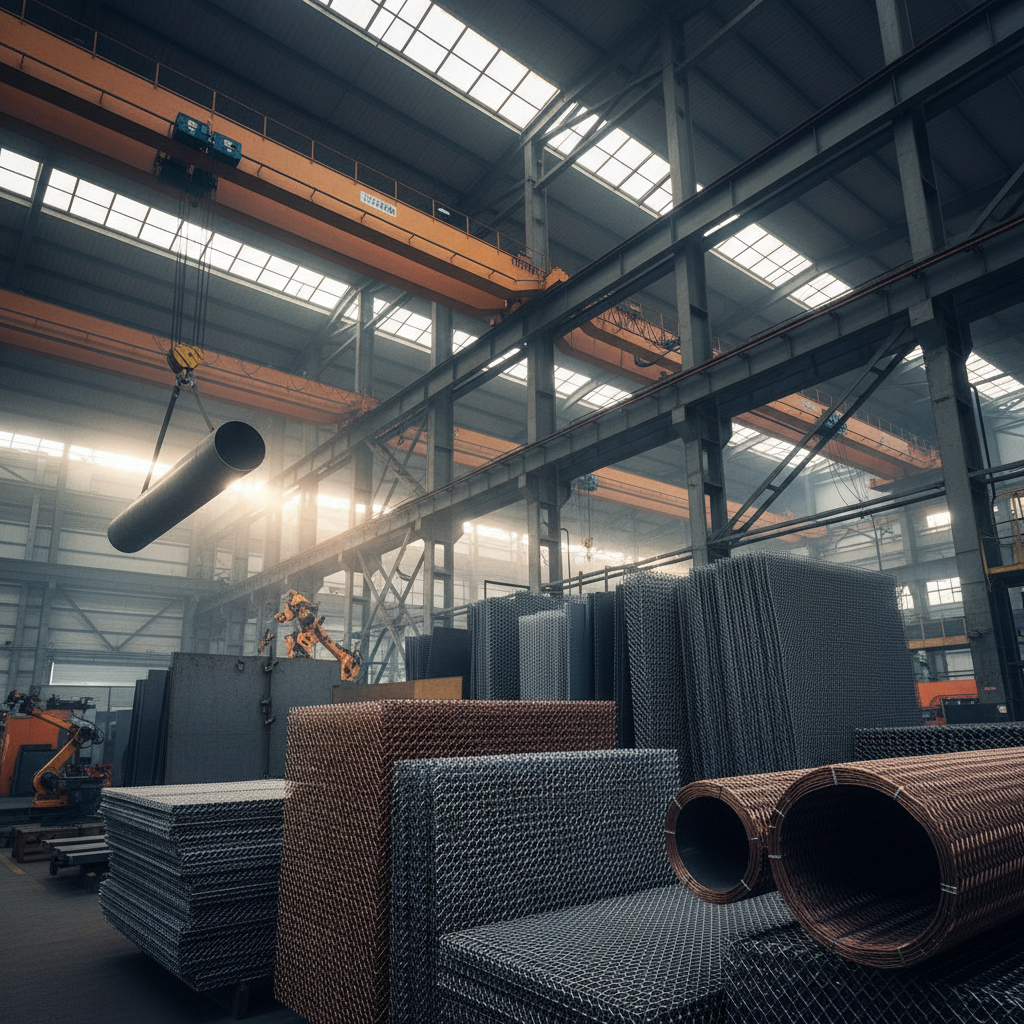
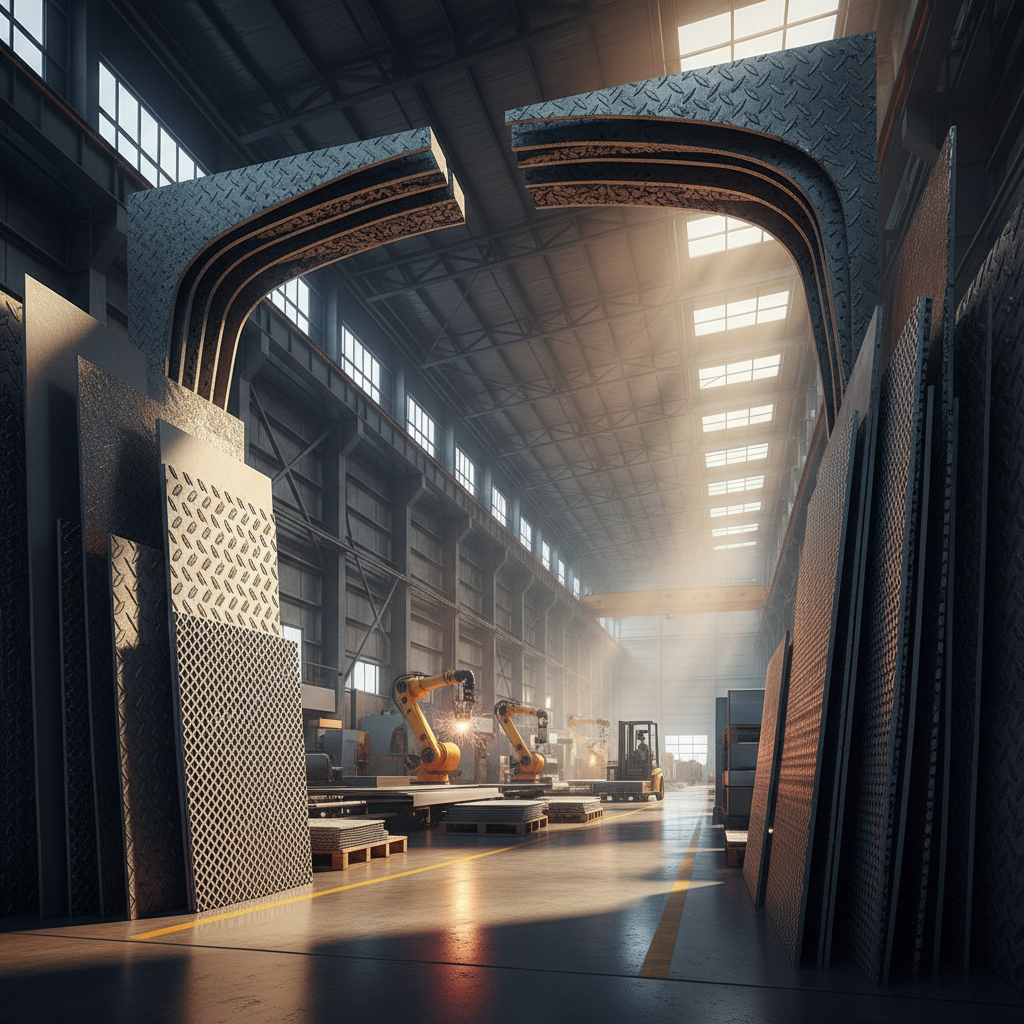
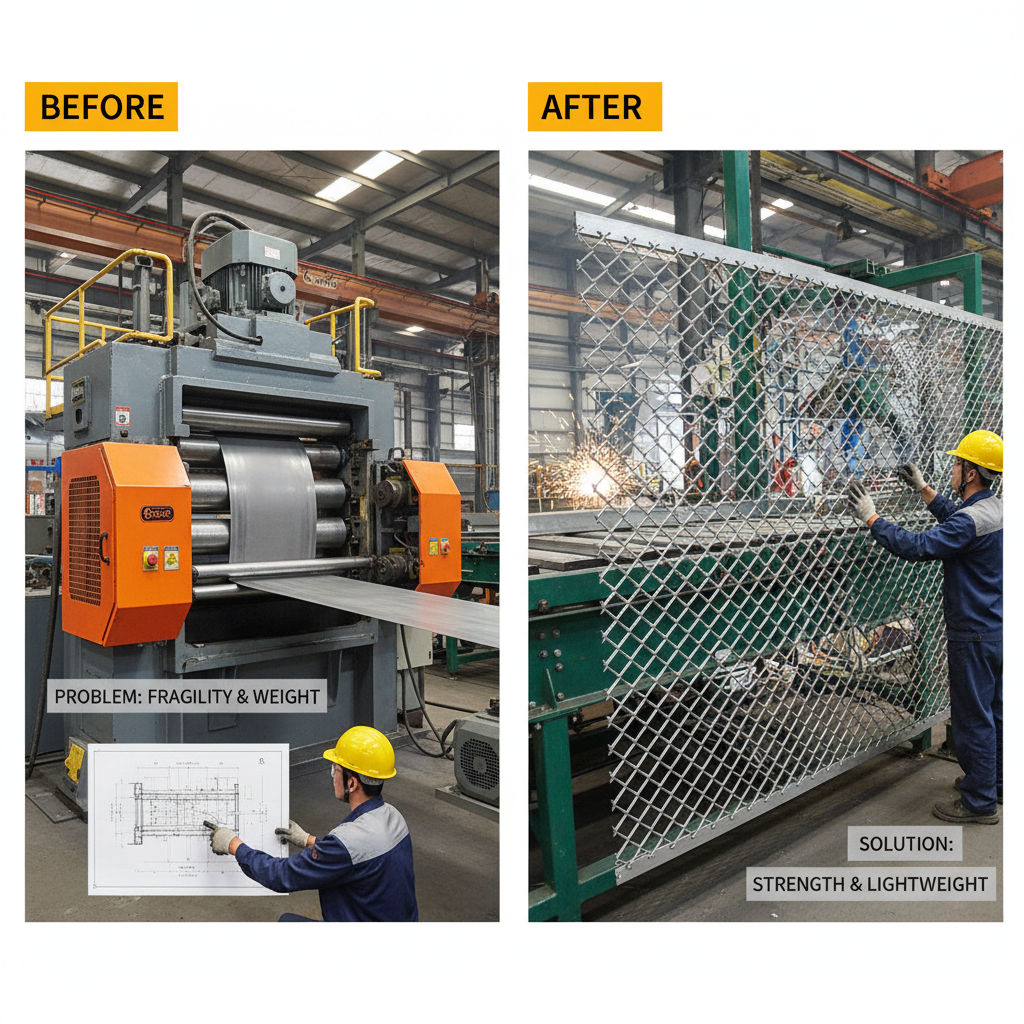
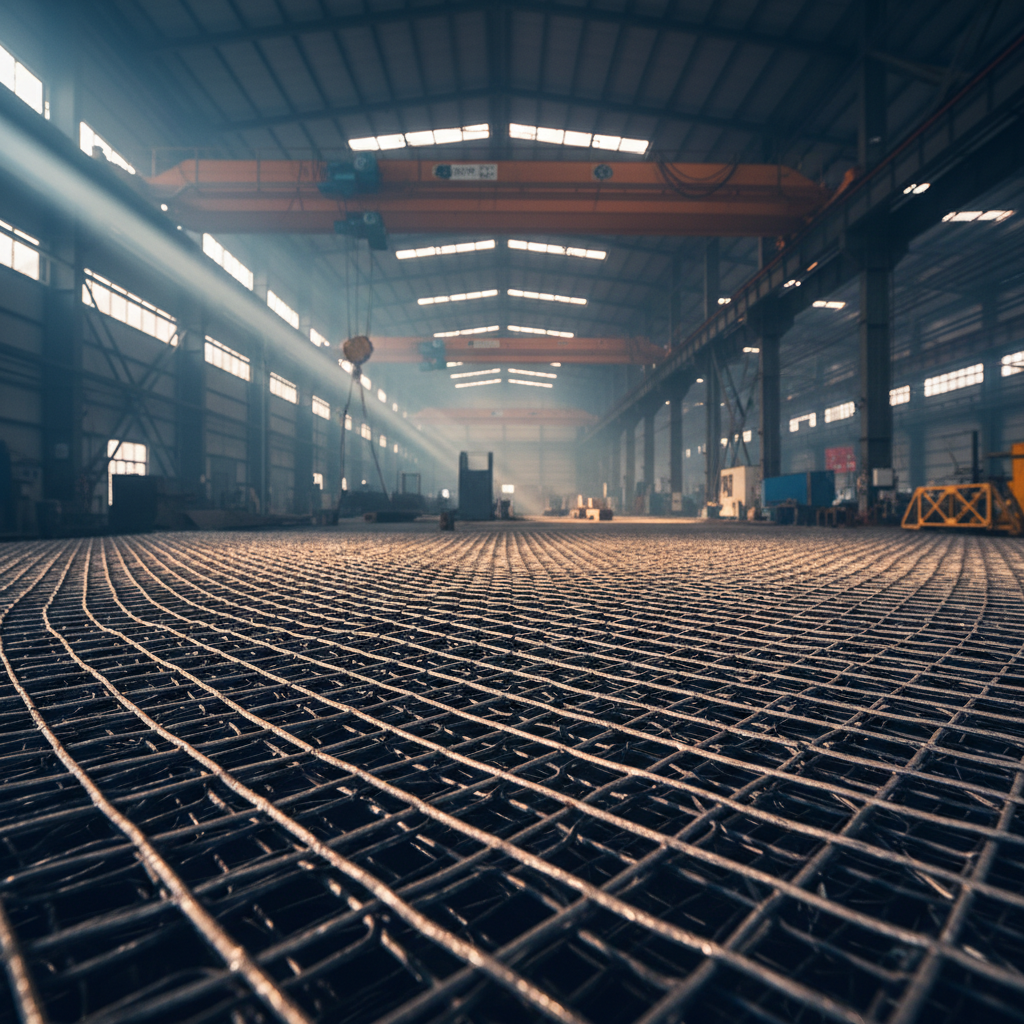
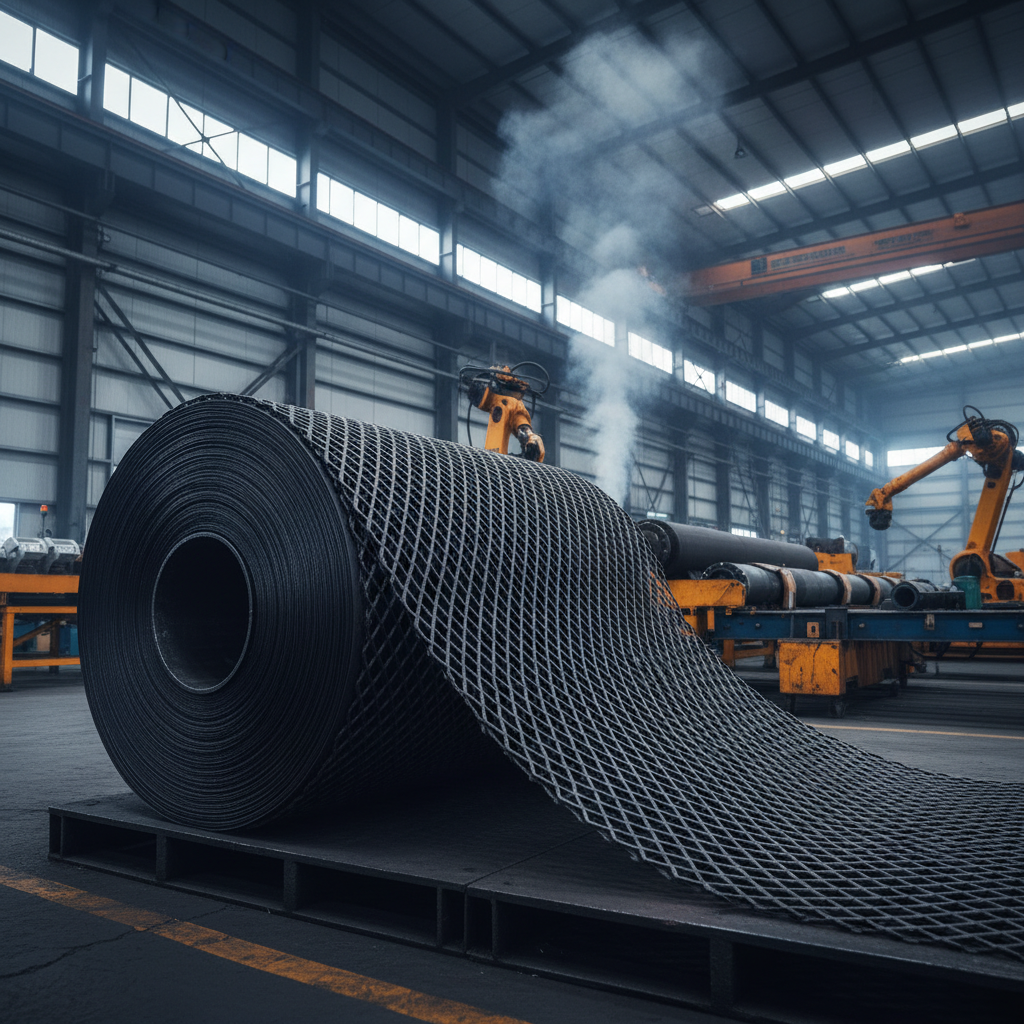
Expanded metal, in its diverse forms, represents a cornerstone of modern infrastructure and industrial design. From architectural facades to security fencing, and even intricate components in machinery, different types of expanded metal offer a unique blend of strength, versatility, and cost-effectiveness. Its ability to be manufactured from a wide array of materials, including steel, aluminum, and stainless steel, makes it adaptable to nearly any application requiring a robust, open-grid structure. Understanding the nuances of different types of expanded metal is crucial for engineers, architects, and procurement professionals alike.
Globally, the demand for expanded metal is driven by construction booms in emerging economies, the increasing need for security solutions, and the growing adoption of lightweight materials in transportation. According to industry reports, the global expanded metal market is projected to reach substantial growth in the coming years, fueled by infrastructure development in Asia-Pacific and North America. This increasing reliance highlights a critical need for a thorough understanding of the various types available.
The inherent properties of expanded metal – its open structure, high strength-to-weight ratio, and non-slip surface – address critical challenges in diverse sectors, from providing safe walkways in industrial settings to offering effective filtration systems. It’s more than just a material; it’s a versatile solution addressing real-world needs.
Defining Different Types of Expanded Metal
At its core, expanded metal is created by slitting and stretching a metal sheet, resulting in a rigid, open grid structure. However, there’s a surprising diversity within this process, leading to several different types of expanded metal, each suited for specific applications. These variations largely depend on the shape of the die used during the expansion process and the metal alloy utilized.
Understanding these distinctions is key to selecting the right material for a given task. For instance, standard expanded metal, with its diamond-shaped openings, is ideal for general-purpose applications, while specialized patterns like flattened expanded metal offer a more uniform surface for applications requiring increased traction or aesthetic appeal.
The Manufacturing Processes of Expanded Metal
The creation of different types of expanded metal hinges on several distinct manufacturing techniques. The most common method involves using a die to precisely cut and stretch a metal sheet simultaneously. The die’s configuration determines the size and shape of the openings in the finished product. Alternative techniques include specialized rolling and punching processes.
Each method yields slightly different characteristics. For example, materials expanded through rolling tend to have a more consistent mesh size, while die-expanded metal offers greater versatility in pattern design. Furthermore, the thickness of the original metal sheet significantly influences the final product’s strength and durability.
Post-processing steps such as flattening, shearing, and surface treatments are commonly applied to further refine the expanded metal's properties and suitability for particular applications. These finishing processes can enhance corrosion resistance, improve aesthetic appeal, or optimize performance characteristics.
Key Properties and Material Considerations
The utility of different types of expanded metal stems from a unique combination of properties. Its high strength-to-weight ratio is a primary benefit, offering robust structural support with minimal material usage. The open grid design allows for excellent airflow and visibility, making it ideal for ventilation systems, security screens, and architectural elements.
The choice of material is equally critical. Carbon steel is the most common choice due to its affordability and strength, but stainless steel provides superior corrosion resistance, making it suitable for harsh environments. Aluminum offers a lightweight alternative for applications where weight is a primary concern. Material selection directly impacts the lifespan, maintenance requirements, and overall cost-effectiveness of expanded metal structures.
Beyond the base material, surface treatments like galvanization, powder coating, and painting can further enhance the properties of expanded metal. These treatments provide added protection against corrosion, improve aesthetic appeal, and extend the service life of the material.
Performance Characteristics & Comparative Analysis
The performance of different types of expanded metal is highly dependent on several factors, including material composition, mesh size, sheet thickness, and the expansion ratio. Mesh size dictates the openness of the grid, influencing airflow, visibility, and load-bearing capacity. Thicker sheets offer greater strength and durability.
Comparing different expansion methods reveals distinct advantages and disadvantages. For instance, raised expanded metal provides superior grip and traction, making it ideal for stair treads and walkways. Flattened expanded metal offers a more uniform surface for aesthetic applications or where a smooth finish is required.
Performance Comparison of Different Expanded Metal Types
Diverse Applications Across Industries
The versatility of different types of expanded metal leads to a remarkably broad range of applications. In the construction industry, it’s used for flooring, stair treads, and facade cladding. Security applications include fencing, screens, and protective enclosures.
The automotive industry utilizes expanded metal in radiator grilles, speaker grilles, and interior components. In filtration systems, it serves as a support structure for filter media. Even in artistic installations and architectural designs, expanded metal’s unique aesthetic qualities are increasingly valued.
Advantages and Limitations of Expanded Metal
The advantages of using different types of expanded metal are numerous. Cost-effectiveness is a major draw, as it requires less material than solid sheets while maintaining strength. Its open design promotes airflow and visibility, and its non-slip surface enhances safety. The material’s inherent durability and resistance to impact further contribute to its appeal.
However, expanded metal also has limitations. The open grid can allow the passage of liquids or small objects, rendering it unsuitable for certain containment applications. Sharp edges can pose a safety hazard if not properly addressed. Furthermore, the manufacturing process can be relatively energy-intensive.
Despite these limitations, the benefits often outweigh the drawbacks, particularly when the material is carefully selected and appropriately applied.
Future Trends and Sustainable Practices
The future of different types of expanded metal is intertwined with broader trends in materials science and sustainable manufacturing. Research into new alloys and coatings aims to enhance corrosion resistance, improve strength-to-weight ratios, and reduce environmental impact.
The increasing demand for lightweight materials in the automotive and aerospace industries is driving innovation in aluminum and titanium expanded metal. Furthermore, the development of closed-loop manufacturing processes that minimize waste and maximize material reuse is gaining momentum.
The integration of digital technologies, such as parametric design and robotic fabrication, is enabling the creation of complex and customized expanded metal structures with greater precision and efficiency.
Key Performance Indicators for Expanded Metal Sustainability
| Material Source |
Recyclability |
Energy Consumption (Production) |
Waste Generation |
| Recycled Steel (70%) |
95% |
6.5 kWh/kg |
5% |
| Virgin Aluminum |
80% |
14 kWh/kg |
10% |
| Stainless Steel (304) |
85% |
8 kWh/kg |
7% |
| Galvanized Steel |
75% |
7 kWh/kg |
8% |
| Recycled Aluminum (90%) |
90% |
3.5 kWh/kg |
3% |
| Bio-Based Coatings |
60% (Compostable) |
2 kWh/kg |
15% |
FAQS
Standard expanded metal typically uses thinner gauge metal and has smaller openings, making it suitable for applications like guards and filters. Heavy expanded metal utilizes thicker gauge metal and larger openings, providing increased strength and load-bearing capacity. This makes it ideal for flooring, stair treads, and more demanding structural applications. The choice depends entirely on the specific load and durability requirements of the project.
Galvanization is a crucial process for extending the lifespan of expanded metal, particularly in outdoor or corrosive environments. Applying a zinc coating provides a sacrificial layer of protection, preventing rust and corrosion from reaching the underlying steel. Properly galvanized expanded metal can last for decades, significantly reducing maintenance costs and replacement needs.
Yes, flattened expanded metal is often preferred for walking surfaces. The flattening process creates a more solid and even surface, enhancing safety and comfort compared to raised expanded metal. It provides excellent traction even when wet or oily, making it ideal for stair treads, walkways, and platforms in industrial and commercial settings.
Micro-expanded metal, characterized by extremely small openings, is commonly used in specialized applications requiring precise filtration or sound attenuation. It's found in high-end speaker systems, noise reduction barriers, and intricate filters for medical or industrial processes. Due to its delicate nature, it’s less suitable for load-bearing applications.
Absolutely. Modern manufacturing techniques allow for a high degree of customization in expanded metal patterns. The shape and size of the die used in the expansion process can be tailored to create unique designs for architectural features, decorative screens, or specialized industrial applications. This customization adds to the aesthetic versatility of the material.
Environmental considerations include the material’s recyclability, the energy consumption during production, and the use of sustainable coatings. Opting for recycled metal content, choosing materials with lower embodied energy, and utilizing eco-friendly coatings can minimize the environmental footprint. Sustainable manufacturing practices within the expanded metal industry are increasingly prevalent.
Conclusion
In conclusion, understanding the nuances of different types of expanded metal is paramount for effective material selection and application across a diverse range of industries. From its manufacturing processes to its inherent properties and performance characteristics, expanded metal offers a unique combination of strength, versatility, and cost-effectiveness. Its ability to be tailored to specific needs, coupled with growing trends toward sustainable practices, positions it as a vital material for future innovations.
Looking ahead, continued advancements in materials science and manufacturing techniques will further expand the possibilities of expanded metal. Embracing these innovations and prioritizing sustainable sourcing and production will be key to maximizing the long-term benefits of this remarkable material. Visit our website at www.ccmetalmesh.com to explore our extensive range of expanded metal products and solutions.