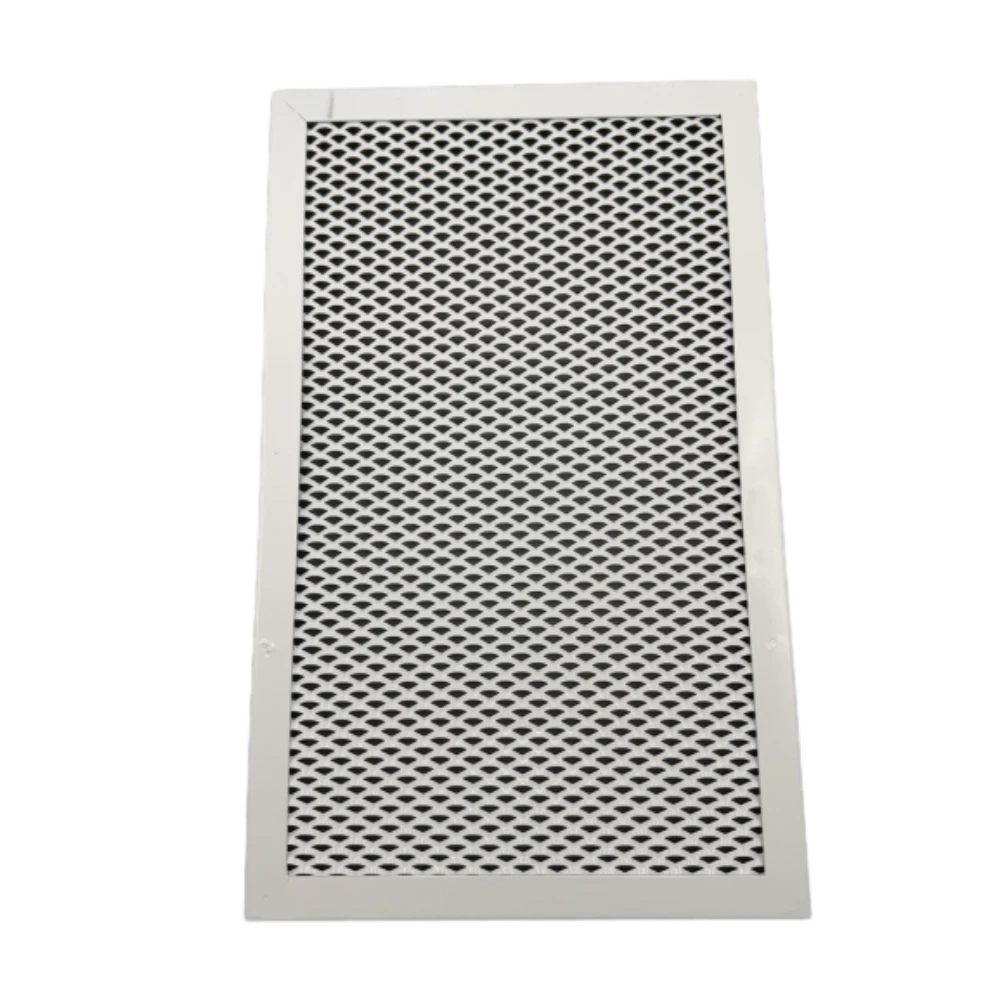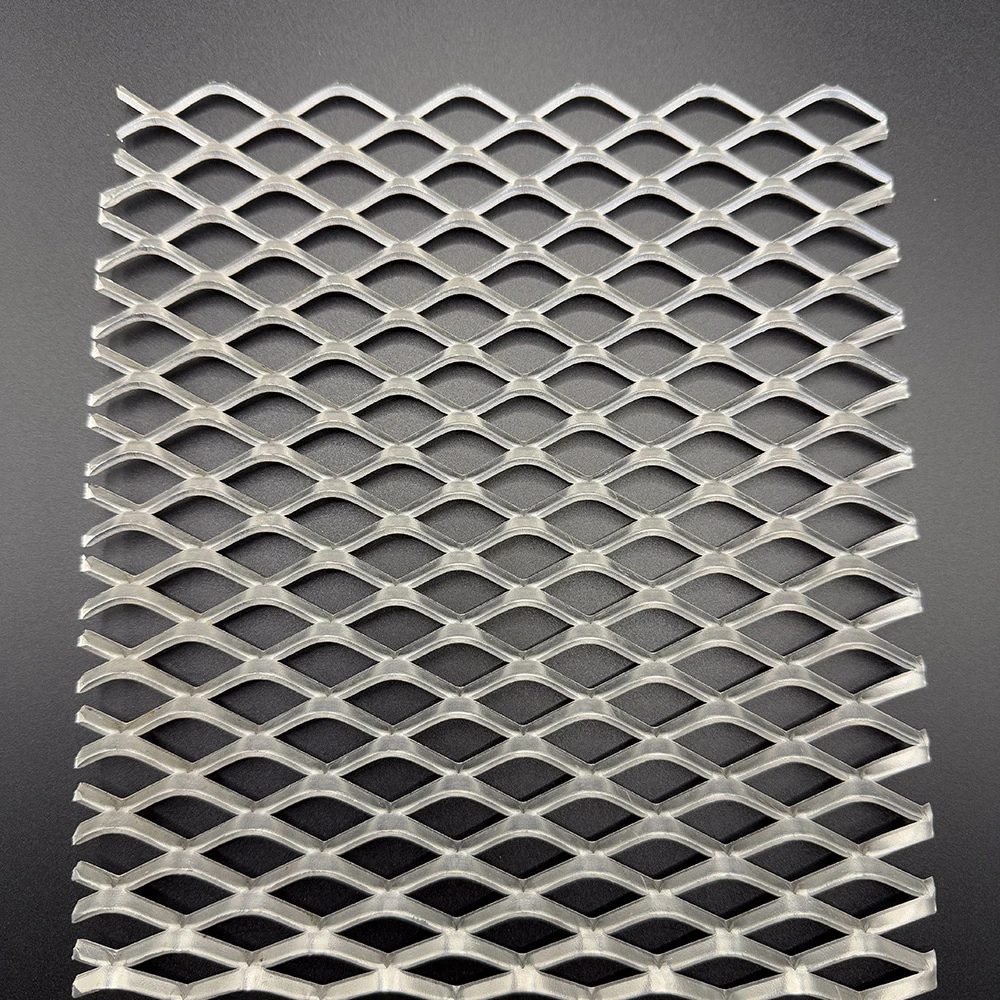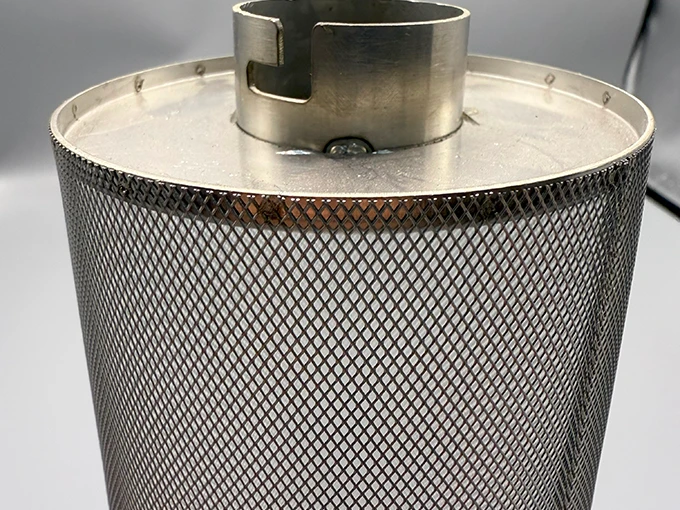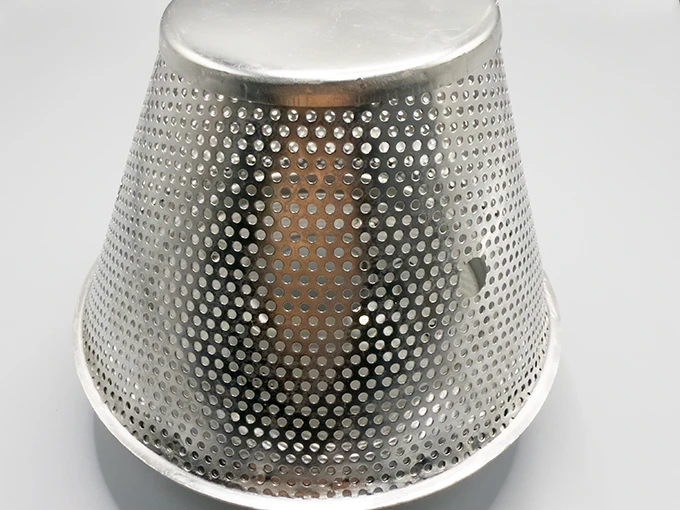
After spending more than a decade in industrial equipment manufacturing and installation, I can tell you one thing with some confidence: the quality of your perforated metal panels can make or break your project. Among the many methods available, laser cut perforated metal panels stand out for their precision and adaptability. Frankly, the difference is striking once you see the clean edges and detailed patterns that laser cutting brings to the table.
Oddly enough, I notice many engineers and designers often overlook how critical the cutting method is until they experience downstream issues — warping, inconsistent hole sizes, or material fatigue. Laser cutting addresses these concerns better than traditional mechanical punching or stamping. It’s almost like the panels are custom-tailored to each specification rather than simply “pushed through” a mold.
In real terms, what does that mean for your project? For starters, superior edge quality. Laser cuts produce minimal burrs and less heat-affected zones, which means the structural integrity of the metal stays intact. If you’re working with tougher alloys or thinner gauges, this is a huge advantage. Plus, you get the freedom to design complex perforation patterns without the limitations of tooling costs or time-consuming die changes.
Here’s a quick rundown of typical specs you’ll encounter when ordering laser cut perforated panels. These details help set expectations and guide your selection process.
| Specification | Details |
|---|---|
| Material Types | Stainless steel, aluminum, carbon steel, galvanized steel |
| Thickness Range | 0.5 mm to 6 mm (varies by material) |
| Hole Diameter | 0.5 mm up to 25 mm, in custom shapes |
| Sheet Size | Up to 1500 mm x 3000 mm |
| Tolerance | ±0.1 mm typically |
| Surface Finish | Raw, brushed, powder-coated, anodized |
Customization options truly shine here. One client I remember wanted highly intricate perforations mimicking organic shapes — sort of a "circuit board meets nature" look. Thanks to laser precision, the fabricator delivered flawlessly without a single miscut, unlike what mechanical methods would allow. It felt a bit like watching artistry in metal.
Now, if you're considering suppliers or manufacturers, it's worth comparing their laser cutting capabilities, equipment ages, and quality control protocols. Not all laser cut panels are created equal; some vendors run outdated lasers that introduce micro-cracks or inconsistent cuts, others excel through their advanced CNC-controlled fiber lasers.
| Vendor | Laser Type | Max Sheet Size | Typical Turnaround | Quality Certifications |
|---|---|---|---|---|
| CC Metal Mesh | Fiber Laser (Latest Gen) | 1500 x 3000 mm | 7-10 days | ISO 9001, CE |
| SteelShapes Co. | CO2 Laser | 1200 x 2400 mm | 10-14 days | ISO 9001 |
| MetalArts Ltd. | Fiber Laser (Older Model) | 1300 x 2500 mm | 12-15 days | ISO 14001 |
What I’ve learned is that when you want to rely on your perforated metal panels internally or architecturally, precision and consistency aren’t just nice-to-haves — they’re essentials. Using laser cut techniques, especially from a reputable supplier like laser cut perforated metal panels specialists, can save considerable headaches down the line.
To wrap up, these panels combine beauty with function, reliability with design freedom. If you ever get a chance, watch a laser cutter in action—you might find it oddly mesmerizing how a beam of light can shape solid metal into something both strong and intricate right before your eyes.
In the end, investing in quality laser cut perforated metal panels feels a bit like investing in peace of mind.
References:



![$item[alt]](https://images.exportstart.com/images/a1393/cc-7691.webp "$item[title]")