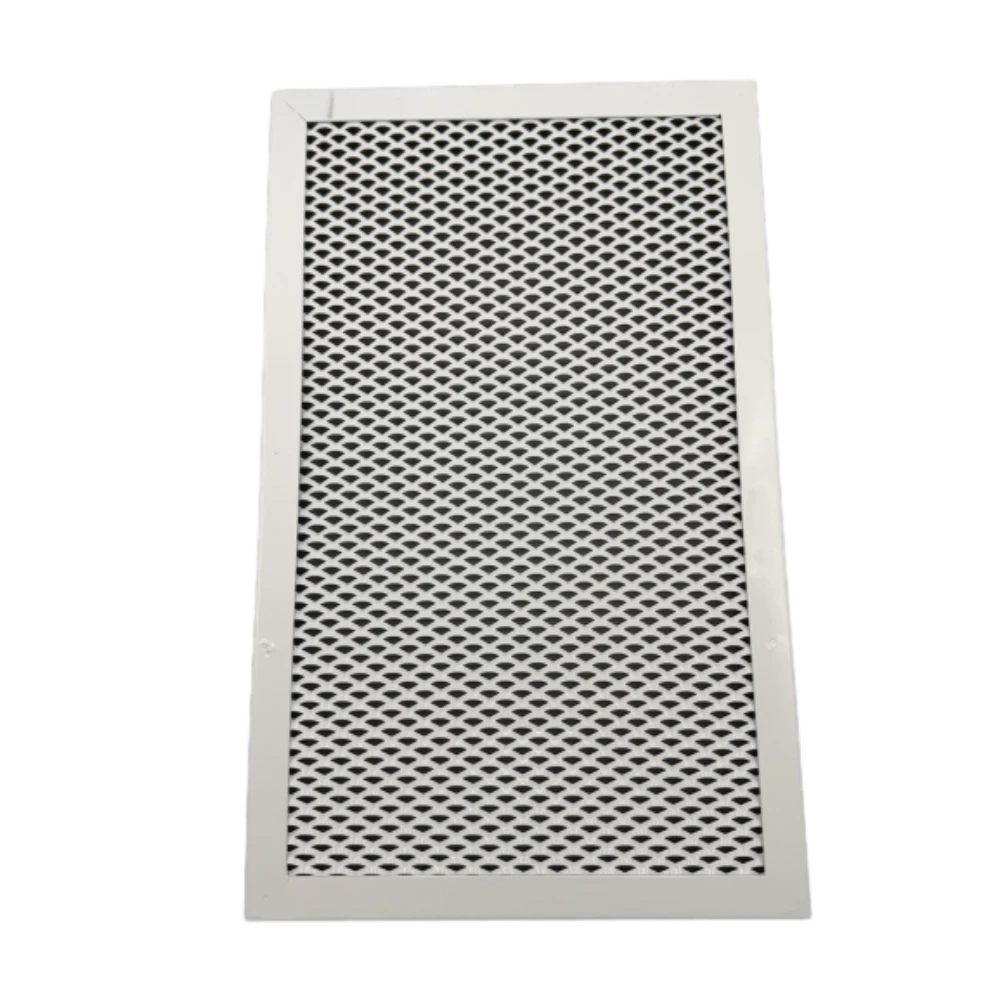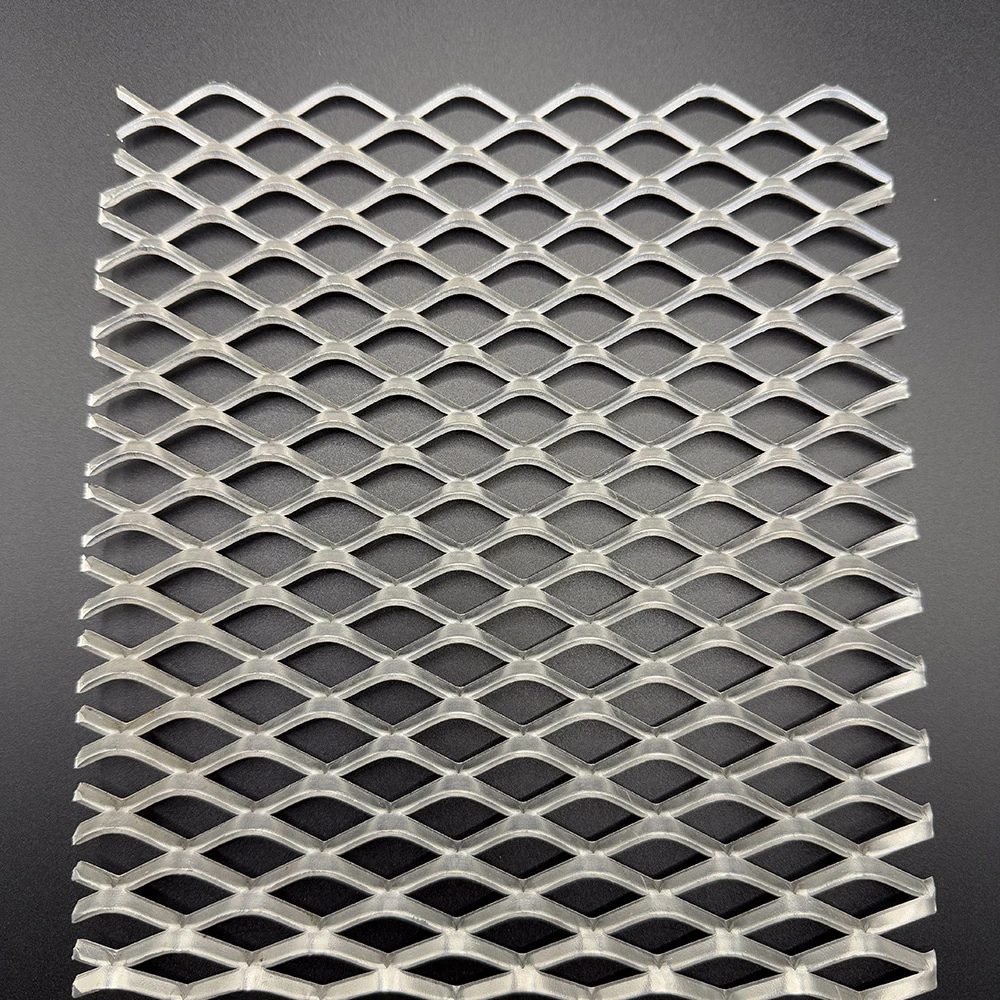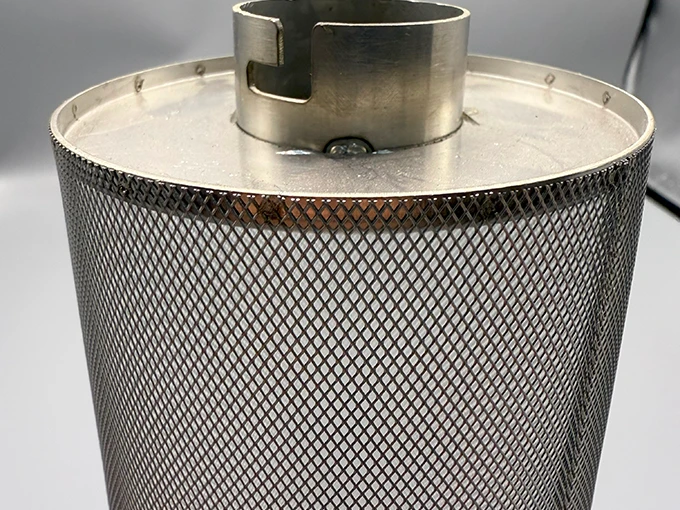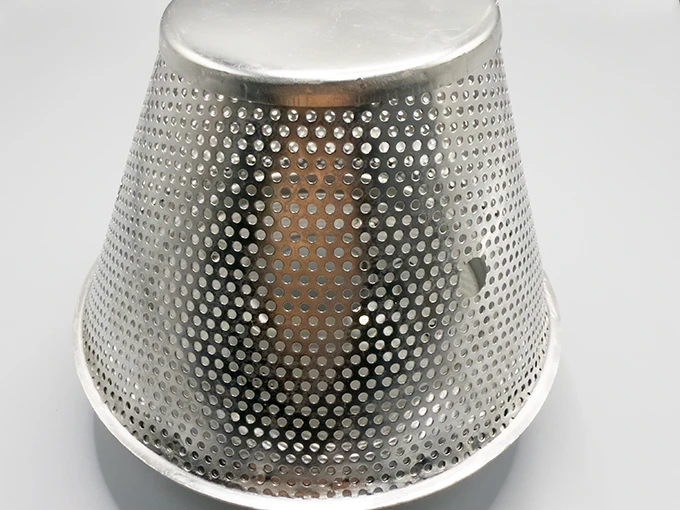

Having worked on industrial sites where sheet metal and structural panels dominate, I’ve seen perforated aluminum panels take center stage more times than I can count. Oddly enough, they’re often overlooked despite being a quiet workhorse in everything from architectural cladding to ventilation facades.
So, what makes these panels tick? For starters, it’s the classic combo of aluminum’s lightweight nature and the strategic perforations that give the material its unique properties. I suppose in real terms, the perforations aren’t just about aesthetics or just airflow—they balance strength, ventilation, noise reduction, and even energy efficiency. A lot of engineers I’ve talked to swear by their versatility.
One thing I noticed early on is how important the design of the perforation pattern is. Circular holes, slits, or more complex geometric shapes are chosen depending on the application. And, frankly, it’s fascinating how pattern size and ratio directly affect performance—whether it’s filtering sunlight or allowing air to flow.
Material-wise, aluminum itself ranks high for corrosion resistance, especially when anodized or powder-coated. That’s a big deal in industrial environments where moisture or chemicals can accelerate wear. Fretting corrosion and rust? You rarely hear about those issues with quality perforated aluminum panels. Take that from someone who’s seen plenty of steel panels go flaky by comparison.
Customization is a keyword here – it’s rare to find one-size-fits-all solutions in this sector. Clients often want precise hole sizes, panel thicknesses, and finishes tailored to their environment. I recall a project at a chemical plant where we specified custom 1.2 mm thick perforated panels with hexagonal patterns for optimized chemical fume ventilation. The client was thrilled; not only did it improve air quality, but maintenance was simplified.
| Specification | Details |
|---|---|
| Material | Aluminum alloy 3003 or 5052 |
| Panel Thickness | 0.8 mm to 3.0 mm |
| Hole Diameter | 1 mm to 25 mm (customizable) |
| Open Area | 10% to 60% |
| Surface Finish | Anodized, Powder Coated, Mill Finish |
| Standard Panel Size | 1220 mm x 2440 mm |
Speaking of customization, stress-testing these panels in tough environments is non-negotiable. Perforated aluminum is often tested for tensile strength, corrosion resistance, and weather tolerance — especially when used outdoors. I remember a case where the panels passed a demanding salt spray test, an absolute must for coastal facilities facing corrosive sea air.
| Vendor | Customization Options | Lead Time | Pricing Level | Quality Certifications |
|---|---|---|---|---|
| CC Metal Mesh | High – custom perforations, sizes, finishes | 2-3 weeks | Competitive | ISO 9001, RoHS |
| Alpha Metals | Medium – limited hole shapes | 3-4 weeks | Mid-range | ISO 9001 |
| SteelWorks Ltd. | Low – mostly standard products | 1-2 weeks | Higher | ISO 14001 |
So where do these panels really shine? One memorable application was on an outdoor industrial control room enclosure — perforated aluminum panels provided excellent airflow to cool electric components while also shielding sensitive equipment from debris and vandalism. The ease of installation and reduced weight compared to steel made the project a win, frankly.
The balance of mechanical strength and design flexibility means these panels pop up almost anywhere—from stadium facades and interior design accents to heavy-duty filters and acoustic panels in factories. There’s a subtle artistry in how they perform and protect without being bulky or loud.
All things considered, if you’re looking at materials for ventilation, sun shading, or even decorative metalwork in an industrial setting, it’s worth giving perforated aluminum panels a deeper look. You get lightweight durability, corrosion resistance, and flexibility — quite the combo. I suppose that’s why, after years of seeing various metals in action, they continue to be a staple.
As a final note: remember that not all perforated panels are created equal. It pays to check specifications carefully and pick a reliable supplier who knows the ins and outs of industrial standards. If you’re interested in robust, customizable options, CC Metal Mesh comes to mind as a trustworthy partner.
Feel free to reach out if you want to chat more about the ins and outs — this is one topic that never gets old for me.
Takeaway: Perforated aluminum panels blend functional engineering with flexible design—an industrial classic worth considering deeply.



![$item[alt]](https://images.exportstart.com/images/a1393/cc-7691.webp "$item[title]")