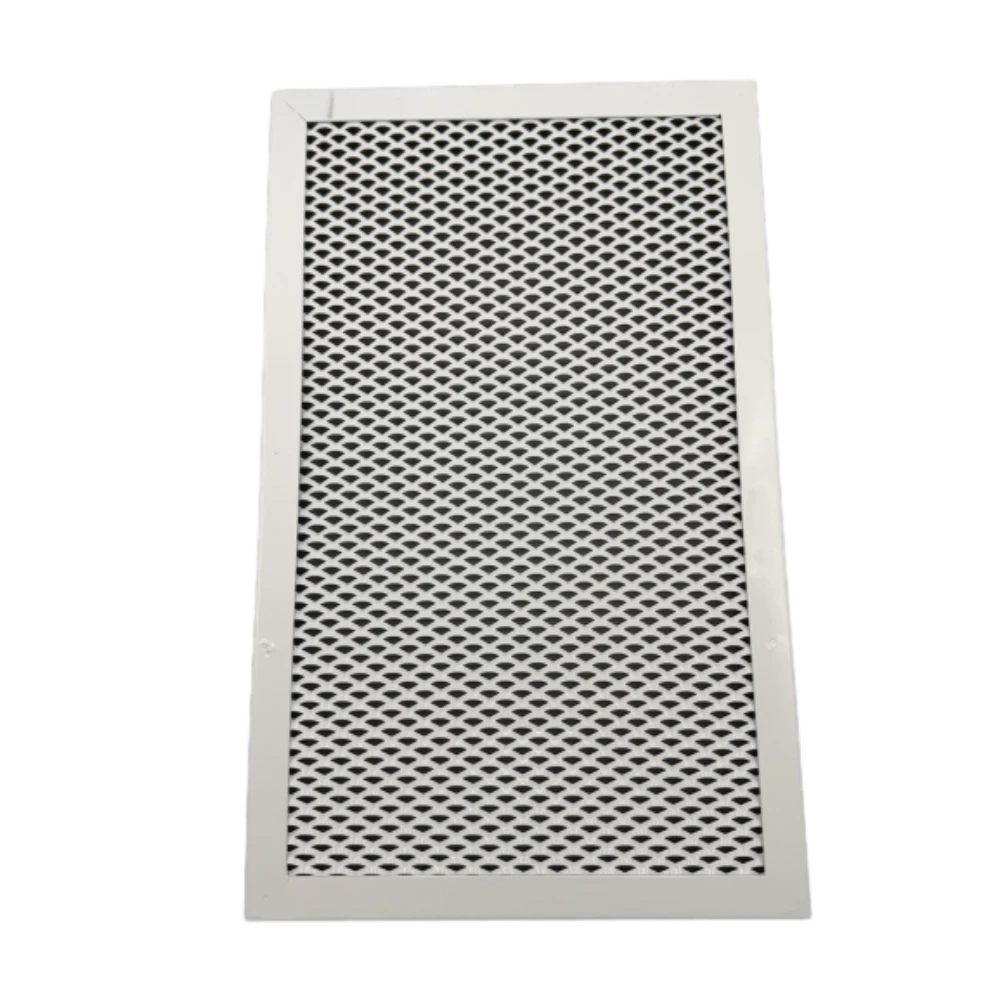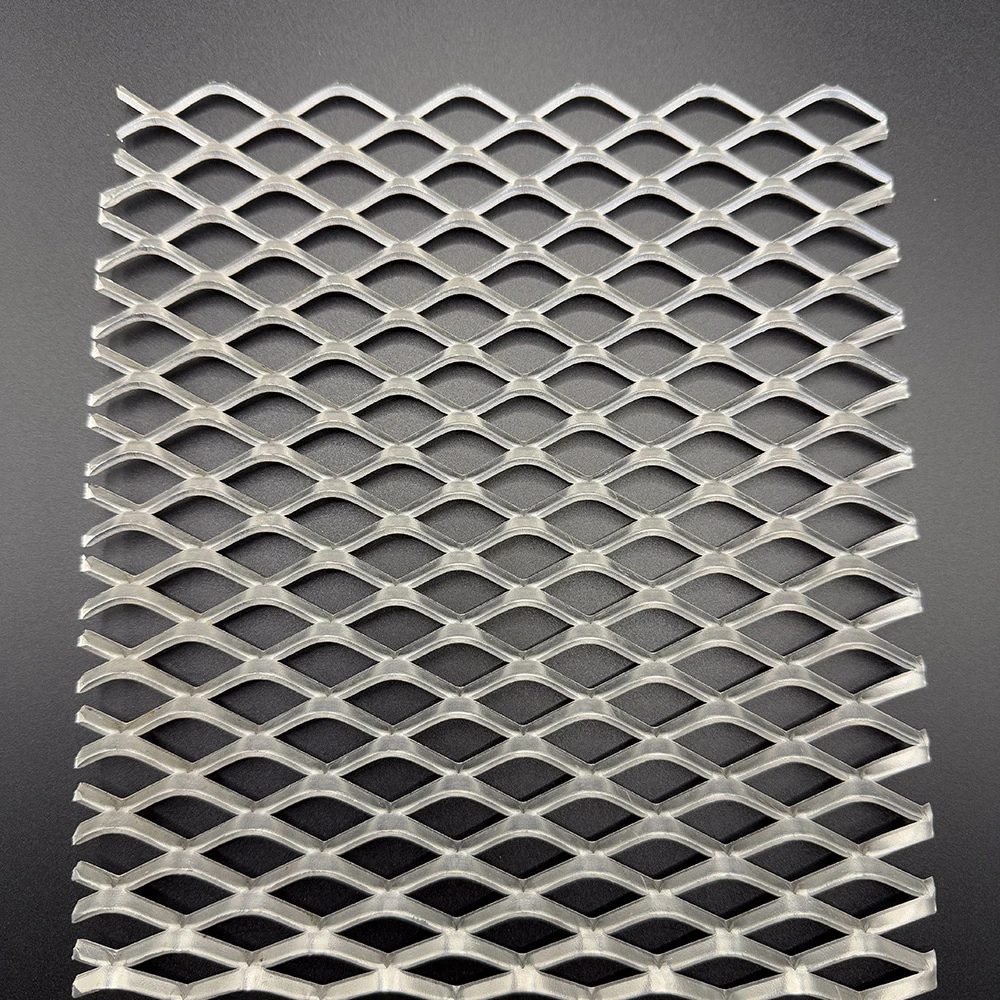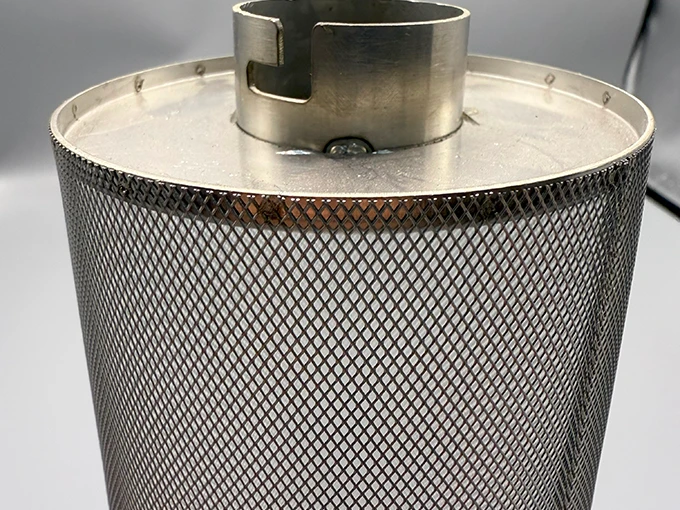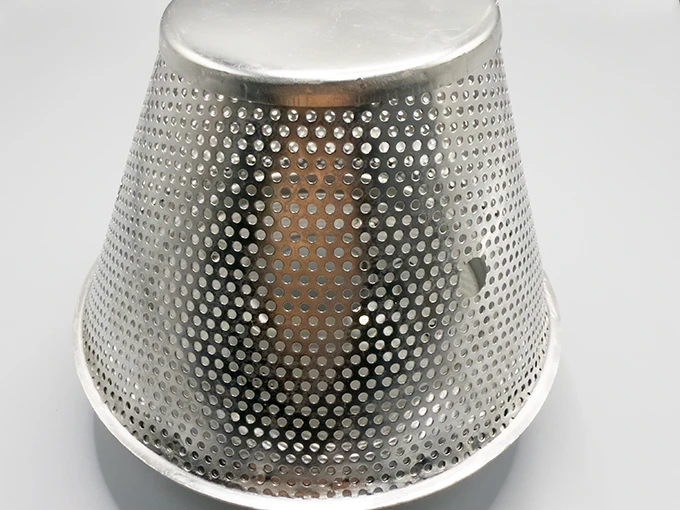
Having spent over a decade tinkering, testing, and sourcing industrial materials, I can say that perforated metal screens often get underestimated. You see them everywhere—from factories to filtration systems—but they quietly do the heavy lifting in countless sectors. And frankly, the variety and customization options you'll find nowadays are a bit astounding.
In my early days working at a metal fabrication shop, I remember the first time I witnessed just how crucial these screens were on a sorting line. The ability to precisely control flow, particle separation, or ventilation without compromising durability was a game changer—especially since downtime can be crippling.
Oddly enough, the choice of metal often reflects the application demands more than anything else. Stainless steel tends to top the list for its corrosion resistance, particularly in food or chemical handling. Meanwhile, aluminum perforated screens are prized for being lightweight but still reasonably strong.
What I’ve noticed is that customization extends beyond just size or hole patterns. Thickness, hole shape (round, square, slotted), and pitch can dramatically affect performance. Engineers often debate which pattern maximizes strength without increasing weight unnecessarily. And then there’s the matter of finishing—powder coating or galvanizing, for example, helps screens withstand harsh environments.
| Specification | Typical Range/Values |
|---|---|
| Materials | Stainless steel, Aluminum, Carbon steel, Copper |
| Thickness | 0.5 mm to 10 mm |
| Hole Diameter | 0.5 mm to 50 mm (round or custom shapes) |
| Open Area | 10% – 70% |
| Finish | Galvanized, Powder coated, Anodized |
| Sheet Sizes | Standard up to 2440 x 1220 mm or custom |
From my experience, the source matters just as much as the specs. The supplier not only needs to ensure quality but also understand the application and provide tailored advice. Here’s how I generally compare three familiar vendors in terms of quality, customization, delivery, and price.
| Vendor | Customization | Lead Time | Quality Consistency | Pricing |
|---|---|---|---|---|
| CC Metal Mesh | High – extensive patterns and alloys | 2-3 weeks | Excellent | Competitive |
| MetalTech Supplies | Medium – limited alloys | 3-4 weeks | Good | Moderate |
| Industrial Mesh Corp | Low – standard patterns only | 1-2 weeks | Fair | Lower |
In real terms, they’re brilliant for filtering, ventilation, decorative cladding, and even safety—the lightweight strength is something many engineers love. I recall a client who replaced traditional mesh filters with a custom stainless steel perforated metal screen on an assembly line. They noticed a 20% increase in throughput because the open area was optimized precisely for their material flow.
Plus, durability is often underrated. These screens endure vibration, temperature swings, and hefty mechanical strain with less maintenance than woven meshes. And they’re easier to clean, if you ask me.
With so many options and a reliable supplier, you get a tailored solution—something that truly fits your process and environment.
At the end of the day, when it comes to perforated metal screens, I always say: spend time upfront choosing the right pattern and material. It saves headaches later.
References:
1. Thompson, J. "Materials and Manufacturing of Perforated Metals," Industrial Metals Journal, 2022.
2. Lee, S. "Optimizing Mesh Performance in Filtration Systems," Engineering Today, 2023.
3. Field notes from CC Metal Mesh project consultations, 2019–2023.



![$item[alt]](https://images.exportstart.com/images/a1393/cc-7691.webp "$item[title]")