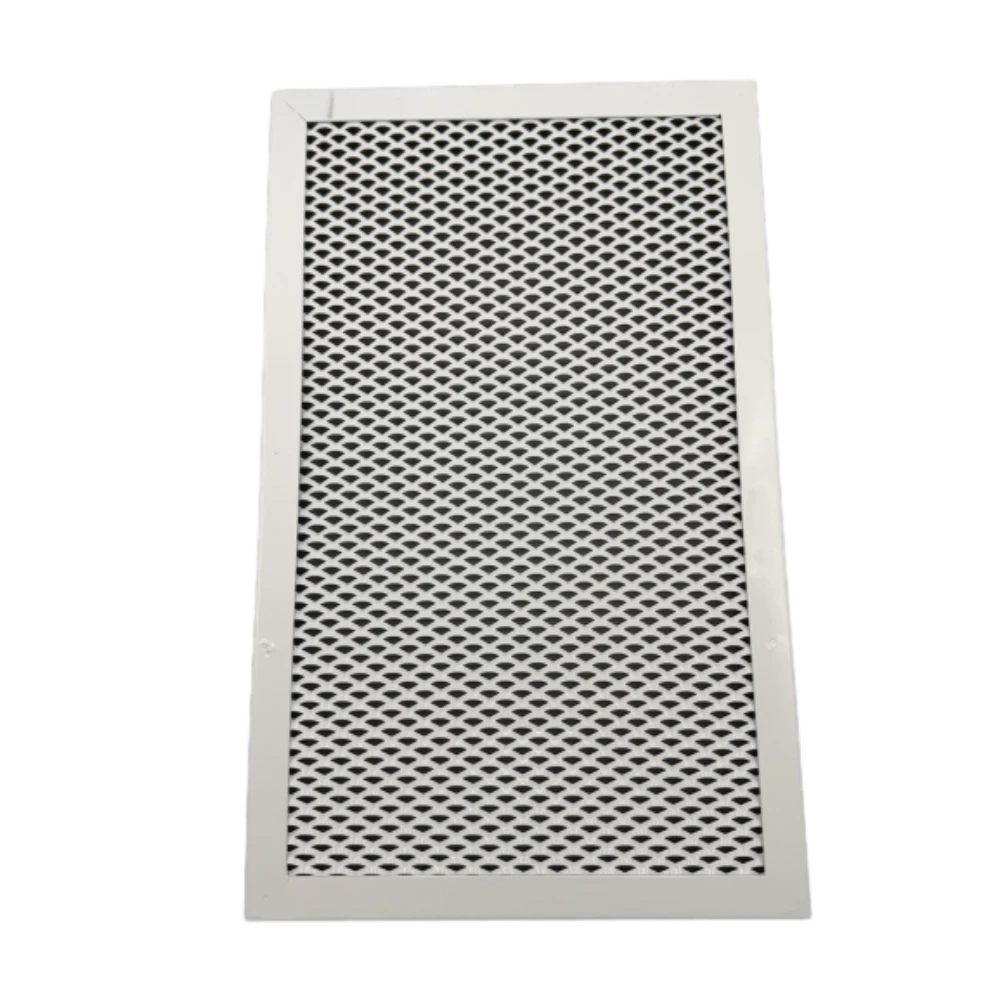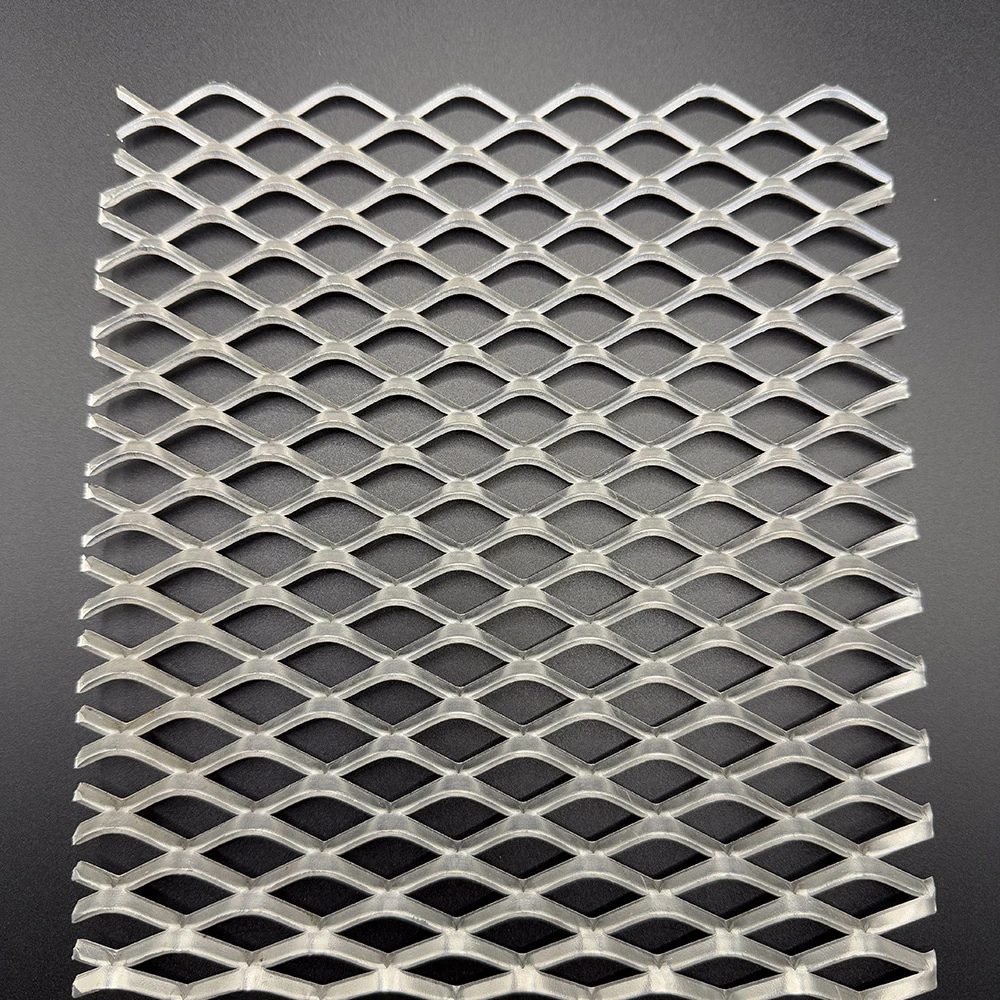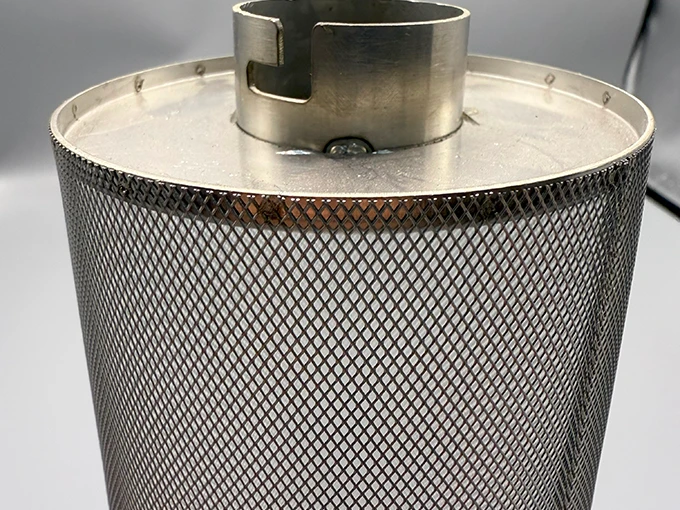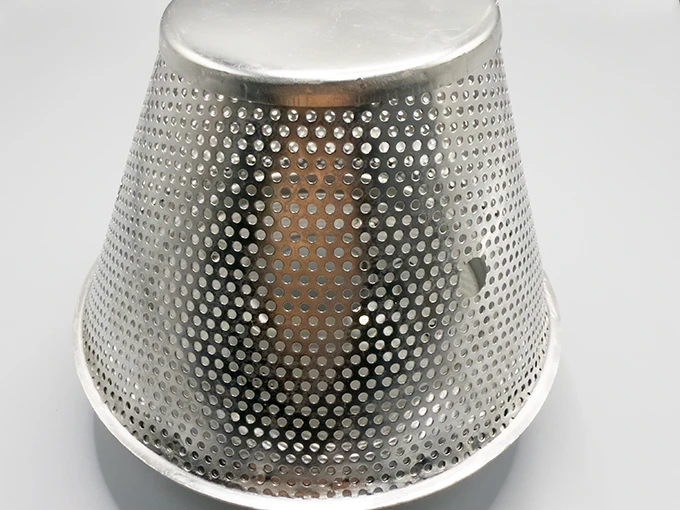

Okay, so you're looking at perforated sheet metal. It sounds simple enough, right? But honestly, the devil’s in the details. It's a deceptively complex topic, especially when you start factoring in load bearing, material properties, and just… well, what you're trying to achieve. It's far more than just holes in a sheet. We at CC Metal Mesh, you know, deal with this all day, and it feels like the need for precision is only increasing. It’s really about finding the optimal balance between open area, material gauge, and hole pattern. That balance directly translates to performance and, ultimately, cost-effectiveness. It's become an integral component in a surprising number of sectors, from aerospace to architectural acoustics.
The applications are pretty wide-ranging. I suppose a lot of people immediately think of sound dampening - and that's big, especially in commercial construction. But there's so much more. We see a lot of it in filtration systems, especially for liquids and gases where precise pore size is critical. And increasingly, in the food processing industry for things like draining and separating. Oddly enough, we’ve had a few requests for specialized speaker grilles that needed very specific acoustic properties. The thickness, and how it interacts with the perforation pattern, is everything in those scenarios. A thicker sheet generally means greater structural integrity, but it can also alter the acoustic profile, so it’s a careful consideration. Here's a quick look at typical specifications:
| Parameter | Typical Value | Units |
|---|---|---|
| Material | Stainless Steel 304/316 | - |
| Thickness | 0.5 - 5.0 | mm |
| Hole Diameter | 1.0 - 25.0 | mm |
| Open Area | 20% - 80% | - |
Frankly, the total cost of ownership goes beyond the initial material price. You’ve got fabrication, installation, and then ongoing maintenance. A lot of engineers tell me they’re prioritizing longevity. A slightly higher upfront cost for a thicker gauge, higher-quality material can save a fortune in replacement and downtime later. We had a client, a food processing plant, who initially went with a cheaper alternative. They ended up replacing the perforated sheets every six months due to corrosion. It wasn't a good look. CC Metal Mesh’s standard finishing processes – passivation for stainless steel, for example – add to that long-term value. Maintenance is usually pretty straightforward: regular cleaning is typically all that's needed. It’s worth noting that some vendors specialize in specific materials or perforation types. Here’s a quick comparison:
| Vendor | Material Specialization | Customization Options | Lead Time (Typical) |
|---|---|---|---|
| CC Metal Mesh | Stainless Steel, Aluminum, Carbon Steel | Extensive – Hole Size, Pattern, Thickness | 2-4 weeks |
| ABC Perforating | Carbon Steel, Limited Aluminum | Moderate - Hole Size & Pattern | 3-5 weeks |
| XYZ Metalworks | Primarily Aluminum | Limited - Standard Patterns Only | 1-2 weeks |
There’s a growing focus on using recycled materials, which is something we’re actively exploring. And, you know, reducing waste in the fabrication process. The demand for lighter-weight materials, like aluminum, is also increasing – particularly in the automotive and aerospace industries. Regulations around noise pollution are driving demand for better sound dampening solutions, and perforated sheet metal is a key part of that. I suppose it’s also a bit of a cyclical market; construction booms drive demand, then things level off a bit. But overall, it seems pretty stable, and with the push for more sustainable building practices, I think we’ll see continued growth.
So, it all comes down to careful selection—material, thickness, pattern—to meet specific needs. It's a surprisingly nuanced field, and choosing the right perforated sheet can make a big difference. For reliable, high-quality solutions, visit our website: https://www.ccmetalmesh.com.



![$item[alt]](https://images.exportstart.com/images/a1393/cc-7691.webp "$item[title]")