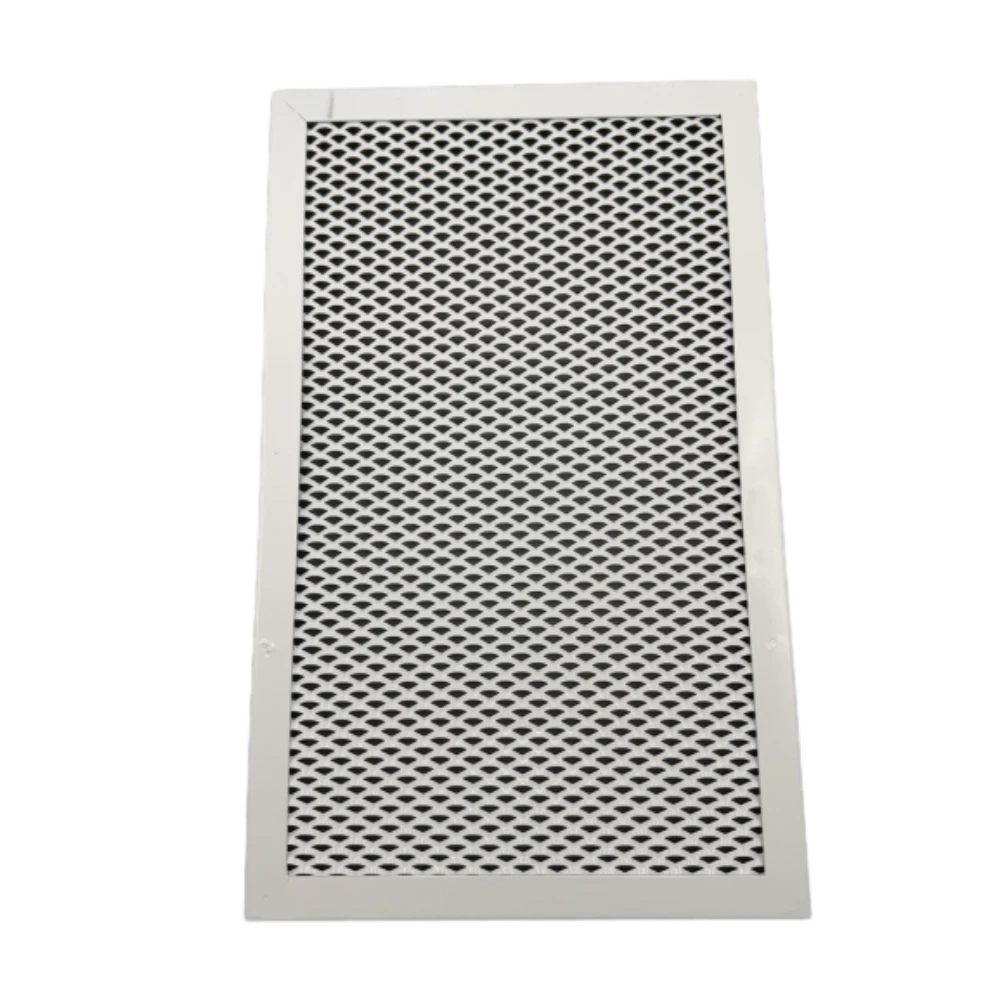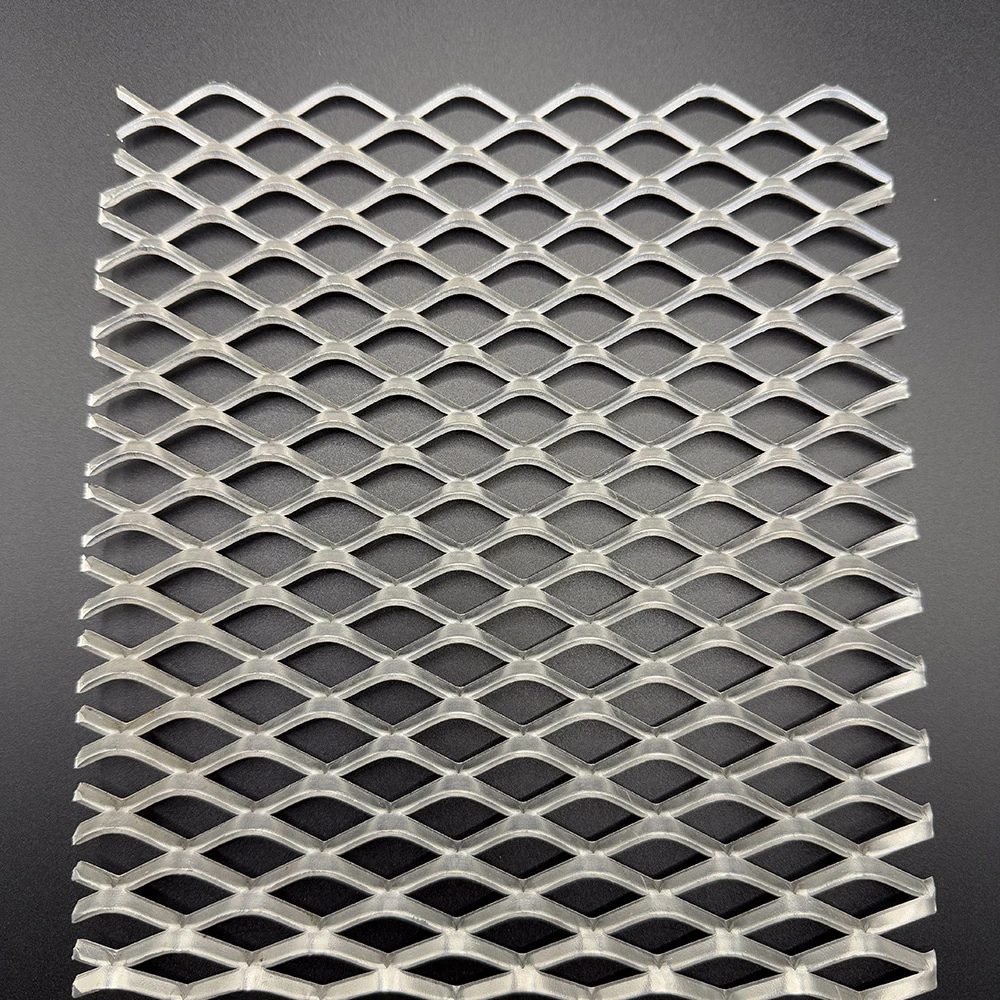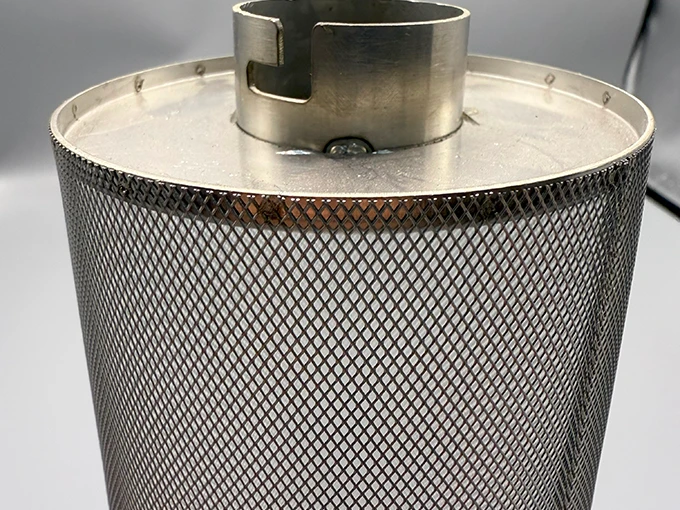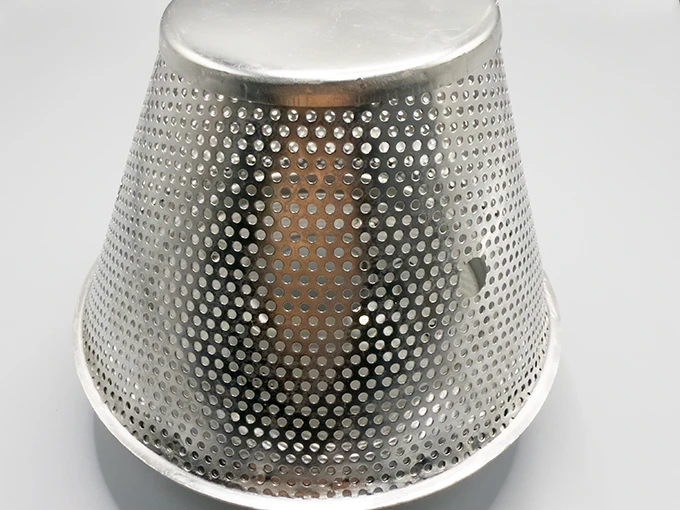

It’s funny, you know, how something seemingly simple – a sheet of metal with holes – can be so vital across so many industries. Perforated Metal Sheet Seamless Texture isn’t just about holes; it’s about precision, airflow, sound dampening, weight reduction… frankly, the list goes on. I’ve been working with metal meshes for over a decade, and I still find new applications cropping up. It’s become increasingly popular as industries demand lighter, stronger, and more versatile materials. This isn’t your grandfather's hardware cloth, that’s for sure.
So, what is it, really? Essentially, it’s a metal sheet – typically stainless steel, aluminum, or carbon steel – with a pattern of holes punched or etched into it. The “seamless texture” part is key. It refers to the way the perforation pattern is designed to repeat without visible breaks, creating a consistent surface. This isn’t just aesthetic; it impacts structural integrity. Different perforation patterns—straight, staggered, hexagonal—offer different properties. We’re talking about open area percentage (the ratio of hole area to total sheet area), load-bearing capacity, and even acoustic performance. I suppose the material choice really dictates a lot of the final performance characteristics. Here's a quick spec rundown:
| Specification | Value | Notes |
|---|---|---|
| Material | Stainless Steel 304/316, Aluminum 5052, Carbon Steel | Custom alloys available |
| Thickness | 0.5mm - 6.0mm | Dependent on application |
| Hole Diameter | 1mm - 25mm | Customizable |
| Open Area | Up to 75% | Pattern dependent |
You’ll find this stuff everywhere. Architecturally, it’s used for facades, sunshades, and acoustic panels. In industrial settings, it's crucial for filter screens, conveyor belts, and machine guards. Many engineers I’ve talked to rave about its use in speaker grills – the perforation pattern dramatically impacts sound quality. Oddly enough, it's even showing up in high-end furniture design! The benefits are pretty clear: lightweight construction, excellent airflow, noise reduction, and a surprising degree of visual appeal. It’s more adaptable than you’d think.
| Vendor | Lead Time | Customization Options | Price (Relative) |
|---|---|---|---|
| CC Metal Mesh | 2-4 weeks | Extensive | Mid-Range |
| Alibaba Supplier A | 3-6 weeks | Limited | Low |
| Direct Metals | 4-8 weeks | Moderate | High |
Initial cost varies wildly depending on material, pattern, and quantity. You’ll pay more for stainless steel than carbon steel, and complex patterns take longer to produce. But, honestly, the long-term value is where it shines. Maintenance is minimal – a simple cleaning usually suffices. The durability of good quality perforated metal is exceptional, especially with corrosion-resistant coatings. I recall a client, a food processing plant, who switched to stainless steel perforated sheets for their conveyor systems; they reduced downtime due to corrosion by almost 40%. They saw a pretty substantial ROI over five years, they told me.
Sustainability is increasingly important, and perforated metal scores pretty well here. Many metals are highly recyclable, and the lightweight nature reduces transportation costs. There’s a growing trend towards using recycled materials in production, which is fantastic. I’ve noticed a move towards more complex and aesthetically pleasing patterns, driven by architects and designers. 3D perforation is a nascent field; it’s sort of pushing the boundaries of what’s possible. And, of course, the integration of smart materials and sensors into perforated metal structures is something to watch.
Ultimately, Perforated Metal Sheet Seamless Texture is a deceptively simple yet incredibly powerful material. It's adaptable, durable, and offers a compelling blend of performance and aesthetics. If you're looking for a versatile solution to a challenging engineering problem, it’s definitely worth considering. Visit our website: https://www.ccmetalmesh.com



![$item[alt]](https://images.exportstart.com/images/a1393/cc-7691.webp "$item[title]")