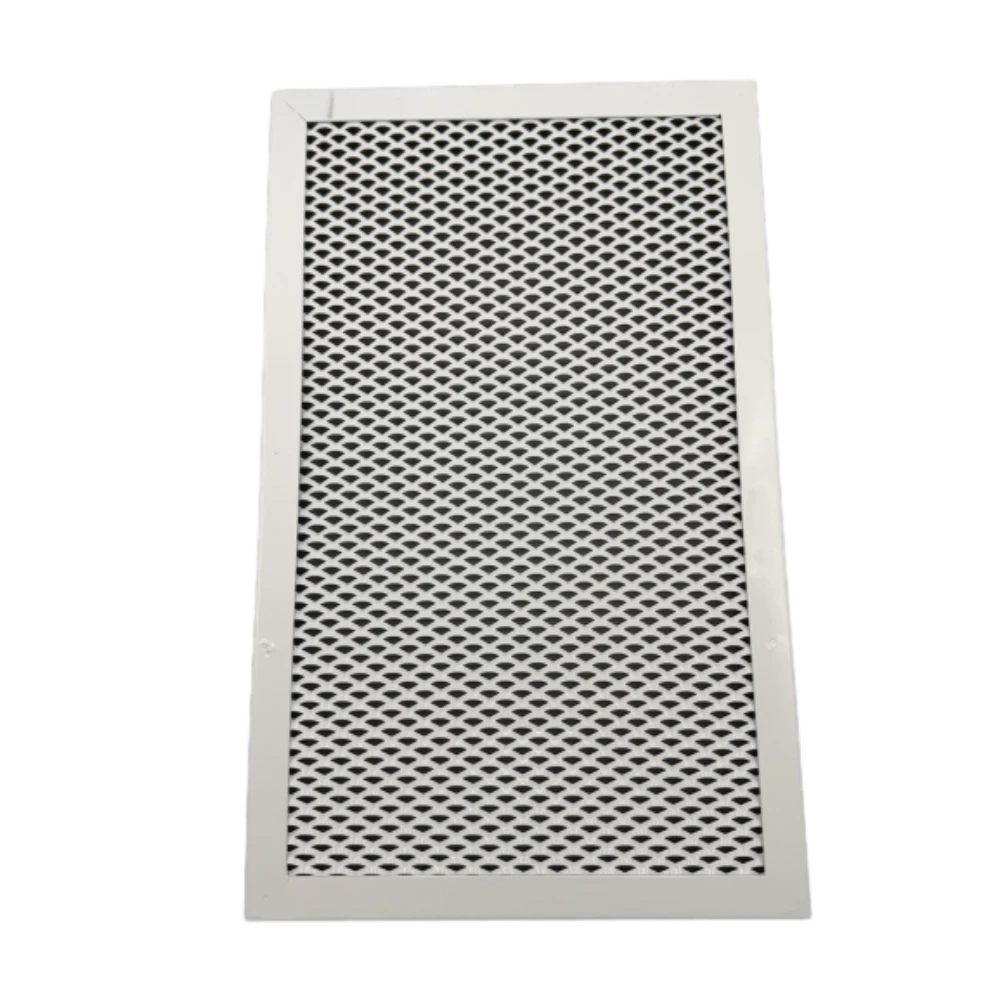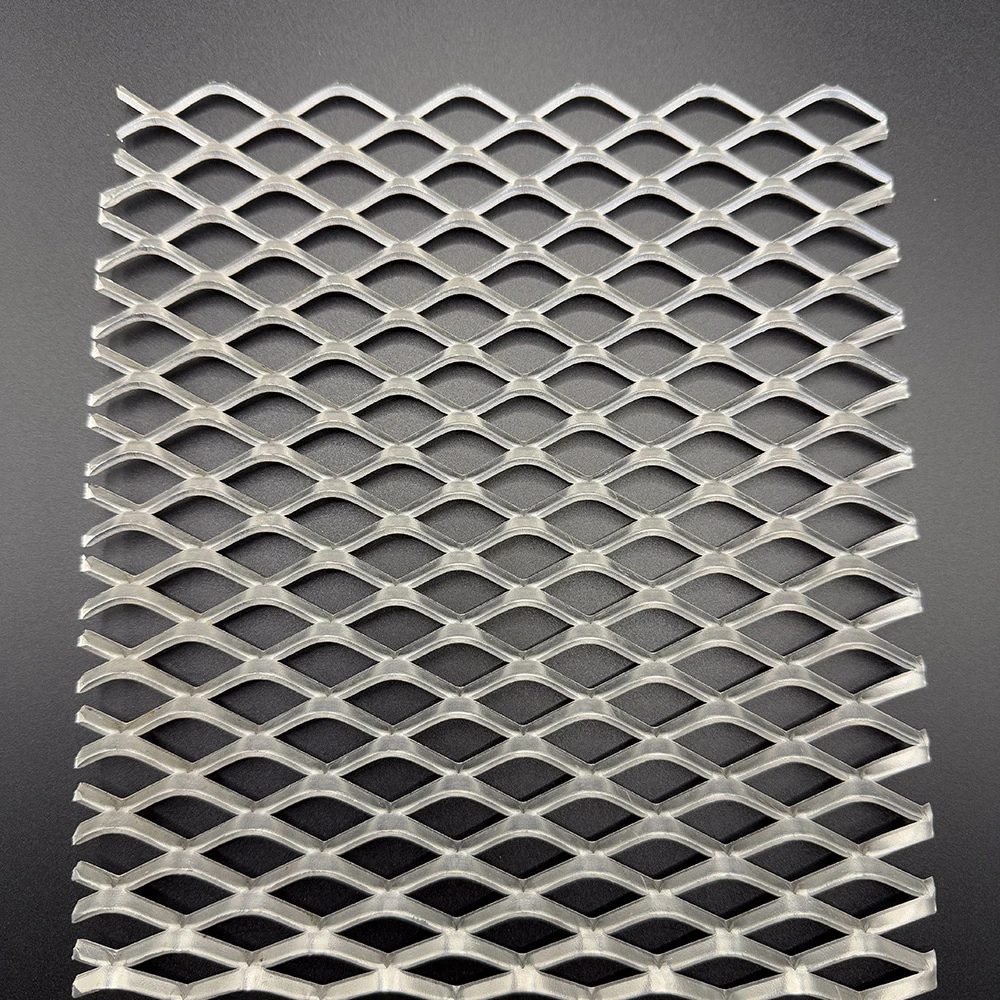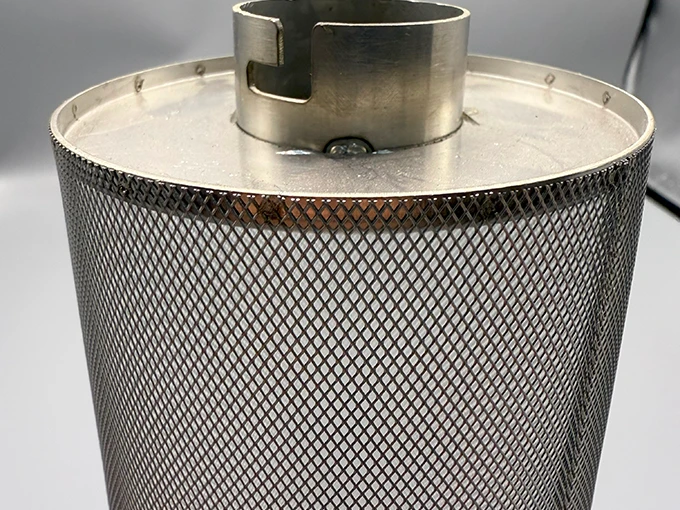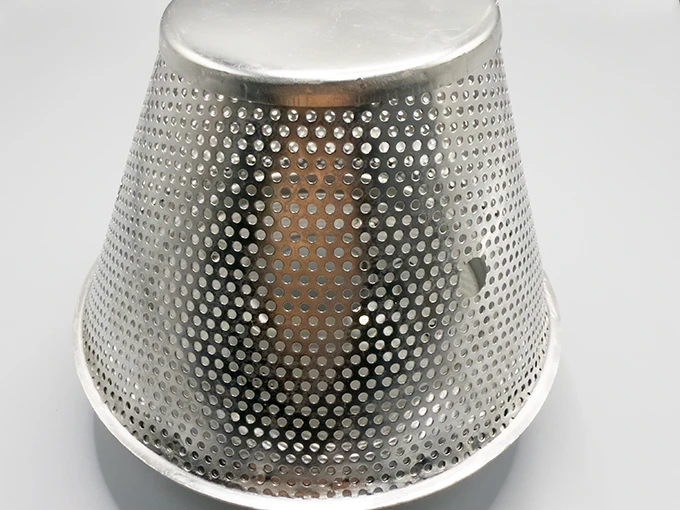
Having spent a good part of my career in industrial equipment manufacturing, I can say punched metal panels are one of those “quiet workhorses” that rarely get the spotlight but silently keep things running. If you’re diving into industrial design or simply curious about metals in manufacturing, these panels deserve a closer look.
Punched metal panels essentially refer to metal sheets that have been mechanically pierced with various shapes—circles, squares, or custom patterns—using a punch press. The purpose? Well, it’s more than just aesthetics; think ventilation, filtration, noise reduction, and even safety shielding. But what’s really interesting is how versatile they can be, especially when customized.
Oddly enough, while you might imagine a simple steel sheet with holes, the reality is far more nuanced. These panels come in different metals—stainless steel, aluminum, galvanized steel—each chosen depending on the environment it’s meant for. Stainless steel, for instance, is ideal for corrosive environments, like chemical plants, because of its resistance to rust. Aluminum, being lighter, fits well where weight savings are critical, such as in transportation or architecture.
Frankly, the design process for punched metal panels is a balance of art and engineering. You want to maximize the open area for airflow or light transmission but retain enough metal to keep structural integrity. The size, shape, and spacing of punches are critical — engineers and fabricators spend considerable time testing layouts to achieve these goals. I recall working on a panel intended as a noise barrier for an industrial generator. By tweaking the hole patterns, we noticeably reduced noise levels without sacrificing durability. It felt rewarding to see design theory translate directly to real-world comfort.
Let’s talk materials and specs for a moment. Here’s a quick snapshot that I often reference when advising clients about their punched panel choices:
| Material | Thickness Range (mm) | Open Area % | Common Applications |
|---|---|---|---|
| Stainless Steel | 0.5 – 3.0 | 20% – 60% | Chemical plants, food processing |
| Aluminum | 0.7 – 5.0 | 15% – 55% | Transportation, architecture |
| Galvanized Steel | 1.0 – 4.0 | 25% – 65% | Outdoor enclosures, electrical panels |
When selecting a vendor, I always suggest looking beyond just price. Quality control, delivery time, customization options, and customer service are equally important—sometimes more. To give you an idea, here's a simple comparison of three reputed vendors I’ve worked with recently:
| Vendor | Customization | Lead Time | Typical Volume | Warranty & Certifications |
|---|---|---|---|---|
| CC Metal Mesh | High (patterns, metals) | 2-3 weeks | Small to large | ISO 9001, RoHS |
| MetalWorks Ltd. | Moderate (limited patterns) | 3-4 weeks | Medium to large | ISO 14001, CE |
| SteelCraft | Low (standard patterns) | 1-2 weeks | Small batches | None disclosed |
From personal experience, choosing the right punched metal panel partner can make a world of difference. I remember a client in the HVAC sector who needed a unique airflow pattern for a complex filtration system. By going with a supplier who offered advanced pattern customization and stable lead times, the project not only finished on schedule but also exceeded performance expectations.
In real terms, punched metal panels epitomize the blend of practicality and engineering creativity. They’re not just perforated sheets — they’re tailor-made solutions to everyday challenges in industries ranging from architectural facades to heavy machinery.
If you want to explore the full potential of punched metal panels or need expert advice on specifications, the right source can make all the difference.
It’s odd but true: the right panel can be a silent game-changer for your project.
References:



![$item[alt]](https://images.exportstart.com/images/a1393/cc-7691.webp "$item[title]")